















































































































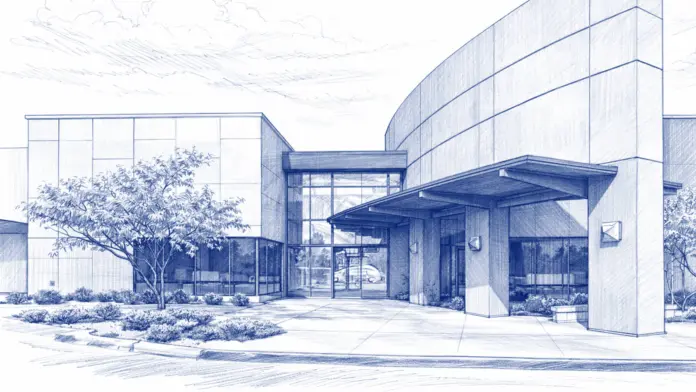
About Light of Truth Center
Light of Truth Center in Baltimore, Maryland offers residential addiction care and housing with a focus on women’s recovery. The center specializes in supporting women facing substance use disorders, co occurring mental health conditions and trauma histories. Light of Truth provides compassionate treatment rooted in a “Recovery, Transition, Restoration” continuum that helps women rebuild their lives in a supportive environment.
Gender Specific Treatment
Light of Truth Center’s core specialty is providing women centered residential treatment and sober living support. The program creates a family like community where women live together and support one another’s recovery, fostering connection, accountability and shared healing. The center is inclusive and affirming, welcoming LGBTQ+ clients and individuals living with HIV or AIDS.
Treatment integrates traditional approaches including therapy, relapse prevention and 12 step facilitation. Sessions address both substance use and underlying issues like trauma and co-occurring mental health disorders with a focus on practical skills and long term stability.
Clients describe the atmosphere as warm and restorative, noting that “humanity was restored” and the environment feels like a “loving, warm” place with “love based policy.”
Trauma Informed Support
Light of Truth provides specialized counseling for women with histories of sexual abuse, domestic violence and other traumatic experiences. The center integrates trauma-informed care throughout programming, recognizing how past harm impacts recovery and offering tailored support to address co-occurring mental health needs alongside substance use treatment.
Payment options include Medicaid, Medicare and self-pay arrangements.
Latest Reviews



Rehab Score
 Our Methodology


Location
Other Forms of Payment
Self-pay involves paying for treatment out of your own pocket. You can use savings or credit, get a personal loan, or receive help from family and friends to fund your treatment. If you don't have insurance or your insurance plan doesn't cover a specific program, self-pay can help ensure you still get the care you need.
Medicaid is a state based program that helps lower-income individuals and families pay for healthcare. Medicaid covers addiction treatment so those enrolled can use their coverage to pay for rehab. When a program accepts Medicaid the client often pays very little or nothing out of their own pocket.
Addiction Treatments
Levels of Care
Residential treatment programs are those that offer housing and meals in addition to substance abuse treatment. Rehab facilities that offer residential treatment allow patients to focus solely on recovery, in an environment totally separate from their lives. Some rehab centers specialize in short-term residential treatment (a few days to a week or two), while others solely provide treatment on a long-term basis (several weeks to months). Some offer both, and tailor treatment to the patient's individual requirements.
Sober Living Houses (SLHs), aka sober homes or halfway houses, are safe, substance-free, supportive living facilities for those recovering from substance abuse. Ideal for those who've just been through inpatient or outpatient treatment, SLHs are supervised environments with rules that support sobriety, such as curfews, shared chores, and therapeutic meetings. Residents are also often trained on life skills and coping skills to make it easier to transition into society. SLHs also provide a strong sense of community that can lead to the kind of deep and lasting connections with other sober individuals that supports a new, healthy lifestyle.
Treatments
Substance rehabs focus on helping individuals recover from substance abuse, including alcohol and drug addiction (both illegal and prescription drugs). They often include the opportunity to engage in both individual as well as group therapy.
Programs
Adult rehab programs include therapies tailored to each client's specific needs, goals, and recovery progress. They are tailored to the specific challenges adult clients may face, including family and work pressures and commitments. From inpatient and residential treatment to various levels of outpatient services, there are many options available. Some facilities also help adults work through co-occurring conditions, like anxiety, that can accompany addiction.
Recovery is most successful when clients feel accepted and validated by their peers and treatment providers. Facilities that offer LGBTQ-inclusive programming are committed to creating a safe space where everyone can grow and recover without fear of judgment or discrimination. They will have dedicated policies in place to create a safe and supportive environment that fosters free expression.
Young adulthood can be an exciting, yet difficult, time of transition. Individuals in their late teens to mid-20s face unique stressors related to school, jobs, families, and social circles, which can lead to a rise in substance use. Rehab centers with dedicated young adult programs will include activities and amenities that cater to this age group, with an emphasis on specialized counseling, peer socialization, and ongoing aftercare.
Clinical Services
Trauma therapy addresses traumatic incidents from a client's past that are likely affecting their present-day experience. Trauma is often one of the primary triggers and potential causes of addiction, and can stem from child sexual abuse, domestic violence, having a parent with a mental illness, losing one or both parents at a young age, teenage or adult sexual assault, or any number of other factors. The purpose of trauma therapy is to allow a patient to process trauma and move through and past it, with the help of trained and compassionate mental health professionals.
Staff & Accreditations
Staff

Vaile Leonard
Founder & CEO

Tiffinee Scott
Administrative Director

Tyrell Moyd
Director of Wellness & Training

Constance Mann-Leonard
PRHS Supervisor

Dr. Lela Campbell
Clinical Director

LaShawn Richards
Clinical Supervisor
Rose Fauntleroy
President

Samuel Hairston
VP
Accreditations

The Substance Abuse and Mental Health Services Administration (SAMHSA) is a branch of the U.S. Department of Health and Human Services. Established in 1992 by congress, SAMHSA's mission is to reduce the impact of substance abuse and mental illness on American's communities.
SAMHSA Listed: Yes
Contact Information


1736 Payson street
Baltimore, MD 21217
Sponsored Helpline

