The Recovery Village Ridgefield Drug and Alcohol Rehab
1
Top 10 Rehab In Ridgefield












































































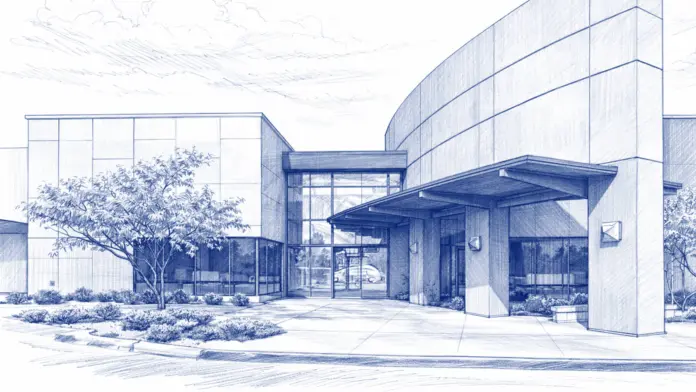
Madrona Recovery is a youth focused mental health and addiction treatment center in the Portland area, Oregon, offering specialized care for adolescents and young adults struggling with substance use disorders and co-occurring mental health conditions. The program provides both residential and outpatient services designed to meet the unique developmental needs of younger clients.
Madrona Recovery emphasizes trauma informed, holistic care that integrates evidence based therapies with experiential modalities to support lasting recovery.
Treatment begins with a thorough assessment to determine the appropriate level of care. Young clients can enter residential treatment, where they receive round the clock structure, individual and group counseling and peer support in a safe, supportive environment tailored specifically for youth.
Following residential care, clients can transition to outpatient programs that offer continued therapeutic support, relapse prevention and community reintegration. Therapies include cognitive behavioral therapy (CBT), dialectical behavioral therapy (DBT), art therapy and yoga, addressing both addiction and dual diagnosis mental health challenges. Programs are customized to fit each client’s individual recovery needs.


 Our Methodology


Medicaid is a state based program that helps lower-income individuals and families pay for healthcare. Medicaid covers addiction treatment so those enrolled can use their coverage to pay for rehab. When a program accepts Medicaid the client often pays very little or nothing out of their own pocket.
Private insurance refers to any kind of healthcare coverage that isn't from the state or federal government. This includes individual and family plans offered by an employer or purchased from the Insurance Marketplace. Every plan will have different requirements and out of pocket costs so be sure to get the full details before you start treatment.
Self-pay involves paying for treatment out of your own pocket. You can use savings or credit, get a personal loan, or receive help from family and friends to fund your treatment. If you don't have insurance or your insurance plan doesn't cover a specific program, self-pay can help ensure you still get the care you need.
Clients who wish to remain in their homes while in recovery may elect to enroll in an outpatient rehab, many of which offer evening, night, and weekend services to accommodate clients' schedules. Most outpatient facilities provide multiple levels of care to align with clients' evolving needs, including partial hospitalization (PHP) and intensive outpatient (IOP) for clients who require robust support and supervision. Addiction counseling and recovery-focused life skills training are the most common treatment modalities.
Alcoholism is characterized by tolerance to alcohol and withdrawal symptoms if drinking suddenly ceases. To overcome alcohol addiction, some people may require intensive alcohol rehab in Oregon. This treatment is highly structured and typically includes medical detox, behavioral therapies, and 12-step programs. Support systems are crucial during and after rehab, so involvement in support groups typically continues after rehab treatment is complete.
 Opioid Addiction
Drug rehab in Oregon offers a full continuum of care for those struggling with addiction. From detox, to inpatient, to outpatient, to aftercare, Oregon residents can find the support they need for recovery. This treatment empowers individuals to replace drug use with positive alternatives and develop a healthier lifestyle.
You can find comprehensive substance abuse treatment in Oregon, for individuals struggling with substance abuse and/or co-occurring mental health disorders. Typically, you'll find inpatient, outpatient, and residential programs, which incorporate evidence-based therapies such as cognitive-behavioral therapy (CBT), dialectical behavior therapy (DBT), and mindfulness-based interventions. Treatment usually begins with a comprehensive assessment and personalized treatment plan, which may involve individual, group, and family therapy. You'll also learn vital skills to help you sustain your sobriety.
When you experience a co-occurring drug or alcohol addiction and a mental health disorder, a dual diagnosis treatment center offers the specialized services needed to address both conditions at the same time. By treating both disorders at once - under the same roof and with 24/7 access to mental health professionals – you drastically increase your chances of being successful in long-term recovery.
In Oregon, dual-diagnosis addiction treatment programs provide integrated care for individuals with co-occurring substance use disorders and mental health conditions. Specialized programs include outpatient, inpatient, and partial hospitalization options. Using a combination of individual and group therapy, psychoeducation, and skills training, a team of clinical addiction and mental health experts can treat the underlying causes of your addiction and improve your mental health.
Teen programs are designed to address the unique pressures teens face, pressures that can drive them to experiment with dangerous, addictive substances. They need programs that meet them exactly where they are and give them tools for long-term recovery. Therapy can help teenagers understand and work through underlying issues so they can reclaim the life ahead of them.
Cognitive behavioral therapy (CBT) in Oregon is a short term talk therapy method used to treat mental and behavioral disorders. Based on client needs, the therapist may recommend five to 20 sessions. Typically, this form of therapy requires fewer sessions than many other types of treatment.
It can be difficult to interpret or articulate how you're feeling during recovery. Through creative arts therapy, you can explore those emotions and share what you're feeling in ways beyond words. Methods include dance, drama, music, drawing, and writing.
The six main elements of dialectical behavior therapy are designed to help you develop skills for recovery. These are related to: 1. Accepting your circumstances 2. Learning new skills 3. Receiving support 4. Learning positive behavioral responses 5. Changing negative thought patterns 6. Building collaboration skills.

7000 SW Varns St, Portland, OR 97223
Sponsored Helpline
 Back
Back
Sharing your insights and experiences can help others learn more about this rehab center.