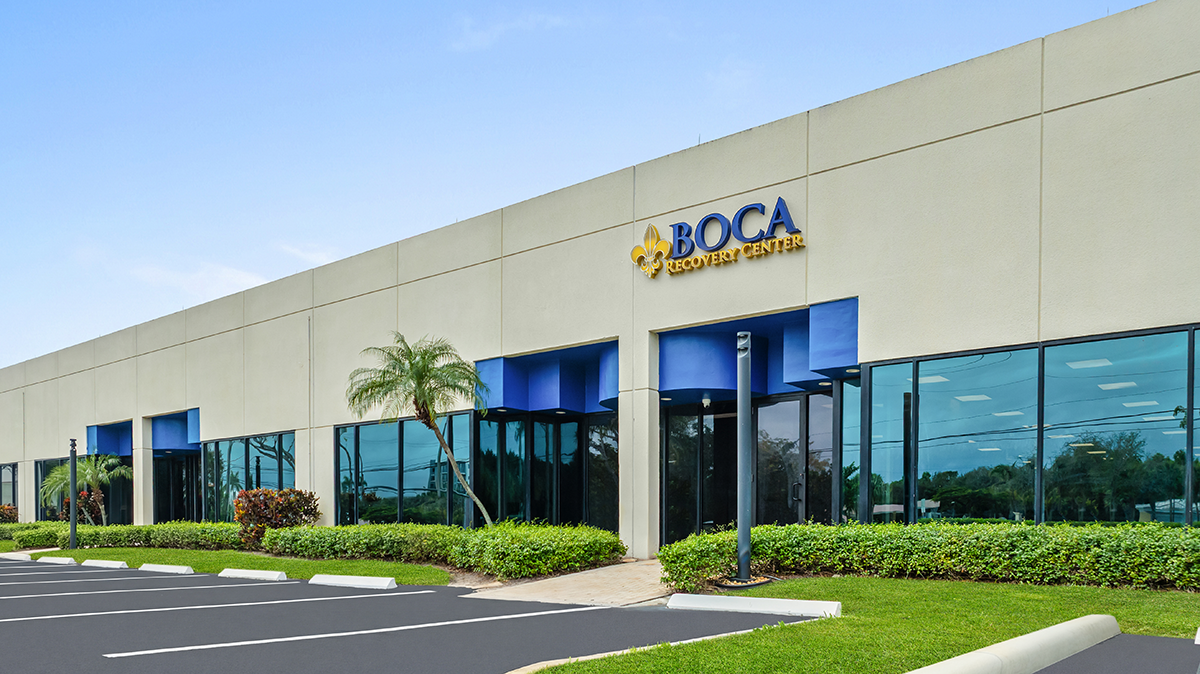
Boca Recovery Center – Alcohol & Drug Rehab Boca Raton
1
Top 10 Rehab In Boca Raton







































































































 Our Methodology


Private insurance refers to any kind of healthcare coverage that isn't from the state or federal government. This includes individual and family plans offered by an employer or purchased from the Insurance Marketplace. Every plan will have different requirements and out of pocket costs so be sure to get the full details before you start treatment.
Self-pay involves paying for treatment out of your own pocket. You can use savings or credit, get a personal loan, or receive help from family and friends to fund your treatment. If you don't have insurance or your insurance plan doesn't cover a specific program, self-pay can help ensure you still get the care you need.
Medicaid is a state based program that helps lower-income individuals and families pay for healthcare. Medicaid covers addiction treatment so those enrolled can use their coverage to pay for rehab. When a program accepts Medicaid the client often pays very little or nothing out of their own pocket.
Medicare is a federal program that provides health insurance for those 65 and older. It also serves people under 65 with chronic and disabling health challenges. To use Medicare for addiction treatment you need to find a program that accepts Medicare and is in network with your plan. Out of pocket costs and preauthorization requirements vary, so always check with your provider.
The first step of the recovery process involves the removal of all drugs and alcohol from your system while under 24/7 medical supervision. Known as a medically assisted detox, you are closely monitored by medical staff who can provide medications, if necessary, to help alleviate any potential withdrawal symptoms. Medical detox is usually followed by a period of inpatient addiction treatment.
Outpatient rehabs encompass multiple levels of care to facilitate clients' progress through their recovery journey. Clients who are stepping down from inpatient treatment may require intensive outpatient (IOP) treatment, which involves more frequent and substantive therapeutic interventions than does standard outpatient care. Outpatient centers typically provide extensive addiction counseling, including individual, group, and family therapy. Medication assisted treatment programs (MAT) and recovery-focused life skills training are also common in outpatient care.
When a person has alcohol use disorder (AUD), also referred to as alcoholism or alcohol addiction, they experience withdrawal symptoms when they stop drinking. This physical dependence results from overuse of alcohol, which may be used as a coping mechanism or escape. Individuals who have AUD can overcome the alcohol addiction through alcohol rehab in Florida. This treatment process involves essential therapy and supports to help the individual achieve and maintain recovery.
Drug rehab in Florida provides quality treatment to help individuals overcome dependency related to a wide range of addictive substances. Programs address both the physical and mental aspects of addiction in order to help you make a full recovery.
 Opioid Addiction
In Florida, substance abuse treatment focuses on treating mental health and substance use disorders concurrently to improve recovery outcomes and overall health. Levels of care include medical detox, outpatient, residential treatment, and intensive outpatient programs. Clinicians utilize evidence-based therapies such as dialectical behavioral therapy (DBT) or medication-assisted treatment, group therapy, and skills training activities. This comprehensive approach to treatment helps to ensure sustained recovery.
Therapists who apply cognitive behavioral therapy in Florida believe patient thoughts and behaviors are closely linked. They use this treatment method to help clients change their thought patterns so they can also change behaviors and break free from substance abuse.
Dialectical behavior therapy in Florida consists of individual therapy and group instruction. This structured program is a form of psychotherapy that incorporates the development of skills for managing emotions and relationships.

3290 NE 33rd St, Fort Lauderdale, FL 33308
Sponsored Helpline

Working with Dr Leeds has not only helped me through my taper process especially when I was so sick, which has been the hardest thing I’ve ever done in my entire life. He also just truly cares about the wellbeing of all his patients and has provided so much information on tapering that not only has he helped me so much I’ve learned even more about this whole process. I wouldn’t hesitate in contacting Dr Leeds if you are looking for a very compassionate physician who truly cares and keeps his patients safe. His staff is very helpful as well. Last thing I will say is he’s not just a Doctor, he has become almost like a friend. That’s the kind of person he is.

I have only just had my consultation and initial visit with Dr. Leeds but, I have to say, never in my life have I met such an open minded, caring, listening, and knowledgable Dr. for what he does. He is gentle, and takes his time in a way I thought was completely gone from todays medical world. He is always learning and practicing as well, and just has a calming presence about him that makes him perfect for the type of medicine he practices and for what people need. 6/5 stars for the staff Megan and Daisy always answering and being incredible as well. And bonus points for him pointing out to my high blood pressure that got me on the track to making sure I take care of that (which is not even his speciality but he really cared about it when he noticed). Thank you Dr. Leeds, Daisy and Megan. You are changing lives for the better with true care in mind.

Dr. Leeds came into my family's life when I had realized that half my family, including myself were on the wrong road. Thankfully, over the last few years all of that has changed. He's a great doctor who listens and takes great care of you. Don't hesitate to call.

My husband has been using Dr. Leeds for six or so years now. There is every good reason for that! The care he receives is exceptional. Dr. Leeds is very knowledgeable and truly gets to the depths of issues. Very much professional and yet has a sense of humor that makes him so personable and relatable which stands out from most doctors these days. I can confidently say he has helped my husband and for that we are able to enjoy life and just live. Most highly recommend
 Back
Back
Sharing your insights and experiences can help others learn more about this rehab center.