
















































































































If you are looking somewhere safe and sound to begin your journey into sobriety, then this is the place! Food is great, the staff cares about each patient. All my worries and doubts were laid to rest almost immediately when I walked through the door and talked for the first ...
About Maryland House Detox
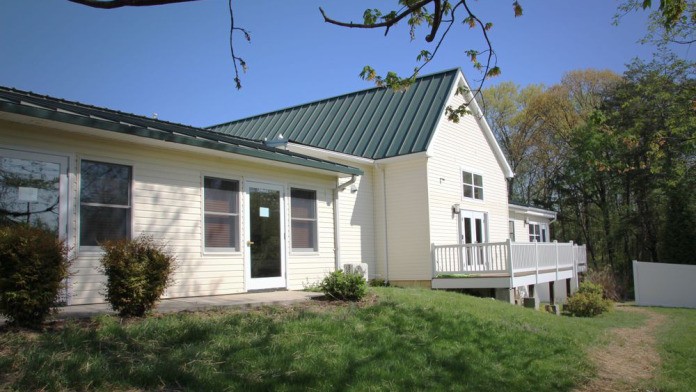
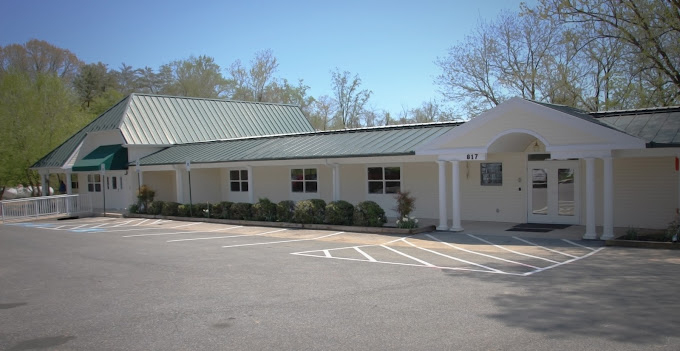
Maryland House Detox in Linthicum Heights, Maryland, was a facility that provided addiction treatment for adults. They’re closed now, but this facility offered detox services and assistance with determining the next appropriate level of care. They accepted Medicaid and other health insurance options for payment of services.
On Demand Detox Treatment Services
Clients who needed assistance with getting through the withdrawal process could receive immediate support from the facility. Maryland House Detox would evaluate the health and drug use history of the client. Based on the information provided, the facility created a customized four to seven day detox program that would fit the needs of their patients.
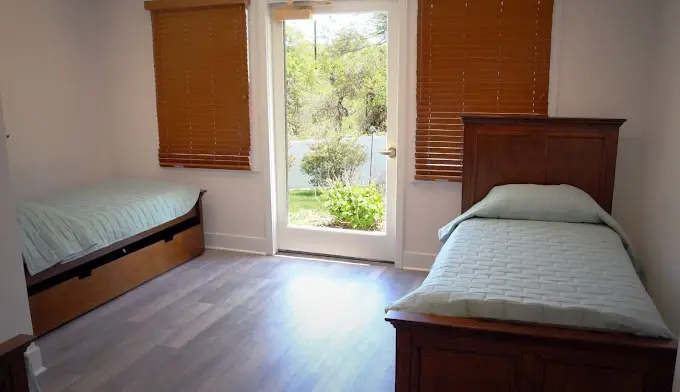
Common symptoms that patients may have experienced during their withdrawal include fatigue, muscle tension, irritability, and insomnia. The staff administered and monitored the dosage of medication used to prevent dangerous complications and alleviate uncomfortable symptoms. Individuals would be provided a safe environment and work with fully accredited medical professionals.
Assistance With Post Detox Care
The facility understood that long term recovery would require additional care after a client had completed detox. The clinical team evaluated the needs of their patients to help them determine the best treatment to pursue following detox. Maryland House Detox worked with various national and local drug and alcohol addiction treatment providers that they could connect their clients to.
With the facility located in Linthicum Heights, it was conveniently close to the Baltimore/Washington International Thurgood Marshall Airport. In one of the reviews of this facility, a reviewer described the staff as helpful in giving them an understanding of the withdrawal process.
Fact checked and written by:
Eric Owens
Edited by:
Courtney Myers, MS
Latest Reviews
This place is pretty nice, the food is great & MOST of the BHT’s are kind & caring & most of the other staff is pretty great as well but I asked a specific employee about referring me to another facility & I’m still waiting…. Never heard back! I will say this was my first time going to a medical detox & I wish more reviews would speak to this because this could just be how every place is but it’s definitely not individualized. The first night I was dying & almost immediately was told I had taken all they could give me but then as the days went on I found out there were other medications that probably would have helped if I had been saying the right things. I didn’t know anything about comfort meds or what does which for withdrawal so I wish they had been a little more caring & proactive in educating those who aren’t familiar with the process. Now it seemed as if most people had been there & to other facilities several times & they knew what to do & say to get what they needed. It’s definitely not as wonderful as they make it out to be but definitely better than doing it alone with nothing!
This was my first experience in an inpatient program and I was terrified. Staff were pretty welcoming and made me feel comfortable with relatable conversations and humor. The food was also pretty good and I am usually picky! I have learned a lot from the staff at MHD and will never forget it
Response from the owner4 months ago
Hi Alandra, thank you so much for sharing your experience!
Unless you have $7500 don’t bother, because your insurance is not welcome here.

Rehab Score
 Our Methodology
Scoring is assigned by a proprietary system which helps surface key metrics that determine quality. The 10-point scale factors in categories such as operations, customer satisfaction, and trust metrics. Read Full Methodology

7.3 / 10
Gallery

Other Forms of Payment
Self-pay involves paying for treatment out of your own pocket. You can use savings or credit, get a personal loan, or receive help from family and friends to fund your treatment. If you don't have insurance or your insurance plan doesn't cover a specific program, self-pay can help ensure you still get the care you need.
Private insurance refers to any kind of healthcare coverage that isn't from the state or federal government. This includes individual and family plans offered by an employer or purchased from the Insurance Marketplace. Every plan will have different requirements and out of pocket costs so be sure to get the full details before you start treatment.
Financial aid can take many forms. Centers may have grants or scholarships available to clients who meet eligibility requirements. Programs that receive SAMHSA grants may have financial aid available for those who need treatment as well. Grants and scholarships can help you pai for treatment without having to repay.
Addiction Treatments
Levels of Care
Residential treatment programs are those that offer housing and meals in addition to substance abuse treatment. Rehab facilities that offer residential treatment allow patients to focus solely on recovery, in an environment totally separate from their lives. Some rehab centers specialize in short-term residential treatment (a few days to a week or two), while others solely provide treatment on a long-term basis (several weeks to months). Some offer both, and tailor treatment to the patient's individual requirements.
Drug and alcohol addiction often takes a heavy toll on one's body. Over time, a physical dependence can develop, meaning the body physiologically needs the substance to function. Detox is the process of removing drugs and/or alcohol from the body, a process that can be lethal if mismanaged. Medical detox is done by licensed medical professionals who monitor vital signs and keep you safe, healthy, and as comfortable as possible as you go through detox and withdrawal.
Completing a drug or alcohol rehab program shouldn't spell the end of substance abuse treatment. Aftercare involves making a sustainable plan for recovery, including ongoing support. This can include sober living arrangements like halfway houses, career counseling, and setting a patient up with community programs like Alcoholics Anonymous (AA) or Narcotics Anonymous (NA).
Treatments
The goal of treatment for alcoholism is abstinence. Those with poor social support, poor motivation, or psychiatric disorders tend to relapse within a few years of treatment. For these people, success is measured by longer periods of abstinence, reduced use of alcohol, better health, and improved social functioning. Recovery and Maintenance are usually based on 12 step programs and AA meetings.
Once a person has become addicted to a substance, drug rehab in Maryland is often necessary to overcome that addiction. These programs provide the tools individuals need to manage the physical, mental, and emotional issues involved and begin a successful recovery journey.
Opioid rehabs specialize in supporting those recovering from opioid addiction. They treat those suffering from addiction to illegal opioids like heroin, as well as prescription drugs like oxycodone. These centers typically combine both physical as well as mental and emotional support to help stop addiction. Physical support often includes medical detox and subsequent medical support (including medication), and mental support includes in-depth therapy to address the underlying causes of addiction.
Substance rehabs focus on helping individuals recover from substance abuse, including alcohol and drug addiction (both illegal and prescription drugs). They often include the opportunity to engage in both individual as well as group therapy.
Programs
Adult rehab programs include therapies tailored to each client's specific needs, goals, and recovery progress. They are tailored to the specific challenges adult clients may face, including family and work pressures and commitments. From inpatient and residential treatment to various levels of outpatient services, there are many options available. Some facilities also help adults work through co-occurring conditions, like anxiety, that can accompany addiction.
Young adulthood can be an exciting, yet difficult, time of transition. Individuals in their late teens to mid-20s face unique stressors related to school, jobs, families, and social circles, which can lead to a rise in substance use. Rehab centers with dedicated young adult programs will include activities and amenities that cater to this age group, with an emphasis on specialized counseling, peer socialization, and ongoing aftercare.
Clinical Services
Group therapy is any therapeutic work that happens in a group (not one-on-one). There are a number of different group therapy modalities, including support groups, experiential therapy, psycho-education, and more. Group therapy involves treatment as well as processing interaction between group members.
In individual therapy, a patient meets one-on-one with a trained psychologist or counselor. Therapy is a pivotal part of effective substance abuse treatment, as it often covers root causes of addiction, including challenges faced by the patient in their social, family, and work/school life.
Nutrition therapy, aka medical nutrition therapy (MNT), is a way of treating physical, emotional, and medical conditions through diet. Specific dietary plans are designed by professional nutritionists or registered dietitians, and patients follow them in order to positively affect their physical and mental health.
Amenities
-
 Private Setting
Accreditations

The Joint Commission, formerly known as JCAHO, is a nonprofit organization that accredits rehab organizations and programs. Founded in 1951, the Joint Commision's mission is to improve the quality of patient care and demonstrating the quality of patient care.
Joint Commission Accreditation: Yes

LegitScript has reviewed Maryland House Detox as part of their certification program, and has determined that it meets the LegitScript standards for legality, safety and transparency.
LegitScript verified in August 2020

State Licenses are permits issued by government agencies that allow rehab organizations to conduct business legally within a certain geographical area. Typically, the kind of program a rehab facility offers, along with its physical location, determines which licenses are required to operate legally.
State License: Maryland
License Number: BH001561

