






























































































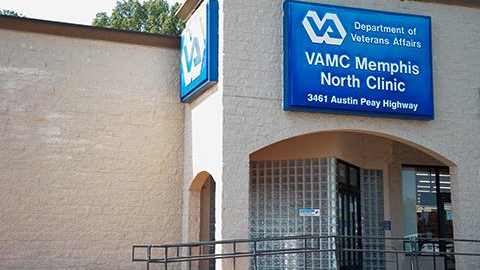
I was hopeless before getting to know VAMC and what they did was amazing, they made my hope grow like I would never imagine. That was the first step for me to be able to recover and after that everything seemed easier.
About Covington (North) VA Clinic
The Covington (North) VA Clinic is a substance use treatment and mental health clinic in Memphis, Tennessee serving Veterans through outpatient addiction care and behavioral health services.
As part of the VA Memphis Health Care system the clinic provides support for Veterans working to stop using drugs or alcohol and rebuild a healthy lifestyle.
Treatment is grounded in evidence based therapies and a Veteran centered approach that addresses both addiction and co-occurring mental health conditions.
Addiction and Mental Health Programs at Covington VA Clinic
The clinic offers outpatient substance use disorder treatment designed to help Veterans reduce or stop using drugs and alcohol. For those in immediate distress, same-day crisis support is available and telehealth services provide flexible access for Veterans.
Mental health services address conditions commonly co-occurring with addiction including PTSD, depression, and anxiety.
Care teams deliver evidence-based counseling and therapy to help Veterans manage both substance use and underlying mental health challenges at the same time.
Key Facts: Covington VA Clinic in Memphis, TN
- Levels of care: Outpatient substance use treatment and outpatient mental health services.
- Who they serve: Veterans of the U.S. military.
- Approach: Evidence-based therapies and counseling for addiction and co-occurring conditions such as PTSD.
- Telehealth: Remote care options available for Veterans unable to attend in person.
- Payment: VA benefits-based care through the Memphis VA Health Care system.
Latest Reviews
Bad parking location. But, great staff and patient accommodations.
Prompt, efficient, and friendly staff. Dr. Farooq is an excellent primary care physician. The staff is efficient and provide quality care.
I went in for labs. Staff was super friendly and very efficient. The area around is sketchy but if you can get past that, it is a convenient location if downtown is too far.

Rehab Score
 Our Methodology
Scoring is assigned by a proprietary system which helps surface key metrics that determine quality. The 10-point scale factors in categories such as operations, customer satisfaction, and trust metrics. Read Full Methodology

7 / 10
Gallery
Accepted Insurance

Bright Health

QualChoice
Other Forms of Payment
Private insurance refers to any kind of healthcare coverage that isn't from the state or federal government. This includes individual and family plans offered by an employer or purchased from the Insurance Marketplace. Every plan will have different requirements and out of pocket costs so be sure to get the full details before you start treatment.
Self-pay involves paying for treatment out of your own pocket. You can use savings or credit, get a personal loan, or receive help from family and friends to fund your treatment. If you don't have insurance or your insurance plan doesn't cover a specific program, self-pay can help ensure you still get the care you need.
Financial aid can take many forms. Centers may have grants or scholarships available to clients who meet eligibility requirements. Programs that receive SAMHSA grants may have financial aid available for those who need treatment as well. Grants and scholarships can help you pai for treatment without having to repay.
Military members, veterans, and eligible dependents have access to specific insurance programs that help them get the care they need. TRICARE and VA insurance can help you access low cost or no cost addiction and mental health treatment. Programs that accept military insurance often have targeted treatment focused on the unique challenges military members, veterans, and their families face.
Addiction Treatments
Levels of Care
Outpatient Programs (OP) are for those seeking mental rehab or drug rehab, but who also stay at home every night. The main difference between outpatient treatment (OP) and intensive outpatient treatment (IOP) lies in the amount of hours the patient spends at the facility. Most of the time an outpatient program is designed for someone who has completed an inpatient stay and is looking to continue their growth in recovery. Outpatient is not meant to be the starting point, it is commonly referred to as aftercare.
Residential treatment programs are those that offer housing and meals in addition to substance abuse treatment. Rehab facilities that offer residential treatment allow patients to focus solely on recovery, in an environment totally separate from their lives. Some rehab centers specialize in short-term residential treatment (a few days to a week or two), while others solely provide treatment on a long-term basis (several weeks to months). Some offer both, and tailor treatment to the patient's individual requirements.
Clients receiving support in a rehab aftercare program typically have abstained from drugs or alcohol for a period of weeks or months and have completed high-level (often inpatient) treatment. Drug rehab aftercare is designed to support clients in maintaining their sobriety as they re-engage with their ordinary lives at home, in the workplace, and in the community. Services are highly individualized and evolve with clients' changing needs, but generally include peer coaching and relapse prevention.
At certain points in the recovery process, it's important to have support available 24/7. 24-hour clinical care offers a safe environment in which to recover from drug or alcohol addiction in peace, knowing medical detox and other treatment will happen with professionals on hand.
Drug and alcohol addiction often takes a heavy toll on one's body. Over time, a physical dependence can develop, meaning the body physiologically needs the substance to function. Detox is the process of removing drugs and/or alcohol from the body, a process that can be lethal if mismanaged. Medical detox is done by licensed medical professionals who monitor vital signs and keep you safe, healthy, and as comfortable as possible as you go through detox and withdrawal.
Treatments
Many of those suffering from addiction also suffer from mental or emotional illnesses like schizophrenia, bipolar disorder, depression, or anxiety disorders. Rehab and other substance abuse facilities treating those with a dual diagnosis or co-occurring disorder administer psychiatric treatment to address the person's mental health issue in addition to drug and alcohol rehabilitation.
Mental health rehabs focus on helping individuals recover from mental illnesses like bipolar disorder, clinical depression, anxiety disorders, schizophrenia, and more. Mental health professionals at these facilities are trained to understand and treat mental health issues, both in individual and group settings.
Programs
Adult rehab programs include therapies tailored to each client's specific needs, goals, and recovery progress. They are tailored to the specific challenges adult clients may face, including family and work pressures and commitments. From inpatient and residential treatment to various levels of outpatient services, there are many options available. Some facilities also help adults work through co-occurring conditions, like anxiety, that can accompany addiction.
Young adulthood can be an exciting, yet difficult, time of transition. Individuals in their late teens to mid-20s face unique stressors related to school, jobs, families, and social circles, which can lead to a rise in substance use. Rehab centers with dedicated young adult programs will include activities and amenities that cater to this age group, with an emphasis on specialized counseling, peer socialization, and ongoing aftercare.
Clinical Services
Typical cognitive behavioral therapy in Tennessee involves recognizing negative thinking and learning techniques to change that thinking and create new, positive behaviors. Strategies may include SMART goals, journaling, and situation exposure.
Group therapy is any therapeutic work that happens in a group (not one-on-one). There are a number of different group therapy modalities, including support groups, experiential therapy, psycho-education, and more. Group therapy involves treatment as well as processing interaction between group members.
In individual therapy, a patient meets one-on-one with a trained psychologist or counselor. Therapy is a pivotal part of effective substance abuse treatment, as it often covers root causes of addiction, including challenges faced by the patient in their social, family, and work/school life.
Trauma therapy addresses traumatic incidents from a client's past that are likely affecting their present-day experience. Trauma is often one of the primary triggers and potential causes of addiction, and can stem from child sexual abuse, domestic violence, having a parent with a mental illness, losing one or both parents at a young age, teenage or adult sexual assault, or any number of other factors. The purpose of trauma therapy is to allow a patient to process trauma and move through and past it, with the help of trained and compassionate mental health professionals.
Whether a marriage or other committed relationship, an intimate partnership is one of the most important aspects of a person's life. Drug and alcohol addiction affects both members of a couple in deep and meaningful ways, as does rehab and recovery. Couples therapy and other couples-focused treatment programs are significant parts of exploring triggers of addiction, as well as learning how to build healthy patterns to support ongoing sobriety.
Research clearly demonstrates that recovery is far more successful and sustainable when loved ones like family members participate in rehab and substance abuse treatment. Genetic factors may be at play when it comes to drug and alcohol addiction, as well as mental health issues. Family dynamics often play a critical role in addiction triggers, and if properly educated, family members can be a strong source of support when it comes to rehabilitation.
Life skills trainings involve all the skills a person must have in order to function successfully in the world. These include time management, career guidance, money management, and effective communication. Truly successful addiction recovery is based on the ability to not only live substance-free, but to thrive. Life skills teaches the practical necessities of functioning in society, which sets clients up for success in life, and therefore sobriety.
Many individuals who are experiencing addiction are extremely malnourished. This is due to negative patterns that develop during active addiction. Nutrition therapy helps break these negative patterns and teaches you to develop healthy ones that will help you sustain sobriety long term.
Experiential therapy is a form of therapy in which clients are encouraged to surface and work through subconscious issues by engaging in real-time experiences. Experiential therapy departs from traditional talk therapy by involving the body, and having clients engage in activities, movements, and physical and emotional expression. This can involve role-play or using props (which can include other people). Experiential therapy can help people process trauma, memories, and emotion quickly, deeply, and in a lasting fashion, leading to substantial and impactful healing.
Nicotine Replacement Therapy (NRT) is a way of getting nicotine into the bloodstream without smoking. It uses products that supply low doses of nicotine to help people stop smoking. The goal of therapy is to cut down on cravings for nicotine and ease the symptoms of nicotine withdrawal.
Amenities
-
 Private Setting
Staff & Accreditations
Staff
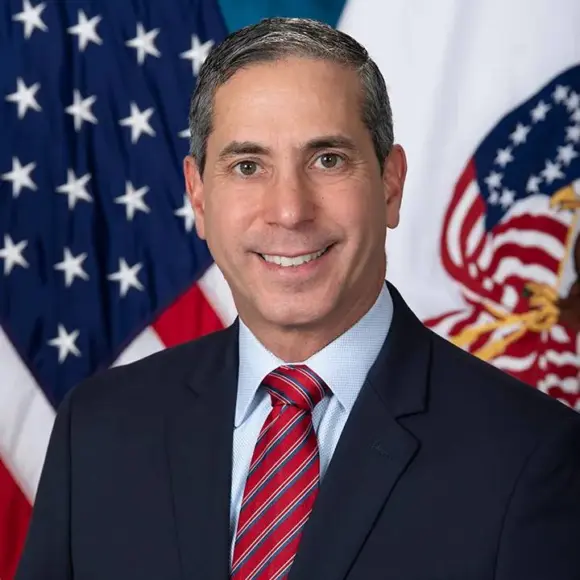
Jaime Areizaga-Soto
Chairman of the Board of Veterans’ Appeals
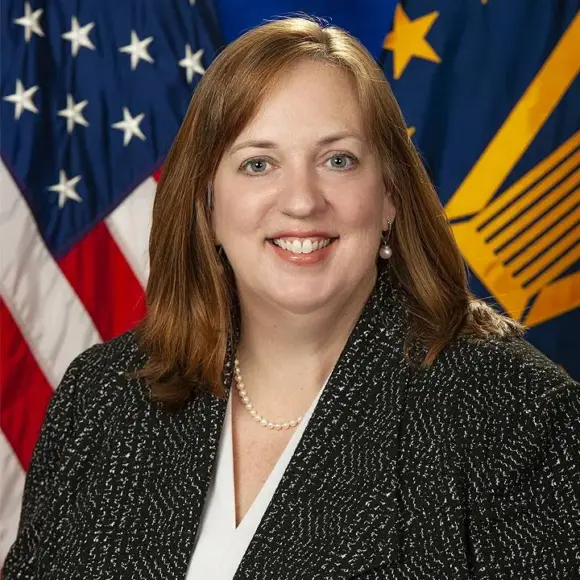
Margaret “Meg” Kabat
VA Chief of Staff

Edward J. Murray
Principal Deputy Assistant Secretary for Management & Deputy CFO

Michael D. Parrish, PhD
Chief Acquisition Officer & Principal Executive Director
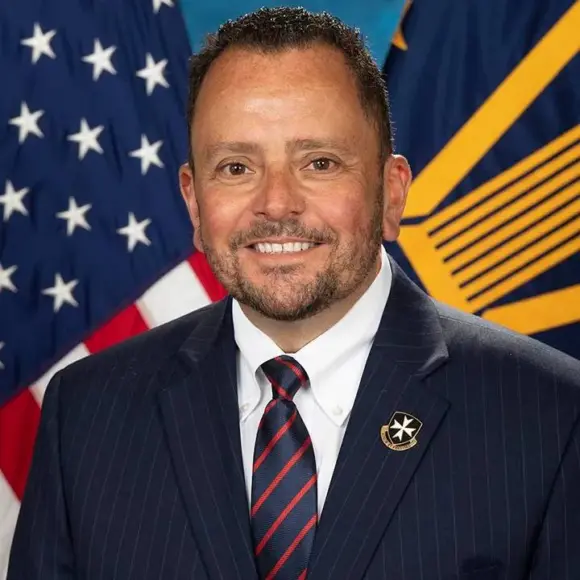
James Albino
Director, Center for Minority Veterans
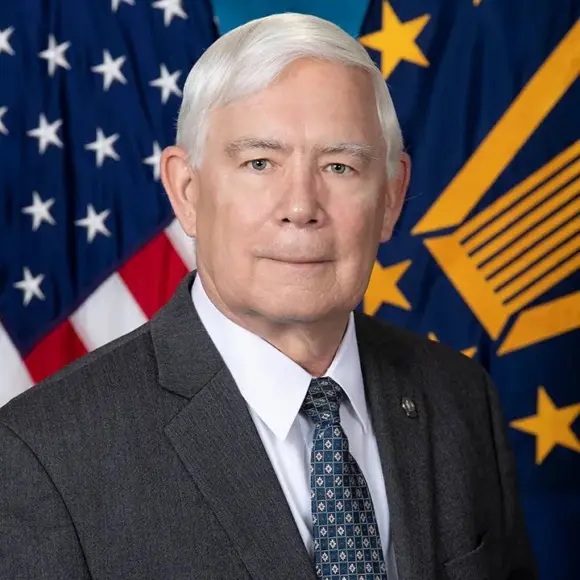
John Becker, MHA, LFACHE, FEHFI
Chief Facilities Strategy Officer
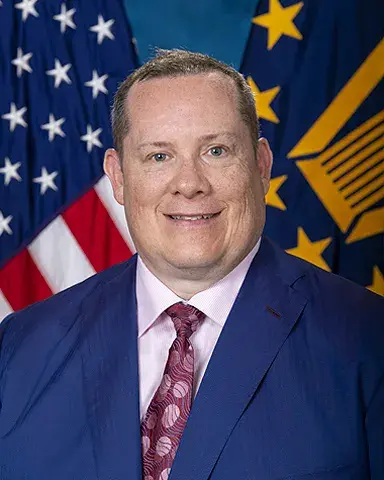
John E. Bell III
Executive Director, Loan Guaranty Service
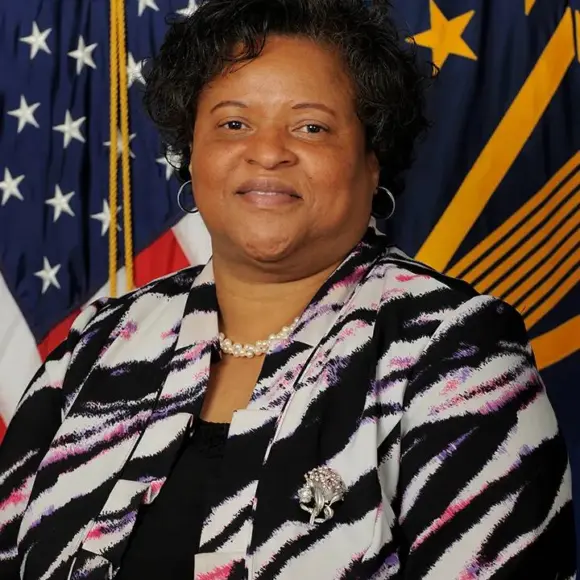
Angela Billups, Ph.D.
Executive Director
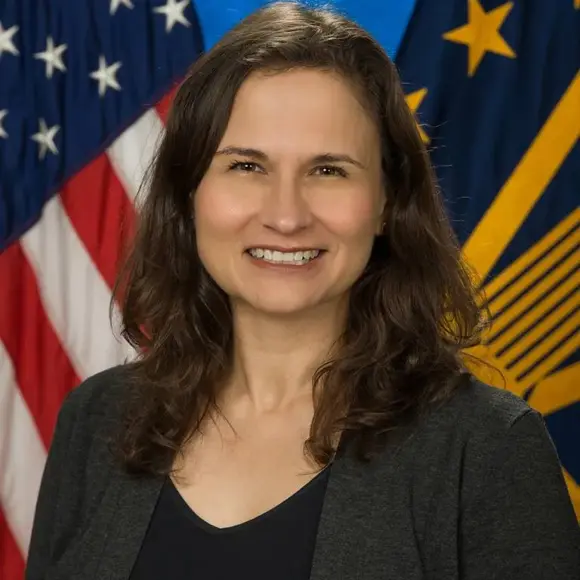
Stephanie Birdwell
Executive Director, Office of Tribal Government Relations
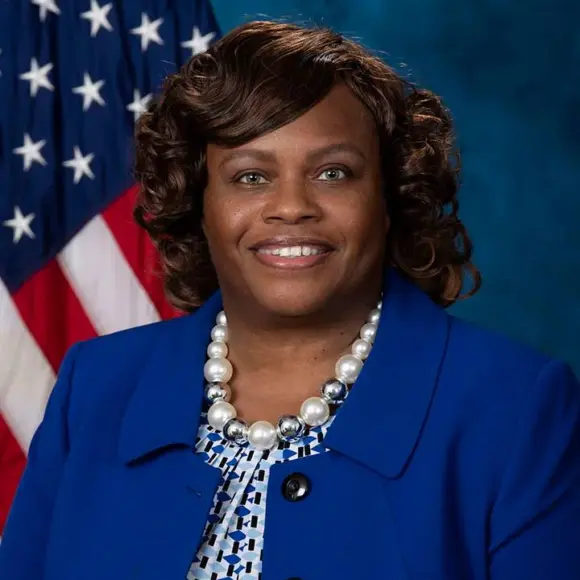
Mary Bradford
Deputy Director, Center for Women Veterans
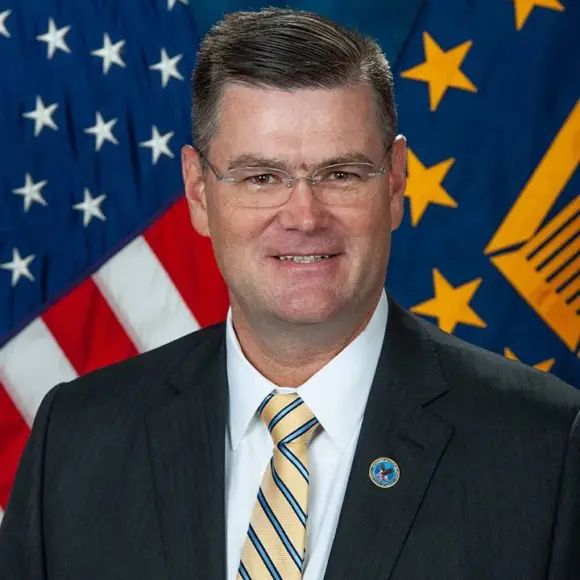
Michael D. Brennan, Ph.D.
Executive Director

Marilyn Brower
Deputy Executive Director, Office of Asset Enterprise Management
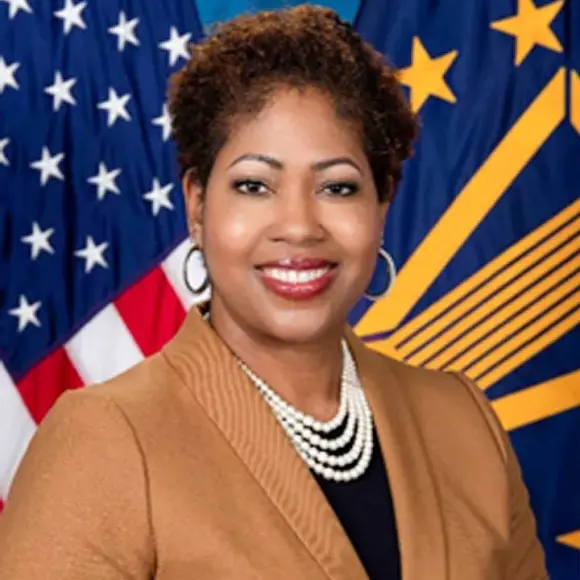
Valerie Mattison Brown, MS, MPA, FACHE
Chief Strategy Officer for the Veterans Health Administration (VHA)
Accreditations

The Commission on Accreditation of Rehabilitation Facilities (CARF) is a non-profit organization that specifically accredits rehab organizations. Founded in 1966, CARF's, mission is to help service providers like rehab facilities maintain high standards of care.
CARF Accreditation: Yes

The Joint Commission, formerly known as JCAHO, is a nonprofit organization that accredits rehab organizations and programs. Founded in 1951, the Joint Commision's mission is to improve the quality of patient care and demonstrating the quality of patient care.
Joint Commission Accreditation: Yes
Accreditation Number: 2399
Rehab.com regularly reviews this listing for accuracy but changes may occur between updates. For the most up-to-date information, please contact Covington (North) VA Clinic.
Contact Information

3461 Austin Peay Highway
Memphis, TN 38128
Get Help Now - 901-557-9885
Sponsored Helpline
Sponsored Helpline


