































































































I went through this program years ago great program I was made to go through for parole however I was clean and sober but relapsed in the last 4 years and wanted to get help i filled out their application on line for in patient treatment and they called me back and basically ...
About Mending Hearts
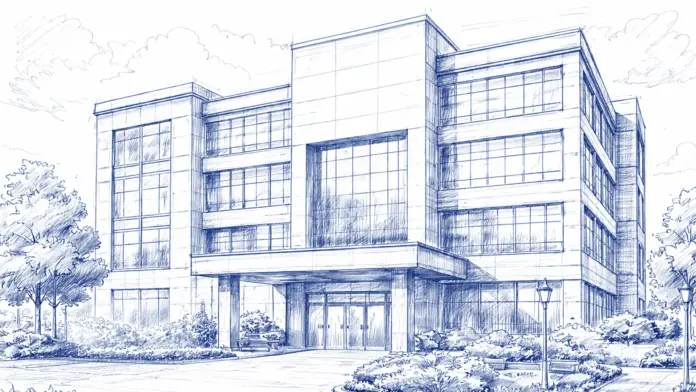
Mending Hearts is a women’s addiction treatment center in Nashville, Tennessee offering a full continuum of care for women seeking recovery from substance use disorders and co-occurring mental health conditions.
Programs range from medical detox and residential treatment to partial hospitalization, intensive outpatient and long term recovery housing.
The mission centers on community based support that helps women rebuild their lives, develop life skills and maintain lasting sobriety.
Levels of Support
Mending Hearts provides a structured pathway that can begin with medical detox and progress through residential treatment and partial hospitalization, intensive outpatient and outpatient programming.
This continuum allows women to receive the right level of support at each stage of their recovery journey.
Throughout all levels of care, clients participate in counseling, as well as parenting classes and life skills development. The program takes a trauma informed approach and addresses co-occurring mental health disorders alongside substance use.
What to Know
- Location: 1002 44th Avenue North in Nashville, Tennessee
- Levels of care: Medical detox and residential treatment, PHP and IOP, outpatient and recovery housing
- Who they serve: Women ages 18 and older including pregnant women and mothers with children
- Approach: Trauma informed care addressing substance use disorders and co-occurring mental health conditions
- Specialty services: Parenting classes, family counseling and life skills programming
Latest Reviews
The staff here is amazing and loving. They've been in the situations we come from. I'm happy and proud to be an alumni. These women are a special breed. Thank you for everything you taught me.
This place saved my life ❤️ I was there for one year and had some of the best experiences of my life. I learned how to be responsible, respectful, I learned coping skills… and here I am 2 years still clean and happier than I’ve ever been ❤️❤️. Highly recommend mending hearts 💕
greatest program yet! I accomplished so much in just little time , everyone gave a helping hand when needed , a program where Mother's and Singles actually stick together! If I recommended anyone who's ready to pull their life together Mending Hearts is the place to be!!

Rehab Score
 Our Methodology
Scoring is assigned by a proprietary system which helps surface key metrics that determine quality. The 10-point scale factors in categories such as operations, customer satisfaction, and trust metrics. Read Full Methodology

7 / 10
Gallery
Other Forms of Payment
Private insurance refers to any kind of healthcare coverage that isn't from the state or federal government. This includes individual and family plans offered by an employer or purchased from the Insurance Marketplace. Every plan will have different requirements and out of pocket costs so be sure to get the full details before you start treatment.
Financial aid can take many forms. Centers may have grants or scholarships available to clients who meet eligibility requirements. Programs that receive SAMHSA grants may have financial aid available for those who need treatment as well. Grants and scholarships can help you pai for treatment without having to repay.
Addiction Treatments
Levels of Care
Outpatient Programs (OP) are for those seeking mental rehab or drug rehab, but who also stay at home every night. The main difference between outpatient treatment (OP) and intensive outpatient treatment (IOP) lies in the amount of hours the patient spends at the facility. Most of the time an outpatient program is designed for someone who has completed an inpatient stay and is looking to continue their growth in recovery. Outpatient is not meant to be the starting point, it is commonly referred to as aftercare.
Residential Treatment consists of two phases. Phase 1: Residents entering the program are introduced to a culture of accountability for themselves and their peers. Groups and classes consist of : self-care, trauma/seeking safety, self-esteem, GED/computer/resume classes, campus NA/AA meetings, financial planning, criminal thinking group and re-entry program. Phase 2: Residents at this level begin implementing the life skills taught in Phase 1. Continued education and recovery support is provided through group support and relapse prevention strategies, all while residents are working, saving money and repairing/building relationships with their children an family.
This program focuses on the individual needs of clients by involvement in the following therapeutic processes: individual and group therapy, family seminar, addiction/co-occurring education lectures, experiential and skill building groups, Seeking Safety and Self-Help Programs’ involvement.
12-step programs are addiction recovery models based on Alcoholics Anonymous (AA). A number of substance abuse programs (including some drug and alcohol rehab centers) use the 12 steps as a basis for treatment. Beginning steps involve admitting powerlessness over the addiction and creating a spiritual basis for recovery. Middle steps including making direct amends to those who've been hurt by the addiction, and the final step is to assist others in addiction recovery in the same way. 12-Step offshoots including Narcotics Anonymous (NA), Cocaine Anonymous (CA), Dual Recovery Anonymous (DRA), Sex and Love Addicts Anonymous (SLAA) and Gamblers Anonymous (GA).
A partial hospitalization program (PHP) is an intensive outpatient option for those with moderate to severe addictions, allowing you to return home at the end of the day. It can be an alternative to hospitalization or used as a step-down option. PHP treatment requires a minimum of 20 hours of treatment per week for an average of 90 days. Depending on your needs, PHP treatment includes relapse prevention, medication management, and behavioral therapy services. PHP treatment is often covered by providers.
Drug and alcohol addiction often takes a heavy toll on one's body. Over time, a physical dependence can develop, meaning the body physiologically needs the substance to function. Detox is the process of removing drugs and/or alcohol from the body, a process that can be lethal if mismanaged. Medical detox is done by licensed medical professionals who monitor vital signs and keep you safe, healthy, and as comfortable as possible as you go through detox and withdrawal.
Treatments
The goal of treatment for alcoholism is abstinence. Those with poor social support, poor motivation, or psychiatric disorders tend to relapse within a few years of treatment. For these people, success is measured by longer periods of abstinence, reduced use of alcohol, better health, and improved social functioning. Recovery and Maintenance are usually based on 12 step programs and AA meetings.
When your day-to-day life is taken over by drug use, this is known as substance use disorder. If you abruptly stop using your drug of choice, you experience withdrawal symptoms. To overcome this cycle, professional drug rehab in Tennessee is usually needed.
Many of those suffering from addiction also suffer from mental or emotional illnesses like schizophrenia, bipolar disorder, depression, or anxiety disorders. Rehab and other substance abuse facilities treating those with a dual diagnosis or co-occurring disorder administer psychiatric treatment to address the person's mental health issue in addition to drug and alcohol rehabilitation.
Substance rehabs focus on helping individuals recover from substance abuse, including alcohol and drug addiction (both illegal and prescription drugs). They often include the opportunity to engage in both individual as well as group therapy.
Programs
Adult rehab programs include therapies tailored to each client's specific needs, goals, and recovery progress. They are tailored to the specific challenges adult clients may face, including family and work pressures and commitments. From inpatient and residential treatment to various levels of outpatient services, there are many options available. Some facilities also help adults work through co-occurring conditions, like anxiety, that can accompany addiction.
Young adulthood can be an exciting, yet difficult, time of transition. Individuals in their late teens to mid-20s face unique stressors related to school, jobs, families, and social circles, which can lead to a rise in substance use. Rehab centers with dedicated young adult programs will include activities and amenities that cater to this age group, with an emphasis on specialized counseling, peer socialization, and ongoing aftercare.
Clinical Services
Group therapy is any therapeutic work that happens in a group (not one-on-one). There are a number of different group therapy modalities, including support groups, experiential therapy, psycho-education, and more. Group therapy involves treatment as well as processing interaction between group members.
In individual therapy, a patient meets one-on-one with a trained psychologist or counselor. Therapy is a pivotal part of effective substance abuse treatment, as it often covers root causes of addiction, including challenges faced by the patient in their social, family, and work/school life.
Trauma therapy addresses traumatic incidents from a client's past that are likely affecting their present-day experience. Trauma is often one of the primary triggers and potential causes of addiction, and can stem from child sexual abuse, domestic violence, having a parent with a mental illness, losing one or both parents at a young age, teenage or adult sexual assault, or any number of other factors. The purpose of trauma therapy is to allow a patient to process trauma and move through and past it, with the help of trained and compassionate mental health professionals.
Research clearly demonstrates that recovery is far more successful and sustainable when loved ones like family members participate in rehab and substance abuse treatment. Genetic factors may be at play when it comes to drug and alcohol addiction, as well as mental health issues. Family dynamics often play a critical role in addiction triggers, and if properly educated, family members can be a strong source of support when it comes to rehabilitation.
A wide range of therapeutic methods fall under the category of experiential therapy. Examples include drama therapy, animal assisted therapy, wilderness therapy, music therapy, and martial arts. Each of these offers an experience that allows the individual to express themselves and work through their emotions and experiences.
Amenities
-
 Residential Setting
 -
 Private Rooms
Staff & Accreditations
Staff

Katrina Frierson
Founding-CEO/President

Heather McBee
Executive Director

Dr. Vincent Morelli, M.D.
Medical Director

Tracie Hinson
COO
Yolanda Maness, LPC, LADAC II, QCS
Clinical Director
Accreditations

The Commission on Accreditation of Rehabilitation Facilities (CARF) is a non-profit organization that specifically accredits rehab organizations. Founded in 1966, CARF's, mission is to help service providers like rehab facilities maintain high standards of care.
CARF Accreditation: Yes
Rehab.com regularly reviews this listing for accuracy but changes may occur between updates. For the most up-to-date information, please contact Mending Hearts.
Contact Information

1002 44th Ave N
Nashville, TN 37209
Get Help Now - 615-437-0407
Sponsored Helpline
Sponsored Helpline


