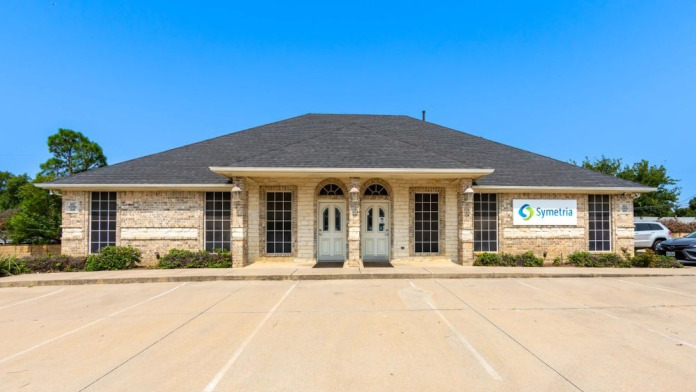
Symetria — Hurst Outpatient Rehab & Suboxone Clinic
1
Top 10 Rehab Centers In Hurst



















































































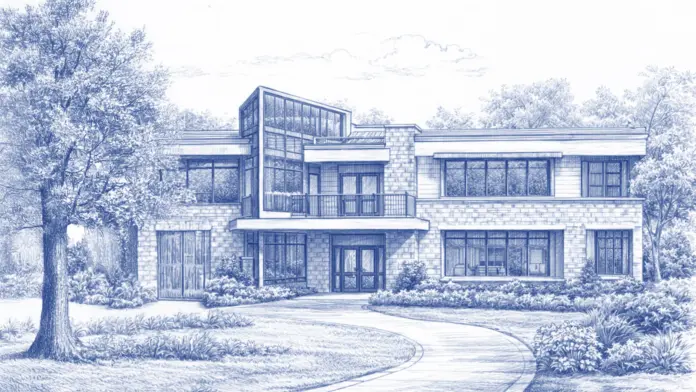
Sanctuary Louisiana, in Iowa, Louisiana, is a 12 step focused, residential addiction recovery center for adult men providing dual diagnosis care, services for justice involved clients, intensive inpatient programming, and aftercare planning and support.
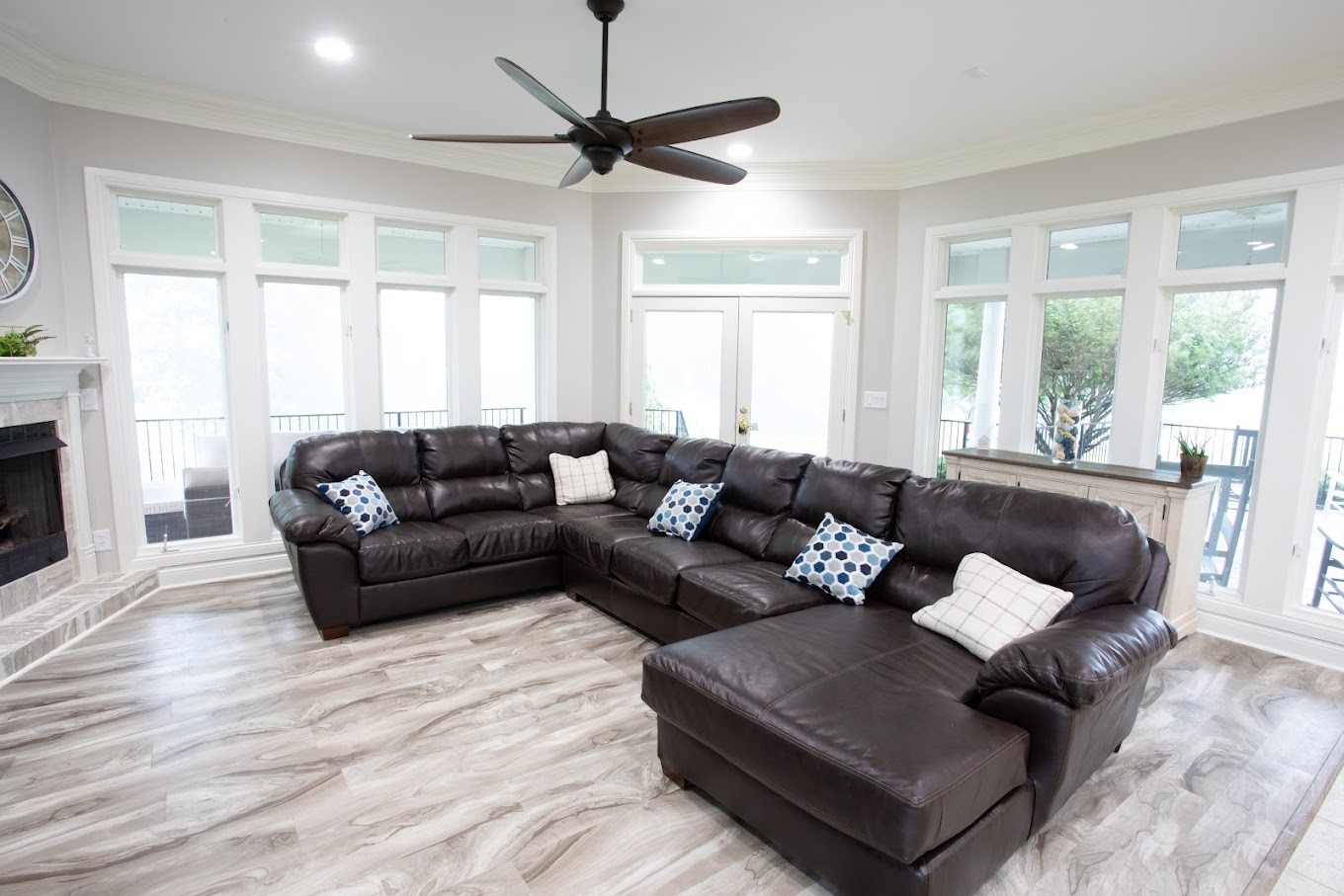
The inpatient program at Sanctuary Louisiana allows clients to focus on their recovery in a private, home like environment with premium amenities, including a wilderness setting and hiking trails. Clients receive medical and mental health assessments, individualized treatment plans, and comprehensive case management. Clients also engage in intensive, trauma informed individual, group, and family counseling. Recovery focused life skills training, including courses in coping, self care, wellness, anger and stress management, and relapse prevention, is prioritized.
Sanctuary Louisiana promotes clients’ successful reintegration into their families, home, workplace, and community through robust aftercare support. Their strong continuum of care includes step down outpatient treatment aligned with clients’ evolving needs. Levels of care include intensive outpatient (IOP), standard outpatient, and sober living programs. Peer coaching, career counseling, and referrals for medical, mental health, and social service programs are available.
Sanctuary Louisiana is CARF accredited. They accept private insurance, Medicaid, and self pay.
 40
40 
 Our Methodology



Private insurance refers to any kind of healthcare coverage that isn't from the state or federal government. This includes individual and family plans offered by an employer or purchased from the Insurance Marketplace. Every plan will have different requirements and out of pocket costs so be sure to get the full details before you start treatment.
Self-pay involves paying for treatment out of your own pocket. You can use savings or credit, get a personal loan, or receive help from family and friends to fund your treatment. If you don't have insurance or your insurance plan doesn't cover a specific program, self-pay can help ensure you still get the care you need.
Medicaid is a state based program that helps lower-income individuals and families pay for healthcare. Medicaid covers addiction treatment so those enrolled can use their coverage to pay for rehab. When a program accepts Medicaid the client often pays very little or nothing out of their own pocket.
Outpatient Programs (OP) are for those seeking mental rehab or drug rehab, but who also stay at home every night. The main difference between outpatient treatment (OP) and intensive outpatient treatment (IOP) lies in the amount of hours the patient spends at the facility. Most of the time an outpatient program is designed for someone who has completed an inpatient stay and is looking to continue their growth in recovery. Outpatient is not meant to be the starting point, it is commonly referred to as aftercare.
Residential treatment programs are those that offer housing and meals in addition to substance abuse treatment. Rehab facilities that offer residential treatment allow patients to focus solely on recovery, in an environment totally separate from their lives. Some rehab centers specialize in short-term residential treatment (a few days to a week or two), while others solely provide treatment on a long-term basis (several weeks to months). Some offer both, and tailor treatment to the patient's individual requirements.
Intensive Outpatient Programs (IOP) are for those who want or need a very structured treatment program but who also wish to live at home and continue with certain responsibilities (such as work or school). IOP substance abuse treatment programs vary in duration and intensity, and certain outpatient rehab centers will offer individualized treatment programs.
Clients enrolled in rehab aftercare programs have completed high-level treatment and are typically in the maintenance phase of their recovery, receiving customized services designed to support their sustained sobriety. Case managers and care teams typically begin to plan for the client's rehab aftercare services early in the treatment process to ensure the client's fluid reentry into their home, workplace, and community. These programs evolve as clients' needs change, and frequently include peer coaching, relapse prevention, and career counseling.
12-step programs are addiction recovery models based on Alcoholics Anonymous (AA). A number of substance abuse programs (including some drug and alcohol rehab centers) use the 12 steps as a basis for treatment. Beginning steps involve admitting powerlessness over the addiction and creating a spiritual basis for recovery. Middle steps including making direct amends to those who've been hurt by the addiction, and the final step is to assist others in addiction recovery in the same way. 12-Step offshoots including Narcotics Anonymous (NA), Cocaine Anonymous (CA), Dual Recovery Anonymous (DRA), Sex and Love Addicts Anonymous (SLAA) and Gamblers Anonymous (GA).
Sober Living Houses (SLHs), aka sober homes or halfway houses, are safe, substance-free, supportive living facilities for those recovering from substance abuse. Ideal for those who've just been through inpatient or outpatient treatment, SLHs are supervised environments with rules that support sobriety, such as curfews, shared chores, and therapeutic meetings. Residents are also often trained on life skills and coping skills to make it easier to transition into society. SLHs also provide a strong sense of community that can lead to the kind of deep and lasting connections with other sober individuals that supports a new, healthy lifestyle.
Collaboration between a professional treatment team and the family of an addicted loved one is an essential benefit of intervention services in Louisiana. Working together, they can develop the best strategies for a drug intervention. These experienced professionals know what protocols are most effective for interventions and provide expert insight that can improve the outcome of the intervention. An intervention specialist acts as a mediator during the intervention and a guide for next steps based on the outcome of the effort.
Many of those suffering from addiction also suffer from mental or emotional illnesses like schizophrenia, bipolar disorder, depression, or anxiety disorders. Rehab and other substance abuse facilities treating those with a dual diagnosis or co-occurring disorder administer psychiatric treatment to address the person's mental health issue in addition to drug and alcohol rehabilitation.
A combined mental health and substance abuse rehab has the staff and resources available to handle individuals with both mental health and substance abuse issues. It can be challenging to determine where a specific symptom stems from (a mental health issue or an issue related to substance abuse), so mental health and substance abuse professionals are helpful in detangling symptoms and keeping treatment on track.
Adult rehab programs include therapies tailored to each client's specific needs, goals, and recovery progress. They are tailored to the specific challenges adult clients may face, including family and work pressures and commitments. From inpatient and residential treatment to various levels of outpatient services, there are many options available. Some facilities also help adults work through co-occurring conditions, like anxiety, that can accompany addiction.
Group therapy is any therapeutic work that happens in a group (not one-on-one). There are a number of different group therapy modalities, including support groups, experiential therapy, psycho-education, and more. Group therapy involves treatment as well as processing interaction between group members.
In individual therapy, a patient meets one-on-one with a trained psychologist or counselor. Therapy is a pivotal part of effective substance abuse treatment, as it often covers root causes of addiction, including challenges faced by the patient in their social, family, and work/school life.
Research clearly demonstrates that recovery is far more successful and sustainable when loved ones like family members participate in rehab and substance abuse treatment. Genetic factors may be at play when it comes to drug and alcohol addiction, as well as mental health issues. Family dynamics often play a critical role in addiction triggers, and if properly educated, family members can be a strong source of support when it comes to rehabilitation.
Life skills trainings involve all the skills a person must have in order to function successfully in the world. These include time management, career guidance, money management, and effective communication. Truly successful addiction recovery is based on the ability to not only live substance-free, but to thrive. Life skills teaches the practical necessities of functioning in society, which sets clients up for success in life, and therefore sobriety.
Experiential therapy is a form of therapy in which clients are encouraged to surface and work through subconscious issues by engaging in real-time experiences. Experiential therapy departs from traditional talk therapy by involving the body, and having clients engage in activities, movements, and physical and emotional expression. This can involve role-play or using props (which can include other people). Experiential therapy can help people process trauma, memories, and emotion quickly, deeply, and in a lasting fashion, leading to substantial and impactful healing.
 Hiking
COO
Counselor
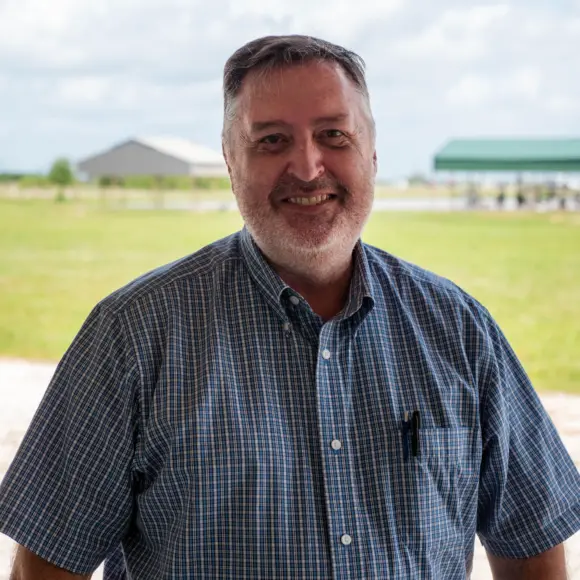
Court Liason

The Commission on Accreditation of Rehabilitation Facilities (CARF) is a non-profit organization that specifically accredits rehab organizations. Founded in 1966, CARF's, mission is to help service providers like rehab facilities maintain high standards of care.
CARF Accreditation: Yes
Accreditation Number: 289090
Rehab.com regularly reviews this listing for accuracy but changes may occur between updates. For the most up-to-date information, please contact Sanctuary Louisiana.

21089 South Frontage Road
Iowa, LA 70647
Sponsored Helpline


Let's start from point A to B. When you are not ready to give into a truly functional democratic based system, you will lean always on your own understanding. Failure is at best if you are the fortunate one. With that said, Mr. Chris and Mr. Lee and Ms. Theresa have our health and future in their concern and hearts. Please send your child here to Louisiana Sanctuary. I came back because Jesus is in this beautiful place. Rex A. Rugg

I was in the program for 16 months. The long-term program worked for me. I'm still clean and sober it was an overall positive experience it gave me my work ethic back. I met some really good people. I got a lot of on-the-job training that I still use at the job that I'm at now thank you sanctuary. Harlin Mark Bolen

This place saved my son’s life! SAVED HIS LIFE! My son was there for one year 2024-2025 and he completed the programs, classes meetings and then lived at Genesis Sober Living. He would be in jail or dead if it wasn’t for the Sanctuary. Chris M and the court judge always worked with my son to make sure he stayed on track. So many others can succeed with this type of program. I wish Texas had something like this. Thank you to anyone that worked with my son. Communities need this support program. Thank you ! Thank you !
 Back
Back
Sharing your insights and experiences can help others learn more about this rehab center.
 Written By: Terri Beth Miller
PhD Author, Award-Winning Post-Secondary Teacher
Written By: Terri Beth Miller
PhD Author, Award-Winning Post-Secondary Teacher