Get Help Now
Question iconSponsored Helpline
Phone icon 800-641-8351

The NATIVE Project

1803 West Maxwell Avenue
Spokane, WA 99201
Claim Profile
Native Project WA 99201

About The NATIVE Project

The Native Project is a youth focused substance use treatment provider offering culturally rooted addiction care within a full community health center.

Their youth programs include intensive outpatient, outpatient and aftercare services all guided by a philosophy centered on mind, body and spirit.

I think it’s noteworthy how reviewers consistently praise the staff’s warmth, respect and welcoming environment.

What addiction treatment is offered?

They provide youth substance use services across multiple levels of care, including intensive outpatient, outpatient and aftercare or recovery support.

Services include counseling, relapse prevention, case management and referral to inpatient treatment when clinically appropriate.

Who can get help here?

Substance use treatment is designed for children and youth ages 9 to 18, with dual diagnosis support for those managing both substance use and mental health diagnoses.

The organization specializes in care for urban American Indians and Alaska Natives while welcoming people of all backgrounds in the greater Spokane community.

Where is the program located?

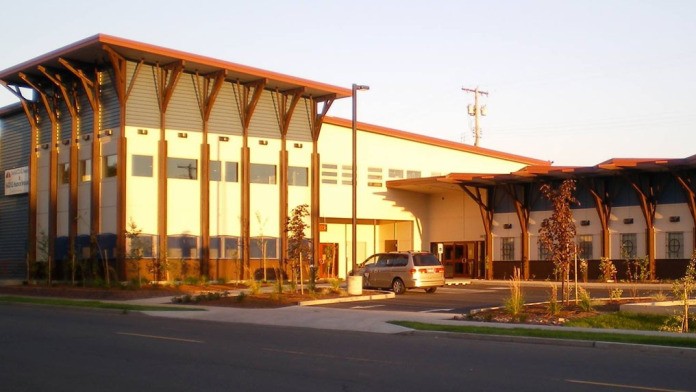
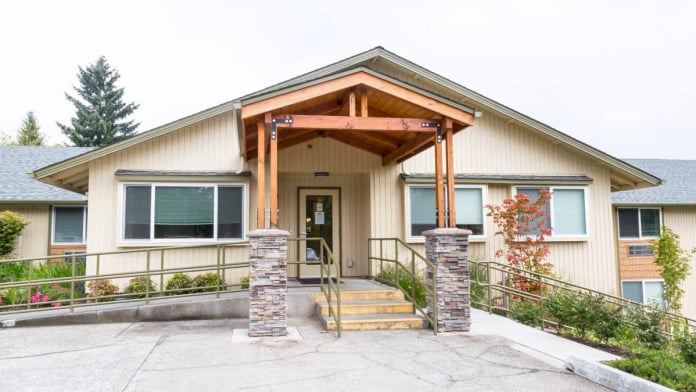
The Main Campus sits at 1803 West Maxwell Avenue in Spokane, while youth behavioral health and substance use appointments are scheduled through the Children and Youth Services Center at 1907 West Maxwell Avenue, a newer four story wellness building.

Do they take insurance?

They accept Medicaid, Medicare and most private insurance, plus a sliding fee scale based on household income.

Patients with proof of tribal enrollment or descendancy are not billed a copay and care is provided regardless of ability to pay.

Similar Rehab Centers

Latest Reviews

Will Alberty
2 months ago on Google
5
I've always been treated well, and have had a great experience with every visit.
Terri Cobb
6 months ago on Google
5
Been going here 8 years. Best people you'll ever meet
H J
6 months ago on Google
5
The only clinic where I felt seen and respected in all of Spokane.
Rehab.com icon

Rehab Score

Question iconOur Methodology
Scoring is assigned by a proprietary system which helps surface key metrics that determine quality. The 10-point scale factors in categories such as operations, customer satisfaction, and trust metrics. Read Full MethodologyCaret icon
Gauge icon
7 / 10

Accepted Insurance

Please contact to verify your specific insurance provider.

The NATIVE Project works with several private insurance providers, please contact to verify your specific insurance provider.

Other Forms of Payment

Private insurance refers to any kind of healthcare coverage that isn't from the state or federal government. This includes individual and family plans offered by an employer or purchased from the Insurance Marketplace. Every plan will have different requirements and out of pocket costs so be sure to get the full details before you start treatment.

Financial aid can take many forms. Centers may have grants or scholarships available to clients who meet eligibility requirements. Programs that receive SAMHSA grants may have financial aid available for those who need treatment as well. Grants and scholarships can help you pai for treatment without having to repay.

Sliding scale payments are based on a client's income and family size. The goal is to make treatment affordable to everyone. By taking these factors into account, addiction recovery care providers help ensure that your treatment does not become a financial burden to you or your family, eliminating one barrier to care.

Medicare is a federal program that provides health insurance for those 65 and older. It also serves people under 65 with chronic and disabling health challenges. To use Medicare for addiction treatment you need to find a program that accepts Medicare and is in network with your plan. Out of pocket costs and preauthorization requirements vary, so always check with your provider.

Medicaid is a state based program that helps lower-income individuals and families pay for healthcare. Medicaid covers addiction treatment so those enrolled can use their coverage to pay for rehab. When a program accepts Medicaid the client often pays very little or nothing out of their own pocket.

Addiction Treatments

Levels of Care

Outpatient Programs (OP) are for those seeking mental rehab or drug rehab, but who also stay at home every night. The main difference between outpatient treatment (OP) and intensive outpatient treatment (IOP) lies in the amount of hours the patient spends at the facility. Most of the time an outpatient program is designed for someone who has completed an inpatient stay and is looking to continue their growth in recovery. Outpatient is not meant to be the starting point, it is commonly referred to as aftercare.

Inpatient rehab enables clients who are exiting detox or who are at an increased risk of relapse to focus on their recovery in a highly structured and supportive environment. Inpatient rehabs provide intensive clinical supervision and high-level treatment. Clients remain at the facility through the length of their program and typically receive multiple addiction counseling and education sessions per day. Holistic therapies, such as yoga, message, and meditation, may be used to relieve stress and ease discomfort.

Intensive Outpatient Programs (IOP) are for those who want or need a very structured treatment program but who also wish to live at home and continue with certain responsibilities (such as work or school). IOP substance abuse treatment programs vary in duration and intensity, and certain outpatient rehab centers will offer individualized treatment programs.

Rehab aftercare programs support clients as they focus on maintaining their sobriety after intensive (often inpatient) treatment. These programs adhere to a model of life-long recovery, addressing addiction disease as a chronic, relapsing condition. Rehab aftercare services vary widely based on the specific and evolving needs of the client, but often include peer coaching, relapse prevention support, and 12 step program induction. Clients, case managers, and care teams typically collaborate on long-term care plans.

Treatments

The goal of treatment for alcoholism is abstinence. Those with poor social support, poor motivation, or psychiatric disorders tend to relapse within a few years of treatment. For these people, success is measured by longer periods of abstinence, reduced use of alcohol, better health, and improved social functioning. Recovery and Maintenance are usually based on 12 step programs and AA meetings.

Effective drug rehab in Washington integrates care for the whole person, offering comprehensive solutions to addiction. Treatment methods address mental, physical, and relational aspects of substance abuse.

Many of those suffering from addiction also suffer from mental or emotional illnesses like schizophrenia, bipolar disorder, depression, or anxiety disorders. Rehab and other substance abuse facilities treating those with a dual diagnosis or co-occurring disorder administer psychiatric treatment to address the person's mental health issue in addition to drug and alcohol rehabilitation.

A combined mental health and substance abuse rehab has the staff and resources available to handle individuals with both mental health and substance abuse issues. It can be challenging to determine where a specific symptom stems from (a mental health issue or an issue related to substance abuse), so mental health and substance abuse professionals are helpful in detangling symptoms and keeping treatment on track.

Opioid rehabs specialize in supporting those recovering from opioid addiction. They treat those suffering from addiction to illegal opioids like heroin, as well as prescription drugs like oxycodone. These centers typically combine both physical as well as mental and emotional support to help stop addiction. Physical support often includes medical detox and subsequent medical support (including medication), and mental support includes in-depth therapy to address the underlying causes of addiction.

Programs

Adult rehab programs include therapies tailored to each client's specific needs, goals, and recovery progress. They are tailored to the specific challenges adult clients may face, including family and work pressures and commitments. From inpatient and residential treatment to various levels of outpatient services, there are many options available. Some facilities also help adults work through co-occurring conditions, like anxiety, that can accompany addiction.

Young adulthood can be an exciting, yet difficult, time of transition. Individuals in their late teens to mid-20s face unique stressors related to school, jobs, families, and social circles, which can lead to a rise in substance use. Rehab centers with dedicated young adult programs will include activities and amenities that cater to this age group, with an emphasis on specialized counseling, peer socialization, and ongoing aftercare.

Clinical Services

Group therapy is any therapeutic work that happens in a group (not one-on-one). There are a number of different group therapy modalities, including support groups, experiential therapy, psycho-education, and more. Group therapy involves treatment as well as processing interaction between group members.

Individual therapy sessions for drug and alcohol addiction treatment emphasize the importance of personalized care. Your therapist works with you to understand your unique life experiences and develop effective coping mechanisms to address your underlying issues. This comprehensive approach to recovery is the foundation of drug rehab.

Research clearly demonstrates that recovery is far more successful and sustainable when loved ones like family members participate in rehab and substance abuse treatment. Genetic factors may be at play when it comes to drug and alcohol addiction, as well as mental health issues. Family dynamics often play a critical role in addiction triggers, and if properly educated, family members can be a strong source of support when it comes to rehabilitation.

Life skills training in Washington involves relearning how to manage daily living. It boosts your abilities and confidence so you can overcome challenges both big and small, without returning to substance use.

When your body is properly nourished, healing is much faster. That's why nutrition therapy is an important part of drug rehab in Washington. It helps you learn how to take care of your body so you can heal both mentally and physically from addiction.

Amenities

  • home-setting iconResidential Setting
  • private-room iconPrivate Rooms

Rehab.com regularly reviews this listing for accuracy but changes may occur between updates. For the most up-to-date information, please contact The NATIVE Project.

Contact Information

Building icon

1803 West Maxwell Avenue
Spokane WA, 99201

Explore Other Centers Near Spokane

Reviews of The NATIVE Project

4.44/5 (302 reviews)
0
Staff
0
Amenities
0
Meals
0
Value
0
Cleanliness
5
234
4
25
3
12
2
5
1
28

Reviews

5

Native Project has the most lovely and most beautiful staff in the whole world! They are so understanding, and they give you so much of their time and heart! I appreciate that so much!

Reviewed on 2/18/2019
Overall Experience
Date Submitted
Reviewer

Google Reviews

4.44 (301 reviews)
Jazmond Pound
1 week ago
5

Going to Native Project for years they now see my entire family absolutely love our doctor and benefits of the native project

Shandi Rathbun
1 week ago
5

This is my new primary for me and my 4 yr old daughter. They didnt just rush me out of there. They were efficient and in depth. I felt very comfortable and taken care of.

courtney crevier
3 weeks ago
1

bonnie young
1 month ago
5

Overall Experience
Date Submitted
No reviews matching the selected filter!
Get Help Now
Question iconSponsored Helpline

Phone icon 800-641-8351

Left arrow iconBack

Write a review for The NATIVE Project

Sharing your insights and experiences can help others learn more about this rehab center.

Title of Your Review
This is a required field
Your Review

Reviews comments must comply with our Review Policy Content Standards. Please do not use names (job titles / positions are acceptable) of any individual or identifying features, abusive remarks, or allegations of negligence or criminal activity.

A minimum of 200 characters and max of 2,000 characters required.
This is a required field
How would you rate the facility on the following?*
Overall Experience
Must select a star rating
Accomodations & Amenities
Must select a star rating
Meals & Nutrition
N/A
Must select a star rating
Treatment Effectiveness
Must select a star rating
Admissions Process
Must select a star rating
Staff & Friendliness
Must select a star rating
Cleanliness
Must select a star rating
Value for Cost
Must select a star rating
What is your connection to this facility?
This is a required field
Your Name*
This is a required field
Your Email*
This is a required field
Spinner icon Submitting your review...
Thumbs up icon Your review was successfully submitted.

Nearby Featured Providers

Get Help Today Phone icon 800-847-1418
Question iconSponsored Helpline