Get Help Now
Question iconSponsored Helpline
Phone icon 800-784-1361
Claim Profile

Tamarack Center

2901 W. Elliot Dr.
Spokane, WA 99224
Claim Profile
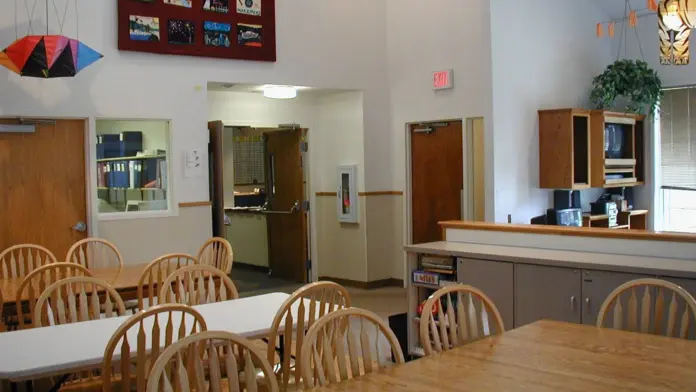
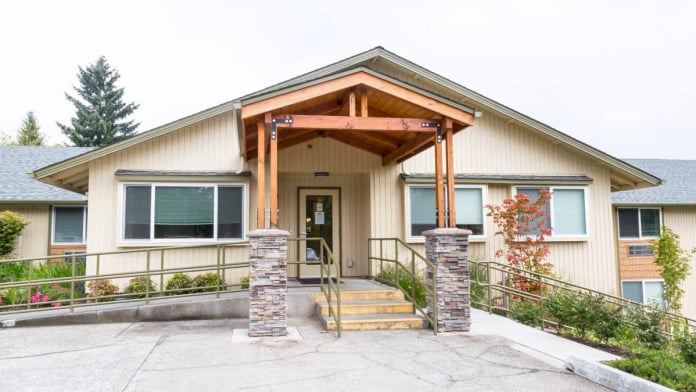
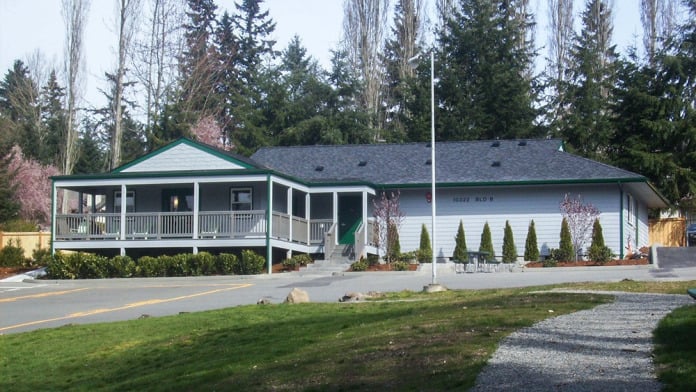
The facilities at Tamarack Center in Spokane, WA 1

About Tamarack Center

Tamarack’s focus is to help young people break the cycle of self-destructive behavior, low self-esteem, and emotional illness by providing intensive inpatient treatment, regular school education, and family involvement.

Tamarack Center pays particular attention to what works for each young patient installed at their facilities. This center is registered in District 81 School District, so all residents at Tamarack Center attend school on a regular basis. Depending on the resident’s treatment progress, some will participate in off-campus school to transition back into a community school.

Similar Rehab Centers

Facility Overview

Bed icon 16
Number of Available Beds

Latest Reviews

Bucky HmQ
3 months ago on Google
5
Genuinely fantastic. It's been some 560 days since I was released. I stayed for a total of 228 days (around 7 months) and throughout that time, the help from the structured schedule, supportive staff, thoughtful and professional clinical team, and talented chefs all enabled me to learn how to live again. Before Tamarack, I was deeply struggling. I'm talking difficulty with personal hygiene, severe depression and anxiety, oversensitivity, overthinking, and serious spiraling among other things. I learned how to cope with my feelings, interact with others again, make thoughtful decisions, how to set boundaries, and in a general sense, how to live again. During my stay, I lost around 50 lbs, learned more about myself than I had ever previously, made friends, was taught a helpful therapy type called DBT (Dialectical Behavioral Therapy), learned how to properly advocate for myself, and started reforging relationships with my family. The programs included off campus outings that you could earn by having a high enough rating in their behavior system, fun recreational activities, group activities such as creating posters or masks, and time to enjoy hanging out with other clients. They have a privelage system in place that you are able to make (I believe they are called) Monitors for certain things in your room (lamps, white boards, loom supplies, knitting, crochet, etc, etc). When I was there, there were weekly meetings that the millieu would come together and discuss issues, achievements, and the general well-being of the community in a client council. You were able to run for positions in the council, such as president and treasurer. The treasurer would manage funds and a client run candy and beverage shop. You can fill out requisition forms to ask for certain things to be bought (books, a game etc, etc) or for a change to be made (I asked for a golden perler head minion I made to be hidden around the building in an elf-on-the-shelf type game). School there was online school. Each day you could earn tickets to use at the end of the week at a school store. Other than showing up each day, you can get tickets from doing a daily word research activity (you find a word, write the definition, and use it in an example sentence), or from scoring high enough on tests. The food was good, clients get a full meal 3 times a day and snacks 2 or 3 times a day, if I remember correctly. The outings, depending on the season, could include hikes, plays, movies, pumpkin picking, or even Silverwood! Clients are also able to make a monitor to have a contract with Tamarack and get paid for cleaning around the building. It's very nice. All in all, I really loved my stay. It helped me out of the hole I was in and enabled me to start living my life. Right now, I'm a senior in high school, helping out with my school's student government, helping plan and create events and monthly themes, exploring my interests, and making significant progress in my life. I understand that not everyone will have had the same experience, but, in my personal opinion, if you really give this a try, you go as all out as you can, and you open yourself to change and get along with the staff and program, you can go very, very far.

Abby Badertscher
1 year ago on Google
1
I was held here against my will for 13 months for no reason. When I expressed any emotion at all (like crying or laughing or hurting myself) I was forced to sleep and live and eat in a hallway alone for months while writing 100 page assignments with dull crayon. All while being degraded, body shamed, sexuality shamed, starved, grabbed, sexually assaulted, etc. I was offered no therapy during these times and the entire staff and other kids were told not to speak to me or look at me. They have male nurses watch you shower naked if you're suicidal and never check in to make sure they're doing their job. This was 3 years ago and I am still trying to sue them for the PTSD they caused. I have a 6 month old and don't need any of the drugs they were forcing me to take. If your child is in this place SAVE THEM. They monitor your calls and emails so we can't ask you to help us and if you try they will get the court involved and lie about your mental state to keep you and punish you. I cant be in a room with the door closed for more than 5 minutes still because those people ruined me. They forced me to walk on a broken ankle and now I have to go to physical therapy for probably the rest of my life because my foot and hips are all jacked up now. The people in this place pick and choose favorites and I was chubby and gay at the time so I was not one of them.
Tania
1 year ago on Google
1
Establishment only stands because it is government funded and kids basically are given a free for all. I will be back to update review once place is finally flagged and investigated. DO NOT SEND YOUR LOVED ONE HERE.
Rehab.com icon

Rehab Score

Question iconOur Methodology
Scoring is assigned by a proprietary system which helps surface key metrics that determine quality. The 10-point scale factors in categories such as operations, customer satisfaction, and trust metrics. Read Full MethodologyCaret icon
Gauge icon
6.7 / 10

Accepted Insurance

Please contact to verify your specific insurance provider.

Tamarack Center works with several private insurance providers, please contact to verify your specific insurance provider.

Other Forms of Payment

Private insurance refers to any kind of healthcare coverage that isn't from the state or federal government. This includes individual and family plans offered by an employer or purchased from the Insurance Marketplace. Every plan will have different requirements and out of pocket costs so be sure to get the full details before you start treatment.

Self-pay involves paying for treatment out of your own pocket. You can use savings or credit, get a personal loan, or receive help from family and friends to fund your treatment. If you don't have insurance or your insurance plan doesn't cover a specific program, self-pay can help ensure you still get the care you need.

Medicare is a federal program that provides health insurance for those 65 and older. It also serves people under 65 with chronic and disabling health challenges. To use Medicare for addiction treatment you need to find a program that accepts Medicare and is in network with your plan. Out of pocket costs and preauthorization requirements vary, so always check with your provider.

Military members, veterans, and eligible dependents have access to specific insurance programs that help them get the care they need. TRICARE and VA insurance can help you access low cost or no cost addiction and mental health treatment. Programs that accept military insurance often have targeted treatment focused on the unique challenges military members, veterans, and their families face.

Financial aid can take many forms. Centers may have grants or scholarships available to clients who meet eligibility requirements. Programs that receive SAMHSA grants may have financial aid available for those who need treatment as well. Grants and scholarships can help you pai for treatment without having to repay.

Medicaid is a state based program that helps lower-income individuals and families pay for healthcare. Medicaid covers addiction treatment so those enrolled can use their coverage to pay for rehab. When a program accepts Medicaid the client often pays very little or nothing out of their own pocket.

Addiction Treatments

Levels of Care

Outpatient Programs (OP) are for those seeking mental rehab or drug rehab, but who also stay at home every night. The main difference between outpatient treatment (OP) and intensive outpatient treatment (IOP) lies in the amount of hours the patient spends at the facility. Most of the time an outpatient program is designed for someone who has completed an inpatient stay and is looking to continue their growth in recovery. Outpatient is not meant to be the starting point, it is commonly referred to as aftercare.

Residential treatment programs are those that offer housing and meals in addition to substance abuse treatment. Rehab facilities that offer residential treatment allow patients to focus solely on recovery, in an environment totally separate from their lives. Some rehab centers specialize in short-term residential treatment (a few days to a week or two), while others solely provide treatment on a long-term basis (several weeks to months). Some offer both, and tailor treatment to the patient's individual requirements.

At certain points in the recovery process, it's important to have support available 24/7. 24-hour clinical care offers a safe environment in which to recover from drug or alcohol addiction in peace, knowing medical detox and other treatment will happen with professionals on hand.

12 step programs support participants' psychological, spiritual, and emotional development as integral to sustained recovery. Though 12 step recovery programs are based on the belief in a non-denominational higher power, religious affiliation is not required. Group meetings are paper-led, anonymous, free, and available daily, including on holidays, in most communities. Peer sponsors selected by the participants provide one-on-one coaching and support. Specialized formats are widely available, including programming for youth, seniors, and families.

Treatments

Mental health rehabs focus on helping individuals recover from mental illnesses like bipolar disorder, clinical depression, anxiety disorders, schizophrenia, and more. Mental health professionals at these facilities are trained to understand and treat mental health issues, both in individual and group settings.

Programs

Recovery is most successful when clients feel accepted and validated by their peers and treatment providers. Facilities that offer LGBTQ-inclusive programming are committed to creating a safe space where everyone can grow and recover without fear of judgment or discrimination. They will have dedicated policies in place to create a safe and supportive environment that fosters free expression.

Clinical Services

Dialectical Behavior Therapy (DBT) is a modified form of Cognitive Behavioral Therapy (CBT), a treatment designed to help people understand and ultimately affect the relationship between their thoughts, feelings, and behaviors. DBT is often used for individuals who struggle with self-harm behaviors, such as self-mutilation (cutting) and suicidal thoughts, urges, or attempts. It has been proven clinically effective for those who struggle with out-of-control emotions and mental health illnesses like Borderline Personality Disorder.

Experiential therapy is a form of therapy in which clients are encouraged to surface and work through subconscious issues by engaging in real-time experiences. Experiential therapy departs from traditional talk therapy by involving the body, and having clients engage in activities, movements, and physical and emotional expression. This can involve role-play or using props (which can include other people). Experiential therapy can help people process trauma, memories, and emotion quickly, deeply, and in a lasting fashion, leading to substantial and impactful healing.

Research clearly demonstrates that recovery is far more successful and sustainable when loved ones like family members participate in rehab and substance abuse treatment. Genetic factors may be at play when it comes to drug and alcohol addiction, as well as mental health issues. Family dynamics often play a critical role in addiction triggers, and if properly educated, family members can be a strong source of support when it comes to rehabilitation.

Fitness therapy blends exercise with psychotherapy for a fun, inspiring, and effective way of treating addiction and other issues. By incorporating movement into counseling sessions, clients become more empowered, motivated, and goal-oriented, all while strengthening their bodies and becoming more flexible. Fitness Therapy is usually used to complement a course of treatment (inpatient or outpatient) to make it even more successful. Increasing the connection between a patient’s mind and body helps both with healing as well as in creating new, healthy habits.

Group therapy is any therapeutic work that happens in a group (not one-on-one). There are a number of different group therapy modalities, including support groups, experiential therapy, psycho-education, and more. Group therapy involves treatment as well as processing interaction between group members.

In individual therapy, a patient meets one-on-one with a trained psychologist or counselor. Therapy is a pivotal part of effective substance abuse treatment, as it often covers root causes of addiction, including challenges faced by the patient in their social, family, and work/school life.

Life skills trainings involve all the skills a person must have in order to function successfully in the world. These include time management, career guidance, money management, and effective communication. Truly successful addiction recovery is based on the ability to not only live substance-free, but to thrive. Life skills teaches the practical necessities of functioning in society, which sets clients up for success in life, and therefore sobriety.

Nutrition therapy, aka medical nutrition therapy (MNT), is a way of treating physical, emotional, and medical conditions through diet. Specific dietary plans are designed by professional nutritionists or registered dietitians, and patients follow them in order to positively affect their physical and mental health.

Recreational therapy (aka therapeutic recreation) uses creative and fun activities to help with addiction recovery. Recreational therapists lead patients in entertaining and engaging activities like sports or games; art (drawing, painting, sculpture); drama, music, and dance; and/or community outings (field trips) to improve patients' physical, social, and emotional well-being.

Often, substance use disorder originates with negative thinking patterns. Cognitive behavioral therapy in Washington is designed to help individuals change these patterns of thought, which leads to changes in behavior and freedom from addiction.

Clinicians who apply motivational interviewing techniques engage with their clients as equal partners. This method avoids warnings and confrontation and instead allows clients to analyze their situation and explore their options. This technique is often used when the client feels unsure about their ability or desire to change.

Amenities

  • home-setting iconResidential Setting
  • private-room iconPrivate Rooms
  • hiking iconHiking
  • weight iconGym

Staff & Accreditations

Staff

Tim Davis

Executive Director

Accreditations

The Joint Commission, formerly known as JCAHO, is a nonprofit organization that accredits rehab organizations and programs. Founded in 1951, the Joint Commision's mission is to improve the quality of patient care and demonstrating the quality of patient care.

Joint Commission Accreditation: Yes
Accreditation Number: 1298

Contact Information

Building icon

2901 W. Elliot Dr.
Spokane, WA 99224

Explore Other Centers Near Spokane

Reviews of Tamarack Center

3.16/5 (32 reviews)
0
Staff
0
Amenities
0
Meals
0
Value
0
Cleanliness
5
14
4
2
3
3
2
1
1
12

Reviews

1

We sent our daughter to Tamarack after a stay at a higher level Residential care. She was at risk for cutting and suicidal ideation. In the higher level Residential care she had been going through a specific type of treatment -- it was working! and we were told that they wou ... Read More

Reviewed on 7/16/2019
5

Tamarack Center was very useful for my recovery process, they were amazing in all time, the therapists are helpful, incredible service!

Reviewed on 3/6/2019
Overall Experience
Date Submitted
Reviewer

Google Reviews

3.1666666666667 (30 reviews)
Bucky HmQ
3 months ago
5

Genuinely fantastic. It's been some 560 days since I was released. I stayed for a total of 228 days (around 7 months) and throughout that time, the help from the structured schedule, supportive staff, thoughtful and professional clinical team, and talented chefs all enabled me to learn how to live again. Before Tamarack, I was deeply struggling. I'm talking difficulty with personal hygiene, severe depression and anxiety, oversensitivity, overthinking, and serious spiraling among other things. I learned how to cope with my feelings, interact with others again, make thoughtful decisions, how to set boundaries, and in a general sense, how to live again. During my stay, I lost around 50 lbs, learned more about myself than I had ever previously, made friends, was taught a helpful therapy type called DBT (Dialectical Behavioral Therapy), learned how to properly advocate for myself, and started reforging relationships with my family. The programs included off campus outings that you could earn by having a high enough rating in their behavior system, fun recreational activities, group activities such as creating posters or masks, and time to enjoy hanging out with other clients. They have a privelage system in place that you are able to make (I believe they are called) Monitors for certain things in your room (lamps, white boards, loom supplies, knitting, crochet, etc, etc). When I was there, there were weekly meetings that the millieu would come together and discuss issues, achievements, and the general well-being of the community in a client council. You were able to run for positions in the council, such as president and treasurer. The treasurer would manage funds and a client run candy and beverage shop. You can fill out requisition forms to ask for certain things to be bought (books, a game etc, etc) or for a change to be made (I asked for a golden perler head minion I made to be hidden around the building in an elf-on-the-shelf type game). School there was online school. Each day you could earn tickets to use at the end of the week at a school store. Other than showing up each day, you can get tickets from doing a daily word research activity (you find a word, write the definition, and use it in an example sentence), or from scoring high enough on tests. The food was good, clients get a full meal 3 times a day and snacks 2 or 3 times a day, if I remember correctly. The outings, depending on the season, could include hikes, plays, movies, pumpkin picking, or even Silverwood! Clients are also able to make a monitor to have a contract with Tamarack and get paid for cleaning around the building. It's very nice. All in all, I really loved my stay. It helped me out of the hole I was in and enabled me to start living my life. Right now, I'm a senior in high school, helping out with my school's student government, helping plan and create events and monthly themes, exploring my interests, and making significant progress in my life. I understand that not everyone will have had the same experience, but, in my personal opinion, if you really give this a try, you go as all out as you can, and you open yourself to change and get along with the staff and program, you can go very, very far.

Abby Badertscher
1 year ago
1

I was held here against my will for 13 months for no reason. When I expressed any emotion at all (like crying or laughing or hurting myself) I was forced to sleep and live and eat in a hallway alone for months while writing 100 page assignments with dull crayon. All while being degraded, body shamed, sexuality shamed, starved, grabbed, sexually assaulted, etc. I was offered no therapy during these times and the entire staff and other kids were told not to speak to me or look at me. They have male nurses watch you shower naked if you're suicidal and never check in to make sure they're doing their job. This was 3 years ago and I am still trying to sue them for the PTSD they caused. I have a 6 month old and don't need any of the drugs they were forcing me to take. If your child is in this place SAVE THEM. They monitor your calls and emails so we can't ask you to help us and if you try they will get the court involved and lie about your mental state to keep you and punish you. I cant be in a room with the door closed for more than 5 minutes still because those people ruined me. They forced me to walk on a broken ankle and now I have to go to physical therapy for probably the rest of my life because my foot and hips are all jacked up now. The people in this place pick and choose favorites and I was chubby and gay at the time so I was not one of them.

Tania
1 year ago
1

Establishment only stands because it is government funded and kids basically are given a free for all. I will be back to update review once place is finally flagged and investigated. DO NOT SEND YOUR LOVED ONE HERE.

Russell Colmore
1 year ago
5

Absolutely changed my life and made me the man and father I am today! It's fantastic to see Longshore still "chiselled" on the website!

Overall Experience
Date Submitted
No reviews matching the selected filter!
Get Help Now
Question iconSponsored Helpline

Phone icon 800-784-1361

Left arrow iconBack

Write a review for Tamarack Center

Sharing your insights and experiences can help others learn more about this rehab center.

Title of Your Review
This is a required field
Your Review

Reviews comments must comply with our Review Policy Content Standards. Please do not use names (job titles / positions are acceptable) of any individual or identifying features, abusive remarks, or allegations of negligence or criminal activity.

A minimum of 200 characters and max of 2,000 characters required.
This is a required field
How would you rate the facility on the following?*
Overall Experience
Must select a star rating
Accomodations & Amenities
Must select a star rating
Meals & Nutrition
N/A
Must select a star rating
Treatment Effectiveness
Must select a star rating
Admissions Process
Must select a star rating
Staff & Friendliness
Must select a star rating
Cleanliness
Must select a star rating
Value for Cost
Must select a star rating
What is your connection to this facility?
This is a required field
Your Name*
This is a required field
Your Email*
This is a required field
Spinner icon Submitting your review...
Thumbs up icon Your review was successfully submitted.

Nearby Featured Providers

Get Help Today Phone icon 800-823-7153
Question iconSponsored Helpline