






























































































I attended NFA 5 years ago. It was my first time getting sober at 22 years old. NFA is where I started my journey. Although I cant speak to how the facility is now, I can speak to what it once way. My case manager Andy was very helpful and he heard me out. The facility itsel ...
About NFA Canterbury – Inpatient Mental Health Treatment
New Freedom Academy believes that each program should be individualized and that men and women need a different approach in order to heal and treat each specific need they have. They use a 12-step method approach for treatment. They will offer professional and compassionate care.
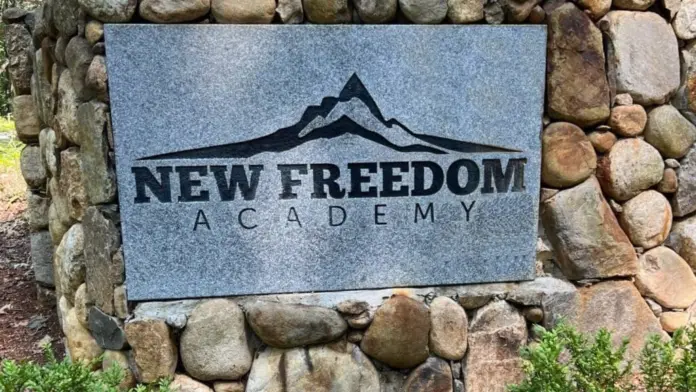
New Freedom Academy is a 20-bed facility that offers treatment for individuals with substance addiction. This dual-diagnosis treatment will provide services for individuals with co-occurring disorders. New Freedom Academy is located on 17 pristine acres in the southern end of Lakes Region of central New Hampshire.
Facility Overview
 20
20 Number of Available Beds
Latest Reviews
I can't even begin where to start..the staff here and the community is just...awesome. CM Jenn R is an angel and deserves ✨️ heart felt kudos for how special she is! People don't realize how hard the staff here work for their clients over and above the job duties. It's their lives. To BHT's...Bob, Janine, Danielle, Jimmy, Ava, Bri..God bless u! Clinician Jenn you just...rock! Lol, so uplifting and beautiful spirit! Nurses Niki, Liz, Manny, and Eileen...love you girls to the moon! To EVERYONE there...I love u ❤️ guys! Thank you for caring to save my life 💜
Response from the owner1 week ago
Thank you so much for your kind words! We work hard to meet expectations like yours, and we’re happy to hear we hit the mark for you.
A little over five years ago, my twin sister was caught in the depths of addiction. She was so lost and broken that I could barely recognize her as the sister I once knew.
Her path to recovery started at Canterbury Behavioral Health, and I can’t fully put into words what this place has meant for her—and for all of us. Because of the compassionate care and steady support she found there, I got my best friend back.
Today, she stands on the brink of six years of sobriety, dedicating her life to lifting others who face addiction and mental health battles. I am endlessly proud of her courage, her perseverance, and the person she is today!
Thank you, Canterbury Behavioral Health, for saving my sisters life. I honestly thought we would never get her back she was so far gone, you gave her a second chance at life! If you have a loved one battling addiction or mental health struggles, I wholeheartedly encourage you to reach out to CBH. It has transformed our lives, and I am forever grateful.
Response from the owner1 week ago
This kind review means so much, thanks for taking the time to share!
During my stay here, I was able to learn many coping skills, and begin the process of navigating my mental health stability.
If you’re wondering whether or not to go, let me save you some time and give you the push you need to get back on track. Do it. I’m so glad I did.
I would like to extend a gigantic thank you too my care team, especially my case manager Jennifer Rocha. Her dedication to her client is unmatched.
I would also like to send out thank you’s to:
Sam, Manny, Kaitlyn, Liz, Nicky, Jimmy, Kyleigh, Bri, Allison, Eileen, Marsha, Danielle, Janine, Colleen, Nate, Ava, Bob, Jess, Bob, and Ed.
I couldn’t have made it through the program without everybody there! Thank you so very much 💖✨
Response from the owner2 weeks ago
This kind review means so much, thanks for taking the time to share!
Rehab Score
 Our Methodology
Scoring is assigned by a proprietary system which helps surface key metrics that determine quality. The 10-point scale factors in categories such as operations, customer satisfaction, and trust metrics. Read Full Methodology

8 / 10
Gallery

Other Forms of Payment
Private insurance refers to any kind of healthcare coverage that isn't from the state or federal government. This includes individual and family plans offered by an employer or purchased from the Insurance Marketplace. Every plan will have different requirements and out of pocket costs so be sure to get the full details before you start treatment.
Self-pay involves paying for treatment out of your own pocket. You can use savings or credit, get a personal loan, or receive help from family and friends to fund your treatment. If you don't have insurance or your insurance plan doesn't cover a specific program, self-pay can help ensure you still get the care you need.
Financial aid can take many forms. Centers may have grants or scholarships available to clients who meet eligibility requirements. Programs that receive SAMHSA grants may have financial aid available for those who need treatment as well. Grants and scholarships can help you pai for treatment without having to repay.
Medicaid is a state based program that helps lower-income individuals and families pay for healthcare. Medicaid covers addiction treatment so those enrolled can use their coverage to pay for rehab. When a program accepts Medicaid the client often pays very little or nothing out of their own pocket.
Addiction Treatments
Levels of Care
Clients undergoing treatment at an outpatient rehab reside in their own homes and engage in counseling and recovery education sessions in the evening, at night, or on the weekend. This ensures clients' access to care while working, caregiving, or attending school. Outpatient treatment is often the next level of care for clients stepping down from inpatient care, though some clients enroll immediately after completing detox. Many programs offer medication assisted treatment (MAT) for those in alcohol or opioid recovery.
Clients in addiction recovery often enroll in inpatient rehabs to receive intensive, hands-on, highly supervised treatment. These programs are generally designed for clients exiting detox and those who are at an increased risk of relapse. Clients reside at the treatment center and engage in multiple psychotherapeutic sessions each week. Inpatient addiction counseling often includes individual, group, and family therapy. Education and life skills training are also often prioritized to promote sustained sobriety. Some inpatient rehabs include holistic therapies, such as massage and animal therapy.
Intensive outpatient programs (IOP) offer high-level transitional support for clients exiting inpatient rehab. They can also be effective for clients at significant relapse risk Intensive outpatient treatment typically involves between nine and 20 hours of care per week, with the frequency and intensity of treatment decreasing as clients progress in their recovery. Most IOP clients participate in a combination of psychotherapy, recovery education, holistic therapies, and, for some, medication assisted treatment (MAT).
Rehab aftercare programs provide continuing care for clients in an advanced phase of recovery, including those who have completed detox and intensive inpatient treatment. These clients typically have already engaged in many hours of addiction counseling and recovery education. Drug rehab aftercare supports clients in maintaining their sobriety at home, in the workplace, and in the community. Case managers and care teams advise clients on the resources they may need to promote their sustained sobriety.
Green Mountain Treatment Center is a 12-Step Centered program, which means that their clinical treatment is based fully on 12-step principles and traditions. While it is absolutely true that treatment is not a 12-step group or program, it should be vastly different, it is also true that the 12 steps should not be a suggestion on an aftercare plan. The reality is that without a daily design for living in full practice the disease of addiction, which centers in the mind and feeds on gratification, will go untreated and more often than not relapse will occur.
Intervention services helps family or friends of addicts stage an intervention, which is a meeting in which loved ones share their concerns and attempt to get an addict into treatment. Professional intervention specialists can help loved ones organize, gather, and communicate with an addict. They can guide intervention participants in describing the damage the addict's behavior is causing and that outside help is necessary to address the addiction. The ideal outcome of an intervention is for the addict to go to rehab and get the help they need.
If you need short-term intensive rehabilitation care that allows you to return home at the end of the day, a partial hospitalization program (PHP) is the ideal solution. PHP provides structured programming that typically includes therapeutic services, relapse prevention, and medication management. Typically, treatment can run between 3-5 days a week for an average of 90 days. The cost for a partial hospitalization program can vary, but is often covered by providers.
When you receive 24-hour clinical care in New Hampshire, you benefit from several advantages. You receive 24/7 medical care and support. You also detox in a setting that keeps you away from access to addictive substances. Additionally, doctors prescribed medications that reduce or eliminate withdrawal symptoms. Medical staff also provide other treatment to improve your physical and mental health.
Their physician managed, medical detoxification uses the utmost care to help our clients safely traverse the withdrawal process while minimizing discomfort. Their team of medical experts include: Physicians, Nurse Practitioners, Registered Nurses, and Licensed Nursing Assistants.
Treatments
The goal of treatment for alcoholism is abstinence. Those with poor social support, poor motivation, or psychiatric disorders tend to relapse within a few years of treatment. For these people, success is measured by longer periods of abstinence, reduced use of alcohol, better health, and improved social functioning. Recovery and Maintenance are usually based on 12 step programs and AA meetings.
Treatment provided at drug rehab in New Hampshire prepares individuals to handle life stressors without using substances. Participants get the tools and support they need to maintain lifelong recovery.
At New Freedom Academy, they understand the relationship between addiction and other issues, and their clinical team is prepared to deal with them in an effective way. This process begins with clearing the body of substances, and on to various assessments and evaluations to determine what’s going on, followed by applying a comprehensive treatment plan.
Opioid rehabs specialize in supporting those recovering from opioid addiction. They treat those suffering from addiction to illegal opioids like heroin, as well as prescription drugs like oxycodone. These centers typically combine both physical as well as mental and emotional support to help stop addiction. Physical support often includes medical detox and subsequent medical support (including medication), and mental support includes in-depth therapy to address the underlying causes of addiction.
Substance rehabs focus on helping individuals recover from substance abuse, including alcohol and drug addiction (both illegal and prescription drugs). They often include the opportunity to engage in both individual as well as group therapy.
Programs
Adult rehab programs include therapies tailored to each client's specific needs, goals, and recovery progress. They are tailored to the specific challenges adult clients may face, including family and work pressures and commitments. From inpatient and residential treatment to various levels of outpatient services, there are many options available. Some facilities also help adults work through co-occurring conditions, like anxiety, that can accompany addiction.
Young adulthood can be an exciting, yet difficult, time of transition. Individuals in their late teens to mid-20s face unique stressors related to school, jobs, families, and social circles, which can lead to a rise in substance use. Rehab centers with dedicated young adult programs will include activities and amenities that cater to this age group, with an emphasis on specialized counseling, peer socialization, and ongoing aftercare.
Recovery is most successful when clients feel accepted and validated by their peers and treatment providers. Facilities that offer LGBTQ-inclusive programming are committed to creating a safe space where everyone can grow and recover without fear of judgment or discrimination. They will have dedicated policies in place to create a safe and supportive environment that fosters free expression.
Serving in the military is both mentally and physically challenging, and can result in trauma that persists even after combat ends. Military programs are tailored to the specific and often complex needs of active duty personnel, veterans, and military families. Clients often access these programs through the U.S. Department of Veterans Affairs (VA).
Clinical Services
Cognitive Behavioral Therapy (CBT) is a therapy modality that focuses on the relationship between one's thoughts, feelings, and behaviors. It is used to establish and allow for healthy responses to thoughts and feelings (instead of unhealthy responses, like using drugs or alcohol). CBT has been proven effective for recovering addicts of all kinds, and is used to strengthen a patient's own self-awareness and ability to self-regulate. CBT allows individuals to monitor their own emotional state, become more adept at communicating with others, and manage stress without needing to engage in substance abuse.
Dialectical Behavior Therapy (DBT) is a modified form of Cognitive Behavioral Therapy (CBT), a treatment designed to help people understand and ultimately affect the relationship between their thoughts, feelings, and behaviors. DBT is often used for individuals who struggle with self-harm behaviors, such as self-mutilation (cutting) and suicidal thoughts, urges, or attempts. It has been proven clinically effective for those who struggle with out-of-control emotions and mental health illnesses like Borderline Personality Disorder.
Group therapy is any therapeutic work that happens in a group (not one-on-one). There are a number of different group therapy modalities, including support groups, experiential therapy, psycho-education, and more. Group therapy involves treatment as well as processing interaction between group members.
In individual therapy, a patient meets one-on-one with a trained psychologist or counselor. Therapy is a pivotal part of effective substance abuse treatment, as it often covers root causes of addiction, including challenges faced by the patient in their social, family, and work/school life.
Motivational Interviewing (MI) is a clinical approach to helping people with substance abuse issues and other conditions shift behavior in positive ways. It is more goal-oriented than traditional psychotherapy, as MI counselors directly attempt to get clients to consider making behavioral change (rather than wait for them to come to conclusions themselves). Its primary purpose is to resolve ambivalence and help clients become able to make healthy choices freely.
Trauma therapy addresses traumatic incidents from a client's past that are likely affecting their present-day experience. Trauma is often one of the primary triggers and potential causes of addiction, and can stem from child sexual abuse, domestic violence, having a parent with a mental illness, losing one or both parents at a young age, teenage or adult sexual assault, or any number of other factors. The purpose of trauma therapy is to allow a patient to process trauma and move through and past it, with the help of trained and compassionate mental health professionals.
If you participate in couples therapy in New Hampshire, you can expect to attend an average of 12 sessions. These may include individual and joint sessions with the counselor. Therapy will likely focus on learning skills to resolve conflict and successfully manage relationship challenges.
EMDR is a therapeutic modality originally developed to help process trauma. In an EMDR session, a patient is prompted to undergo eye movements that mimic those of REM sleep. This is accomplished by watching a therapist's finger move back and forth across, or following a bar of light. The goal is repetitive sets of eye movements that help the brain reprocess memory, which can significantly reduce the intensity of remembered traumatic incidents. Associated memories can heal simultaneously, leaving patients significantly calmer, more stable, and more emotionally relaxed.
The focus of family therapy in New Hampshire is to strengthen the family unit by fostering mutual support among the members. Each member learns effective communication strategies that help to create a nurturing environment. This strength and family bonds and supports your loved one's path to recovery.
Life skills trainings involve all the skills a person must have in order to function successfully in the world. These include time management, career guidance, money management, and effective communication. Truly successful addiction recovery is based on the ability to not only live substance-free, but to thrive. Life skills teaches the practical necessities of functioning in society, which sets clients up for success in life, and therefore sobriety.
GMTC has a full kitchen staff, lead by their professional chef, which serves all meals three times per day. Their menus have been designed by a licensed dietitian and meet all standards of nutrition and taste. They realize that stepping into recovery starts with taking care of their bodies, and they have taken special care to be sure their clients are eating right and well.
Creativity is inherently healing, and can help those in recovery express thoughts or feelings they might not otherwise be able to. Creative arts therapy can include music, poetry/writing, painting, sculpting, dance, theater, sandplay, and more. Unlike traditional art, the final product matters far less than the experience of creation and expression itself.
If you've become physically dependent on nicotine, you can use nicotine replacement therapy in New Hampshire to quit smoking. Signs that you're dependent include smoking more than one pack per day, smoking to ease withdrawal symptoms, and smoking within five minutes of waking up.
Amenities
-
 Private Transportation
 -
 Gym
Gym -
 Yoga Studio
 -
 Residential Setting
 -
 Private Rooms
 -
 Spa
Spa -
 Gardens
 -
 Walking Trails
Staff & Accreditations
Staff

Erick Ekberg
Chief Executive Officer

Tammy Quattrocchi
Director of Compliance

Mike Mahan
Director of Admissions
Keri George
Director of Nursing
Accreditations

The Commission on Accreditation of Rehabilitation Facilities (CARF) is a non-profit organization that specifically accredits rehab organizations. Founded in 1966, CARF's, mission is to help service providers like rehab facilities maintain high standards of care.
CARF Accreditation: Yes
Accreditation Number: 272433

LegitScript has reviewed NFA Canterbury – Inpatient Mental Health Treatment as part of their certification program, and has determined that it meets the LegitScript standards for legality, safety and transparency.
LegitScript verified in

The National Association of Addiction Treatment Providers (NAATP) is a professional association that represents organizations in the field of addiction services. Founded in 1978, NAATP's mission is to advance addiction services and ensure that high-quality addiction treatment is available and accessible.
NAATP Member: Yes
Rehab.com regularly reviews this listing for accuracy but changes may occur between updates. For the most up-to-date information, please contact NFA Canterbury – Inpatient Mental Health Treatment.
Contact Information

367 Shaker Road
Canterbury, NH 03224
Get Help Now - 603-922-7160
Sponsored Helpline
Sponsored Helpline

