



























































































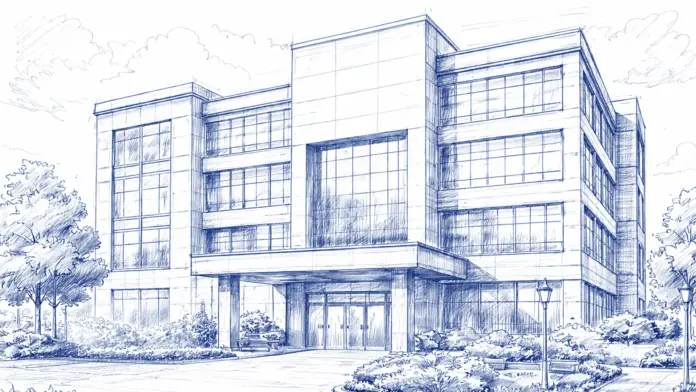
About New Place of Recovery Treatment Center
Located in Baltimore, Maryland, the New Place of Recovery Treatment Center is an addiction and mental health treatment organization. They offer outpatient treatment programs, including medication assisted treatment (MAT) and a transition housing program.
The facility is easily accessible from I-83. The organization accepts Medicaid for treatment services. They have an income based sliding fee scale for self pay clients and those with financial needs.
Convenient Downtown Baltimore Location
Conveniently located downtown, the outpatient treatment center is within walking distance of the National Aquarium and Historic Ships in Baltimore. The facility is comfortable, clean and offers confidential counseling spaces that are designed to be noninstitutional and welcoming. Clients have integrated case management services and are linked to local resources for holistic support.
Flexible Addiction Treatment Scheduling
Many clients have spoken positively about the flexible scheduling that accommodated their unique needs. They also commented on the nonjudgmental atmosphere where they were treated with respect.
The program stresses personal responsibility and accountability while gradually reintegrating clients into the community. Clinicians prioritize client empowerment, confidentiality and safety through the treatment process.
Latest Reviews



Rehab Score
 Our Methodology


Location
Addiction Treatments
Levels of Care
Commonly known as "day treatment," a partial hospitalization program (PHP) is a short-term intensive rehab option designed to provide treatment during the day and you're able to return home at night. PHP treatment offers structured programming, including individual and group therapy, typically meeting 3-5 days a week for 6-8 hours per day. PHP duration averages around 90 days, with some programs offering amenities like transportation and meals.
Clients who are leaving inpatient rehab often choose to transition into an intensive outpatient program (IOP) to receive high-level support as they reintegrate into their home, workplace, and community. Intensive outpatient rehab also benefits those at risk of relapse. Clients typically participate in nine to 20 hours of treatment weekly, with modalities ranging from psychotherapy to addiction and recovery education. Many programs also provide medication assisted treatment (MAT) and complementary care, such as nutrition counseling, and acupuncture.
Clients who are exiting detox or intensive inpatient treatment often enroll in outpatient rehab programs to ensure a robust continuity of care. Outpatient programs allow clients to remain in or return to their homes and workplaces while continuing to receive treatment, which typically includes addiction counseling and recovery-focused life skills training. Clients in opioid and/or alcohol recovery may also receive medication assisted treatment (MAT), including medication induction and maintenance, at an outpatient facility.
Treatments
Alcohol use disorder (AUD), commonly referred to as alcoholism, can be classified as mild, moderate, or severe. Each category involves unhealthy patterns of alcohol consumption and can cause harmful effects. To treat alcohol addiction at any level, alcohol rehab in Maryland is often necessary. These treatment programs provide psychological, social, and medical supports that help individuals overcome alcohol addiction and maintain long-term recovery.
Once a person has become addicted to a substance, drug rehab in Maryland is often necessary to overcome that addiction. These programs provide the tools individuals need to manage the physical, mental, and emotional issues involved and begin a successful recovery journey.
 Opioid Addiction
Programs
Adult rehab programs include therapies tailored to each client's specific needs, goals, and recovery progress. They are tailored to the specific challenges adult clients may face, including family and work pressures and commitments. From inpatient and residential treatment to various levels of outpatient services, there are many options available. Some facilities also help adults work through co-occurring conditions, like anxiety, that can accompany addiction.
Clinical Services
Individualized one on one therapy allows the therapist to focus on your specific challenges and strengths. Using a personalized approach enables the therapist to help you develop effective coping mechanisms and build a more stable and fulfilling substance free life.
Cognitive behavioral therapy and motivational interviewing techniques are often part of group therapy sessions. These are evidence based techniques that address thinking and behavioral patterns that trigger addictive behavior. Learning how to address these thought patterns can help create lasting change.
Accreditations

The Commission on Accreditation of Rehabilitation Facilities (CARF) is a non-profit organization that specifically accredits rehab organizations. Founded in 1966, CARF's, mission is to help service providers like rehab facilities maintain high standards of care.
CARF Accreditation: Yes
Contact Information


218 E Lexington St #505, Baltimore, MD 21202
Sponsored Helpline

