





























































































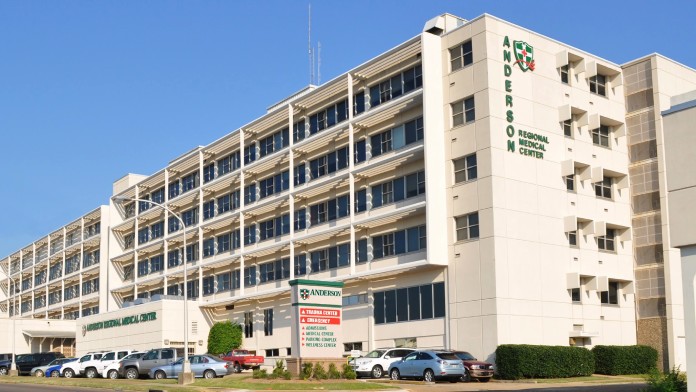
About New Vision at Anderson Regional Medical Center
Treatment at New Vision–Anderson Regional Medical Center begins with a complete medical and mental health assessment and personalized care plan.
Clients undergoing inpatient detox receive round-the-clock clinical supervision and may be prescribed FDA-approved medications to ease withdrawal symptoms and prevent potentially serious complications. Clients remain in acute inpatient care for 72 hours before being transferred to subacute residential rehab or intensive outpatient (IOP) treatment.
New Vision–Anderson Regional Medical Center’s discharge planning process begins the moment clients are admitted and assessed by their multidisciplinary team of clinicians. Their experienced caregivers will support clients through all phases of the transition from inpatient detox to residential rehab or outpatient care.
New Vision–Anderson Regional Medical Center accepts most major insurance plans, including BlueCross/BlueShield, Anthem, Aetna, Kaiser Permanente, Cigna, Human, and United Healthcare. Out of network benefits vary. Please check with your provider to verify coverage. Financial assistance is available.
Latest Reviews



Rehab Score
 Our Methodology


Gallery
Other Forms of Payment
Self-pay involves paying for treatment out of your own pocket. You can use savings or credit, get a personal loan, or receive help from family and friends to fund your treatment. If you don't have insurance or your insurance plan doesn't cover a specific program, self-pay can help ensure you still get the care you need.
Addiction Treatments
Levels of Care
Clients stepping down from inpatient care or who prefer to remain at home while receiving intensive treatment may choose to enroll in an outpatient rehab. Outpatient day treatment, partial hospitalization (PHP), and intensive outpatient programs (IOP) are designed for clients requiring more robust supervision and daily treatment. Standard outpatient services enable clients to attend addiction counseling and recovery education throughout the week, with many centers offering weekend, night, and evening sessions to accommodate clients' work and family schedules.
Inpatient rehab provides a highly supportive and structured environment for clients in early recovery and for those who are at an elevated risk of relapse. Clients remain at the treatment center for the duration of their programs, though some inpatient rehabs offer supervised group excursions. Clients engage in intensive individual, group, and or family counseling. They may also receive recovery-focused life skills training to support their sustained sobriety and community reintegration. Many programs offer holistic therapies, such as meditation.
A partial hospitalization program (PHP) is a short-term form of intensive rehab, usually for those with acute symptoms that are hard to manage but don’t require 24-hour care. PHPs have structured programming (i.e. individual and/or group therapy), and usually meet 3-5 days a week for around 6 hours (i.e. 9am-3m). Some PHPs are residential (patients sleep on site) and some are not, so patients sleep at home. PHPs can last from 1-6 months, and some offer transportation and meals.
Treatments
Substance rehabs focus on helping individuals recover from substance abuse, including alcohol and drug addiction (both illegal and prescription drugs). They often include the opportunity to engage in both individual as well as group therapy.
Programs
Adult rehab programs include therapies tailored to each client's specific needs, goals, and recovery progress. They are tailored to the specific challenges adult clients may face, including family and work pressures and commitments. From inpatient and residential treatment to various levels of outpatient services, there are many options available. Some facilities also help adults work through co-occurring conditions, like anxiety, that can accompany addiction.
Young adulthood can be an exciting, yet difficult, time of transition. Individuals in their late teens to mid-20s face unique stressors related to school, jobs, families, and social circles, which can lead to a rise in substance use. Rehab centers with dedicated young adult programs will include activities and amenities that cater to this age group, with an emphasis on specialized counseling, peer socialization, and ongoing aftercare.
Clinical Services
If you participate in cognitive behavioral therapy in Mississippi, you can expect to receive homework exercises that allow you to practice the skills you discuss during your sessions. You'll learn how to develop coping skills and change your thinking and behavior so you can break free from addiction.
Evidence based therapies offered in group therapy settings in Mississippi ensure that you are accountable to your peers. This encourages everyone to stay committed to their recovery and fosters a sense of community with other participants. You learn essential coping skills that help you navigate challenges within the community and achieve sustainable recovery.
Individual therapy for drug addiction provides you a safe nonjudgmental space to discuss your struggles and past trauma that impact addictive behavior. Your therapist offers support and guidance as you develop personalized strategies to navigate the challenges of recovery.
Counselors who apply motivational interviewing take on the roles of listening and reflecting. Their goal is to facilitate conversation about change and commitment to change. They offer support and seek to empower the client to make changes in their life.
The goal of trauma therapy is to help you heal from the effects of witnessing or experiencing a traumatic event. You are provided support to process those traumatic memories and then develop coping strategies to improve your emotional resilience and ability to cope in society.
Amenities
-
 Residential Setting
 -
 Private Rooms
Staff
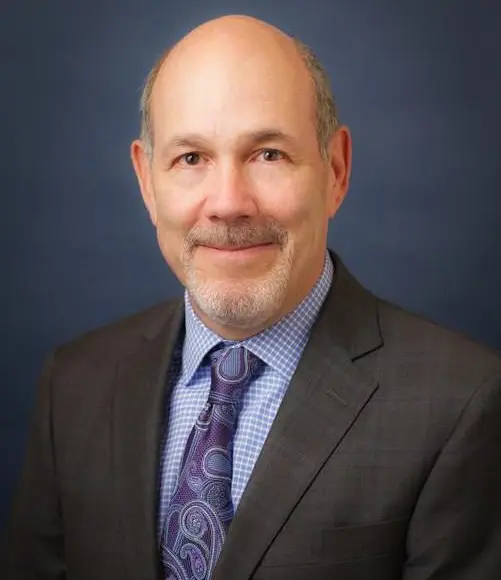
Anthony J. Torrente
President & Chief Executive Officer
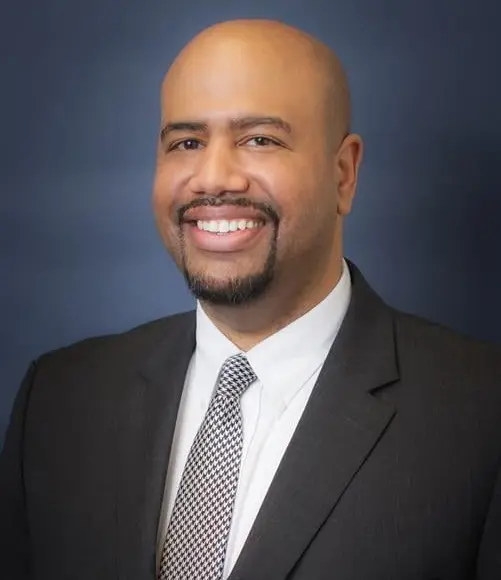
Albert Satcher, JD, MBA, CHC
Compliance Officer & Inhouse Counsel
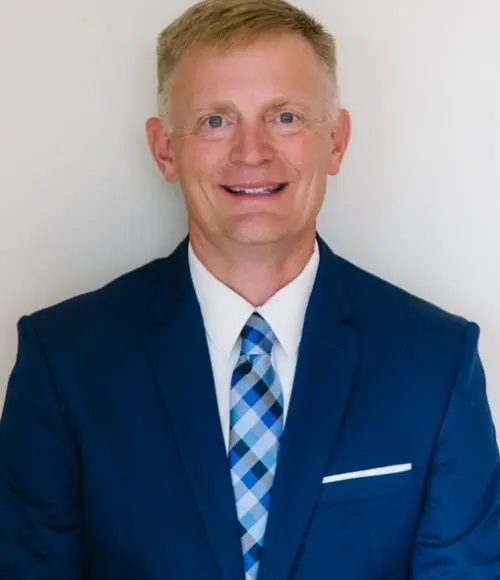
Scott Erickson, MD
Medical Director
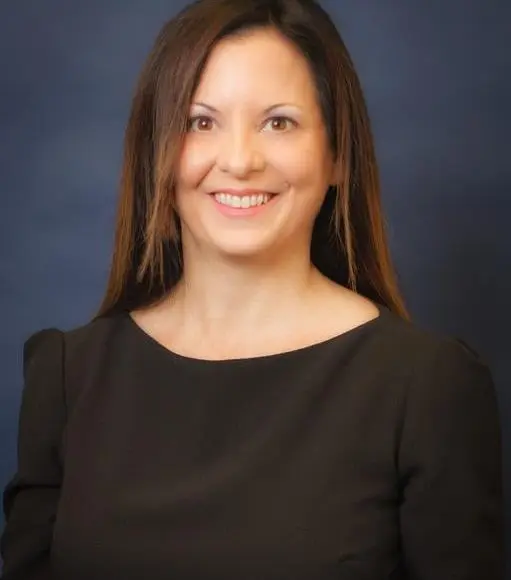
Robin Denicola, MS, CAP, SAP, BCBA
Vice President of Operations
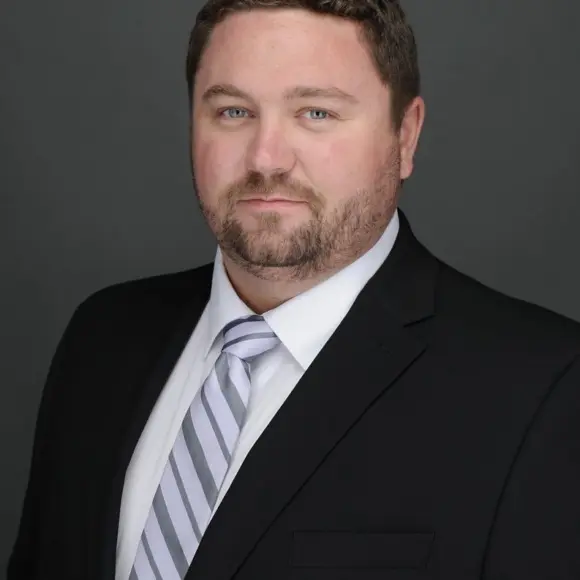
Matthew Walters, MS, RN-BC, FIAAN
Vice President of Clincal Services
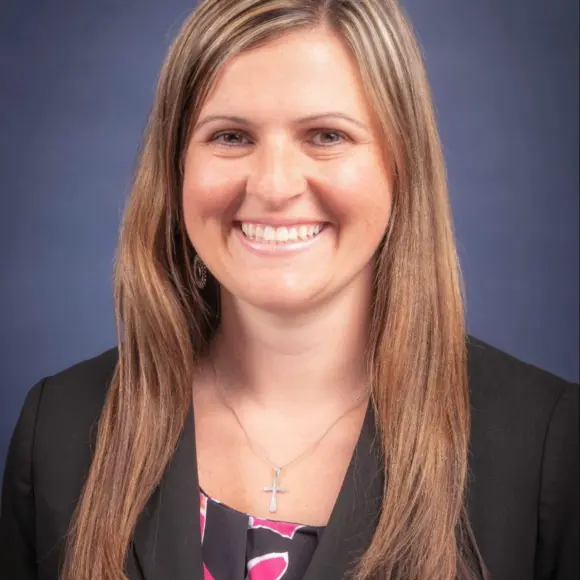
DeAnn Stull
Vice President of Business Development
Rehab.com regularly reviews this listing for accuracy but changes may occur between updates. For the most up-to-date information, please contact New Vision at Anderson Regional Medical Center.
Contact Information


2124 14th St
Meridian, MS 39301
Sponsored Helpline



