






























































































They take any excuse to use violence against children. They should be investigated. NWP is not qualified to offer any kind of treatment. I know many kids who have been traumatized for their time there.
About Northwest Child and Adolescent Center
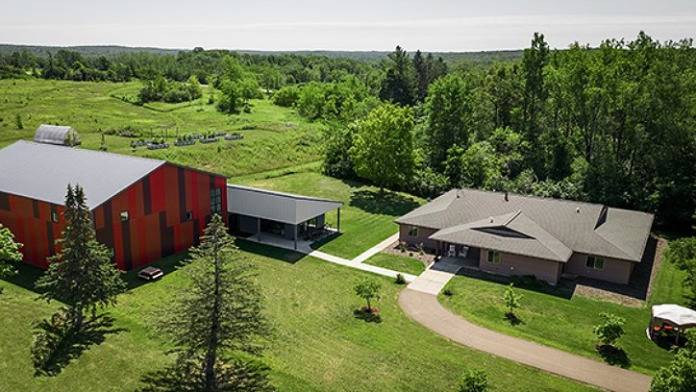
Northwest Passage (NP) is a unique organization dedicated to helping children and adolescents overcome mental health challenges with a combination of traditional, art and nature based therapy methods. Their Prairieview Campus, situated about a mile south of Frederic, Wisconsin, is a location where they offer residential care to girls aged between 12 and 17 who face a variety of mental health challenges, including chemical dependencies. Here, they provide a holistic set of treatments and therapies that aim to strengthen residents in every aspect of their lives.
Robust Treatment Expertise
At the Prairieview Campus, residents have 24 hour access to a staff member, keeping them safe and secure throughout the long term program. In this program, each resident gets one on one time with a therapist or counselor to discuss and work on their particular struggles.
For those dealing with addictions, they use the SMART recovery method to help each child develop healthy coping mechanisms and resilience. They can also provide counseling and psychiatry to deal with any dual diagnoses or co-occurring conditions, and are capable of helping manage each resident’s prescriptions (if any) effectively.
Healing in a Beautiful Setting
Apart from the programming, the Prairieview Campus’s milieu offers an amazing and tranquil location for healing. They have a gym, a cafeteria and classrooms on site to give the residents access to all the amenities needed to maintain a balanced lifestyle.
The campus’s natural setting also includes numerous hiking trails, an orchard, a greenhouse and a fire pit. Staff may also arrange outings to the Frederic Paintball Range and Skating Rink nearby.
Facility Overview
 24
24 Number of Available Beds
Latest Reviews
Fun place to run away from. I ran away a lot. I lost my croc. I hope they found him
I know this is a really late review but My treatment was back in August of 2019 and the staff were great and they were really help full and they really help me get back on track with my life and get my mental health good and stable to good back out in to the community and the cooking staff were really good the food was really good and the staff really helped help me with my anger issues and helped me manage them better and the staff were just so helpful and the nurses were really nice to when they handed out my medication and my teacher was really helpful and nice to he was fun to we played a lot of games so I just want to thank you staff for helping me get my life and my mental health back together and stable to be able to go out in to the community and really appreciate and in joy what you staff help me with when I did my 30 days there thank you so much 💕❤️💕💕💕❤️❤️❤️💕💕💯💯💯💯💯
I am finally giving this a review roughly 8 years after I left that 30 day transition program. Let’s be honest here, there was some rough moments while I was being assessed but that’s to be expected, why? Because everyone has different needs and working in that type of field, dealing with troubled kids, can be a difficult job. Here are my pros and cons.
KEEP IN MIND THAT THIS REVIEW WAS FROM ROUGHLY 8 YEARS AGO.
Cons:
1) I remembered a staff trimming her nails in the cafeteria while we were having breakfast and to me. It seems like some staff back in the day, worked there just for the convenience.
2) I was treated poorly by other patients in my group because they assumed false things about me.
3) The way they disciplined misbehaved kids was a bit cruel. After they restrained them, they would put them in a concrete room with pads full of (maybe memory foam). Each kid was told to sit on the pad (in the middle of the room) and calm down. There was a security camera in that room for safety, while there was a staff standing outside the room. There was a window high enough for the staff to peek into the room. I personally was in that room a few times and it felt horrible. The only positive thing that came out of that room was being on the other side, being with the group and feeling safe that the misbehaved kid wasn’t with our group for X amount of time.
PRO:
1) I learned what essential oils were and how useful they are to help calm the mind. I remembered a nighttime staff going out of her way to find a specific essential oil for me that was in a different part of the building, so that I can smell it throughout the night and relax during a tough time.
2) I remembered friendly compititions, popsicle stick catapults, street hockey and other friendly compititions where the winner gets one free meal from subway
3) I learned that photography is a great coping skills as well as essential oils.
4) despite having some issues with some other patients, I got a long with other patients.
5) We went to the Burch Barn to do the corn maze
6) we also went to the ecomart to grab some marshmallow fluff
7) despite feeling like some staff are working there for the convenience, I feel like the majority of the staff there are working to help misbehave kids.
8) Staff are very observant and responsive towards misbehaved kids and things that might develop.
Q) Why are you posting this review now and not years ago
A) I am posting this review now because I feel like I have reached my peak at changing. I will admit, it has taken years to change my behavior and learn how to live my life with my new behavior. I am in college for photography and this year is my first year as a freelance photographer. I have reached so many milestones this year, I feel like I have changed who I was and became a better person, with help from Northwest Passage.
I recommend this place to families with stuggling kids because even though I have had some negative experience at this place, I genuinely feel like they want to help those kids develop helpful skills as well as helping families too.

Rehab Score
 Our Methodology
Scoring is assigned by a proprietary system which helps surface key metrics that determine quality. The 10-point scale factors in categories such as operations, customer satisfaction, and trust metrics. Read Full Methodology

5.8 / 10
Gallery
Other Forms of Payment
Medicaid is a state based program that helps lower-income individuals and families pay for healthcare. Medicaid covers addiction treatment so those enrolled can use their coverage to pay for rehab. When a program accepts Medicaid the client often pays very little or nothing out of their own pocket.
Private insurance refers to any kind of healthcare coverage that isn't from the state or federal government. This includes individual and family plans offered by an employer or purchased from the Insurance Marketplace. Every plan will have different requirements and out of pocket costs so be sure to get the full details before you start treatment.
Self-pay involves paying for treatment out of your own pocket. You can use savings or credit, get a personal loan, or receive help from family and friends to fund your treatment. If you don't have insurance or your insurance plan doesn't cover a specific program, self-pay can help ensure you still get the care you need.
Financial aid can take many forms. Centers may have grants or scholarships available to clients who meet eligibility requirements. Programs that receive SAMHSA grants may have financial aid available for those who need treatment as well. Grants and scholarships can help you pai for treatment without having to repay.
Military members, veterans, and eligible dependents have access to specific insurance programs that help them get the care they need. TRICARE and VA insurance can help you access low cost or no cost addiction and mental health treatment. Programs that accept military insurance often have targeted treatment focused on the unique challenges military members, veterans, and their families face.
Sliding scale payments are based on a client's income and family size. The goal is to make treatment affordable to everyone. By taking these factors into account, addiction recovery care providers help ensure that your treatment does not become a financial burden to you or your family, eliminating one barrier to care.
Addiction Treatments
Levels of Care
Residential treatment programs are those that offer housing and meals in addition to substance abuse treatment. Rehab facilities that offer residential treatment allow patients to focus solely on recovery, in an environment totally separate from their lives. Some rehab centers specialize in short-term residential treatment (a few days to a week or two), while others solely provide treatment on a long-term basis (several weeks to months). Some offer both, and tailor treatment to the patient's individual requirements.
Treatments
Many of those suffering from addiction also suffer from mental or emotional illnesses like schizophrenia, bipolar disorder, depression, or anxiety disorders. Rehab and other substance abuse facilities treating those with a dual diagnosis or co-occurring disorder administer psychiatric treatment to address the person's mental health issue in addition to drug and alcohol rehabilitation.
Mental health rehabs focus on helping individuals recover from mental illnesses like bipolar disorder, clinical depression, anxiety disorders, schizophrenia, and more. Mental health professionals at these facilities are trained to understand and treat mental health issues, both in individual and group settings.
Treatment for alcohol use disorder (AUD) is available in several formats and levels of care. The treatment process address various issues that contribute to a dependence on alcohol (often referred to as alcoholism). Alcohol rehab in Wisconsin provides the tools and supports you'll need to overcome AUD and maintain long-term sobriety.
The goal of drug rehab in Wisconsin is to address drug addiction as a complex issue that involves physical, mental, and relational aspects. During rehab, treatment focuses on each of these areas and gives you the tools you need to achieve and maintain sobriety.
 Opioid Addiction
Dual-diagnosis treatment programs in Wisconsin can provide substance abuse treatment for individuals facing addiction and co-occurring mental health disorders. You can usually find treatment to suit your individual needs, whether that is inpatient, outpatient, or day treatment. These programs utilize evidence-based therapies such as cognitive-behavioral therapy (CBT), dialectical behavior therapy (DBT), and mindfulness-based interventions to help you relearn new thought patterns, develop new coping strategies, and learn the skills to maintain recovery.
Programs
Teen programs are designed to address the unique pressures teens face, pressures that can drive them to experiment with dangerous, addictive substances. They need programs that meet them exactly where they are and give them tools for long-term recovery. Therapy can help teenagers understand and work through underlying issues so they can reclaim the life ahead of them.
The providers who specialize in the children's rehab space understand the specialized needs that this population faces. School-based and social services such as tutoring and family counseling are often central to treatment. Child programs may also address the needs of youth experiencing substance abuse in the home, including a parent's or sibling's addiction.
Clinical Services
Cognitive Behavioral Therapy (CBT) is a therapy modality that focuses on the relationship between one's thoughts, feelings, and behaviors. It is used to establish and allow for healthy responses to thoughts and feelings (instead of unhealthy responses, like using drugs or alcohol). CBT has been proven effective for recovering addicts of all kinds, and is used to strengthen a patient's own self-awareness and ability to self-regulate. CBT allows individuals to monitor their own emotional state, become more adept at communicating with others, and manage stress without needing to engage in substance abuse.
Whether a marriage or other committed relationship, an intimate partnership is one of the most important aspects of a person's life. Drug and alcohol addiction affects both members of a couple in deep and meaningful ways, as does rehab and recovery. Couples therapy and other couples-focused treatment programs are significant parts of exploring triggers of addiction, as well as learning how to build healthy patterns to support ongoing sobriety.
Dialectical Behavior Therapy (DBT) is a modified form of Cognitive Behavioral Therapy (CBT), a treatment designed to help people understand and ultimately affect the relationship between their thoughts, feelings, and behaviors. DBT is often used for individuals who struggle with self-harm behaviors, such as self-mutilation (cutting) and suicidal thoughts, urges, or attempts. It has been proven clinically effective for those who struggle with out-of-control emotions and mental health illnesses like Borderline Personality Disorder.
Experiential therapy is a form of therapy in which clients are encouraged to surface and work through subconscious issues by engaging in real-time experiences. Experiential therapy departs from traditional talk therapy by involving the body, and having clients engage in activities, movements, and physical and emotional expression. This can involve role-play or using props (which can include other people). Experiential therapy can help people process trauma, memories, and emotion quickly, deeply, and in a lasting fashion, leading to substantial and impactful healing.
Research clearly demonstrates that recovery is far more successful and sustainable when loved ones like family members participate in rehab and substance abuse treatment. Genetic factors may be at play when it comes to drug and alcohol addiction, as well as mental health issues. Family dynamics often play a critical role in addiction triggers, and if properly educated, family members can be a strong source of support when it comes to rehabilitation.
Group therapy is any therapeutic work that happens in a group (not one-on-one). There are a number of different group therapy modalities, including support groups, experiential therapy, psycho-education, and more. Group therapy involves treatment as well as processing interaction between group members.
In individual therapy, a patient meets one-on-one with a trained psychologist or counselor. Therapy is a pivotal part of effective substance abuse treatment, as it often covers root causes of addiction, including challenges faced by the patient in their social, family, and work/school life.
Nutrition therapy, aka medical nutrition therapy (MNT), is a way of treating physical, emotional, and medical conditions through diet. Specific dietary plans are designed by professional nutritionists or registered dietitians, and patients follow them in order to positively affect their physical and mental health.
Trauma therapy addresses traumatic incidents from a client's past that are likely affecting their present-day experience. Trauma is often one of the primary triggers and potential causes of addiction, and can stem from child sexual abuse, domestic violence, having a parent with a mental illness, losing one or both parents at a young age, teenage or adult sexual assault, or any number of other factors. The purpose of trauma therapy is to allow a patient to process trauma and move through and past it, with the help of trained and compassionate mental health professionals.
 Equine Therapy
Amenities
-
 Residential Setting
Staff & Accreditations
Staff
Dr. David Ammend
Medical Director
Martin Dikkers
Vice-president, BOD
Kelly Hibbs
President, BOD

Mark Elliott
Executive Director
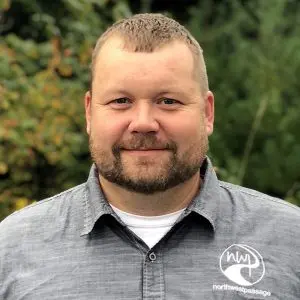
Andy Flottum, MSE
Program Director
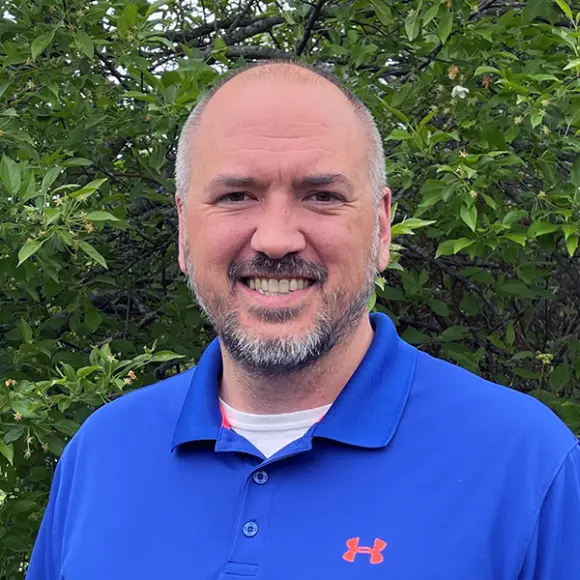
John Jacobs
CFO
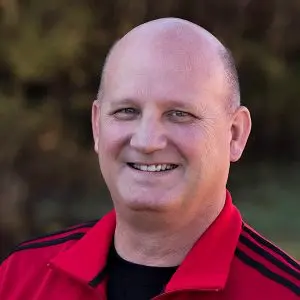
Bill Jury
Operations Director
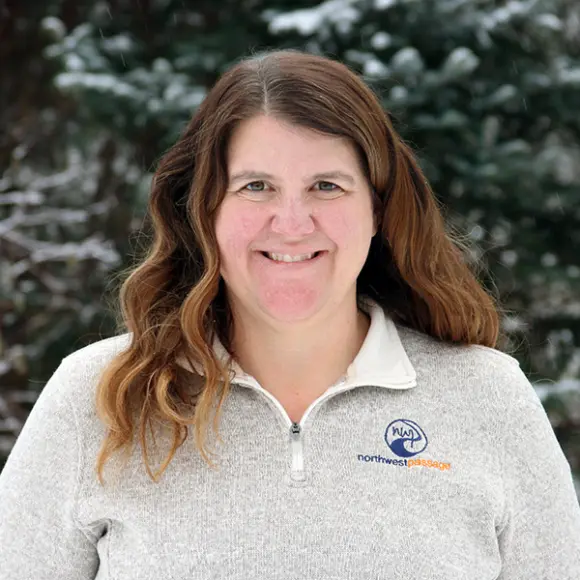
Ellen Race
Director of Residential Services
Accreditations

State Licenses are permits issued by government agencies that allow rehab organizations to conduct business legally within a certain geographical area. Typically, the kind of program a rehab facility offers, along with its physical location, determines which licenses are required to operate legally.
State License: Wisconsin
Rehab.com regularly reviews this listing for accuracy but changes may occur between updates. For the most up-to-date information, please contact Northwest Child and Adolescent Center.
Contact Information

203 United Way
Frederic, WI 54837
Get Help Now - 608-856-5059
Sponsored Helpline
Sponsored Helpline



