






























































































Can't believe how dirty this place was! All of the staff I met were horrible, when I tried to explain my issues and how they were affecting my life I saw a lack of empathy on their faces. I ended up leaving and seeking treatment elsewhere.
About Northwest Regional Health
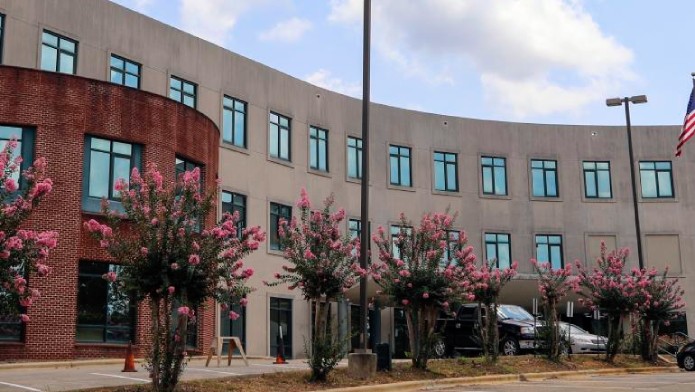
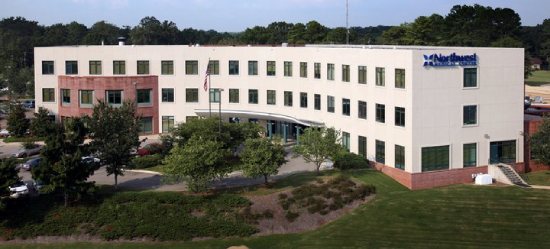
North Mississippi Health Services South Marion is a full service community hospital in Winfield, Alabama that offers medical detox and behavioral health care.
The facility treats mental health and substance use disorders for adult and senior populations with integrated hospital care.
Their approach combines addiction and psychiatric treatment with the backing of an acute care medical setting where you can heal with support close to home.
Medical Detox With Hospital Support
Medical detox is delivered in the hospital to provide you access to emergency, critical care and medical resources during withdrawal.
The integrated model offers a perfect fit for those who may need medical monitoring during their recovery.
Treatment approaches include individual psychotherapy, group therapy, activity therapy and telehealth options.
Patients can access antipsychotic medication services and tobacco cessation support with care coordinated by an on-site case management team.
Geriatric Psychiatric Care for Older Adults
A dedicated 10-bed geriatric psychiatric unit anchors the hospital’s behavioral health focus for seniors.
This specialized unit addresses the unique mental health needs of older adults delivering psychiatric care within a supportive inpatient environment tailored to their well-being.
Latest Reviews
The staff , the DRs , the Nurses ,Techs , cafeteria workers, heck the maintenance guys and the lady’s that cleaned the rooms made my family feel like we was in our little small town in Arkansas where everyone knows and cares about everyone. 10/19/25 my daughter 20 years old was passing through the area on her way home from Atlanta when emergency struck , she had to have a life saving emergency surgery, these folks from the paramedics ER team ,3rd floor staff along with 2 very special Doctors saved our daughters life and we ar forever grateful this small hospital may not be not be new but it is filled with the best professionals/ people in the world that take care of business. I hope you never need them ,but in the instance you do know you are in well trained loving hands. Thank you 🙏 North West
This Hospital is top notch h the staff are excellent from The Doctors, CRNA, RNs, LPNs, Techs, Cleaning staff, dietary there was not a single person that wasn’t excellent!! They saved our daughters life in an emergent situation and they all checked on her frequently after. 100% recommend this hospital!!
In been to so many hospitals in the last 20 years over my health issues, I can only say this hospital is hands down the greatest hospital I’ve ever been in. From the er room thank you for your fast acting response and great care as soon as I pulled up , to the cleaning staff for doing such an amazing job cleaning up after me in my room , to the nursing staff wow thank you all so much you guys are the absolute sweetest people ever in a hospital and to the doctor man I can definitely say you are there to help hess as l people it’s not about the money to you or any of the nursing staff you all are so loving caring spirit filled I’ve ever seen thank you for everything, to ginger wow my and my daughters life is about to change because you cared enough to help us find a safe place to live god bless you , to the administrator wow you have the greatest staff a hospital could ask for and you come to my room and introduced yourself that was new to me that don’t ever happen where I’m from thank you for hiring the staff you have there god bless you all and thank you to the third floor staff I can’t say thank you enough God bless you all

Rehab Score
 Our Methodology
Scoring is assigned by a proprietary system which helps surface key metrics that determine quality. The 10-point scale factors in categories such as operations, customer satisfaction, and trust metrics. Read Full Methodology

6.2 / 10
Gallery
Accepted Insurance
Other Forms of Payment
Medicaid is a state based program that helps lower-income individuals and families pay for healthcare. Medicaid covers addiction treatment so those enrolled can use their coverage to pay for rehab. When a program accepts Medicaid the client often pays very little or nothing out of their own pocket.
Private insurance refers to any kind of healthcare coverage that isn't from the state or federal government. This includes individual and family plans offered by an employer or purchased from the Insurance Marketplace. Every plan will have different requirements and out of pocket costs so be sure to get the full details before you start treatment.
Self-pay involves paying for treatment out of your own pocket. You can use savings or credit, get a personal loan, or receive help from family and friends to fund your treatment. If you don't have insurance or your insurance plan doesn't cover a specific program, self-pay can help ensure you still get the care you need.
Medicare is a federal program that provides health insurance for those 65 and older. It also serves people under 65 with chronic and disabling health challenges. To use Medicare for addiction treatment you need to find a program that accepts Medicare and is in network with your plan. Out of pocket costs and preauthorization requirements vary, so always check with your provider.
Military members, veterans, and eligible dependents have access to specific insurance programs that help them get the care they need. TRICARE and VA insurance can help you access low cost or no cost addiction and mental health treatment. Programs that accept military insurance often have targeted treatment focused on the unique challenges military members, veterans, and their families face.
Addiction Treatments
Levels of Care
Outpatient Programs (OP) are for those seeking mental rehab or drug rehab, but who also stay at home every night. The main difference between outpatient treatment (OP) and intensive outpatient treatment (IOP) lies in the amount of hours the patient spends at the facility. Most of the time an outpatient program is designed for someone who has completed an inpatient stay and is looking to continue their growth in recovery. Outpatient is not meant to be the starting point, it is commonly referred to as aftercare.
Residential treatment programs are those that offer housing and meals in addition to substance abuse treatment. Rehab facilities that offer residential treatment allow patients to focus solely on recovery, in an environment totally separate from their lives. Some rehab centers specialize in short-term residential treatment (a few days to a week or two), while others solely provide treatment on a long-term basis (several weeks to months). Some offer both, and tailor treatment to the patient's individual requirements.
Intensive outpatient programs (IOP) are designed for clients in early recovery and those at an elevated risk of relapse. Clients in IOP attend outpatient therapy sessions for a minimum of nine hours per week but clients may receive as many as 20 hours of IOP treatment weekly. Sessions generally occur in 3-5 hour blocks, in which time clients engage in some combination of medication assisted treatment (MAT), psychotherapy, recovery skills training, or complementary care.
Rehab aftercare programs are designed to provide support to you after completing an addiction treatment program. These programs are highly customized and evolve with your changing needs. You'll partner with staff at the treatment center to identify any specific medical, behavioral, and social services needed to support your sustained sobriety. Aftercare services may include peer coaching, career counseling, and other personalized support.
A drug intervention in Alabama is an organized attempt to convince someone they have a substance use issue and that they need treatment. During an intervention, loved ones share their concerns about the person's substance use and encourage them to get help. A professional can provide guidance and support for this effort through intervention services, to help participants avoid missteps and increase the success of the intervention.
A partial hospitalization program (PHP) provides comprehensive treatment to those who do not require 24/7 monitoring and offers a higher level of care than outpatient programs. Often referred to as "day treatment" patients typically attend sessions a minimum of 20 hours weekly, allowing clients to return home each day. PHP treatment is often covered by insurance and can provide daily therapeutic sessions and services such as relapse prevention and medication management.
At certain points in the recovery process, it's important to have medical support available around the clock, and 24-hour clinical care in Alabama offers a safe environment in which you can begin your recovery journey. This feature offers constant supervision in situations like medical detox, where a team of professionals are on hand to ensure the withdrawal processs is performed safely and comfortably.
Medically assisted detox is often the first step of addiction treatment. At the medical detox level of care, you are weaning your body off drugs and/or alcohol under the care of licensed medical professionals who constantly monitor your health and treat any potential withdrawal symptoms, sometimes with the aid of medication (like Suboxone or Vivitrol).
Treatments
Many of those suffering from addiction also suffer from mental or emotional illnesses like schizophrenia, bipolar disorder, depression, or anxiety disorders. Rehab and other substance abuse facilities treating those with a dual diagnosis or co-occurring disorder administer psychiatric treatment to address the person's mental health issue in addition to drug and alcohol rehabilitation.
Mental health rehabs focus on helping individuals recover from mental illnesses like bipolar disorder, clinical depression, anxiety disorders, schizophrenia, and more. Mental health professionals at these facilities are trained to understand and treat mental health issues, both in individual and group settings.
Programs
Adult rehab programs include therapies tailored to each client's specific needs, goals, and recovery progress. They are tailored to the specific challenges adult clients may face, including family and work pressures and commitments. From inpatient and residential treatment to various levels of outpatient services, there are many options available. Some facilities also help adults work through co-occurring conditions, like anxiety, that can accompany addiction.
Young adulthood can be an exciting, yet difficult, time of transition. Individuals in their late teens to mid-20s face unique stressors related to school, jobs, families, and social circles, which can lead to a rise in substance use. Rehab centers with dedicated young adult programs will include activities and amenities that cater to this age group, with an emphasis on specialized counseling, peer socialization, and ongoing aftercare.
Serving in the military is both mentally and physically challenging, and can result in trauma that persists even after combat ends. Military programs are tailored to the specific and often complex needs of active duty personnel, veterans, and military families. Clients often access these programs through the U.S. Department of Veterans Affairs (VA).
Clinical Services
The goal of cognitive behavioral therapy in Alabama is to lessen the symptoms of certain mental health conditions, including substance abuse and co occurring mental health disorders. It is known as one of the most effective means of treatment for these conditions.
Dialectical behavior therapy (DBT) is a form of talk therapy designed to treat individuals who are experiencing intense emotions. It is often used in Alabama for the treatment of borderline personality disorder, substance use disorder, and other mental health conditions.
Group therapy is any therapeutic work that happens in a group (not one-on-one). There are a number of different group therapy modalities, including support groups, experiential therapy, psycho-education, and more. Group therapy involves treatment as well as processing interaction between group members.
In individual therapy, a patient meets one-on-one with a trained psychologist or counselor. Therapy is a pivotal part of effective substance abuse treatment, as it often covers root causes of addiction, including challenges faced by the patient in their social, family, and work/school life.
Whether a marriage or other committed relationship, an intimate partnership is one of the most important aspects of a person's life. Drug and alcohol addiction affects both members of a couple in deep and meaningful ways, as does rehab and recovery. Couples therapy and other couples-focused treatment programs are significant parts of exploring triggers of addiction, as well as learning how to build healthy patterns to support ongoing sobriety.
Research clearly demonstrates that recovery is far more successful and sustainable when loved ones like family members participate in rehab and substance abuse treatment. Genetic factors may be at play when it comes to drug and alcohol addiction, as well as mental health issues. Family dynamics often play a critical role in addiction triggers, and if properly educated, family members can be a strong source of support when it comes to rehabilitation.
Life skills are an essential part of addiction recovery. These skills help you succeed in day to day life and live independently. They fall into three main categories: interpersonal skills, thinking skills, and self awareness. Treatment involves developing these skills for a successful recovery.
Nicotine Replacement Therapy (NRT) is a way of getting nicotine into the bloodstream without smoking. It uses products that supply low doses of nicotine to help people stop smoking. The goal of therapy is to cut down on cravings for nicotine and ease the symptoms of nicotine withdrawal.
Recreational therapy in Alabama integrates sports, art, and outdoor adventures into drug and alcohol addiction treatment. This promotes physical, mental, and emotional health alongside improving social skills, offering a holistic approach to sobriety. Recreational therapy can help you rebuild your life within a supportive and engaging environment.
Experiential therapy is a form of therapy in which clients are encouraged to surface and work through subconscious issues by engaging in real-time experiences. Experiential therapy departs from traditional talk therapy by involving the body, and having clients engage in activities, movements, and physical and emotional expression. This can involve role-play or using props (which can include other people). Experiential therapy can help people process trauma, memories, and emotion quickly, deeply, and in a lasting fashion, leading to substantial and impactful healing.
Amenities
-
 Yoga Studio
 -
 Residential Setting
 -
 Private Rooms
Staff

Jim L. Dickinson
President

Raymond Spann
Vice President
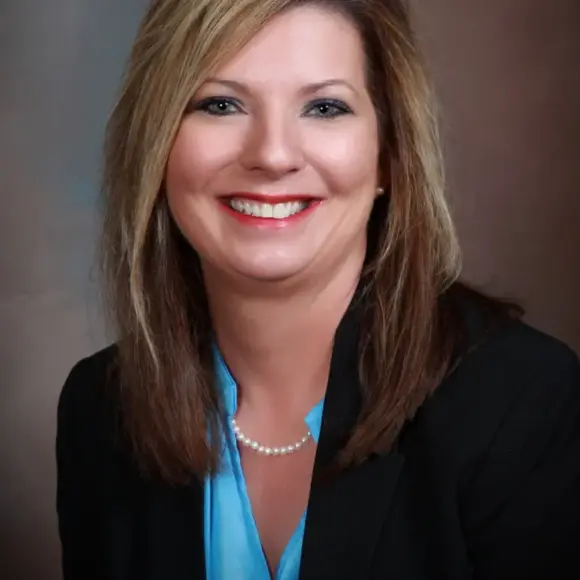
Cathy Mitchell, MSN, RN, NE-BC
Chief Executive Officer
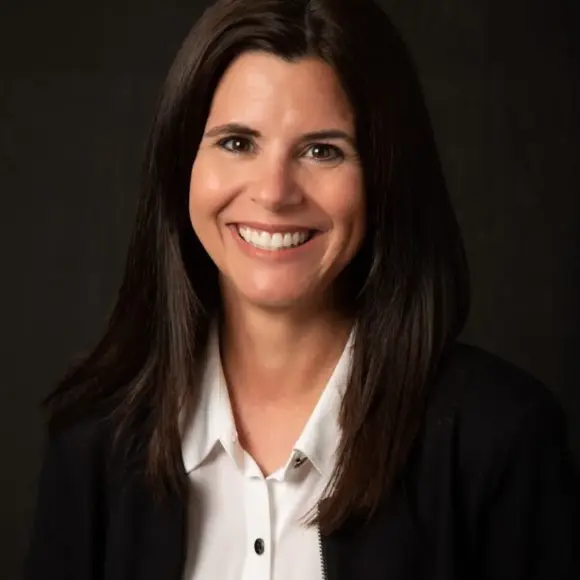
Keri Moody, MBA
Chief Operating Officer
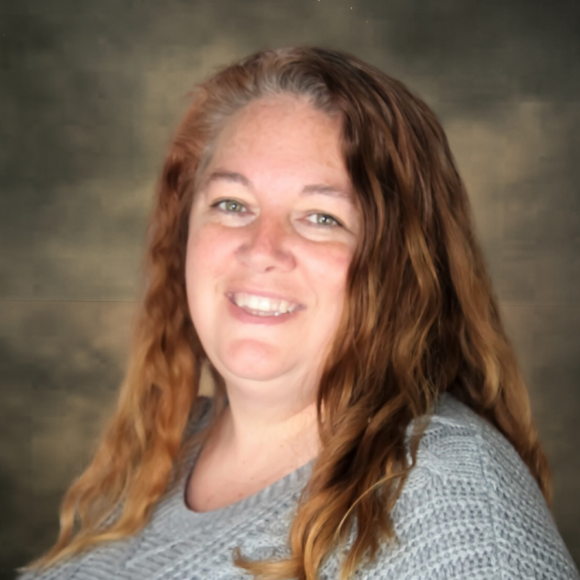
Dawn Parrish, RN
Director of Quality, PI and Risk Management
Rehab.com regularly reviews this listing for accuracy but changes may occur between updates. For the most up-to-date information, please contact Northwest Regional Health.
Contact Information

1530 US-43
Winfield, AL 35594
Get Help Now - 256-434-9461
Sponsored Helpline
Sponsored Helpline


