















































































































About Pilsen Wellness Center – Gage Park
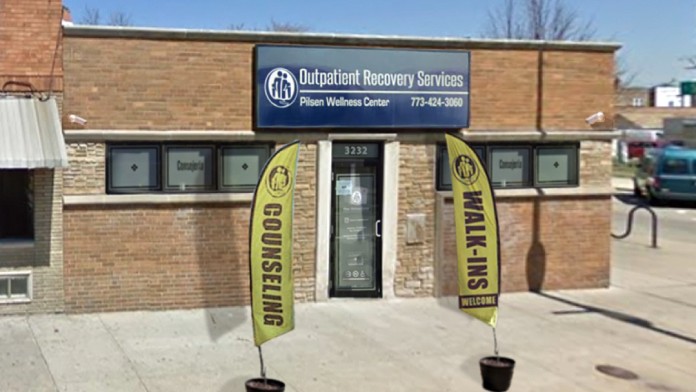
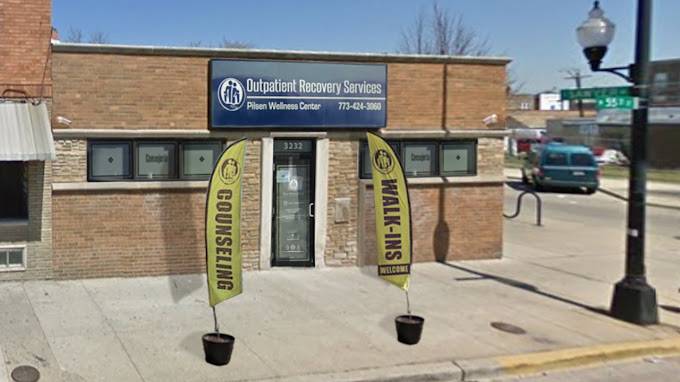
Pilsen Wellness Center – Gage Park in Chicago, Illinois, provides outpatient treatment to support you in your recovery from substance use disorders. Located near Gage Park, the setting of this center offers luxurious green spaces for relaxation to complement and enhance your treatments. While you’re in the area, you can also check out Marquette Park for a picnic or a therapeutic stroll.
We are impressed by the testimonials of past clients who’ve used the services of Pilsen Wellness Center. They report receiving powerful and effective help after years of struggling as well as good support for completing compliance requirements for court orders.
They take Medicaid and many private insurance plans. They can also provide sliding scales based on income and household size and payment assistance depending on your circumstances.
Adolescent Substance Use Treatment (ASUTS) in Gage Park
If your adolescent is between the ages of 13 and 17, their ASUTS can support them in a big way. Specifically, this program entails robust drug education and support to teach coping strategies for stressors. There are also group counseling sessions and relapse prevention support to help your adolescent stay healthy and continue to avoid substances. Their aftercare also includes toxicology testing to assist you in protecting your adolescent and catching any substance concerns early.
Extensive Outpatient Services
We like the broad array of outpatient services extended by Pilsen Wellness Center to help you conquer substance use disorder and set you free on your path to recovery. With this treatment, you can expect private one on one counseling sessions and group-based supportive therapy. There are also education programs to equip you not only to heal from substances but stay healthy. We feel this comprehensive approach is great because it provides something for everyone.
Latest Reviews



Rehab Score
 Our Methodology


Gallery
Accepted Insurance

Other Forms of Payment
Medicaid is a state based program that helps lower-income individuals and families pay for healthcare. Medicaid covers addiction treatment so those enrolled can use their coverage to pay for rehab. When a program accepts Medicaid the client often pays very little or nothing out of their own pocket.
Private insurance refers to any kind of healthcare coverage that isn't from the state or federal government. This includes individual and family plans offered by an employer or purchased from the Insurance Marketplace. Every plan will have different requirements and out of pocket costs so be sure to get the full details before you start treatment.
Self-pay involves paying for treatment out of your own pocket. You can use savings or credit, get a personal loan, or receive help from family and friends to fund your treatment. If you don't have insurance or your insurance plan doesn't cover a specific program, self-pay can help ensure you still get the care you need.
Financial aid can take many forms. Centers may have grants or scholarships available to clients who meet eligibility requirements. Programs that receive SAMHSA grants may have financial aid available for those who need treatment as well. Grants and scholarships can help you pai for treatment without having to repay.
Sliding scale payments are based on a client's income and family size. The goal is to make treatment affordable to everyone. By taking these factors into account, addiction recovery care providers help ensure that your treatment does not become a financial burden to you or your family, eliminating one barrier to care.
Medicare is a federal program that provides health insurance for those 65 and older. It also serves people under 65 with chronic and disabling health challenges. To use Medicare for addiction treatment you need to find a program that accepts Medicare and is in network with your plan. Out of pocket costs and preauthorization requirements vary, so always check with your provider.
Addiction Treatments
Levels of Care
Outpatient Programs (OP) are for those seeking mental rehab or drug rehab, but who also stay at home every night. The main difference between outpatient treatment (OP) and intensive outpatient treatment (IOP) lies in the amount of hours the patient spends at the facility. Most of the time an outpatient program is designed for someone who has completed an inpatient stay and is looking to continue their growth in recovery. Outpatient is not meant to be the starting point, it is commonly referred to as aftercare.
Loved ones can utilize a drug intervention in Illinois to help with addressing a family member's problematic substance use. The goal of the intervention is to educate the individual about the negative effects of their substance use and encourage them to accept professional treatment. Intervention services can help families initiate this conversation and plan appropriate follow-up care, such as inpatient or outpatient rehab.
During the medically supervised detox process, licensed medical professionals monitor your vitals and administer medications meant to help alleviate the physical symptoms of withdrawal. The process can take between five and seven days, although the actual length depends on your individual needs. In most cases, medically assisted detox is partially, if not fully, covered by insurance.
Treatments
Mental health rehabs focus on helping individuals recover from mental illnesses like bipolar disorder, clinical depression, anxiety disorders, schizophrenia, and more. Mental health professionals at these facilities are trained to understand and treat mental health issues, both in individual and group settings.
Programs
Adult rehab programs include therapies tailored to each client's specific needs, goals, and recovery progress. They are tailored to the specific challenges adult clients may face, including family and work pressures and commitments. From inpatient and residential treatment to various levels of outpatient services, there are many options available. Some facilities also help adults work through co-occurring conditions, like anxiety, that can accompany addiction.
Young adulthood can be an exciting, yet difficult, time of transition. Individuals in their late teens to mid-20s face unique stressors related to school, jobs, families, and social circles, which can lead to a rise in substance use. Rehab centers with dedicated young adult programs will include activities and amenities that cater to this age group, with an emphasis on specialized counseling, peer socialization, and ongoing aftercare.
Clinical Services
Research clearly demonstrates that recovery is far more successful and sustainable when loved ones like family members participate in rehab and substance abuse treatment. Genetic factors may be at play when it comes to drug and alcohol addiction, as well as mental health issues. Family dynamics often play a critical role in addiction triggers, and if properly educated, family members can be a strong source of support when it comes to rehabilitation.
Group therapy is any therapeutic work that happens in a group (not one-on-one). There are a number of different group therapy modalities, including support groups, experiential therapy, psycho-education, and more. Group therapy involves treatment as well as processing interaction between group members.
In individual therapy, a patient meets one-on-one with a trained psychologist or counselor. Therapy is a pivotal part of effective substance abuse treatment, as it often covers root causes of addiction, including challenges faced by the patient in their social, family, and work/school life.
During couples therapy in Illinois, you may work on a variety of relationship challenges. Couples therapy can address topics such as finances, children, health, addiction, intimacy, external stressors, and family relationships. You'll develop tools to address these types of challenges in healthy ways.
Amenities
-
 Residential Setting
Accreditations

The Commission on Accreditation of Rehabilitation Facilities (CARF) is a non-profit organization that specifically accredits rehab organizations. Founded in 1966, CARF's, mission is to help service providers like rehab facilities maintain high standards of care.
CARF Accreditation: Yes
Contact Information


3232 West 55th Street
Chicago, IL 60632
Sponsored Helpline


