Our Rehab Score is designed to make it easier for you to find the best treatment centers. We combine overall ratings with recent feedback to create a score that reflects a center's quality right now.
Our Rehab Score is designed to make it easier for you to find the best treatment centers. We combine overall ratings with recent feedback to create a score that reflects a center's quality right now.
7.92 / 10
About Pines Recovery Life
They offer three levels of treatment including evaluation, stabilization and aftercare. One thing that stands out to me is that they are able to treat 40 individuals at one time. In addition to their detox services, you will have the chance to engage in intensive outpatient programing, partial hospitalization services, and medication assisted treatment.
Another thing that stands out to me is that they can also provide you with a wellness program. This includes IV infusion therapy, electroanalgesia therapy, and deep tissue laser therapy. Their wellness program is designed to help you treat issues associated with your physical health to make the road to recovery better. This can help set you up for success.
Pines Recovery Life was absolutely the best choice I could’ve made to get sober and help save my life! I’ve been struggling with alcoholism for approximately 15 years with limited success staying sober. I live in Savannah, Georgia and decided to attend treatment for my alcoholism in Broward County Florida for a new environment. Originally, I had difficulty finding a high medical detox facility that accepted my insurance due to my medical condition. I was diagnosed with Stage 4 colon cancer this past March. Fortunately, Pines Recovery Life is one of the providers in my network with CHAMPVA that also provides a medically supervised detox program. The entire staff and my case manager went above and beyond to accommodate all of my medical needs. This included assisting with transferring my medical records from the cancer center in Savannah to a local hospital within 20 minutes of the rehab center, maintaining my doctor’s appointments, and most importantly ensuring that I was able to still continue on schedule with my regular chemotherapy sessions while completing my addiction treatment. They provided transportation to all of my appointments and even stayed with me for emotional support throughout the visit. This facility provided me with my own personal room with a full bathroom in the room with a queen bed! They went out of their way to make sure I was as comfortable as possible throughout my treatment process!
I was assigned to a therapist with expertise in addiction services who provided me with the tools to maintain my sobriety, moving forward along on my recovery journey. I would highly recommend this facility to anyone and everyone struggling with alcoholism or addiction!
Staff was friendly and helpful. Therapists were very helpful and nursing staff was nice. Techs were friendly and helpful. Especially Darren (Steve's son), Zach and Maddy who we bonded over watching Anime together.
I’m incredibly grateful for my experience at Pines Recovery Life. The people there have been so supportive, compassionate, and genuinely invested in helping me move forward. From the staff to the overall environment, I felt like I was treated with kindness, respect, and understanding.
Recovery isn’t always easy, but having people around you who truly care can make such a huge difference. I appreciate all the support, guidance, and encouragement I received during my time there. I’m leaving with a lot of gratitude for the people who helped me along the way and for the opportunity to continue growing and building a better life.
I would definitely recommend Pines Recovery Life to anyone looking for a supportive environment and people who genuinely want to see you succeed.
Scoring is assigned by a proprietary system which helps surface key metrics that determine quality. The 10-point scale factors in categories such as operations, customer satisfaction, and trust metrics. Read Full Methodology
7.9 / 10
Gallery
Accepted Insurance
Please contact to verify your specific insurance provider.
Pines Recovery Life works with several private insurance providers, please contact to verify your specific insurance provider.
Private insurance refers to any kind of healthcare coverage that isn't from the state or federal government. This includes individual and family plans offered by an employer or purchased from the Insurance Marketplace. Every plan will have different requirements and out of pocket costs so be sure to get the full details before you start treatment.
Self-pay involves paying for treatment out of your own pocket. You can use savings or credit, get a personal loan, or receive help from family and friends to fund your treatment. If you don't have insurance or your insurance plan doesn't cover a specific program, self-pay can help ensure you still get the care you need.
Military members, veterans, and eligible dependents have access to specific insurance programs that help them get the care they need. TRICARE and VA insurance can help you access low cost or no cost addiction and mental health treatment. Programs that accept military insurance often have targeted treatment focused on the unique challenges military members, veterans, and their families face.
Addiction Treatments
Levels of Care
Outpatient Programs (OP) are for those seeking mental rehab or drug rehab, but who also stay at home every night. The main difference between outpatient treatment (OP) and intensive outpatient treatment (IOP) lies in the amount of hours the patient spends at the facility. Most of the time an outpatient program is designed for someone who has completed an inpatient stay and is looking to continue their growth in recovery. Outpatient is not meant to be the starting point, it is commonly referred to as aftercare.
Residential treatment programs are those that offer housing and meals in addition to substance abuse treatment. Rehab facilities that offer residential treatment allow patients to focus solely on recovery, in an environment totally separate from their lives. Some rehab centers specialize in short-term residential treatment (a few days to a week or two), while others solely provide treatment on a long-term basis (several weeks to months). Some offer both, and tailor treatment to the patient's individual requirements.
Intensive Outpatient Programs (IOP) are for those who want or need a very structured treatment program but who also wish to live at home and continue with certain responsibilities (such as work or school). IOP substance abuse treatment programs vary in duration and intensity, and certain outpatient rehab centers will offer individualized treatment programs.
Rehab aftercare programs are a collection of highly individualized services designed to promote long-term recovery. These services evolve as your needs change. Case managers and recovery teams typically begin formulating the rehab aftercare service plan early in the recovery process to facilitate your reintegration back into the home, workplace, and community.
12 step programs support recovery through emotional, psychological, and spiritual development to address the root causes of addiction. These programs are peer directed, with participants regularly attending 12 step meetings, which are anonymous, free, and accessible day and night, year-round. Recovery is based on "working the steps" to understand the source of addiction, take accountability for one's life choices, and relinquish control for that which cannot be changed. Age-specific, gender-separate, and other specialized programs are widely available.
A sober living home in Florida often serves as a transitional residence for individuals coming out of inpatient rehab. This helps those in recovery avoid isolation that can sometimes happen after they return home from treatment. It offers a supportive environment where they can practice skills learned in rehab. Offering a combination of structure and freedom, men's or women's sober living is a good stepping stone to independent life in recovery.
If a person with a substance use disorder continually denies their problem or refuses to get treatment, a drug intervention in Florida may be necessary. Intervention services can help mediate the intervention by providing an addiction expert. This professional can de-escalate situations and facilitate a healthier discussion between the individual and their loved ones. Specialists can also help families handle issues they don't know how to navigate on their own.
Often referred to as "day treatment," a partial hospitalization program (PHP) offers an intensive treatment option that allows individuals to return home at night. PHP treatment typically requires a minimum of 20 hours a week for an average of 90 days. Participants attend daily therapeutic sessions, receive medication management, and have access to skilled medical professionals. While costs can vary, most insurance will fully or partially cover a partial hospitalization program.
24-hour clinical care in Florida is an essential part of treatment, particularly with medical detox. Withdrawal symptoms can be severe, and supervised detox provides around the clock access to medical professionals who can adminsiter proper medications and treatment to address these symptoms and step in should an emergency occur. This intensive clinical care will help curb the withdrawal effects, minimize substance dependence, and prepare you for the next step of treatment.
Drug and alcohol addiction often takes a heavy toll on one's body. Over time, a physical dependence can develop, meaning the body physiologically needs the substance to function. Detox is the process of removing drugs and/or alcohol from the body, a process that can be lethal if mismanaged. Medical detox is done by licensed medical professionals who monitor vital signs and keep you safe, healthy, and as comfortable as possible as you go through detox and withdrawal. The length of stay at the detoxification program is determined according to the specific needs of the patient.
Treatments
Substance rehabs focus on helping individuals recover from substance abuse, including alcohol and drug addiction (both illegal and prescription drugs). They often include the opportunity to engage in both individual as well as group therapy.
Programs
Adult rehab programs include therapies tailored to each client's specific needs, goals, and recovery progress. They are tailored to the specific challenges adult clients may face, including family and work pressures and commitments. From inpatient and residential treatment to various levels of outpatient services, there are many options available. Some facilities also help adults work through co-occurring conditions, like anxiety, that can accompany addiction.
Young adulthood can be an exciting, yet difficult, time of transition. Individuals in their late teens to mid-20s face unique stressors related to school, jobs, families, and social circles, which can lead to a rise in substance use. Rehab centers with dedicated young adult programs will include activities and amenities that cater to this age group, with an emphasis on specialized counseling, peer socialization, and ongoing aftercare.
Clinical Services
Therapists who apply cognitive behavioral therapy in Florida believe patient thoughts and behaviors are closely linked. They use this treatment method to help clients change their thought patterns so they can also change behaviors and break free from substance abuse.
Dialectical behavior therapy in Florida consists of individual therapy and group instruction. This structured program is a form of psychotherapy that incorporates the development of skills for managing emotions and relationships.
Group therapy is any therapeutic work that happens in a group (not one-on-one). There are a number of different group therapy modalities, including support groups, experiential therapy, psycho-education, and more. Group therapy involves treatment as well as processing interaction between group members.
In individual therapy, a patient meets one-on-one with a trained psychologist or counselor. Therapy is a pivotal part of effective substance abuse treatment, as it often covers root causes of addiction, including challenges faced by the patient in their social, family, and work/school life.
As a short term therapeutic method, motivational interviewing in Florida requires only a couple of sessions. During these sessions, you'll have the opportunity to talk about your circumstances and any discrepancies between your current situation and future goals. You'll then decide for yourself what changes you want to make.
Trauma therapy helps you work through the psychological impact that traumatic events have had on your life. Your therapist helps you identify the physical, emotional, and mental triggers and develop coping mechanisms. This helps rebuild a sense of safety and trust in yourself and others.
During couples therapy in Florida, your therapist will take steps to get to know you, help you identify feelings, explore the past, develop solutions, and help you learn skills to manage relationship challenges. This process will allow you to work through conflict and strengthen your relationship.
During family therapy sessions, you navigate the complexities of addiction and are provided tools to help improve communication and resolve conflicts. When you work together, families can better support their loved one's recovery and restore balance and harmony within the household.
Amenities
Residential Setting
Private Rooms
Staff & Accreditations
Staff
Brook Babes
Director of Business Development
Samuel Lang
Mental Health Counselor
Accreditations
The Substance Abuse and Mental Health Services Administration (SAMHSA) is a branch of the U.S. Department of Health and Human Services. Established in 1992 by congress, SAMHSA's mission is to reduce the impact of substance abuse and mental illness on American's communities.
SAMHSA Listed: Yes
State Licenses are permits issued by government agencies that allow rehab organizations to conduct business legally within a certain geographical area. Typically, the kind of program a rehab facility offers, along with its physical location, determines which licenses are required to operate legally.
State License: Florida
The Joint Commission, formerly known as JCAHO, is a nonprofit organization that accredits rehab organizations and programs. Founded in 1951, the Joint Commision's mission is to improve the quality of patient care and demonstrating the quality of patient care.
Joint Commission Accreditation: Yes
Rehab.com regularly reviews this listing for accuracy but changes may occur between updates. For the most up-to-date information, please contact Pines Recovery Life.
If I could do one thing right after sending my loved one to this place would be to hopefully and prayerfully reach as many people and to implore them before sending their loved ones here that you do your complete research about this place in its entirety, they are mixed up i ...
Read More
Katy A.
Reviewed on 12/13/2024
Staff
1
Amenities
1
Meals
1
Value
1
Cleanliness
1
1
Blessed, but pissed royally!
Learned much there, an Blessing.
Though I was basicly forced to leave early. Not by wanting to, but a few days prior to leaving 2 negative residents came into program
these these 2 caused 10-12 arguments with females and males.
Was there 12 days and staff basically stood ...
Read More
Pines Recovery Life was absolutely the best choice I could’ve made to get sober and help save my life! I’ve been struggling with alcoholism for approximately 15 years with limited success staying sober. I live in Savannah, Georgia and decided to attend treatment for my alcoholism in Broward County Florida for a new environment. Originally, I had difficulty finding a high medical detox facility that accepted my insurance due to my medical condition. I was diagnosed with Stage 4 colon cancer this past March. Fortunately, Pines Recovery Life is one of the providers in my network with CHAMPVA that also provides a medically supervised detox program. The entire staff and my case manager went above and beyond to accommodate all of my medical needs. This included assisting with transferring my medical records from the cancer center in Savannah to a local hospital within 20 minutes of the rehab center, maintaining my doctor’s appointments, and most importantly ensuring that I was able to still continue on schedule with my regular chemotherapy sessions while completing my addiction treatment. They provided transportation to all of my appointments and even stayed with me for emotional support throughout the visit. This facility provided me with my own personal room with a full bathroom in the room with a queen bed! They went out of their way to make sure I was as comfortable as possible throughout my treatment process!
I was assigned to a therapist with expertise in addiction services who provided me with the tools to maintain my sobriety, moving forward along on my recovery journey. I would highly recommend this facility to anyone and everyone struggling with alcoholism or addiction!
Chris Young
2 weeks ago
5
Staff was friendly and helpful. Therapists were very helpful and nursing staff was nice. Techs were friendly and helpful. Especially Darren (Steve's son), Zach and Maddy who we bonded over watching Anime together.
Gracie Bednarczyk
2 weeks ago
5
I’m incredibly grateful for my experience at Pines Recovery Life. The people there have been so supportive, compassionate, and genuinely invested in helping me move forward. From the staff to the overall environment, I felt like I was treated with kindness, respect, and understanding.
Recovery isn’t always easy, but having people around you who truly care can make such a huge difference. I appreciate all the support, guidance, and encouragement I received during my time there. I’m leaving with a lot of gratitude for the people who helped me along the way and for the opportunity to continue growing and building a better life.
I would definitely recommend Pines Recovery Life to anyone looking for a supportive environment and people who genuinely want to see you succeed.
Michael Cutone
1 month ago
5
Place is amazing it helped me stay sober, the classes are great and I he staff is amazing they stay on top of everything if you need something they will get you it right away!!!!!!
Geordyn Houston is a Licensed Master Social Worker. She has extensive experience in working with mental health and substance use issues. As a therapist, Geordyn has worked in an intensive outpatient setting with youth and adolescents experiencing substance use disorder. In her free time, she enjoys playing with her dog, Delta, taking long drives, and antiquing.
By calling the helpline you agree to the terms of use. We do not receive any commission or fee that is dependent upon which treatment provider a caller chooses. There is no obligation to enter treatment.
Calls to numbers on a specific treatment center listing will be routed to that treatment center. Calls to any general helpline could be forwarded to SAMHSA or a verified treatment provider.
If you wish to connect with non-sponsor centers, you can browse top-rated listings, visit our homepage and browse by state, or visit SAMHSA.

 Sponsored Helpline





























































































 Claimed





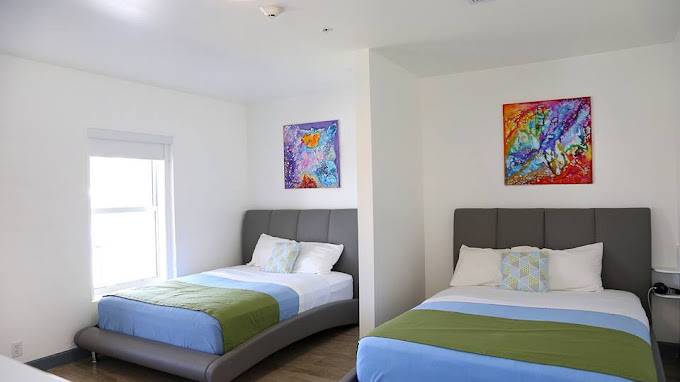
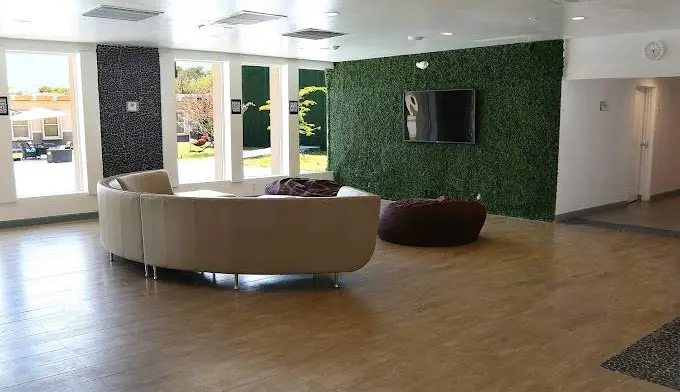
 Residential Setting
  Private Rooms