Our Rehab Score is designed to make it easier for you to find the best treatment centers. We combine overall ratings with recent feedback to create a score that reflects a center's quality right now.
Our Rehab Score is designed to make it easier for you to find the best treatment centers. We combine overall ratings with recent feedback to create a score that reflects a center's quality right now.
8.73 / 10
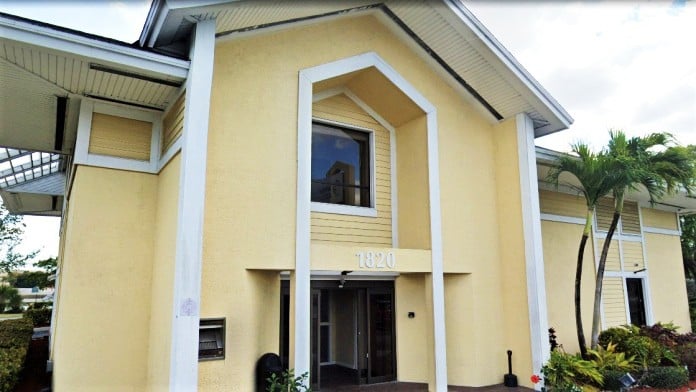
About Simple Path Recovery
Something unique about this center is that they offer a medication-assisted treatment (MAT) program to help you detox safely with fewer withdrawal symptoms and overall discomfort. Some of their modalities of treatment include cognitive behavioral therapy (CBT), dialectical behavior therapy (DBT), motivational interviewing and more common services like individual therapy, group therapy and family therapy.
They also use rational emotive behavior therapy as part of their CBT approach. Their counseling can help you heal from past traumas and learn how to identify triggers to prevent relapse. It can also help you learn coping skills for the future.
Some of their more unique services include their trauma-informed therapy, gender group therapy, adventure therapy and Alcoholics and Narcotics Anonymous groups. They also offer yoga classes, life skills education, nutrition counseling and recreation therapy.
Their adventure therapy, for instance, seems really exhilarating and fascinating because it includes kayaking, rock climbing, paddleboarding, swimming and a low ropes course. Just taking part in these physical activities can help reduce depression and keep your mind focused on other things while you’re sober.
They also offer case management to help make things less stressful for you during your recovery journey.
I came to simple path, not knowing which direction my life was going. This program, the men and women who work there have helped me not only grow into the person I want to become but have motivated and supported me through it. This recovery center feels more like a family than a business and I love that. If anyone could have the opportunity to start their recovery journey here I highly suggest it.
Response from the owner3 weeks ago
Thank you so much for writing this, and for the recommendation. We'll pass it on to the staff, who put a lot into this place.
I’m very grateful for the support I received during my time at Simple Path. The staff were caring, understanding, and genuinely supportive throughout the process as well as remaining in touch after discharge. They made me feel heard and helped me stay focused on my recovery. I truly appreciate everything they’ve done and would recommend Simple Path to anyone looking for compassionate support during recovery.
Response from the owner3 weeks ago
Listening well is a large part of this work, and not always the part that gets noticed. We'll share this with the staff, and we appreciate the recommendation.
Scoring is assigned by a proprietary system which helps surface key metrics that determine quality. The 10-point scale factors in categories such as operations, customer satisfaction, and trust metrics. Read Full Methodology
8.7 / 10
Gallery
Accepted Insurance
Please contact to verify your specific insurance provider.
Simple Path Recovery works with several private insurance providers, please contact to verify your specific insurance provider.
Private insurance refers to any kind of healthcare coverage that isn't from the state or federal government. This includes individual and family plans offered by an employer or purchased from the Insurance Marketplace. Every plan will have different requirements and out of pocket costs so be sure to get the full details before you start treatment.
Self-pay involves paying for treatment out of your own pocket. You can use savings or credit, get a personal loan, or receive help from family and friends to fund your treatment. If you don't have insurance or your insurance plan doesn't cover a specific program, self-pay can help ensure you still get the care you need.
Military members, veterans, and eligible dependents have access to specific insurance programs that help them get the care they need. TRICARE and VA insurance can help you access low cost or no cost addiction and mental health treatment. Programs that accept military insurance often have targeted treatment focused on the unique challenges military members, veterans, and their families face.
Addiction Treatments
Levels of Care
Outpatient Programs (OP) are for those seeking mental rehab or drug rehab, but who also stay at home every night. The main difference between outpatient treatment (OP) and intensive outpatient treatment (IOP) lies in the amount of hours the patient spends at the facility. Most of the time an outpatient program is designed for someone who has completed an inpatient stay and is looking to continue their growth in recovery. Outpatient is not meant to be the starting point, it is commonly referred to as aftercare.
Intensive Outpatient Programs (IOP) are for those who want or need a very structured treatment program but who also wish to live at home and continue with certain responsibilities (such as work or school). IOP substance abuse treatment programs vary in duration and intensity, and certain outpatient rehab centers will offer individualized treatment programs.
Rehab aftercare programs are a collection of highly individualized services designed to promote long-term recovery. These services evolve as your needs change. Case managers and recovery teams typically begin formulating the rehab aftercare service plan early in the recovery process to facilitate your reintegration back into the home, workplace, and community.
12-step programs are addiction recovery models based on Alcoholics Anonymous (AA). A number of substance abuse programs (including some drug and alcohol rehab centers) use the 12 steps as a basis for treatment. Beginning steps involve admitting powerlessness over the addiction and creating a spiritual basis for recovery. Middle steps including making direct amends to those who've been hurt by the addiction, and the final step is to assist others in addiction recovery in the same way. 12-Step offshoots including Narcotics Anonymous (NA), Cocaine Anonymous (CA), Dual Recovery Anonymous (DRA), Sex and Love Addicts Anonymous (SLAA) and Gamblers Anonymous (GA).
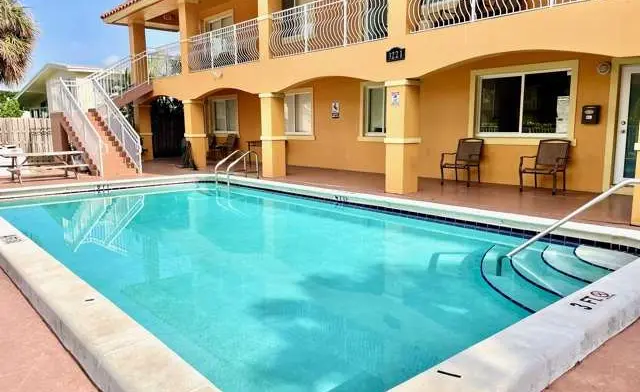
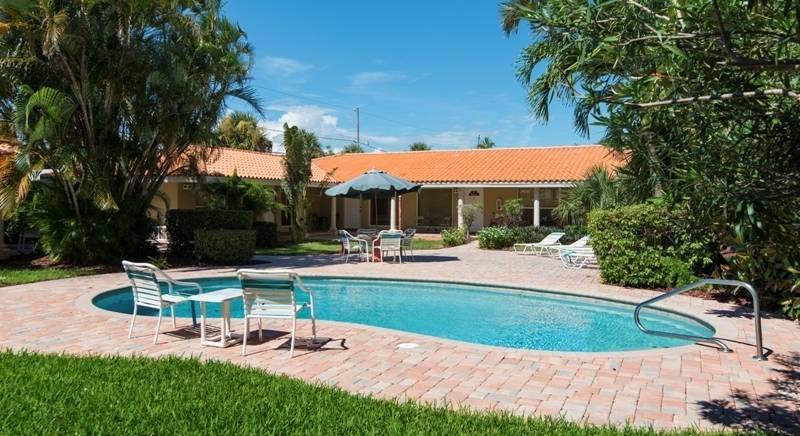
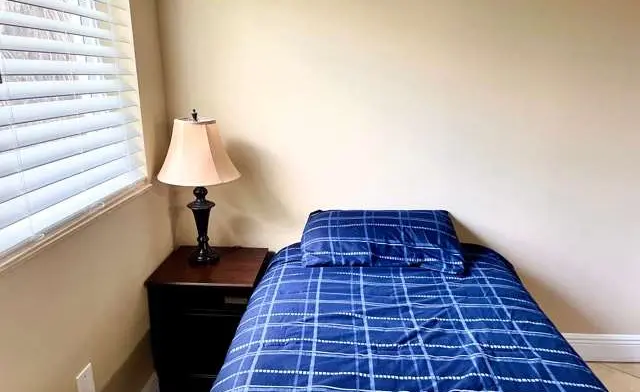
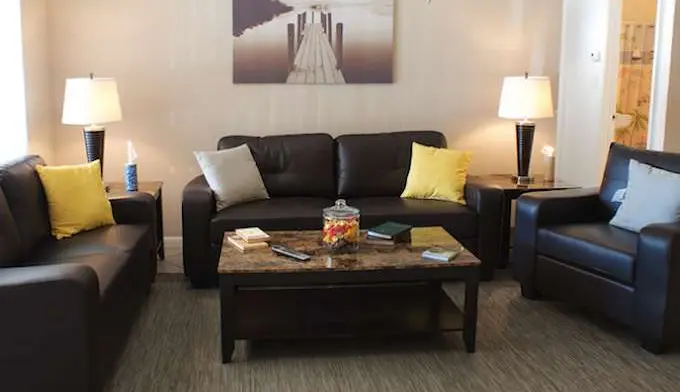
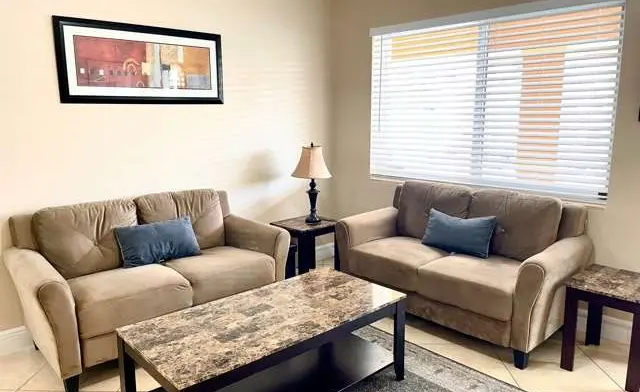
Simple Path Recovery has partnered with Oceanside for all of IOP and OP housing needs. All clients are welcome to choose inpatient therapy in Oceanside accommodations or outpatient therapy in the comfort of their own homes. The facility provides a prime Location between the ocean and intracoastal waterways, scheduled weekend activities including group fishing trips, beach days, bowling, movies, Everglades tours, and more.
Treatments
The goal of treatment for alcoholism is abstinence. Those with poor social support, poor motivation, or psychiatric disorders tend to relapse within a few years of treatment. For these people, success is measured by longer periods of abstinence, reduced use of alcohol, better health, and improved social functioning. Recovery and Maintenance are usually based on 12 step programs and AA meetings.
Drug rehab in Florida provides quality treatment to help individuals overcome dependency related to a wide range of addictive substances. Programs address both the physical and mental aspects of addiction in order to help you make a full recovery.
Many of those suffering from addiction also suffer from mental or emotional illnesses like schizophrenia, bipolar disorder, depression, or anxiety disorders. Rehab and other substance abuse facilities treating those with a dual diagnosis or co-occurring disorder administer psychiatric treatment to address the person's mental health issue in addition to drug and alcohol rehabilitation.
Opioid rehabs specialize in supporting those recovering from opioid addiction. They treat those suffering from addiction to illegal opioids like heroin, as well as prescription drugs like oxycodone. These centers typically combine both physical as well as mental and emotional support to help stop addiction. Physical support often includes medical detox and subsequent medical support (including medication), and mental support includes in-depth therapy to address the underlying causes of addiction.
Substance rehabs focus on helping individuals recover from substance abuse, including alcohol and drug addiction (both illegal and prescription drugs). They often include the opportunity to engage in both individual as well as group therapy.
Programs
Adult rehab programs include therapies tailored to each client's specific needs, goals, and recovery progress. They are tailored to the specific challenges adult clients may face, including family and work pressures and commitments. From inpatient and residential treatment to various levels of outpatient services, there are many options available. Some facilities also help adults work through co-occurring conditions, like anxiety, that can accompany addiction.
Young adulthood can be an exciting, yet difficult, time of transition. Individuals in their late teens to mid-20s face unique stressors related to school, jobs, families, and social circles, which can lead to a rise in substance use. Rehab centers with dedicated young adult programs will include activities and amenities that cater to this age group, with an emphasis on specialized counseling, peer socialization, and ongoing aftercare.
Clinical Services
Cognitive Behavioral Therapy (CBT) is a therapy modality that focuses on the relationship between one's thoughts, feelings, and behaviors. It is used to establish and allow for healthy responses to thoughts and feelings (instead of unhealthy responses, like using drugs or alcohol). CBT has been proven effective for recovering addicts of all kinds, and is used to strengthen a patient's own self-awareness and ability to self-regulate. CBT allows individuals to monitor their own emotional state, become more adept at communicating with others, and manage stress without needing to engage in substance abuse.
Dialectical behavior therapy in Florida consists of individual therapy and group instruction. This structured program is a form of psychotherapy that incorporates the development of skills for managing emotions and relationships.
Equine Therapy
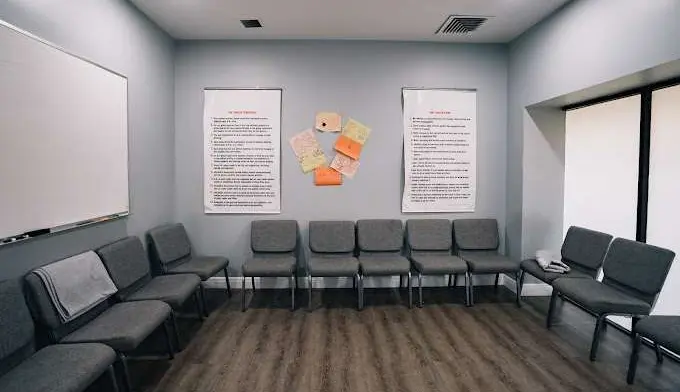
Group therapy is any therapeutic work that happens in a group (not one-on-one). There are a number of different group therapy modalities, including support groups, experiential therapy, psycho-education, and more. Group therapy involves treatment as well as processing interaction between group members.
In individual therapy, a patient meets one-on-one with a trained psychologist or counselor. Therapy is a pivotal part of effective substance abuse treatment, as it often covers root causes of addiction, including challenges faced by the patient in their social, family, and work/school life.
Motivational Interviewing (MI) is a clinical approach to helping people with substance abuse issues and other conditions shift behavior in positive ways. It is more goal-oriented than traditional psychotherapy, as MI counselors directly attempt to get clients to consider making behavioral change (rather than wait for them to come to conclusions themselves). Its primary purpose is to resolve ambivalence and help clients become able to make healthy choices freely.
Research clearly demonstrates that recovery is far more successful and sustainable when loved ones like family members participate in rehab and substance abuse treatment. Genetic factors may be at play when it comes to drug and alcohol addiction, as well as mental health issues. Family dynamics often play a critical role in addiction triggers, and if properly educated, family members can be a strong source of support when it comes to rehabilitation.
Life skills are the core skills you need for daily success. They can include self care, stress management, daily routines, and emotion control. Rehab treatment includes the development of these skills so you have the tools you need for long term recovery.
Substance abuse creates biochemical imbalances in your body and brain. By implementing dietary changes, you can restore that balance. This is the goal of nutrition therapy in Florida. You'll gain an understanding of what nutrients your body needs and learn best self care practices.
Experiential therapy is a form of therapy in which clients are encouraged to surface and work through subconscious issues by engaging in real-time experiences. Experiential therapy departs from traditional talk therapy by involving the body, and having clients engage in activities, movements, and physical and emotional expression. This can involve role-play or using props (which can include other people). Experiential therapy can help people process trauma, memories, and emotion quickly, deeply, and in a lasting fashion, leading to substantial and impactful healing.
Amenities
Private Setting
Hiking
Staff & Accreditations
Staff
Don Barnhart
Housing Manager
Drew Ubele
Alumni Director
Derek Steinmetz
Operations Supervisor / Case Manager
Accreditations
LegitScript has reviewed Simple Path Recovery as part of their certification program, and has determined that it meets the LegitScript standards for legality, safety and transparency.
LegitScript verified in
State Licenses are permits issued by government agencies that allow rehab organizations to conduct business legally within a certain geographical area. Typically, the kind of program a rehab facility offers, along with its physical location, determines which licenses are required to operate legally.
State License: Florida
The Joint Commission, formerly known as JCAHO, is a nonprofit organization that accredits rehab organizations and programs. Founded in 1951, the Joint Commision's mission is to improve the quality of patient care and demonstrating the quality of patient care.
Joint Commission Accreditation: Yes
Rehab.com regularly reviews this listing for accuracy but changes may occur between updates. For the most up-to-date information, please contact Simple Path Recovery.
Very good group therapy
Caring staff
I felt, "looked out for", considering I was there out of state and I'm a female.
Long-lasting friendships (even after I've been gone 3 years)
They work hard but play hard too. It was fun!
Jacqueline B.
Reviewed on 1/4/2024
Staff
5
Amenities
4
Meals
1
Value
5
Cleanliness
4
4.5
Simple Path is definitely doing the deal as far as helping my generation recovery from this insidious disease. With guys like Steve LaBar, LeLand Spadeism & Peter "Get Out of Yours & I'll Get Out of My" Shell really showing all the clients a proper perspective of what recove ...
Read More
I came to simple path, not knowing which direction my life was going. This program, the men and women who work there have helped me not only grow into the person I want to become but have motivated and supported me through it. This recovery center feels more like a family than a business and I love that. If anyone could have the opportunity to start their recovery journey here I highly suggest it.
Response from the owner
Thank you so much for writing this, and for the recommendation. We'll pass it on to the staff, who put a lot into this place.
kenzie deban
1 month ago
5
this place has helped me so much!! i highly recommend for any body trying to get sober
Response from the owner
Glad you'd point someone else here. We'll pass the kind words to the team, and thank you for taking a moment.
heather andrews
1 month ago
5
I’m very grateful for the support I received during my time at Simple Path. The staff were caring, understanding, and genuinely supportive throughout the process as well as remaining in touch after discharge. They made me feel heard and helped me stay focused on my recovery. I truly appreciate everything they’ve done and would recommend Simple Path to anyone looking for compassionate support during recovery.
Response from the owner
Listening well is a large part of this work, and not always the part that gets noticed. We'll share this with the staff, and we appreciate the recommendation.
Jorge maldonado
1 month ago
5
I’m extremely grateful for the experience I had with this program. From the very beginning, they made the entire process as easy and stress-free as possible, including helping me with my flight and getting me set up at the right facility so I could be as comfortable and focused as possible.
One thing that meant a lot to me was that they even took my dog in when I had nowhere else to put him. That took a huge weight off my shoulders and allowed me to focus on myself and getting my life back on track.
I’m truly thankful for the staff, the support, and everything this program did for me. It gave me the opportunity to get my life moving in the right direction, and I’ll always appreciate that. I would absolutely recommend this program to anyone who is ready to make a change and get their life back on track.
Response from the owner
Thank you for writing this. We can't get into any individual's situation, but making the process as smooth as possible before someone even arrives is something we put real effort into, so it's good to hear that lands. We'll pass this to the team.
Benjamin Cardenas is a musician and published author of six titles. Born and raised in Miami, FL, he performs music all around South Florida and sells his books at comic book conventions and book fairs under the moniker, Benjamin Card. He currently resides in Miami with his three cats, Annette, Nastassia, and Esra.
By calling the helpline you agree to the terms of use. We do not receive any commission or fee that is dependent upon which treatment provider a caller chooses. There is no obligation to enter treatment.
Calls to numbers on a specific treatment center listing will be routed to that treatment center. Calls to any general helpline could be forwarded to SAMHSA or a verified treatment provider.
If you wish to connect with non-sponsor centers, you can browse top-rated listings, visit our homepage and browse by state, or visit SAMHSA.

 Sponsored Helpline



































































































 Private Setting
  Hiking