










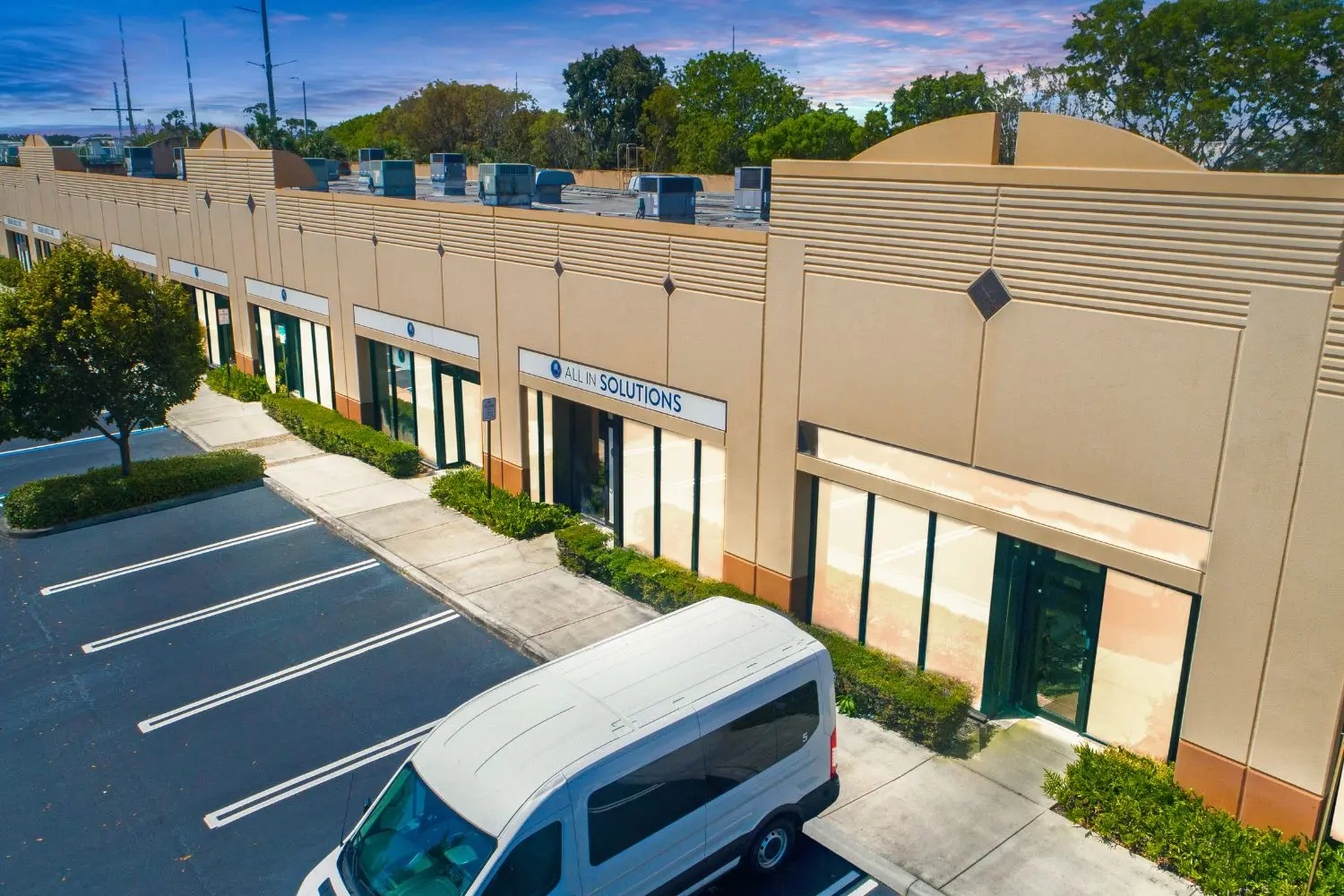
All In Solutions Counseling Center
1
Top 10 Rehab Centers In Boynton Beach



















































































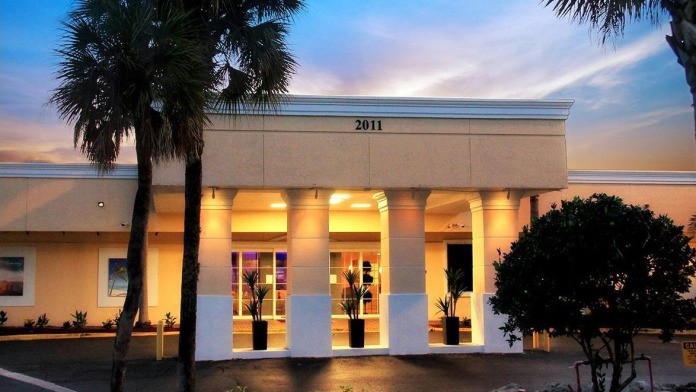
As one of the leading inpatient addiction treatment centers in Florida, this facility provides a campus style layout, something that’s far different from your traditional medical setting. This provides you with a welcoming and supportive environment to get access to therapy services while also feeling respected and heard.
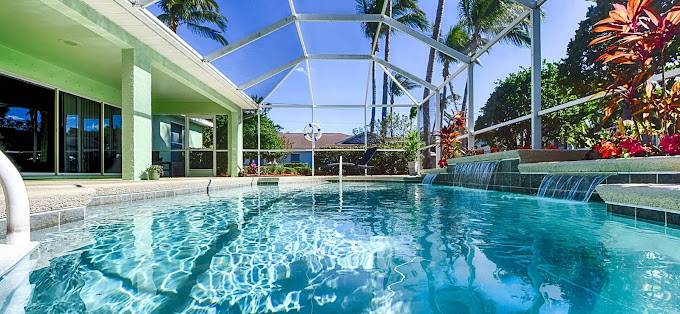
There’s a big focus on having care that supports your mind, body, and soul. There’s a spa here and a recreational facility that offers a yoga area, weight section, and even a boxing ring. There are also regular activities like volleyball, a swimming pool, and relaxing walking paths you can enjoy. This will allow you to explore interests and activities that will help you build healthy habits when you leave the program.
When you’re not in therapy, you’re treated as any other guest would be in a community style facility. Schedules are not rigid and structured. Plus, at the end of the night, you do get access to your electronics so that you can communicate with loved ones.
This sense of freedom throughout recovery is balanced well with intentional, evidence based treatments. For example, individualized treatment plans are created and you’ll have access to medically assisted detox if required.
To keep you on track with your recovery clothes, there is a Life Skills Guide that you’ll work with. They’ll ensure you meet your exercise goals, therapy goals, sleep goals, and even nutritional goals. Through this intentional, you’ll be both physically and mentally more receptive to the counseling services offered here.
 180
180 
 Our Methodology


Private insurance refers to any kind of healthcare coverage that isn't from the state or federal government. This includes individual and family plans offered by an employer or purchased from the Insurance Marketplace. Every plan will have different requirements and out of pocket costs so be sure to get the full details before you start treatment.
Self-pay involves paying for treatment out of your own pocket. You can use savings or credit, get a personal loan, or receive help from family and friends to fund your treatment. If you don't have insurance or your insurance plan doesn't cover a specific program, self-pay can help ensure you still get the care you need.
Military members, veterans, and eligible dependents have access to specific insurance programs that help them get the care they need. TRICARE and VA insurance can help you access low cost or no cost addiction and mental health treatment. Programs that accept military insurance often have targeted treatment focused on the unique challenges military members, veterans, and their families face.
Private insurance refers to any kind of healthcare coverage that isn't from the state or federal government. This includes individual and family plans offered by an employer or purchased from the Insurance Marketplace. Every plan will have different requirements and out of pocket costs so be sure to get the full details before you start treatment.
Outpatient Programs (OP) are for those seeking mental rehab or drug rehab, but who also stay at home every night. The main difference between outpatient treatment (OP) and intensive outpatient treatment (IOP) lies in the amount of hours the patient spends at the facility. Most of the time an outpatient program is designed for someone who has completed an inpatient stay and is looking to continue their growth in recovery. Outpatient is not meant to be the starting point, it is commonly referred to as aftercare.
Clients typically choose inpatient rehab when they are in early recovery or are experiencing a crisis that puts them at an increased risk of relapse. They reside at the treatment center for the length of their program, which may range from two weeks to more than 18 months, depending on the program design. Intensive psychotherapy is often the primary treatment modality, but clients in inpatient care may also receive holistic treatment and recovery-focused life skills training.
Intensive Outpatient programs are for those who want or need a very structured treatment program but who also wish to live at home and continue with certain responsibilities (such as work or school). IOP substance abuse treatment programs vary in duration and intensity, and certain outpatient rehab centers will offer individualized treatment programs. White Sands tailors their outpatient alcohol rehab and detox programs according to the specific needs of each patient, so the facility offers treatment programs of varying intensity. However, all of these programs will involve regular visits to the treatment center, often three days a week, and include frequent and in-depth cognitive behavioral therapy. After spending full days in their private rehab facility, clients will be able to return home in the evenings.
White Sands Treatment Center's sober living community is an interim place to stay when clients are between spending time in rehab and returning to all aspects of their former life. As such, sober living homes provide many of the benefits of a treatment center and of independent living at the same time. The basic principle of a sober living community or halfway house is to offer a safe, productive environment where friendships and mutual respect help the residents to abstain from drug and alcohol abuse. If clients recently been deemed fit to leave rehab behind, the facility would like clients to consider the White Sands sober living community.
Drug and alcohol addiction often takes a heavy toll on one’s body. Over time, a physical dependence can develop, meaning the body physiologically needs the substance to function. Detox is the process of removing drugs and/or alcohol from the body, a process that can be lethal if mismanaged. Medical detox is done by licensed medical professionals who monitor vital signs and keep you safe, healthy, and as comfortable as possible as you go through detox and withdrawal. The Detoxification and Inpatient treatment programs at White Sands Treatment Center provide services to individuals suffering from alcoholism and/or other forms of chemical dependency and/or abuse. The detoxification program provides patients with safe medical detoxification by monitoring and stabilizing withdrawal risks, bio-medical conditions and complications. The rehabilitation program follows the detoxification program and provides patients with therapeutic interventions, focused on developing and maintaining a healthy recovery from alcoholism and other chemical dependencies.
Intervention services helps family or friends of addicts stage an intervention, which is a meeting in which loved ones share their concerns and attempt to get an addict into treatment. Professional intervention specialists can help loved ones organize, gather, and communicate with an addict. They can guide intervention participants in describing the damage the addict's behavior is causing and that outside help is necessary to address the addiction. The ideal outcome of an intervention is for the addict to go to rehab and get the help they need.
12-step programs are addiction recovery models based on Alcoholics Anonymous (AA). A number of substance abuse programs (including some drug and alcohol rehab centers) use the 12 steps as a basis for treatment. Beginning steps involve admitting powerlessness over the addiction and creating a spiritual basis for recovery. Middle steps including making direct amends to those who've been hurt by the addiction, and the final step is to assist others in addiction recovery in the same way. 12-Step offshoots including Narcotics Anonymous (NA), Cocaine Anonymous (CA), Dual Recovery Anonymous (DRA), Sex and Love Addicts Anonymous (SLAA) and Gamblers Anonymous (GA).
24-hour clinical care in Florida is an essential part of treatment, particularly with medical detox. Withdrawal symptoms can be severe, and supervised detox provides around the clock access to medical professionals who can adminsiter proper medications and treatment to address these symptoms and step in should an emergency occur. This intensive clinical care will help curb the withdrawal effects, minimize substance dependence, and prepare you for the next step of treatment.
Often referred to as "day treatment," a partial hospitalization program (PHP) offers an intensive treatment option that allows individuals to return home at night. PHP treatment typically requires a minimum of 20 hours a week for an average of 90 days. Participants attend daily therapeutic sessions, receive medication management, and have access to skilled medical professionals. While costs can vary, most insurance will fully or partially cover a partial hospitalization program.
The goal of treatment for alcoholism is abstinence. Those with poor social support, poor motivation, or psychiatric disorders tend to relapse within a few years of treatment. For these people, success is measured by longer periods of abstinence, reduced use of alcohol, better health, and improved social functioning. Recovery and Maintenance are usually based on 12 step programs and AA meetings.
Drug rehab in Florida provides quality treatment to help individuals overcome dependency related to a wide range of addictive substances. Programs address both the physical and mental aspects of addiction in order to help you make a full recovery.
Many of those suffering from addiction also suffer from mental or emotional illnesses like schizophrenia, bipolar disorder, depression, or anxiety disorders. Rehab and other substance abuse facilities treating those with a dual diagnosis or co-occurring disorder administer psychiatric treatment to address the person’s mental health issue in addition to drug and alcohol rehabilitation. White Sands Treatment Center is a cost-effective dual diagnosis treatment center with specialized recovery programs. These programs involve careful treatment of both the mood disorder and the drug or alcohol abuse. White Sands provides clients with high-quality services.
A combined mental health and substance abuse rehab has the staff and resources available to handle individuals with both mental health and substance abuse issues. It can be challenging to determine where a specific symptom stems from (a mental health issue or an issue related to substance abuse), so mental health and substance abuse professionals are helpful in detangling symptoms and keeping treatment on track.
Opioid rehabs specialize in supporting those recovering from opioid addiction. They treat those suffering from addiction to illegal opioids like heroin, as well as prescription drugs like oxycodone. These centers typically combine both physical as well as mental and emotional support to help stop addiction. Physical support often includes medical detox and subsequent medical support (including medication), and mental support includes in-depth therapy to address the underlying causes of addiction.
Adult rehab programs include therapies tailored to each client's specific needs, goals, and recovery progress. They are tailored to the specific challenges adult clients may face, including family and work pressures and commitments. From inpatient and residential treatment to various levels of outpatient services, there are many options available. Some facilities also help adults work through co-occurring conditions, like anxiety, that can accompany addiction.
Young adulthood can be an exciting, yet difficult, time of transition. Individuals in their late teens to mid-20s face unique stressors related to school, jobs, families, and social circles, which can lead to a rise in substance use. Rehab centers with dedicated young adult programs will include activities and amenities that cater to this age group, with an emphasis on specialized counseling, peer socialization, and ongoing aftercare.
Cognitive Behavioral Therapy (CBT) is a therapy modality that focuses on the relationship between one's thoughts, feelings, and behaviors. It is used to establish and allow for healthy responses to thoughts and feelings (instead of unhealthy responses, like using drugs or alcohol). CBT has been proven effective for recovering addicts of all kinds, and is used to strengthen a patient's own self-awareness and ability to self-regulate. CBT allows individuals to monitor their own emotional state, become more adept at communicating with others, and manage stress without needing to engage in substance abuse.
Group therapy is any therapeutic work that happens in a group (not one-on-one). There are a number of different group therapy modalities, including support groups, experiential therapy, psycho-education, and more. Group therapy involves treatment as well as processing interaction between group members.
In individual therapy, a patient meets one-on-one with a trained psychologist or counselor. Therapy is a pivotal part of effective substance abuse treatment, as it often covers root causes of addiction, including challenges faced by the patient in their social, family, and work/school life.
Research clearly demonstrates that recovery is far more successful and sustainable when loved ones like family members participate in rehab and substance abuse treatment. Genetic factors may be at play when it comes to drug and alcohol addiction, as well as mental health issues. Family dynamics often play a critical role in addiction triggers, and if properly educated, family members can be a strong source of support when it comes to rehabilitation. White Sands provides an extensive family therapy program that works to heal the family unit on multiple different fronts. Firstly, the facility works to address the most common types of emotional problems faced by the families of addicts, and to mend the broken or damaged bonds between addicts and family members.
Dialectical Behavior Therapy (DBT) is a modified form of Cognitive Behavioral Therapy (CBT), a treatment designed to help people understand and ultimately affect the relationship between their thoughts, feelings, and behaviors. DBT is often used for individuals who struggle with self-harm behaviors, such as self-mutilation (cutting) and suicidal thoughts, urges, or attempts. It has been proven clinically effective for those who struggle with out-of-control emotions and mental health illnesses like Borderline Personality Disorder.
Motivational Interviewing (MI) is a clinical approach to helping people with substance abuse issues and other conditions shift behavior in positive ways. It is more goal-oriented than traditional psychotherapy, as MI counselors directly attempt to get clients to consider making behavioral change (rather than wait for them to come to conclusions themselves). Its primary purpose is to resolve ambivalence and help clients become able to make healthy choices freely.
Life skills are the core skills you need for daily success. They can include self care, stress management, daily routines, and emotion control. Rehab treatment includes the development of these skills so you have the tools you need for long term recovery.
 Moral Reconation Therapy
 Residential Setting
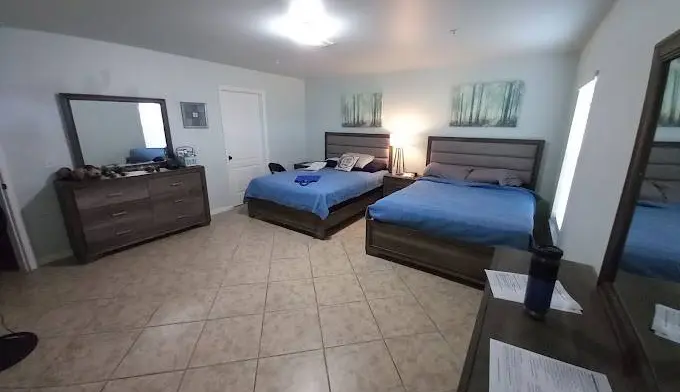
  Private Rooms
  Swimming Pool
  Spa
Spa  Gym
Gym  Recreation Room
  Basketball Court
  Volleyball Court
  Yoga Studio
The Substance Abuse and Mental Health Services Administration (SAMHSA) is a branch of the U.S. Department of Health and Human Services. Established in 1992 by congress, SAMHSA's mission is to reduce the impact of substance abuse and mental illness on American's communities.
SAMHSA Listed: Yes

The Joint Commission, formerly known as JCAHO, is a nonprofit organization that accredits rehab organizations and programs. Founded in 1951, the Joint Commision's mission is to improve the quality of patient care and demonstrating the quality of patient care.
Joint Commission Accreditation: Yes
Accreditation Number: 547241

The National Association of Addiction Treatment Providers (NAATP) is a professional association that represents organizations in the field of addiction services. Founded in 1978, NAATP's mission is to advance addiction services and ensure that high-quality addiction treatment is available and accessible.
NAATP Member: Yes

The Commission on Accreditation of Rehabilitation Facilities (CARF) is a non-profit organization that specifically accredits rehab organizations. Founded in 1966, CARF's, mission is to help service providers like rehab facilities maintain high standards of care.
CARF Accreditation: Yes
Rehab.com regularly reviews this listing for accuracy but changes may occur between updates. For the most up-to-date information, please contact WhiteSands Alcohol & Drug Rehab Fort Myers.

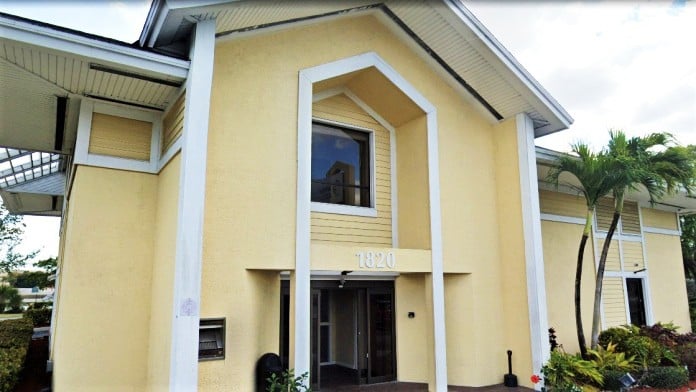
1820 Colonial Blvd
Fort Myers, FL 33907
Sponsored Helpline

From the time I entered this place I was treated with respect and paid attention to like I was family. The grounds are immaculate, Garden of Eden like atmosphere. The only complaint I have is the food is too good and now I fear I need Overeating Anonymous. White Sands saved my life. I have a newfound zeal for living.

The staff and everyone here are amazing. The growth I’ve seen in myself and everyone else around me has been amazing. Such a healing environment and everyone is genuine and caring.

I heard great thing about this place but unfortunately not even with the one insurance they have in-network you get covered or even admited here. They are very selective with the people they take in and provided me with a bit misleading information over the phone, only to realize its not as accurate when you arrive there. This represents a big challenge and an stressing process specially for someone already dealing with issues and in need for help. I intent to be constructive with this review, and I got to say the staff treated me very kindly and respectfully. Considering their prices which are probably the most expensive in the area, I just wished they would provide more flexibility regarding admissions, and wider treatment programs where their dual diagnosis covers cannabis abuse associated with depression along with other issues related to it which nowdays is such a common issue within our community. If you are struggling with this specific issue, this place is not for you, your insurance wont cover anything and all will be out of pocket, for other issues it might be great Im sure.. BUT: make sure you go in person and double clarify first! 1 star goes to the staff, 1 star goes to the actual facility which is very nice in regard the amenities they offer.

WhiteSands has saved my life more than once. I have been to other centers but none come close to the care and way clients are treated here. I was ashamed and afraid to return to rehab after a relapse. Luckily, instead of allowing that to keep me out, I came here. From the moment I arrived it was like a warm hug. I can't say enough about the staff from the BHT's, therapists and case management!
 Back
Back
Sharing your insights and experiences can help others learn more about this rehab center.
 Written By: Nadia El-Yaouti
M. Ed.
Written By: Nadia El-Yaouti
M. Ed.


