They are so quick to kick someone out who is maintaining sobriety. Having meetings every day can be so tiresome. Your experience depends on the compassion of the staff towards you
About Bernie Lorenz Recovery House
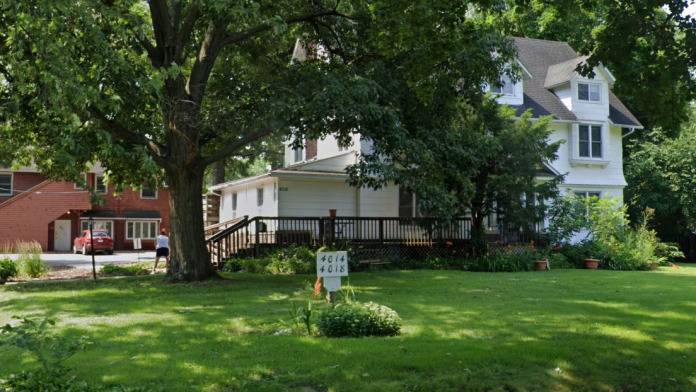
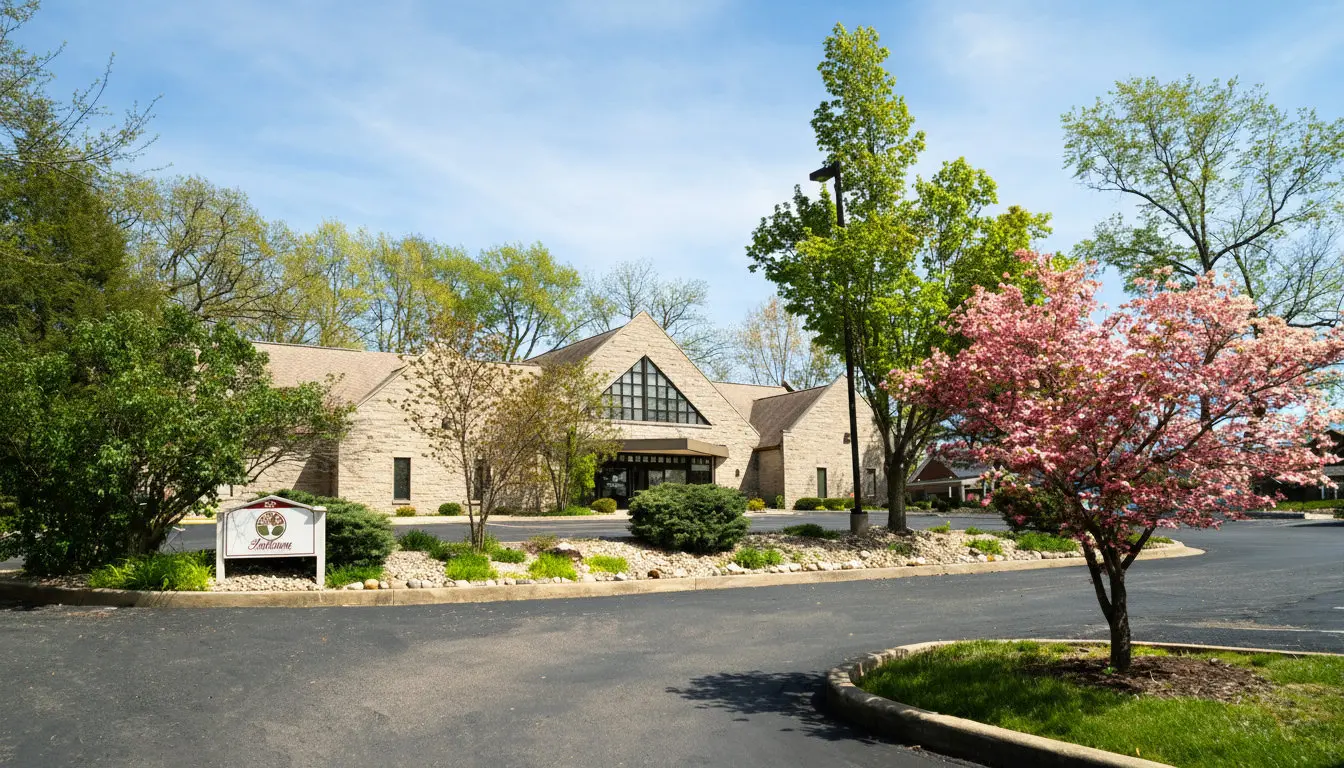
Located in a quiet, residential neighborhood, Bernie Lorenz Recovery is more than transitional housing. It offers extended therapeutic support and community. Here, residents experience ongoing treatment tailored to their needs such as individual and group therapy.
Residents will have the opportunity to live in a home that is sober and safe and still have ties to the local community and neighborhood without losing connection to the support system they gained during substance abuse treatment.
Bernie Lorenz Recovery accepts self pay and private health insurance providers such as Beacon, Cigna, BlueCross/BlueShield, and others. Contact your insurance provider to confirm coverage as out of network benefits can vary.
Latest Reviews
Rehab Score
Gallery
Accepted Insurance
Other Forms of Payment
Private insurance refers to any kind of healthcare coverage that isn't from the state or federal government. This includes individual and family plans offered by an employer or purchased from the Insurance Marketplace. Every plan will have different requirements and out of pocket costs so be sure to get the full details before you start treatment.
Self-pay involves paying for treatment out of your own pocket. You can use savings or credit, get a personal loan, or receive help from family and friends to fund your treatment. If you don't have insurance or your insurance plan doesn't cover a specific program, self-pay can help ensure you still get the care you need.
Financial aid can take many forms. Centers may have grants or scholarships available to clients who meet eligibility requirements. Programs that receive SAMHSA grants may have financial aid available for those who need treatment as well. Grants and scholarships can help you pai for treatment without having to repay.
Medicaid is a state based program that helps lower-income individuals and families pay for healthcare. Medicaid covers addiction treatment so those enrolled can use their coverage to pay for rehab. When a program accepts Medicaid the client often pays very little or nothing out of their own pocket.
Addiction Treatments
Levels of Care
Outpatient Programs (OP) are for those seeking mental rehab or drug rehab, but who also stay at home every night. The main difference between outpatient treatment (OP) and intensive outpatient treatment (IOP) lies in the amount of hours the patient spends at the facility. Most of the time an outpatient program is designed for someone who has completed an inpatient stay and is looking to continue their growth in recovery. Outpatient is not meant to be the starting point, it is commonly referred to as aftercare.
Residential care is their most involved and comprehensive level of care and is offered in both Des Moines and Iowa City. The program is designed to provide an intensive and nurturing treatment experience in a 24-hour setting. Their residential program will provide you with a comprehensive assessment of your treatment needs and goals, and personalized action steps to help you meet those goals.
Intensive outpatient programs (IOP) offer high-level care for clients in early recovery or who are at an increased risk of relapse. Clients may also enroll in an IOP immediately following detox, enabling them to continue to work and to live at home. Clients attend multiple outpatient treatment sessions for a minimum of nine hours per week. Many intensive outpatient rehabs provide a variety of services, including psychotherapy, recovery education, and medication assisted treatment (MAT).

Intervention services can help family members communicate effectively with each other and with the individual who is struggling with a substance use disorder. A professional interventionist addresses family dynamics that have worsened the situation or prevented the individual from seeking help. This expert can also help the family plan a drug intervention in Iowa. After the intervention, ongoing intervention services can help families in their own recovery, regardless of whether the individual chooses to enter treatment.
If you've become physically dependent on drugs or alcohol, quitting suddenly can cause very dangerous side effects. During a medically assisted detox, licensed medical professionals will monitor your vitals around the clock and provide medications if necessary to ensure you're as safe and comfortable as possible throughout this process.
Prelude Halfway care offers an opportunity to clients transitioning from residential care who may need additional time to locate employment, housing, save for a rent deposit, etc. before leaving the structured residential setting. Discussion about halfway services can begin with your residential counselor immediately when you begin residential treatment. Clients participating in halfway care typically do so for 30-60 days while continuing their journey towards a healthier life. They do so by participating in counseling’s services and starting to integrate back into the community through work, involvement in education, or actively volunteering.
Treatments
The goal of treatment for alcoholism is abstinence. Those with poor social support, poor motivation, or psychiatric disorders tend to relapse within a few years of treatment. For these people, success is measured by longer periods of abstinence, reduced use of alcohol, better health, and improved social functioning. Recovery and Maintenance are usually based on 12 step programs and AA meetings.
Drug rehab in Iowa is available in many formats. A variety of inpatient and outpatient options provide programs that are tailored to individual needs, making recovery possible for everyone.
Many of those suffering from addiction also suffer from mental or emotional illnesses like schizophrenia, bipolar disorder, depression, or anxiety disorders. Rehab and other substance abuse facilities treating those with a dual diagnosis or co-occurring disorder administer psychiatric treatment to address the person's mental health issue in addition to drug and alcohol rehabilitation.
A combined mental health and substance abuse rehab has the staff and resources available to handle individuals with both mental health and substance abuse issues. It can be challenging to determine where a specific symptom stems from (a mental health issue or an issue related to substance abuse), so mental health and substance abuse professionals are helpful in detangling symptoms and keeping treatment on track.

Opioid rehabs specialize in supporting those recovering from opioid addiction. They treat those suffering from addiction to illegal opioids like heroin, as well as prescription drugs like oxycodone. These centers typically combine both physical as well as mental and emotional support to help stop addiction. Physical support often includes medical detox and subsequent medical support (including medication), and mental support includes in-depth therapy to address the underlying causes of addiction.
Programs
Adult rehab programs include therapies tailored to each client's specific needs, goals, and recovery progress. They are tailored to the specific challenges adult clients may face, including family and work pressures and commitments. From inpatient and residential treatment to various levels of outpatient services, there are many options available. Some facilities also help adults work through co-occurring conditions, like anxiety, that can accompany addiction.
Young adulthood can be an exciting, yet difficult, time of transition. Individuals in their late teens to mid-20s face unique stressors related to school, jobs, families, and social circles, which can lead to a rise in substance use. Rehab centers with dedicated young adult programs will include activities and amenities that cater to this age group, with an emphasis on specialized counseling, peer socialization, and ongoing aftercare.
Clinical Services
Whether a marriage or other committed relationship, an intimate partnership is one of the most important aspects of a person's life. Drug and alcohol addiction affects both members of a couple in deep and meaningful ways, as does rehab and recovery. Couples therapy and other couples-focused treatment programs are significant parts of exploring triggers of addiction, as well as learning how to build healthy patterns to support ongoing sobriety.
Research clearly demonstrates that recovery is far more successful and sustainable when loved ones like family members participate in rehab and substance abuse treatment. Family support sessions will focus on understanding what you want for your loved one, your goals for yourself in relation to this loved one, and developing a strategy to accomplish those goals. There are a variety of directions these sessions can take, depending on your unique situation. These sessions will be provided on a sliding fee schedule.
Group sessions may provide education on a variety of topics ranging from effective conflict resolution to accurate information about the effects of drugs. Group sessions are very well received by patients as it offers a time for discussion with peers about challenges and successes as each pursues their individual goals. There is always a period of acclimating to groups, after which patients find many opportunities for assisting others while also receiving assistance.
Individual sessions are available for private discussions of concerns and evaluating treatment goals and progress. Patients report that sessions with their individual counselors are extremely helpful. Working with your counselor, you will help select the level of intensity best designed to meet your needs. Your outpatient services are continually evaluated to ensure they remain helpful to you, and may be increased or decreased as your situation changes.
With the support of BLR staff, program participants will enhance their vocational skills and/or further their education to assist them in achieving financial stability. They will also improve life skills – such as parenting, job search and interviewing, meal planning and shopping, homemaking, and managing finances.
Nicotine Replacement Therapy (NRT) is a way of getting nicotine into the bloodstream without smoking. It uses products that supply low doses of nicotine to help people stop smoking. The goal of therapy is to cut down on cravings for nicotine and ease the symptoms of nicotine withdrawal.
Trauma therapy addresses traumatic incidents from a client's past that are likely affecting their present-day experience. Trauma is often one of the primary triggers and potential causes of addiction, and can stem from child sexual abuse, domestic violence, having a parent with a mental illness, losing one or both parents at a young age, teenage or adult sexual assault, or any number of other factors. The purpose of trauma therapy is to allow a patient to process trauma and move through and past it, with the help of trained and compassionate mental health professionals.
Amenities
-
Residential Setting
-
Private Setting
Staff & Accreditations
Staff
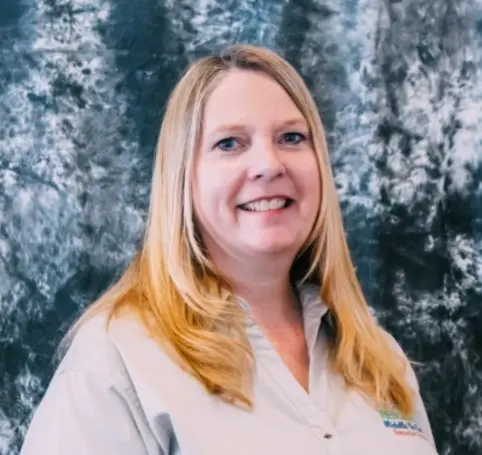
Michelle De La Riva
Executive Director
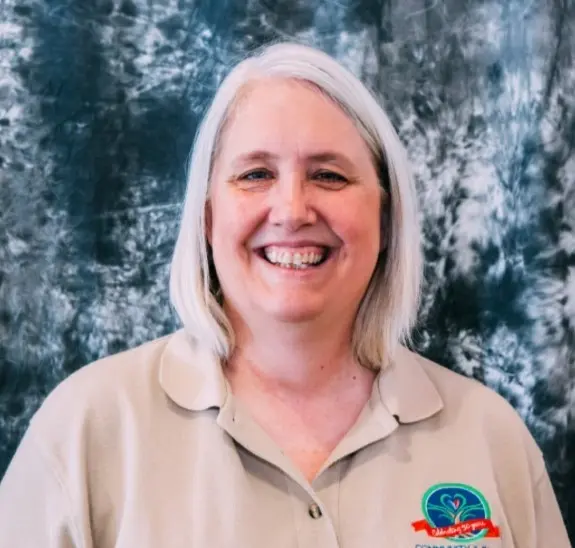
Pam Barkley
Finance Director
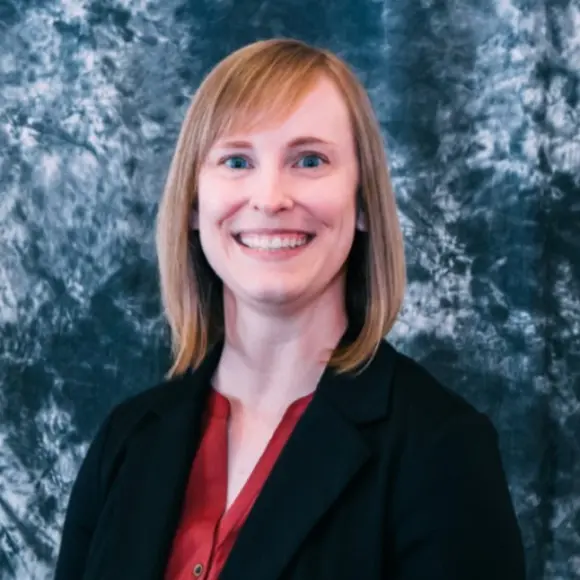
Sally Carnes
Operations Director
Megan Schooler
Human Resources Director
Accreditations
The Commission on Accreditation of Rehabilitation Facilities (CARF) is a non-profit organization that specifically accredits rehab organizations. Founded in 1966, CARF's, mission is to help service providers like rehab facilities maintain high standards of care.
CARF Accreditation: Yes
Contact Information
4014 Kingman Boulevard
Des Moines IA, 50311