






























































































The therapists are unprofessional and think themselves superior to you. This place does not deserve even half a star! It should be closed and NEVER again reopen !!
About River Park Hospital
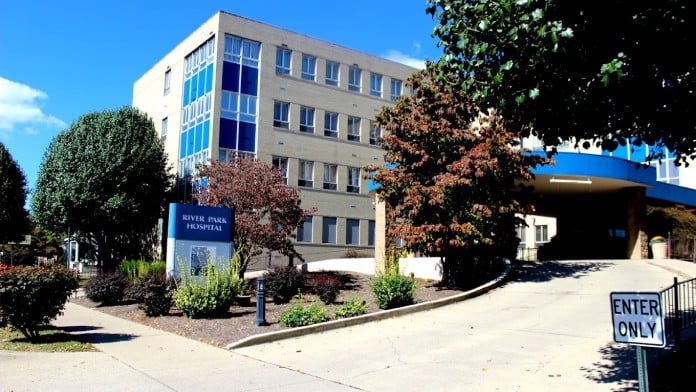
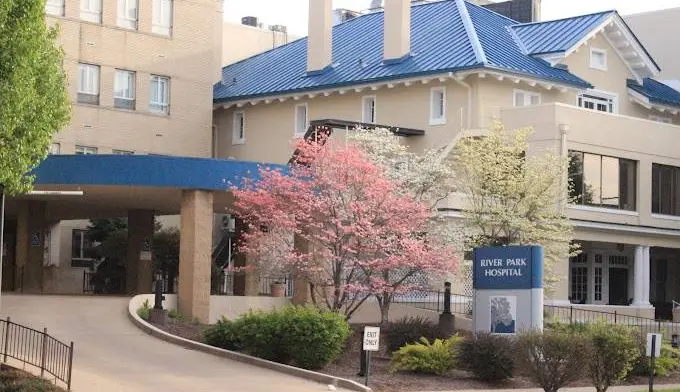
River Park Hospital is a behavioral health and addiction treatment center in Huntington, West Virginia, providing inpatient psychiatric care and chemical dependency treatment for children, adolescents, adults and seniors.
Located on 6th Avenue, the hospital features a specialized 30-day adolescent chemical dependency program alongside acute inpatient and residential services.
Care is trauma focused and evidence based, integrating detox, therapy and family involvement for lasting recovery.
Addiction Treatment Programs at River Park Hospital
Treatment often begins with detox and a clinical chemical dependency assessment, followed by structured residential or acute inpatient care.
The hospital’s signature 30-day adolescent program serves males and females ages 12 to 17 facing substance use, trauma or court involvement.
Clients can expect individual, group and family therapy, medication management, recreation therapy and relapse planning.
River Park Hospital incorporates Dialectical Behavioral Therapy, trauma focused modalities and co-occurring disorder treatment, plus on-site schooling and life skills training for adolescents.
Quick Facts About River Park Hospital
- Location: Huntington, West Virginia, in a welcoming and secure inpatient setting
- Levels of care: Detox, acute inpatient, residential treatment and aftercare planning
- Who they treat: Children, adolescents ages 12 to 17, adults and seniors, including co-occurring disorders
- Approach: Trauma-focused care, DBT, family therapy and 12 Step participation
- Payment options: Accepts Medicare, TRICARE and private pay, with financial counseling available
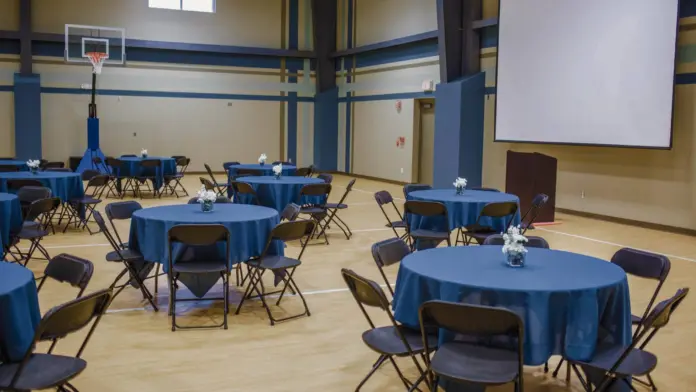
- Amenities: Supervised residential environment, on-site schooling and recreation therapy
- Accreditation: Joint Commission accredited and licensed in West Virginia
Facility Overview
 352
352 Number of Available Beds
Latest Reviews
the staff were nice. food wasn’t too bad, was always offered a pbj if we didn’t like what they were serving. they had coloring books, markers, board games, and more. honestly, not a bad place.
Response from the owner1 week ago
Thank you for taking the time to share your feedback with us. We greatly appreciate the kind words and wish you all the best. Take care!
I stayed here for a week in late October-early November. I really like some of the staff like Alex, Cheryl, Aiden, and Emily. There was another really sweet younger girl. Her name started with an N I think, I wish I could remember.
I did like April, although some people thought she was mean. I liked the toughness of her. A little discipline can go a long way for troubled youth lol.
I actually did like the school part of the day. Instead of tablets, I liked to read. I still want to finish Narnia (thank you alex you’re cool) !! I doubt anyone who sees this will remember me, and i’m not writing this for that reason anyways. I’m writing it just to close that chapter in my life.
Not to be overly graphic or to dump my trauma onto google for the whole world to see, but I did go in on attempted suicide.
I don’t believe that being at River Park made me any happier. In a way, it brought me closer to my life outside of the hospital. It’s like being slapped in the face with reality. When I woke up at Cabell hospital and realized where I was off to next (RPH 3E lol) I sobbed!!
No phone, no piercings, no cute clothes?? How can a teen survive?!? But I did. I’m glad I did. Some of my fellow patients would call me an angel, or “memaw.” (IFYKYK)
Well, I’m not an angel! I’m a 17 year old girl who was struggling really badly. I thought that maybe if I treated the patients younger than me with respect and kindness, that they maybe weren’t used to, that I could change their lives even a little bit.
Onto my actual stay there, lol, I know I talk a lot! But again, this is more for me than you!! Sorry not sorry.
I once asked for a staff to talk to, I was crying and missed my family a whole lot, and no one came to talk to me. That’s a major issue!!! That was my biggest complaint! And once when my family came to visit, they started around 15 minutes late.
Those are my only real issues, you know?
I don't see River Park as the place to come to fix all your issues, but it definitely is a start! It was great for me to be away from the toxicity of social media. I wish the place was way more energetic, way happier. I wish the staff would do a little group stretch! I led those when I was there. That was fun. More art!! Maybe even theatre related stuff? Idk i’m a nerd.
So anyways, don’t think you’re sending your kid to River Park and they’re gonna come back squeaky clean. They won’t. They’re gonna smell bad, they’re gonna be sad, hurt, angry, happy, ALL the things and emotions. Just understand that your kid was in a mental facility. It’s gonna take some time to get back what was once there, or to find something that maybe never was. Just be KIND. Be understanding. Same with the staff. Imagine how scared you’d be at 11-17 in that situation. When I attempted, I didn’t think i’d ever be sitting playing Jinga with random 14 year olds. None of us ever thought we’d be in that situation. Take it easy on your patients, on your kids.
Okay, okay, i’ll stop yapping now !! (if a staff is reading this who ever met me, you know how I talk lol) I’d like to thank River Park for giving me a chance to get away from my phone, to get a reset. I’d also like to thank Cabell Hospital for saving my life. I hope the next time I see someone from RPH 3E, it’s at a Walmart or something!! Or at church. Jesus loves you, I love you!!!
P.S thanks for trick or treating on the 4th floor
- Sarah from Oct-Nov ‘25 with the long black hair (it’s short and red now!!)
Response from the owner1 week ago
Thank you for taking the time to leave us these kind comments. We'd like to learn more about any concerns you may have. At your convenience, please provide us with your contact information by visiting https://riverparkhospital.net/contact-us/. We hope to hear from you soon.
if anybody who was on 3 east in early feb 2024 its me. miss y'all sm and hope y'all are doing better. miss u grace.
staff r super nice too. miss u nicole! aka the best therapist ever.
Response from the owner1 week ago
Thank you so much for your feedback! We truly appreciate it and hope you have a great day! 
Rehab Score
 Our Methodology
Scoring is assigned by a proprietary system which helps surface key metrics that determine quality. The 10-point scale factors in categories such as operations, customer satisfaction, and trust metrics. Read Full Methodology

6.1 / 10
Gallery

Other Forms of Payment
Private insurance refers to any kind of healthcare coverage that isn't from the state or federal government. This includes individual and family plans offered by an employer or purchased from the Insurance Marketplace. Every plan will have different requirements and out of pocket costs so be sure to get the full details before you start treatment.
Self-pay involves paying for treatment out of your own pocket. You can use savings or credit, get a personal loan, or receive help from family and friends to fund your treatment. If you don't have insurance or your insurance plan doesn't cover a specific program, self-pay can help ensure you still get the care you need.
Financial aid can take many forms. Centers may have grants or scholarships available to clients who meet eligibility requirements. Programs that receive SAMHSA grants may have financial aid available for those who need treatment as well. Grants and scholarships can help you pai for treatment without having to repay.
Medicare is a federal program that provides health insurance for those 65 and older. It also serves people under 65 with chronic and disabling health challenges. To use Medicare for addiction treatment you need to find a program that accepts Medicare and is in network with your plan. Out of pocket costs and preauthorization requirements vary, so always check with your provider.
Military members, veterans, and eligible dependents have access to specific insurance programs that help them get the care they need. TRICARE and VA insurance can help you access low cost or no cost addiction and mental health treatment. Programs that accept military insurance often have targeted treatment focused on the unique challenges military members, veterans, and their families face.
Medicaid is a state based program that helps lower-income individuals and families pay for healthcare. Medicaid covers addiction treatment so those enrolled can use their coverage to pay for rehab. When a program accepts Medicaid the client often pays very little or nothing out of their own pocket.
Addiction Treatments
Levels of Care
Residential treatment programs are those that offer housing and meals in addition to substance abuse treatment. Rehab facilities that offer residential treatment allow patients to focus solely on recovery, in an environment totally separate from their lives. Some rehab centers specialize in short-term residential treatment (a few days to a week or two), while others solely provide treatment on a long-term basis (several weeks to months). Some offer both, and tailor treatment to the patient's individual requirements.
When you enter 24-hour clinical care in West Virginia, you gain access to a comprehensive team of professionals who are on-call to help you in your recovery. Nurses and doctors can help you through detox by managing withdrawal using medication and other clinical treatment. For psychological withdrawal and other mental health concerns, counselors are available. This on-site care is designed to meet all physical, mental, and emotional needs.
12-step programs are addiction recovery models based on Alcoholics Anonymous (AA). A number of substance abuse programs (including some drug and alcohol rehab centers) use the 12 steps as a basis for treatment. Beginning steps involve admitting powerlessness over the addiction and creating a spiritual basis for recovery. Middle steps including making direct amends to those who've been hurt by the addiction, and the final step is to assist others in addiction recovery in the same way. 12-Step offshoots including Narcotics Anonymous (NA), Cocaine Anonymous (CA), Dual Recovery Anonymous (DRA), Sex and Love Addicts Anonymous (SLAA) and Gamblers Anonymous (GA).
Treatments
The goal of treatment for alcoholism is abstinence. Those with poor social support, poor motivation, or psychiatric disorders tend to relapse within a few years of treatment. For these people, success is measured by longer periods of abstinence, reduced use of alcohol, better health, and improved social functioning. Recovery and Maintenance are usually based on 12 step programs and AA meetings.
Drug addiction causes psychological and physical damage through repeated and uncontrollable use of substances. Drug rehab in West Virginia focuses on providing a full continuum of care, from detox to aftercare, and treatment can take place in outpatient or inpatient settings, based on your needs.
Many of those suffering from addiction also suffer from mental or emotional illnesses like schizophrenia, bipolar disorder, depression, or anxiety disorders. Rehab and other substance abuse facilities treating those with a dual diagnosis or co-occurring disorder administer psychiatric treatment to address the person's mental health issue in addition to drug and alcohol rehabilitation.
A combined mental health and substance abuse rehab has the staff and resources available to handle individuals with both mental health and substance abuse issues. It can be challenging to determine where a specific symptom stems from (a mental health issue or an issue related to substance abuse), so mental health and substance abuse professionals are helpful in detangling symptoms and keeping treatment on track.
Programs
Adult rehab programs include therapies tailored to each client's specific needs, goals, and recovery progress. They are tailored to the specific challenges adult clients may face, including family and work pressures and commitments. From inpatient and residential treatment to various levels of outpatient services, there are many options available. Some facilities also help adults work through co-occurring conditions, like anxiety, that can accompany addiction.
Clinical Services
Group therapy is any therapeutic work that happens in a group (not one-on-one). There are a number of different group therapy modalities, including support groups, experiential therapy, psycho-education, and more. Group therapy involves treatment as well as processing interaction between group members.
In individual therapy, a patient meets one-on-one with a trained psychologist or counselor. Therapy is a pivotal part of effective substance abuse treatment, as it often covers root causes of addiction, including challenges faced by the patient in their social, family, and work/school life.
Research clearly demonstrates that recovery is far more successful and sustainable when loved ones like family members participate in rehab and substance abuse treatment. Genetic factors may be at play when it comes to drug and alcohol addiction, as well as mental health issues. Family dynamics often play a critical role in addiction triggers, and if properly educated, family members can be a strong source of support when it comes to rehabilitation.
Using recreational therapy, you engage in activities that support your mental and physical health. These activities may include yoga, team sports, and creative arts that help improve your mood and build a supportive community of your peers that promotes long term sobriety.
Amenities
-
 Private Setting
Staff & Accreditations
Staff
Stephen A. Kuhn
CEO
Stephanie Belford
COO
Robin Eckhart
CFO
Kristen Jackson-Hann
Human Resources Director
Accreditations

The Joint Commission, formerly known as JCAHO, is a nonprofit organization that accredits rehab organizations and programs. Founded in 1951, the Joint Commision's mission is to improve the quality of patient care and demonstrating the quality of patient care.
Joint Commission Accreditation: Yes
Rehab.com regularly reviews this listing for accuracy but changes may occur between updates. For the most up-to-date information, please contact River Park Hospital.
Contact Information

1230 6th Avenue
Huntington WV, 25701
Get Help Now - 304-578-5627
Sponsored Helpline
Sponsored Helpline


