




























































































About Rosecrance Health Network
Rosecrance Health Network on Mulford is committed to each person’s recovery journey and achieving realistic and effective treatment goals. That’s why this drug rehab center offers individualized treatment programs like the following:
The Rosecrance Health Center offers medically monitored withdrawal management as part of its detoxification program. Individuals will receive various services during this program, including addiction intervention, substance abuse education, and counseling. This detox center accepts admissions 24 hours daily, and participation is voluntary.
This addiction treatment center’s residential inpatient treatment program is customized to individual needs. Often clients are encouraged to join individual, group, and family counseling sessions.
Other services offered during this program include educational sessions surrounding drug and alcohol abuse, 12 step programming, discharge planning, relapse prevention, and spiritual exploration. In addition, this program usually runs for 35 to 40 days.
The partial hospitalization program offered by this addiction treatment center is one of the best in the state. It offers patients a calm, supportive, and safe hospital recovery setting. Typically individuals are medically monitored and have to be onsite five days a week during the day.
The intensive outpatient program (IOP) best suits those who complete a residential inpatient program with the Rosecrance Health network on Mulford. This IOP offers clients a less intensive level of treatment. Some of the services included are expanded intensive outpatient care and continuing care alongside counseling in group and solo settings.
Latest Reviews



Rehab Score
 Our Methodology


Gallery
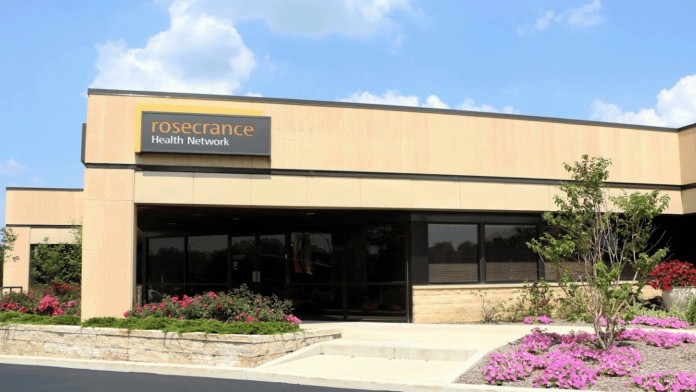
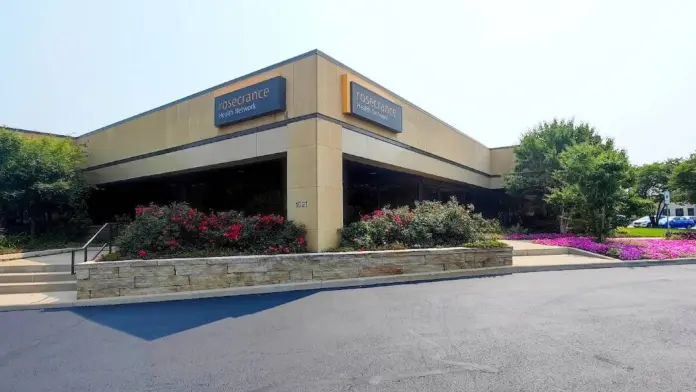
Accepted Insurance

Other Forms of Payment
Private insurance refers to any kind of healthcare coverage that isn't from the state or federal government. This includes individual and family plans offered by an employer or purchased from the Insurance Marketplace. Every plan will have different requirements and out of pocket costs so be sure to get the full details before you start treatment.
Self-pay involves paying for treatment out of your own pocket. You can use savings or credit, get a personal loan, or receive help from family and friends to fund your treatment. If you don't have insurance or your insurance plan doesn't cover a specific program, self-pay can help ensure you still get the care you need.
Medicaid is a state based program that helps lower-income individuals and families pay for healthcare. Medicaid covers addiction treatment so those enrolled can use their coverage to pay for rehab. When a program accepts Medicaid the client often pays very little or nothing out of their own pocket.
Medicare is a federal program that provides health insurance for those 65 and older. It also serves people under 65 with chronic and disabling health challenges. To use Medicare for addiction treatment you need to find a program that accepts Medicare and is in network with your plan. Out of pocket costs and preauthorization requirements vary, so always check with your provider.
Military members, veterans, and eligible dependents have access to specific insurance programs that help them get the care they need. TRICARE and VA insurance can help you access low cost or no cost addiction and mental health treatment. Programs that accept military insurance often have targeted treatment focused on the unique challenges military members, veterans, and their families face.
Addiction Treatments
Levels of Care
Outpatient Programs (OP) are for those seeking mental rehab or drug rehab, but who also stay at home every night. The main difference between outpatient treatment (OP) and intensive outpatient treatment (IOP) lies in the amount of hours the patient spends at the facility. Most of the time an outpatient program is designed for someone who has completed an inpatient stay and is looking to continue their growth in recovery. Outpatient is not meant to be the starting point, it is commonly referred to as aftercare.
Residential treatment programs are those that offer housing and meals in addition to substance abuse treatment. Rehab facilities that offer residential treatment allow patients to focus solely on recovery, in an environment totally separate from their lives. Some rehab centers specialize in short-term residential treatment (a few days to a week or two), while others solely provide treatment on a long-term basis (several weeks to months). Some offer both, and tailor treatment to the patient's individual requirements. Linden Oaks' Residential Stay Program offers additional support for those who may benefit from a structured living environment. A patient's stay may vary from a few days to 30 days ago. The program includes group, family and individual counseling.
Intensive Outpatient programs are for those who want or need a very structured treatment program but who also wish to live at home and continue with certain responsibilities (such as work or school). IOP substance abuse treatment programs vary in duration and intensity, and certain outpatient rehab centers will offer individualized treatment programs. The Intensive Outpatient Program gives patients the chance to participate in a structured treatment plan part-time while they transition back to home and work or other responsibilities. This program provides half-day treatment (Monday, Wednesday and Friday, 9:15 am to 12:30 pm).
Living in a sober living home in Illinois is a lot like living in a traditional home. Everyone must contribute to household chores and maintenance. All residents must work and pay rent. Individuals can mostly come and go as they please, but they must be home before curfew. Most men's and women's sober living homes also host house meetings where they resolve disputes, assign responsibilities, and welcome new residents.
As a flexible option, a partial hospitalization program (PHP) is tailored for those who don't require 24-hour care. PHP treatment can include daily therapeutic sessions and services such as relapse prevention and medication management. Based on your needs, PHP treatment duration can average 90 days and require a minimum of 20 hours of commitment weekly. While a partial hospitalization program typically requires a commute, telehealth may be available. PHP treatment costs can vary but are often covered by most insurance.
Clinical Services
During one on one therapy sessions for drug and alcohol addiction, you and your therapist work collaboratively to develop effective relapse prevention plans and improve your self awareness. This helps address your specific needs, including the effectiveness of several evidence based treatment modalities that may work best for you.
Staff & Accreditations
Staff

David Gomel, PhD
President & CEO

Anne Boccignone, M.B.A
Senior VP of Brand Strategy
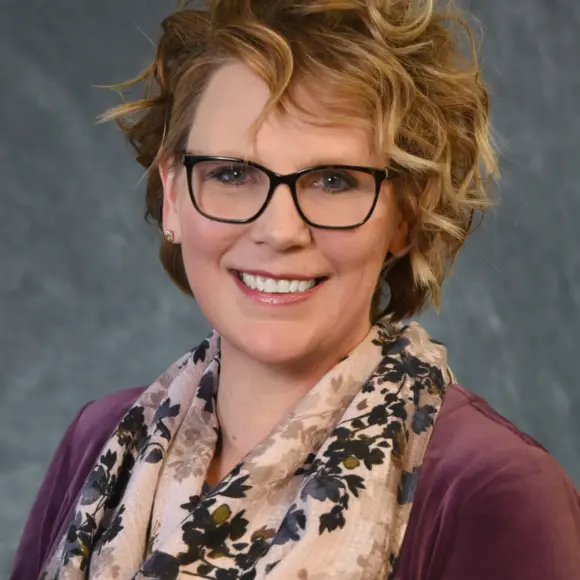
Carlene Cardosi, M.S.W, LCSW, CADC
Chief of Clinical Operations & Regional President of Rosecrance Illinois
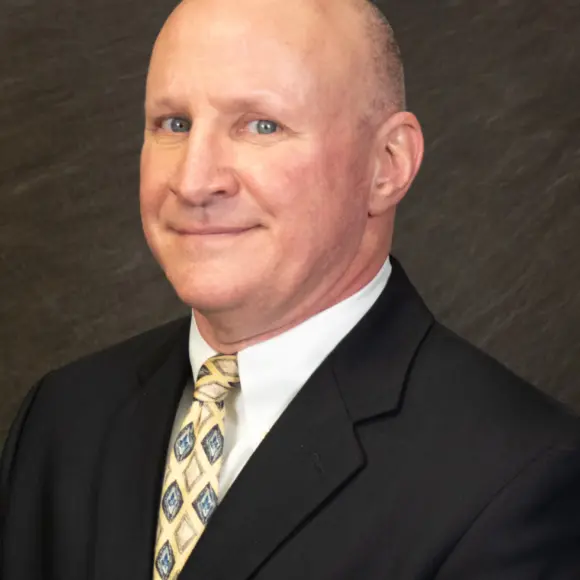
Michael Vick, M.B.A, CPA
Senior VP & CFO

Raymond Garcia, M.D
Chief Medical Officer & Addictionologist
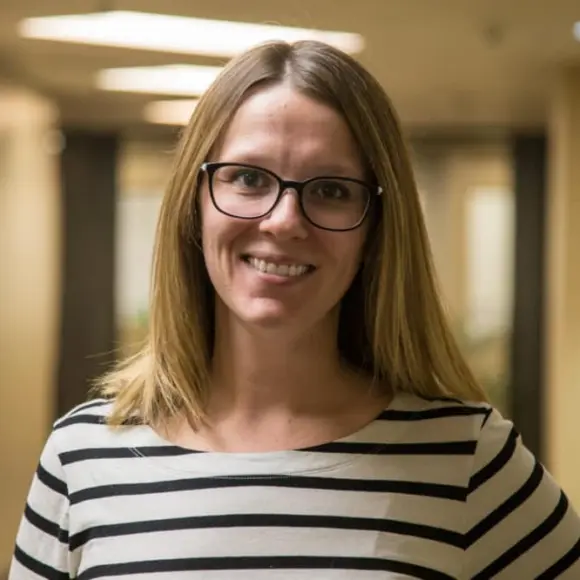
Amy Young, M.S., APN, FNP-BC
Director of Nursing

Craig Stallings, M.S. Ed., LCPC, NCC, CADC
Regional VP of Operations
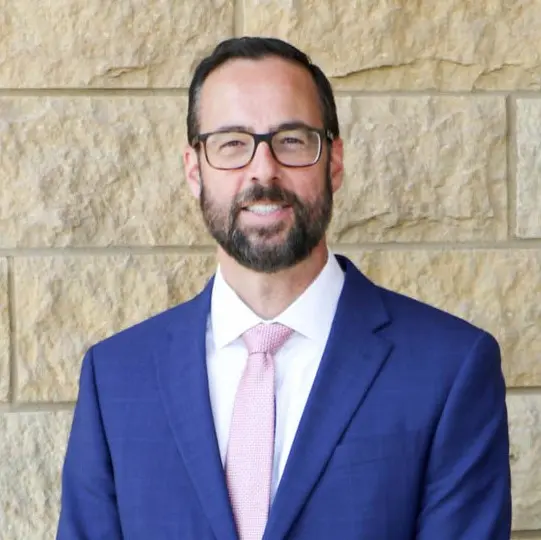
Greg Tierney, Ph.D., LCP
VP of Clinical Operations
Accreditations

The National Association of Addiction Treatment Providers (NAATP) is a professional association that represents organizations in the field of addiction services. Founded in 1978, NAATP's mission is to advance addiction services and ensure that high-quality addiction treatment is available and accessible.
NAATP Member: Yes

The Joint Commission, formerly known as JCAHO, is a nonprofit organization that accredits rehab organizations and programs. Founded in 1951, the Joint Commision's mission is to improve the quality of patient care and demonstrating the quality of patient care.
Joint Commission Accreditation: Yes
Rehab.com regularly reviews this listing for accuracy but changes may occur between updates. For the most up-to-date information, please contact Rosecrance Health Network.
Contact Information


1021 North Mulford Road
Rockford, IL 61107
Sponsored Helpline



