Our Rehab Score is designed to make it easier for you to find the best treatment centers. We combine overall ratings with recent feedback to create a score that reflects a center's quality right now.
8.50 / 10
1
Top 10 Rehab in Bayard
Rehab Score
Our Rehab Score is designed to make it easier for you to find the best treatment centers. We combine overall ratings with recent feedback to create a score that reflects a center's quality right now.
Our Rehab Score is designed to make it easier for you to find the best treatment centers. We combine overall ratings with recent feedback to create a score that reflects a center's quality right now.
8.50 / 10
1
Top 10 Rehab in Bayard
Rehab Score
Our Rehab Score is designed to make it easier for you to find the best treatment centers. We combine overall ratings with recent feedback to create a score that reflects a center's quality right now.
8.50 / 10
About St. Gregory Recovery Center
One thing that stands out to me about them is their empowerment-based treatment approach. Instead of teaching you how not to use substances, they focus on the underlying causes of your addiction and how to address them. Their program aims to help you reach stabilization, change your thinking, develop new habits, retrain your brain, and strengthen your body. It utilizes a unique treatment approach with behavior modification training, life-skills exercises, and cognitive behavior therapy. You can incorporate spirituality, religion, health, and wellness into your treatment plan as you see fit.
Another thing I found interesting about them is they don’t offer 12 Step programming. Many treatment programs use 12 Step groups, like Alcoholics Anonymous, to supplement expert-backed therapeutic interventions. A fundamental of the 12 Step philosophy is relinquishing control over your addiction to a higher power. But, they don’t believe people are powerless over their addiction They instead provide their distinctive treatment curriculum to help you overcome addiction for good without lifelong care.
⭐⭐⭐⭐⭐
I’m incredibly grateful for my experience at St. Gregory Recovery Center. The staff, therapists, counselors, and admissions team were caring, supportive, and genuinely invested in helping me succeed. From the moment I arrived, I felt heard, respected, and cared for.
They helped me work through some difficult things and, most importantly, helped me rediscover joy, hope, and love in life. I’m thankful for the tools, encouragement, and compassion they gave me along the way. I would highly recommend St. Gregory to anyone looking for a supportive place to begin their recovery journey.
Scoring is assigned by a proprietary system which helps surface key metrics that determine quality. The 10-point scale factors in categories such as operations, customer satisfaction, and trust metrics. Read Full Methodology
8.5 / 10
Gallery
Accepted Insurance
Please contact to verify your specific insurance provider.
St. Gregory Recovery Center works with several private insurance providers, please contact to verify your specific insurance provider.
Private insurance refers to any kind of healthcare coverage that isn't from the state or federal government. This includes individual and family plans offered by an employer or purchased from the Insurance Marketplace. Every plan will have different requirements and out of pocket costs so be sure to get the full details before you start treatment.
Self-pay involves paying for treatment out of your own pocket. You can use savings or credit, get a personal loan, or receive help from family and friends to fund your treatment. If you don't have insurance or your insurance plan doesn't cover a specific program, self-pay can help ensure you still get the care you need.
Financial aid can take many forms. Centers may have grants or scholarships available to clients who meet eligibility requirements. Programs that receive SAMHSA grants may have financial aid available for those who need treatment as well. Grants and scholarships can help you pai for treatment without having to repay.
Military members, veterans, and eligible dependents have access to specific insurance programs that help them get the care they need. TRICARE and VA insurance can help you access low cost or no cost addiction and mental health treatment. Programs that accept military insurance often have targeted treatment focused on the unique challenges military members, veterans, and their families face.
Medicaid is a state based program that helps lower-income individuals and families pay for healthcare. Medicaid covers addiction treatment so those enrolled can use their coverage to pay for rehab. When a program accepts Medicaid the client often pays very little or nothing out of their own pocket.
Addiction Treatments
Levels of Care
Outpatient rehab programs are designed to support clients who are exiting inpatient treatment and for those who prefer to remain in their own homes during active recovery. Clients in outpatient care typically integrate treatment into their ordinary daily routine, including work and school schedules. Evening, night, and weekend therapy sessions, recovery training courses, and other outpatient services are widely available to accommodate clients' needs. Many outpatient rehabs also offer medication assisted treatment (MAT), including medication induction and maintenance.
Clients in inpatient rehab reside at the treatment facility for the duration of the program, which may range from two weeks to more than 18 months, depending on unique needs and the program's design. Inpatient treatment typically consists of extensive addiction counseling, which may include CBT, DBT, RBT, and motivational interviewing. Clients may also engage in recovery-focused life skills training and/or evidence-based complementary therapies, such as massage, meditation, and experiential therapy.
Intensive outpatient programs (IOP) offer high-level care for clients in early recovery or who are at an increased risk of relapse. Clients may also enroll in an IOP immediately following detox, enabling them to continue to work and to live at home. Clients attend multiple outpatient treatment sessions for a minimum of nine hours per week. Many intensive outpatient rehabs provide a variety of services, including psychotherapy, recovery education, and medication assisted treatment (MAT).
Rehab aftercare programs support clients' reintegration into their home, workplace, and community following inpatient and residential treatment. They also promote long-term recovery for clients who may no longer be receiving outpatient treatment. Rehab aftercare services encompass a wide range of modalities and often include various medical, mental health, and social service programs. Case managers and care teams develop clients' customized service plans based on the client's evolving needs and recovery goals.
Commonly referred to as "day treatment," a partial hospitalization program (PHP) is a short-term, intensive rehab option that provides structured treatment for those who don't require 24-hour care. PHP treatment can also be used as an alternative to inpatient hospitalization or as a "step-down" option. Insurance coverage for PHP treatment varies. Typically, PHP treatment requires a minimum of 20 hours a week and lasts an average of 90 days. PHP treatment often includes relapse prevention strategies, medication management, individual and group therapy, and other behavioral therapy interventions.
In the addiction treatment process, detox is typically the initial stage of recovery, and it involves 24-hour clinical care in Iowa. During this process, you receive constant medical supervision as harmful substances are purged from your body. Medical staff may prescribe medications to treat withdrawal symptoms and allow you to safely and comfortably break free from physical dependence on the substance.
If you've become physically dependent on drugs or alcohol, quitting suddenly can cause very dangerous side effects. During a medically assisted detox, licensed medical professionals will monitor your vitals around the clock and provide medications if necessary to ensure you're as safe and comfortable as possible throughout this process.
Treatments
The goal of treatment for alcoholism is abstinence. Those with poor social support, poor motivation, or psychiatric disorders tend to relapse within a few years of treatment. For these people, success is measured by longer periods of abstinence, reduced use of alcohol, better health, and improved social functioning. Recovery and Maintenance are usually based on 12 step programs and AA meetings.
Drug rehab in Iowa is available in many formats. A variety of inpatient and outpatient options provide programs that are tailored to individual needs, making recovery possible for everyone.
Many of those suffering from addiction also suffer from mental or emotional illnesses like schizophrenia, bipolar disorder, depression, or anxiety disorders. Rehab and other substance abuse facilities treating those with a dual diagnosis or co-occurring disorder administer psychiatric treatment to address the person's mental health issue in addition to drug and alcohol rehabilitation.
Opioid rehabs specialize in supporting those recovering from opioid addiction. They treat those suffering from addiction to illegal opioids like heroin, as well as prescription drugs like oxycodone. These centers typically combine both physical as well as mental and emotional support to help stop addiction. Physical support often includes medical detox and subsequent medical support (including medication), and mental support includes in-depth therapy to address the underlying causes of addiction.
Substance rehabs focus on helping individuals recover from substance abuse, including alcohol and drug addiction (both illegal and prescription drugs). They often include the opportunity to engage in both individual as well as group therapy.
Programs
Adult rehab programs include therapies tailored to each client's specific needs, goals, and recovery progress. They are tailored to the specific challenges adult clients may face, including family and work pressures and commitments. From inpatient and residential treatment to various levels of outpatient services, there are many options available. Some facilities also help adults work through co-occurring conditions, like anxiety, that can accompany addiction.
Young adulthood can be an exciting, yet difficult, time of transition. Individuals in their late teens to mid-20s face unique stressors related to school, jobs, families, and social circles, which can lead to a rise in substance use. Rehab centers with dedicated young adult programs will include activities and amenities that cater to this age group, with an emphasis on specialized counseling, peer socialization, and ongoing aftercare.
Recovery is most successful when clients feel accepted and validated by their peers and treatment providers. Facilities that offer LGBTQ-inclusive programming are committed to creating a safe space where everyone can grow and recover without fear of judgment or discrimination. They will have dedicated policies in place to create a safe and supportive environment that fosters free expression.
Serving in the military is both mentally and physically challenging, and can result in trauma that persists even after combat ends. Military programs are tailored to the specific and often complex needs of active duty personnel, veterans, and military families. Clients often access these programs through the U.S. Department of Veterans Affairs (VA).
Clinical Services
Cognitive behavior therapy—consistently shown to be the most effective therapeutic method for treatment of substance abuse—shows you how to change your responses to these deeply rooted thought processes. At St. Gregory’s Retreat Centers, you’ll learn to better understand stress and anxiety, and you’ll become equipped to handle difficult emotional situations without the use of drugs or alcohol.
Dialectical behavior therapy helps you learn healthier ways to cope with your emotions and life stressors. The goal is to find a balance between acceptance of who you are and the advantages of making changes. You will work with your therapist to strike this balance and develop skills for better emotional regulation.
Equine Therapy
People in substance use disorder treatment in Iowa find group therapy helps them benefit from shared experiences, gain new insights into the triggers of addiction, and learn new coping strategies. Group therapy promotes accountability and helps raise your motivation to seek sobriety and achieve sustainable recovery.
In individual therapy, a patient meets one-on-one with a trained psychologist or counselor. Therapy is a pivotal part of effective substance abuse treatment, as it often covers root causes of addiction, including challenges faced by the patient in their social, family, and work/school life.
During motivational interviewing in Iowa, the client and therapist collaborate to identify any discrepancies in the client's current situation and future goals. By asking open ended questions and using reflective listening skills, the therapist encourages the client to reach their own conclusions and make a commitment to any needed changes in their life.
During family therapy in Iowa, therapists focus on the collective healing of all members of the family unit who were impacted by addiction. Therapists guide families in understanding the effect addiction has and develop healthy communication practices. By working together, families can help support their loved ones recovery.
Life skills trainings involve all the skills a person must have in order to function successfully in the world. These include time management, career guidance, money management, and effective communication. Truly successful addiction recovery is based on the ability to not only live substance-free, but to thrive. Life skills teaches the practical necessities of functioning in society, which sets clients up for success in life, and therefore sobriety.
Addiction recovery works best with recreational therapy activities that improve your physical health and provide emotional support. This holistic approach improves your overall physical and mental health, creates a sense of community, and helps reduce your cravings. Each of these factors is necessary to foster long term sobriety.
Amenities
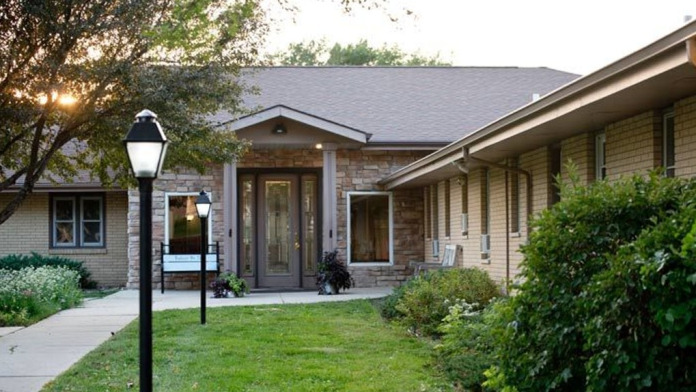
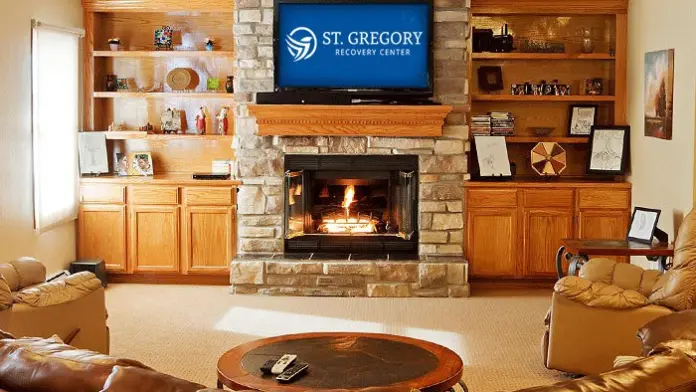
Residential Setting
Private Rooms
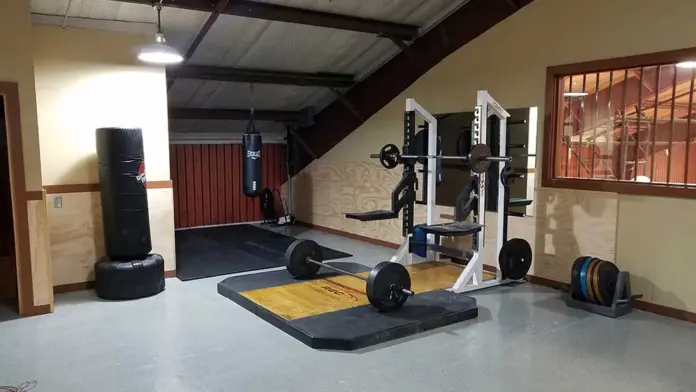
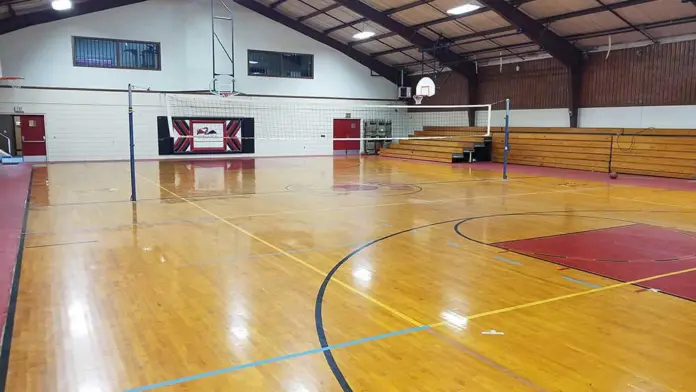
Gym
Meditation Room
Staff & Accreditations
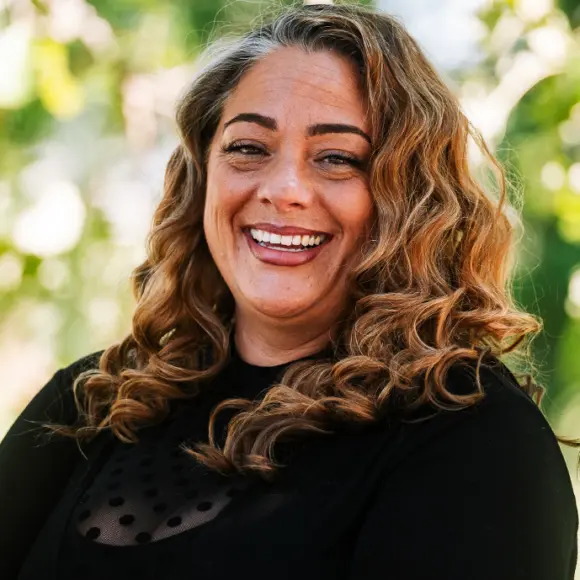
Staff
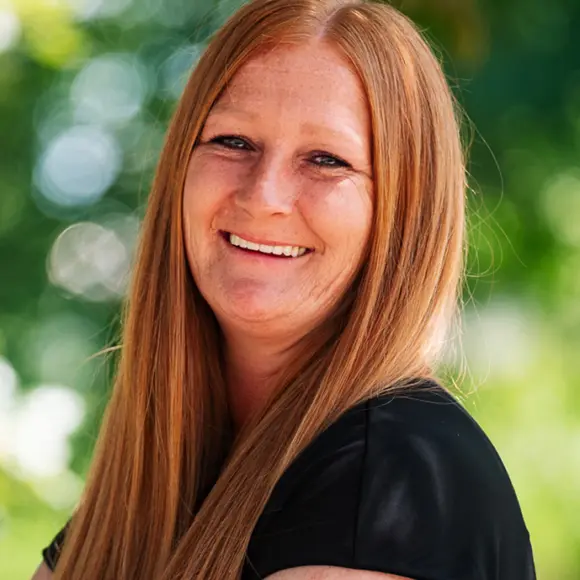
Amanda Heineman
CEO
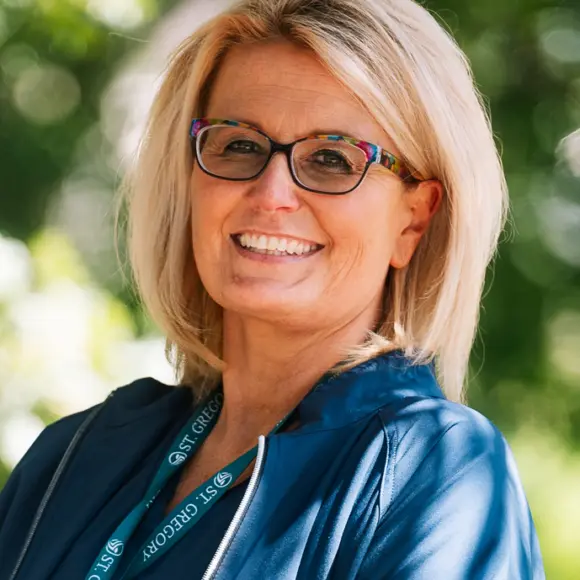
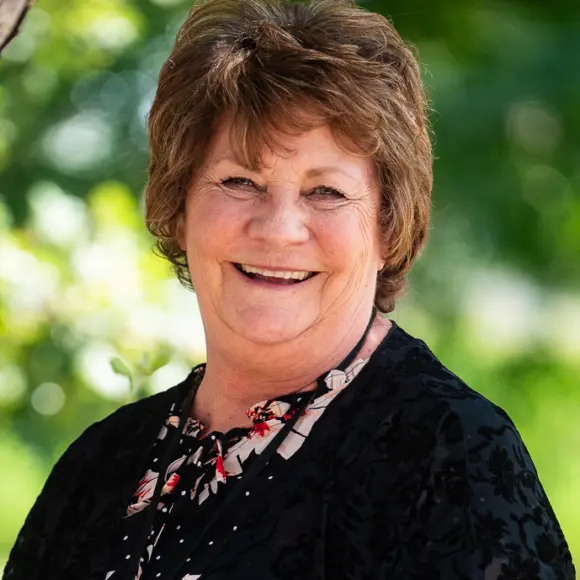
Lana Teeples
Director of Nursing
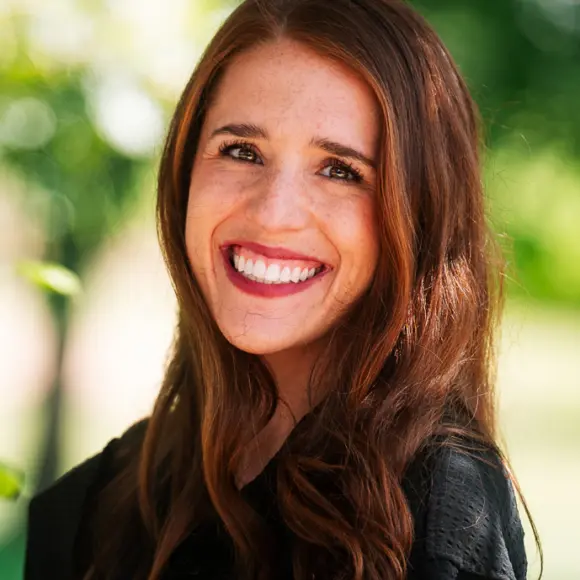
Olivia Kreipke
DOA
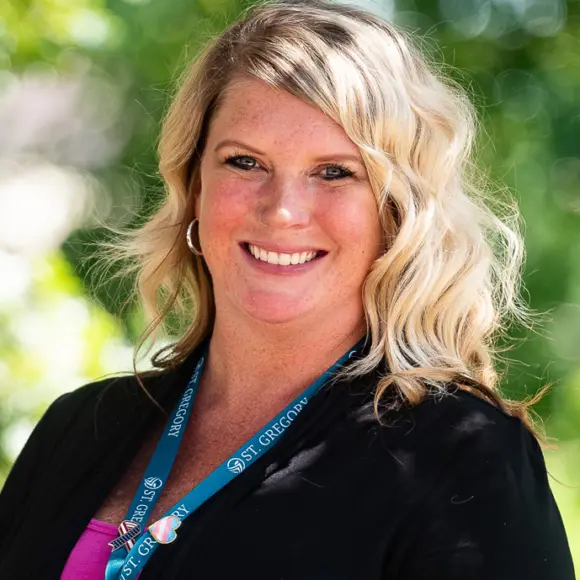
Colleen Christopherson
Director of Clinical Services
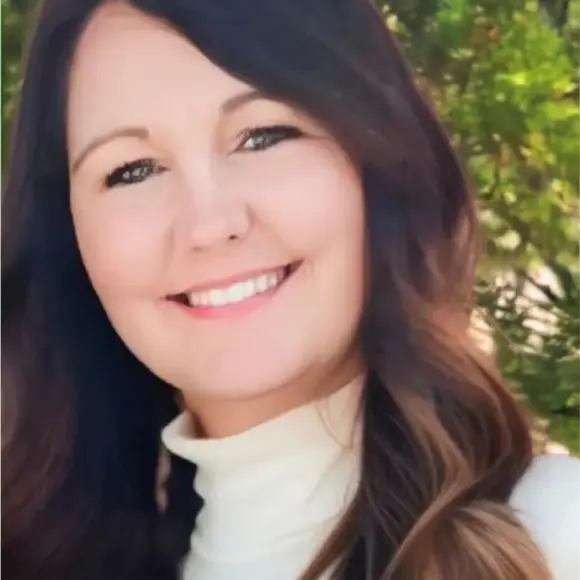
Rachel Whitaker
Admissions Coordinator
Wilma Leibbrandt
Recovery Life Coach & Alumni Coordinator
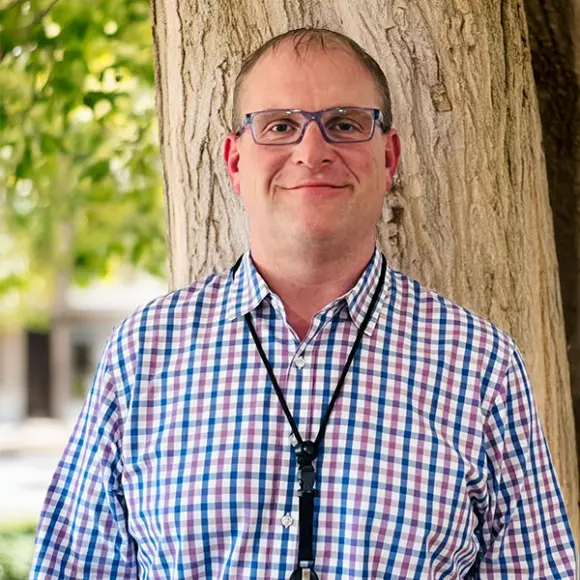
Andy Menken
Director of Utilization Review
Alexis Thompson
Market Director & Community Outreach
Sammarra Platt-Smith
BOM
Accreditations
The Commission on Accreditation of Rehabilitation Facilities (CARF) is a non-profit organization that specifically accredits rehab organizations. Founded in 1966, CARF's, mission is to help service providers like rehab facilities maintain high standards of care.
CARF Accreditation: Yes
LegitScript has reviewed St. Gregory Recovery Center as part of their certification program, and has determined that it meets the LegitScript standards for legality, safety and transparency.
LegitScript verified in
Rehab.com regularly reviews this listing for accuracy but changes may occur between updates. For the most up-to-date information, please contact St. Gregory Recovery Center.
I do not need to be in a place like that, I like to be in places where I am comfortable and they treat me well, but the counselors here are very rude and bad-tempered.
Reviewed on 3/7/2019
4.5
Wonderful retreat center was rewarding to himself and our family brought my lost son back to me and is continuing to help with his decision making he learned how to co-op with his life issues and how to apply what he learned while there to every day Life challenges has been ...
Read More
⭐⭐⭐⭐⭐
I’m incredibly grateful for my experience at St. Gregory Recovery Center. The staff, therapists, counselors, and admissions team were caring, supportive, and genuinely invested in helping me succeed. From the moment I arrived, I felt heard, respected, and cared for.
They helped me work through some difficult things and, most importantly, helped me rediscover joy, hope, and love in life. I’m thankful for the tools, encouragement, and compassion they gave me along the way. I would highly recommend St. Gregory to anyone looking for a supportive place to begin their recovery journey.
Alberto Salinas
2 months ago
5
Loved it there loved the staff loved the counselors the food top tier 👌 gormey amazing experience I cried leaving 😢 wont ever forget the people
Sydney Heyer
2 months ago
5
Highly recommend this recovery center. Kind staff, a positive environment and a well ran after-care program.
Rex Kepford
2 months ago
5
SGRC was very helpful in my recovery. The clients were great and the staff truly cares about your success in recovery!!!
Mariah Bourne received her Master of Arts in Community Social Psychology from the University of Massachusetts Lowell. She later served as a Research Associate in many studies focused on education, addiction, and treatment, including one examining the efficacy of an LED treatment device in reducing opioid cravings. Currently, she works as a freelance writer and is dedicated to providing helpful information to those seeking recovery from substance abuse.
By calling the helpline you agree to the terms of use. We do not receive any commission or fee that is dependent upon which treatment provider a caller chooses. There is no obligation to enter treatment.
Calls to numbers on a specific treatment center listing will be routed to that treatment center. Calls to any general helpline could be forwarded to SAMHSA or a verified treatment provider.
If you wish to connect with non-sponsor centers, you can browse top-rated listings, visit our homepage and browse by state, or visit SAMHSA.

 Sponsored Helpline





























































































 31-50
31-50  31 - 60
  $580
$580 






 Residential Setting
  Private Rooms
  Gym
Gym  Meditation Room