










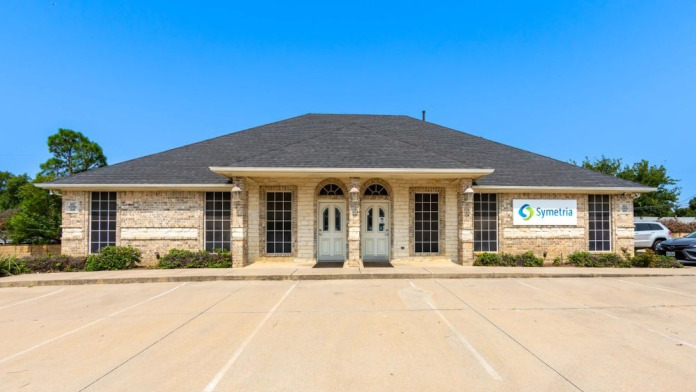
Symetria — Hurst Outpatient Rehab & Suboxone Clinic
1
Top 10 Rehab Centers In Hurst



















































































South Texas Counseling and Psychological Testing, now called South Texas Counseling, is located on Boca Chica Boulevard in Brownsville, Texas. South Texas is located in the International Plaza. They’re near East 14th Street and several retail shopping areas and restaurants. A river is next door that leads directly to Chachalacha Park and Tony Gonazalezz Park.
They provide behavioral health services for co-occurring disorders including substance use disorder and mental health issues.
South Texas doesn’t provide crisis care or stabilization, so if you’re experiencing withdrawal symptoms from your addiction, you’ll first need to address those issues at another facility that can provide overnight, supervised care for your detox. However, counseling and therapy services are offered.
They also vary how many counseling sessions you require as well as access to education, and workshops in English or Spanish.
In addition, they offer faith-based counseling services that incorporate faith-based practices into your care and treatment, alongside traditional therapy and counseling. The staff can give life coaching to prepare clients for their community reintegration. You might be able to unwind and explore at local attractions like Gladys Porter Zoo.
If you’re experiencing issues with immigration while in treatment, they’re ready to assist. They assist clients to evaluate your immigration status and provide resources to help you gain asylum, visa applications and petitions to further legalize your status.


 Our Methodology


Outpatient Programs (OP) are for those seeking mental rehab or drug rehab, but who also stay at home every night. The main difference between outpatient treatment (OP) and intensive outpatient treatment (IOP) lies in the amount of hours the patient spends at the facility. Most of the time an outpatient program is designed for someone who has completed an inpatient stay and is looking to continue their growth in recovery. Outpatient is not meant to be the starting point, it is commonly referred to as aftercare.
Completing a drug or alcohol rehab program shouldn't spell the end of substance abuse treatment. Aftercare involves making a sustainable plan for recovery, including ongoing support. This can include sober living arrangements like halfway houses, career counseling, and setting a patient up with community programs like Alcoholics Anonymous (AA) or Narcotics Anonymous (NA).
Mental health rehabs focus on helping individuals recover from mental illnesses like bipolar disorder, clinical depression, anxiety disorders, schizophrenia, and more. Mental health professionals at these facilities are trained to understand and treat mental health issues, both in individual and group settings.
Adult rehab programs include therapies tailored to each client's specific needs, goals, and recovery progress. They are tailored to the specific challenges adult clients may face, including family and work pressures and commitments. From inpatient and residential treatment to various levels of outpatient services, there are many options available. Some facilities also help adults work through co-occurring conditions, like anxiety, that can accompany addiction.
Young adulthood can be an exciting, yet difficult, time of transition. Individuals in their late teens to mid-20s face unique stressors related to school, jobs, families, and social circles, which can lead to a rise in substance use. Rehab centers with dedicated young adult programs will include activities and amenities that cater to this age group, with an emphasis on specialized counseling, peer socialization, and ongoing aftercare.
Whether a marriage or other committed relationship, an intimate partnership is one of the most important aspects of a person's life. Drug and alcohol addiction affects both members of a couple in deep and meaningful ways, as does rehab and recovery. Couples therapy and other couples-focused treatment programs are significant parts of exploring triggers of addiction, as well as learning how to build healthy patterns to support ongoing sobriety.
Research clearly demonstrates that recovery is far more successful and sustainable when loved ones like family members participate in rehab and substance abuse treatment. Genetic factors may be at play when it comes to drug and alcohol addiction, as well as mental health issues. Family dynamics often play a critical role in addiction triggers, and if properly educated, family members can be a strong source of support when it comes to rehabilitation.
Group therapy is any therapeutic work that happens in a group (not one-on-one). There are a number of different group therapy modalities, including support groups, experiential therapy, psycho-education, and more. Group therapy involves treatment as well as processing interaction between group members.
In individual therapy, a patient meets one-on-one with a trained psychologist or counselor. Therapy is a pivotal part of effective substance abuse treatment, as it often covers root causes of addiction, including challenges faced by the patient in their social, family, and work/school life.
Rehab.com regularly reviews this listing for accuracy but changes may occur between updates. For the most up-to-date information, please contact South Texas Counseling.

3505 Boca Chica Blvd.
Suite 149
Brownsville, TX 78521
Sponsored Helpline


Horrible experience from the guy answering the phone, being sarcastic and rude. This was a very important appointment for my niece (we’ve waited a long time to get it) and he wasn’t helpful at all, terrible customer service.

Horrible treatment. Very unprofessional. I had waited for so long for this appointment and they wouldn’t see me because the referral had to be sent with time. Which I didn’t know, no one told me. I told them I had it with me and they said No, to hang up and called our doctor and get mad at them. When I asked if we were talking about the same doctor he said, I say it one way you say it another, but the tone he used was very uncalled for. He then proceeded to tell me to go to the hospital if needed. Well after the way you treated me , maybe. Do not recomend . For them to be a counseling place, they treat people horribly.
 Back
Back
Sharing your insights and experiences can help others learn more about this rehab center.

 Written By: Camille Sylvain