St. Christopher's Addiction Wellness Center
1
Top 10 Rehab Centers In Baton Rouge






























































































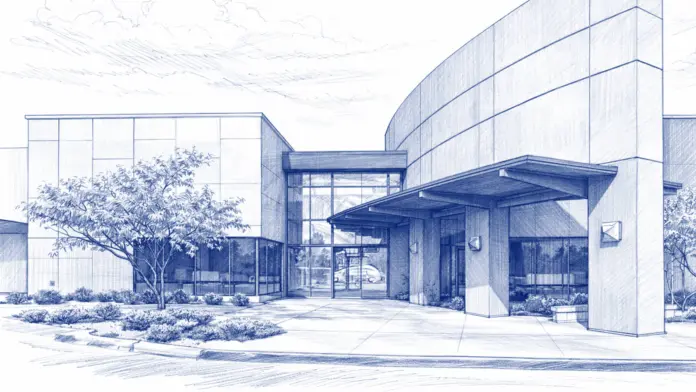
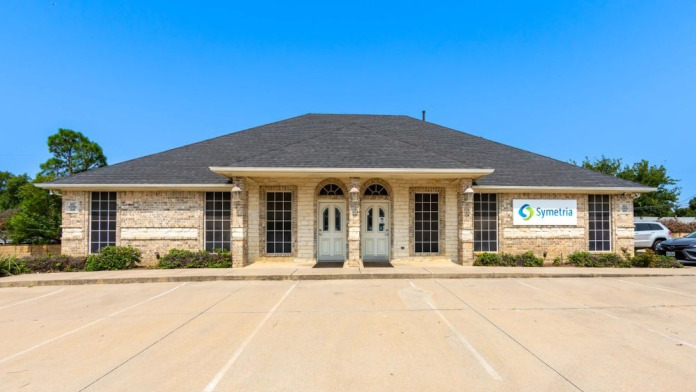
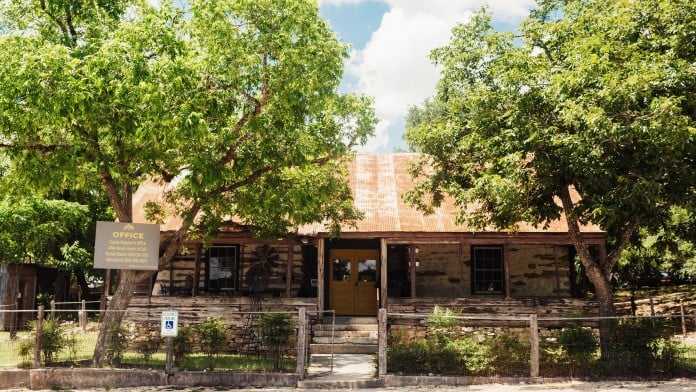
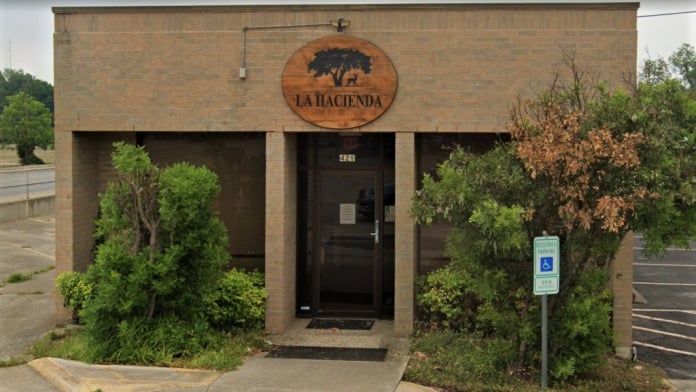
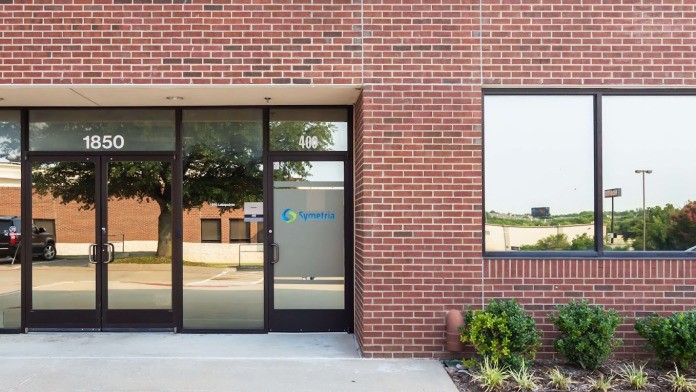
Stone River Recovery Center of San Antonio, Texas, exists to fill the gap between inpatient or residential addiction care and returning home. Their IOP program is designed to meet these needs, continuing treatment in a similarly structured environment that doesn’t require an inpatient stay and balances treatment with independence. A second facility at a different address offers detox and residential treatment.
IOP is much less restrictive than inpatient care, and it also offers greater flexibility in scheduling. With meetings occurring throughout the week, you can pick the times that best fit with your daily life and minimize how much rescheduling you need to do elsewhere to fit recovery into your life.
This IOP service offers group therapy sessions that bring clients together in discussions about addiction and recovery. In these groups, a facilitator typically guides the conversation and gives everyone the space to speak and share. It’s in this same setting that much of the sober living skill building will take place.
Group treatment has a key but sometimes understated benefit: creating a community. Therapy groups are more than meetings: the time you spend sharing your experiences, strengths and fears can work to build connections with others in recovery. That sense of belonging is one of the pillars of relapse prevention and something you can rely on again and again to stay strong in the face of challenges.
A great thing about this facility’s location is it’s not far from various attractions you can enjoy in downtown San Antonio when you’re not in treatment. Stone River Recovery Center is also minutes away from the San Antonio International Airport.

 15 - 30
 Our Methodology


Private insurance refers to any kind of healthcare coverage that isn't from the state or federal government. This includes individual and family plans offered by an employer or purchased from the Insurance Marketplace. Every plan will have different requirements and out of pocket costs so be sure to get the full details before you start treatment.
Self-pay involves paying for treatment out of your own pocket. You can use savings or credit, get a personal loan, or receive help from family and friends to fund your treatment. If you don't have insurance or your insurance plan doesn't cover a specific program, self-pay can help ensure you still get the care you need.
Ridding the body of harmful, addictive substances, also known as detoxification, is usually the first phase of recovery. Those going through medically assisted detox can be administered medications by a team of medical professionals who are on-site 24/7 to provide different types of therapies that help mitigate withdrawal symptoms.
Inpatient rehab programs are geared toward clients in early recovery. They also provide intensive support for clients in crisis and those at an increased relapse risk. Clients receive housing and meals while in inpatient care, allowing them to focus solely on their recovery. Most programs prioritize addiction counseling but may draw on various psychotherapeutic modalities, including CBT, DBT, RBT, trauma therapy, and motivational interviewing. Life skills training and holistic therapies are also common in inpatient care.
Intensive outpatient programs offer high-level care for clients as an increased risk of relapse, including those in early recovery, those with a strong history of relapse, and those experiencing a crisis. Intensive outpatient treatment typically requires clients to engage in nine to 20 hours of care weekly, with treatment modalities that combine psychotherapy and recovery education, and holistic therapies, such as acupuncture and animal therapy. Medication assisted treatment (MAT) is also common in alcohol and/or opioid recovery.
Alcoholism occurs when a person becomes physically and psychologically dependent on alcohol. Attending a professional alcohol rehab in Texas can provide customized intervention methods to address the physical, mental, and relational challenges of addiction.
During rehab in Texas, you'll deal with underlying issues that contribute to addiction. By addressing these challenges and learning healthy ways to cope with them, you'll develop strategies that help you live a drug-free lifestyle.
 Opioid Addiction
Serving in the military is both mentally and physically challenging, and can result in trauma that persists even after combat ends. Military programs are tailored to the specific and often complex needs of active duty personnel, veterans, and military families. Clients often access these programs through the U.S. Department of Veterans Affairs (VA).
The goal of cognitive behavioral therapy (CBT) in Texas is to change thought patterns, which leads to changes in behavior. Specific techniques during CBT can include self talk, SMART goals, journaling, and positive activities.
Treatment that takes a dialectical behavior therapy approach focuses on four strategies. Distress tolerance will help you accept and tolerate intense emotions. Emotional regulation will teach you to manage those emotions. Mindfulness will keep you in the present moment instead of regret or worry. Interpersonal effectiveness will teach you to manage your relationships.
Individual therapy offers you a confidential space to address the complexities of your drug or alcohol addiction. Your therapist guides these personalized sessions to help develop self awareness and manage stress. This promotes sustained sobriety and overall well being.
Peer support is an important aspect of group therapy sessions for drug and alcohol addiction. As you and your peers share stories and encourage each other, it fosters a sense of community and belonging that helps you process your feelings and reduces the sense of isolation that is associated with addiction.

The Commission on Accreditation of Rehabilitation Facilities (CARF) is a non-profit organization that specifically accredits rehab organizations. Founded in 1966, CARF's, mission is to help service providers like rehab facilities maintain high standards of care.
CARF Accreditation: Yes

12508 Jones Maltsberger Rd Suite 108, San Antonio, TX 78247
Sponsored Helpline
 Back
Back
Sharing your insights and experiences can help others learn more about this rehab center.