





























































































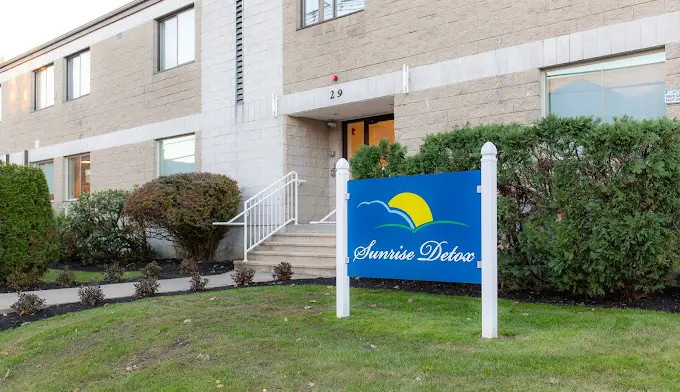
About Sunrise Detox Millbury
Along with medications, Sunrise Detox Millbury will also provide patients with group and individual therapy and peer mentoring as they detox. The goal of therapy will be to address the emotional and mental origins of a patient’s addiction. Patients can choose the type of therapy they feel will best suit them. In individual therapy, counselors will address mental health issues that might be causing an addiction, such as depression, anxiety and panic attacks. Counselors will also encourage patients to seek emotional support from family and friends. They provide a non judgmental environment that helps patients learn to trust again.
In group therapy, clients can have the opportunity to open up about their experiences with a support group of peers. Clients will also get a chance to learn coping mechanisms that other patients are using to help with their recovery. A peer support program is also available for clients to get connected with behavioral health experts and those who’ve recovered from addiction who are specifically educated to provide advice for recovery.
Latest Reviews



Rehab Score
 Our Methodology


Gallery




Accepted Insurance
Other Forms of Payment
Private insurance refers to any kind of healthcare coverage that isn't from the state or federal government. This includes individual and family plans offered by an employer or purchased from the Insurance Marketplace. Every plan will have different requirements and out of pocket costs so be sure to get the full details before you start treatment.
Self-pay involves paying for treatment out of your own pocket. You can use savings or credit, get a personal loan, or receive help from family and friends to fund your treatment. If you don't have insurance or your insurance plan doesn't cover a specific program, self-pay can help ensure you still get the care you need.
Sliding scale payments are based on a client's income and family size. The goal is to make treatment affordable to everyone. By taking these factors into account, addiction recovery care providers help ensure that your treatment does not become a financial burden to you or your family, eliminating one barrier to care.
Addiction Treatments
Levels of Care
Outpatient Programs (OP) are for those seeking mental rehab or drug rehab, but who also stay at home every night. The main difference between outpatient treatment (OP) and intensive outpatient treatment (IOP) lies in the amount of hours the patient spends at the facility. Most of the time an outpatient program is designed for someone who has completed an inpatient stay and is looking to continue their growth in recovery. Outpatient is not meant to be the starting point, it is commonly referred to as aftercare.
Residential treatment programs are those that offer housing and meals in addition to substance abuse treatment. Rehab facilities that offer residential treatment allow patients to focus solely on recovery, in an environment totally separate from their lives. Some rehab centers specialize in short-term residential treatment (a few days to a week or two), while others solely provide treatment on a long-term basis (several weeks to months). Some offer both, and tailor treatment to the patient's individual requirements.
Recovery models based on 12 step programs feature extensive peer coaching and emphasize personal growth as a key to sustained sobriety. Regular attendance at 12 step meetings, which are anonymous, free, and available daily, is expected. The 12 steps of recovery are based on spiritual principles and support participants in addressing the root causes of their disease, accept responsibility for their choices, and accept that which is beyond their control. Self-selected sponsors provide one-one-mentoring.
Drug and alcohol addiction often takes a heavy toll on one's body. Over time, a physical dependence can develop, meaning the body physiologically needs the substance to function. Detox is the process of removing drugs and/or alcohol from the body, a process that can be lethal if mismanaged. Medical detox is done by licensed medical professionals who monitor vital signs and keep you safe, healthy, and as comfortable as possible as you go through detox and withdrawal. The length of stay at the detoxification program is determined according to the specific needs of the patient.
Treatments
Substance rehabs focus on helping individuals recover from substance abuse, including alcohol and drug addiction (both illegal and prescription drugs). They often include the opportunity to engage in both individual as well as group therapy.
Programs
Adult rehab programs include therapies tailored to each client's specific needs, goals, and recovery progress. They are tailored to the specific challenges adult clients may face, including family and work pressures and commitments. From inpatient and residential treatment to various levels of outpatient services, there are many options available. Some facilities also help adults work through co-occurring conditions, like anxiety, that can accompany addiction.
Young adulthood can be an exciting, yet difficult, time of transition. Individuals in their late teens to mid-20s face unique stressors related to school, jobs, families, and social circles, which can lead to a rise in substance use. Rehab centers with dedicated young adult programs will include activities and amenities that cater to this age group, with an emphasis on specialized counseling, peer socialization, and ongoing aftercare.
Clinical Services
During cognitive behavioral therapy in Massachusetts, clients work with a trained counselor to identify negative thinking patterns and change them. This change in thinking has been shown to lead to changes in behavior to treat substance use and mental health disorders effectively.
If you are experiencing intense, negative emotions, dialectical behavior therapy can help you learn how to regulate painful emotions and manage the interpersonal situations that generate them. This method is often used during substance use treatment in Massachusetts to help you develop better coping skills and avoid relapse.
Group therapy is any therapeutic work that happens in a group (not one-on-one). There are a number of different group therapy modalities, including support groups, experiential therapy, psycho-education, and more. Group therapy involves treatment as well as processing interaction between group members.
In individual therapy, a patient meets one-on-one with a trained psychologist or counselor. Therapy is a pivotal part of effective substance abuse treatment, as it often covers root causes of addiction, including challenges faced by the patient in their social, family, and work/school life.
Four principles are key to motivational interviewing in Massachusetts. First, the therapist offers empathy for the client's feelings and experiences. Second, they encourage the client to believe in themselves and their ability to change. Third, the therapist refrains from imposing their own viewpoints. Lastly, the therapist helps the client identify discrepancies in their circumstances and future goals.
During family therapy, the therapist works with every member of the family unit to understand the role they play in their loved one's addiction. By addressing these patterns, family members learn healthier ways to interact with each other and contribute to a more effective recovery journey for the family member who is addicted.
The life skills you'll learn in rehab range from financial management to practicing healthy self care. They help you learn how to solve problems and make decisions, as well as develop healthy interpersonal relationships – all of which are key to successful recovery.
If you find it difficult to put thoughts and feelings into words, creative arts therapy in Massachusetts might be a good treatment method for you. Through art, music, and other expressive activities, this therapy allows you to explore and convey thoughts and emotions in a safe, creative space.
During experiential therapy, clients process their emotions and situations from the inside out. This is different than the outside in approach of talk therapies. Experiential methods include art, music, equine therapy, and drama, which allow creative expression and personal interaction.
Amenities
-
 Private Rooms
Accreditations

The Commission on Accreditation of Rehabilitation Facilities (CARF) is a non-profit organization that specifically accredits rehab organizations. Founded in 1966, CARF's, mission is to help service providers like rehab facilities maintain high standards of care.
CARF Accreditation: Yes

LegitScript has reviewed Sunrise Detox Millbury as part of their certification program, and has determined that it meets the LegitScript standards for legality, safety and transparency.
LegitScript verified in October 2021

The Joint Commission, formerly known as JCAHO, is a nonprofit organization that accredits rehab organizations and programs. Founded in 1951, the Joint Commision's mission is to improve the quality of patient care and demonstrating the quality of patient care.
Joint Commission Accreditation: Yes

The National Association of Addiction Treatment Providers (NAATP) is a professional association that represents organizations in the field of addiction services. Founded in 1978, NAATP's mission is to advance addiction services and ensure that high-quality addiction treatment is available and accessible.
NAATP Member: Yes
Rehab.com regularly reviews this listing for accuracy but changes may occur between updates. For the most up-to-date information, please contact Sunrise Detox Millbury.
Contact Information


29 N Main St
Millbury, MA 01527
Sponsored Helpline



