















































































































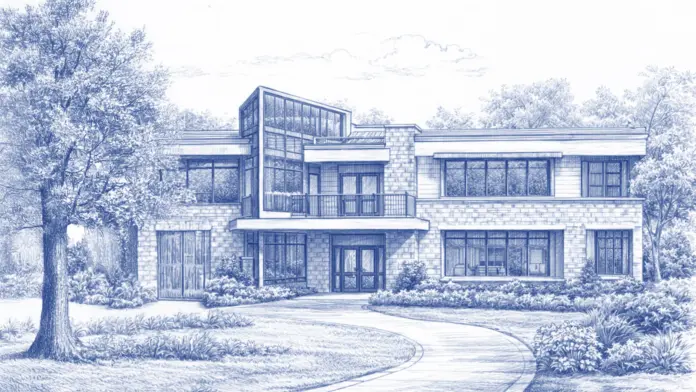
About Tennessee Behavioral Telehealth
Tennessee Behavioral Telehealth is a virtual addiction and mental health treatment provider serving teens and adults across the state.
In partnership with New Hope Health the program delivers care including CBT, DBT, relapse prevention and trauma-informed therapy through secure, HIPAA-compliant telehealth platforms.
Their mission is to make structured, compassionate treatment accessible from the comfort and privacy of home no matter where you live in Tennessee.
Virtual Addiction Treatment and Intensive Outpatient Care
The program’s core focus is delivering virtual addiction treatment through personalized care plans including a structured Virtual Intensive Outpatient Program.
Clients receive individual counseling, live group therapy and skills training while maintaining their daily routines at work, school or home.
Sessions combine approaches like CBT and DBT with relapse prevention and ongoing recovery support to address both symptoms and underlying causes.
Drug or alcohol testing may be used when clinically indicated, and aftercare and support groups help sustain long-term progress.
Integrated Mental Health and Co-Occurring Care
Beyond substance use the program treats co-occurring mental health concerns including trauma and other behavioral health conditions.
Provider expertise spans EMDR, solution-focused brief therapy and trauma-focused care, alongside medication management with ongoing monitoring and adjustments.
Dedicated, family-centered programming supports teens and adolescents in addition to adults.
Latest Reviews



Rehab Score
 Our Methodology


Location
Accepted Insurance

Other Forms of Payment
Medicaid is a state based program that helps lower-income individuals and families pay for healthcare. Medicaid covers addiction treatment so those enrolled can use their coverage to pay for rehab. When a program accepts Medicaid the client often pays very little or nothing out of their own pocket.
Medicare is a federal program that provides health insurance for those 65 and older. It also serves people under 65 with chronic and disabling health challenges. To use Medicare for addiction treatment you need to find a program that accepts Medicare and is in network with your plan. Out of pocket costs and preauthorization requirements vary, so always check with your provider.
Military members, veterans, and eligible dependents have access to specific insurance programs that help them get the care they need. TRICARE and VA insurance can help you access low cost or no cost addiction and mental health treatment. Programs that accept military insurance often have targeted treatment focused on the unique challenges military members, veterans, and their families face.
Private insurance refers to any kind of healthcare coverage that isn't from the state or federal government. This includes individual and family plans offered by an employer or purchased from the Insurance Marketplace. Every plan will have different requirements and out of pocket costs so be sure to get the full details before you start treatment.
Self-pay involves paying for treatment out of your own pocket. You can use savings or credit, get a personal loan, or receive help from family and friends to fund your treatment. If you don't have insurance or your insurance plan doesn't cover a specific program, self-pay can help ensure you still get the care you need.
Addiction Treatments
Levels of Care
To keep you safe and comfortable during the detoxification process, a medically assisted detox provides you with a team of medical professionals who can provide the necessary medications to treat any potential withdrawal symptoms. Suddenly stopping chronic abuse of substances like alcohol, benzodiazepines, or opioids can have uncomfortable and even dangerous side effects.
Inpatient rehabs are designed principally for clients who require intensive supervision and support, including clients who have just completed detox, clients in early recovery, and clients at an elevated risk of relapse. Inpatient treatment helps clients stabilize following detox and prepares them to step-down into outpatient and/or community-based care. Clients reside at the facility for the duration of their program and engage in extensive addiction counseling and education. Many programs also offer evidence-based complementary therapies.
Clients in intensive outpatient programs (IOP) receive robust, personalized care to support their reintegration into their community. Clients stepping down from inpatient treatment frequently enroll in IOP before entering standard outpatient care or community-based recovery programs, such as AA. Intensive outpatient treatment generally involves between nine and 20 therapeutic hours weekly, with the frequency and duration of sessions decreasing as clients stabilize. IOP services commonly include counseling, recovery education, holistic therapies, and medication assisted treatment (MAT).
A partial hospitalization program (PHP) is an intensive outpatient option for those with moderate to severe addictions, allowing you to return home at the end of the day. It can be an alternative to hospitalization or used as a step-down option. PHP treatment requires a minimum of 20 hours of treatment per week for an average of 90 days. Depending on your needs, PHP treatment includes relapse prevention, medication management, and behavioral therapy services. PHP treatment is often covered by providers.
Treatments
Alcohol use disorder (AUD) is a treatable condition characterized by uncontrolled consumption of alcohol which continues despite negative consequences. Treatment options for alcohol addiction include inpatient or outpatient alcohol rehab in Tennessee. Therapeutic methods include group and individual therapy, medication, and holistic therapies. Aftercare is often provided through 12-step support groups, which offer ongoing accountability and encouragement.
 Opioid Addiction
Substance abuse treatment in Tennessee is available in addiction treatment centers, where experienced addiction professionals can treat both substance use disorders. Typically, clinicians use a range of evidence-based therapies such as a biopsychosocial assessment, cognitive-behavioral therapy, and motivational interviewing to get a complete picture of your mental health, support systems, and motivation to change. Through an individualized treatment plan, you'll receive the support you need to achieve long-term sobriety through new skills and relapse prevention strategies.
 Mental Health And Substance Abuse
Programs
Teen programs are designed to address the unique pressures teens face, pressures that can drive them to experiment with dangerous, addictive substances. They need programs that meet them exactly where they are and give them tools for long-term recovery. Therapy can help teenagers understand and work through underlying issues so they can reclaim the life ahead of them.
Nearly one million adults age 65 and older live with a substance use disorder. Treatment providers who specialize in senior care understand the social, psychological, and physical effects of aging and how they relate to recovery. They can help clients address particular challenges and risks they may face as they get older such as overdosing and medication interactions and dependencies.
Clinical Services
Men and women in Tennessee undergoing one on one individual therapy sessions focus on understanding their unique needs and challenges. They do this under the guidance of an experienced therapist who can help you identify and address addiction triggers as well as create personalized relapse prevention plans. This offers you a customized path to a successful recovery journey.
Family therapy uses a structured environment to address the complexities of addiction and the negative influences it has on the family unit. Therapists work with family members to develop effective coping and communication strategies that support their loved one's recovery while also focusing on the health and well being of each family member.
In Tennessee, group therapy sessions for drug and alcohol addiction typically involve skill development to help you learn communication techniques and relapse prevention strategies. These strategies support your transition into the community and help you maintain long term sobriety.
Typical cognitive behavioral therapy in Tennessee involves recognizing negative thinking and learning techniques to change that thinking and create new, positive behaviors. Strategies may include SMART goals, journaling, and situation exposure.
Counseling in Tennessee that takes a dialectical behavior therapy approach can last from six to 12 months. During that time, you'll develop skills in the areas of distress tolerance, mindfulness, emotional regulation, and interpersonal effectiveness.
Amenities
-
 Basketball Court
 -
 Gym
Gym
Accreditations

The Joint Commission, formerly known as JCAHO, is a nonprofit organization that accredits rehab organizations and programs. Founded in 1951, the Joint Commision's mission is to improve the quality of patient care and demonstrating the quality of patient care.
Joint Commission Accreditation: Yes
Rehab.com regularly reviews this listing for accuracy but changes may occur between updates. For the most up-to-date information, please contact Tennessee Behavioral Telehealth.
Contact Information


100 Glenleigh Ct suite 202, Knoxville, TN 37934
Sponsored Helpline

