
























































































About The Salvation Army Charlotte Adult Rehabilitation Center
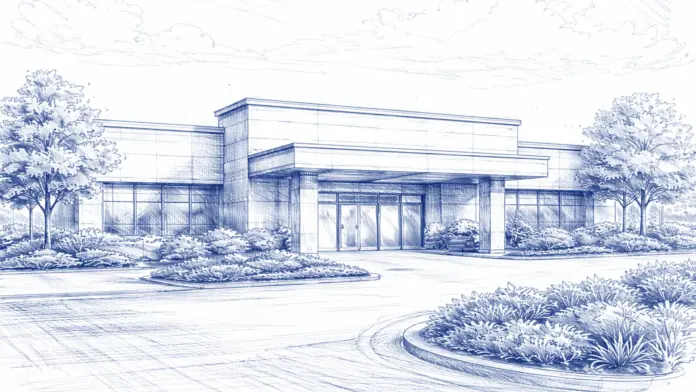
The Salvation Army offers drug rehabilitation programs in multiple states throughout the U.S., including the rehabilitation center in Charlotte, North Carolina. The Charlotte facility is a residential addiction and co-occurring mental health treatment center for adult men, 21 and older, seeking recovery.
The program targets unhoused men and those dealing with significant sociological and economic hardships related to their addictions. Their program is free to participants.
The facility is in the heart of Charlotte, close to uptown, and near public transportation. You can easily access interstate 277 to get to various parts of the city.
Faith-Based Treatment
This is a faith-based program that integrates clinical support and work therapy with Christian spiritual practices. You’ll have spiritual guidance, as well as individual counseling and practical skills training.
Clients have often highlighted the structured and supportive environment as having been pivotal to their successful recovery. Many have noted their appreciation for having found a sense of belonging and community in the program.
A Structured and Secure Environment
You’ll live in dorm-style accommodations that include dining areas, recreational amenities, and community spaces. There is a chapel available which can help you to address your emotional and spiritual needs.
Job training is a core component of the treatment program. Work therapy includes an opportunity to work in the affiliated operations, such as the Salvation Army Thrift Stores.
You’ll focus on building crucial life skills, including accountability, responsibility and employability. This can prepare you for the transition back to independent living in the community.
Facility Overview
 31 - 60
 Latest Reviews



Rehab Score
 Our Methodology


Location
Other Forms of Payment
 Free
FreeSelf-pay involves paying for treatment out of your own pocket. You can use savings or credit, get a personal loan, or receive help from family and friends to fund your treatment. If you don't have insurance or your insurance plan doesn't cover a specific program, self-pay can help ensure you still get the care you need.
Addiction Treatments
Levels of Care
Clients receiving treatment at an inpatient rehab facility are typically in early recovery or are at heightened risk of relapse. Clients in inpatient care remain at the facility for the duration of their program, enabling them to focus solely on their recovery. Inpatient treatment typically involves extensive psychotherapy, often including group and family counseling as well as one-on-one sessions. Recovery-focused life skills education is another common service. Many rehabs also offer evidence-based holistic therapies.
Treatments
Alcohol use disorder, commonly called alcoholism, involves an inability to control the amount or frequency you drink and feeling withdrawal symptoms when you don't drink. Treatment for alcohol addiction may involve residential or outpatient alcohol rehab in North Carolina, counseling, or 12-step programs. Typically, some form of professional treatment and support is necessary to achieve long-term recovery.
There are many types of drug rehab in North Carolina. To receive treatment for addiction, you can choose from many inpatient and outpatient programs. Often, participants start with detox and work through a full continuum of care that continues with ongoing support for long-term recovery.
Programs
Adult rehab programs include therapies tailored to each client's specific needs, goals, and recovery progress. They are tailored to the specific challenges adult clients may face, including family and work pressures and commitments. From inpatient and residential treatment to various levels of outpatient services, there are many options available. Some facilities also help adults work through co-occurring conditions, like anxiety, that can accompany addiction.
Clinical Services
Men and women enjoy a supportive environment within group therapy sessions for drug and alcohol addiction treatment. You can share your experiences and build connections with your peers while receiving encouragement from individuals who have faced similar challenges.
You usually develop a strong bond with your therapist during individual therapy sessions. This helps you explore the underlying causes of your substance use in a safe and nonjudgmental environment. Therapists help you develop effective coping strategies you can use in the community and improve your self awareness so you understand your addiction triggers.
Routine tasks are difficult for someone experiencing addiction. Daily skills deteriorate, which makes it harder to achieve recovery. That's why drug rehab programs in North Carolina reteach basic life skills. This gives you the tools you need to manage daily life without returning to substance use.
Amenities
-
 Residential Setting
Contact Information


1023 Central Ave, Charlotte, NC 28204
Sponsored Helpline

