






























































































 Teen Programs
  LGBTQ+
  Veterans
  Faith Based


This is the worst hospital I’ve ever been to. The staff is unprofessional and the nurses clueless about what it needs to be done. They also don't have good customer service whatsoever. Go elsewhere.
About VHS Westlake Hospital – Closed
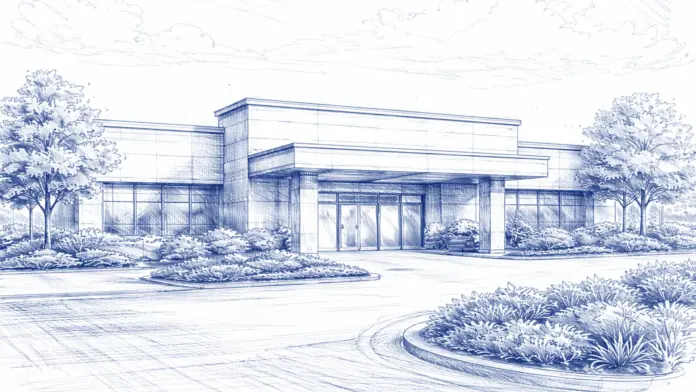
Westlake Hospital was located on West Lake Street in Melrose Park, Illinois, but is now permanently closed. They were located in a largely residential neighborhood, not far from Thatcher Woods and G.A.R. Woods, just north of and accessible by the I-290 freeway.
They had provided multi levels of emergency care including, partial hospitalization and stabilization for addiction and mental health crises, which typically would require a minimum of three days of in-hospital stay.
Integrated Care Programs & Outpatient Services
Additionally, at Westlake, they provided integrated hospital care programs for standard healthcare medical procedures, illnesses and disorders. In addition, they provided diagnostic imaging and inpatient and outpatient care.
Acute Care and Stabilization Through Emergency Care
Although behavioral health and psychiatric care is not directly noted in their programming, this emergency or acute care hospital would likely have provided stabilization, followed by outpatient referrals for continued therapy and counseling services. They would also have provided access to medication-assisted treatment while you were undergoing detox.
Now Houses Woodlake Specialty Hospital
The address now houses the Woodlake Specialty Hospital. Their services are primarily focused on supporting your occupational health needs through inpatient and outpatient services. Their inpatient program includes a behavioral health component that may support your mental health needs, particularly if you require acute or crisis care.
They also offer urgent care needs, emergency, pharmacy, imaging and access to outpatient therapy. These programs may assist you with your continued care and desire for long-term sobriety. They may also support a plan for providing you a healthier lifestyle going forward.
Latest Reviews
I will miss Westlake hospital. I just gave birth to my daughter here March 18th and the nurses, doctors and the staff was just simply wonderful to me and my baby making sure we were taken care of. This hospital was everybody to go to hospital in my family I mean is very convenient up the street from everybody I mean it was perfect. I will miss Jerry for her help with me being a mom all over again with breastfeeding. She called to check on me and I forgot to return her call. I will miss her terribly. I will bring my baby to show how much She grew😍 i love you Westlake and I feel so bad that no one saw the wonderful work you've done with all your patients.
Love the fitness center! Heather has the center running great, people using fitness center are happy to have this center to use. This is a very multi-nationality center that works very smoothly. HOW CAN IT CLOSE!,
I would like to recognize my emergency room nurse named Mike. This gentleman went totally above and beyond for a total stranger and treated me with the care and compassion that I have not seen in a hospital in a long time. I’m being admitted for chest pain and passing out and have yet to experience the rest of the hospital, but if it’s anything like the treatment I received from my nurse Mike, I will have nothing but good things to say about this hospital. It takes a special kind of person to go above and beyond the way Mike did for a total stranger. He has a servants heart and it will not be forgotten.
Response from the owner2 months ago
Barry, thank you for your kind words and recognition of Mike in the ER. We will pass your message on to staff at the hospital. 
Rehab Score
 Our Methodology
Scoring is assigned by a proprietary system which helps surface key metrics that determine quality. The 10-point scale factors in categories such as operations, customer satisfaction, and trust metrics. Read Full Methodology

4.6 / 10
Location
Other Forms of Payment
Medicaid is a state based program that helps lower-income individuals and families pay for healthcare. Medicaid covers addiction treatment so those enrolled can use their coverage to pay for rehab. When a program accepts Medicaid the client often pays very little or nothing out of their own pocket.
Private insurance refers to any kind of healthcare coverage that isn't from the state or federal government. This includes individual and family plans offered by an employer or purchased from the Insurance Marketplace. Every plan will have different requirements and out of pocket costs so be sure to get the full details before you start treatment.
Self-pay involves paying for treatment out of your own pocket. You can use savings or credit, get a personal loan, or receive help from family and friends to fund your treatment. If you don't have insurance or your insurance plan doesn't cover a specific program, self-pay can help ensure you still get the care you need.
Medicare is a federal program that provides health insurance for those 65 and older. It also serves people under 65 with chronic and disabling health challenges. To use Medicare for addiction treatment you need to find a program that accepts Medicare and is in network with your plan. Out of pocket costs and preauthorization requirements vary, so always check with your provider.
Military members, veterans, and eligible dependents have access to specific insurance programs that help them get the care they need. TRICARE and VA insurance can help you access low cost or no cost addiction and mental health treatment. Programs that accept military insurance often have targeted treatment focused on the unique challenges military members, veterans, and their families face.
Addiction Treatments
Levels of Care
Drug and alcohol addiction often takes a heavy toll on one's body. Over time, a physical dependence can develop, meaning the body physiologically needs the substance to function. Detox is the process of removing drugs and/or alcohol from the body, a process that can be lethal if mismanaged. Medical detox is done by licensed medical professionals who monitor vital signs and keep you safe, healthy, and as comfortable as possible as you go through detox and withdrawal.
Residential treatment programs are those that offer housing and meals in addition to substance abuse treatment. Rehab facilities that offer residential treatment allow patients to focus solely on recovery, in an environment totally separate from their lives. Some rehab centers specialize in short-term residential treatment (a few days to a week or two), while others solely provide treatment on a long-term basis (several weeks to months). Some offer both, and tailor treatment to the patient's individual requirements.
Treatments
The goal of treatment for alcoholism is abstinence. Those with poor social support, poor motivation, or psychiatric disorders tend to relapse within a few years of treatment. For these people, success is measured by longer periods of abstinence, reduced use of alcohol, better health, and improved social functioning. Recovery and Maintenance are usually based on 12 step programs and AA meetings.
Drug rehab in Illinois is designed to help people recover from addiction to a number of substances. The length of each program and its intensity tend to vary, and the plan of care is based on your individual needs.
Opioid rehabs specialize in supporting those recovering from opioid addiction. They treat those suffering from addiction to illegal opioids like heroin, as well as prescription drugs like oxycodone. These centers typically combine both physical as well as mental and emotional support to help stop addiction. Physical support often includes medical detox and subsequent medical support (including medication), and mental support includes in-depth therapy to address the underlying causes of addiction.
Substance rehabs focus on helping individuals recover from substance abuse, including alcohol and drug addiction (both illegal and prescription drugs). They often include the opportunity to engage in both individual as well as group therapy.
Programs
Adult rehab programs include therapies tailored to each client's specific needs, goals, and recovery progress. They are tailored to the specific challenges adult clients may face, including family and work pressures and commitments. From inpatient and residential treatment to various levels of outpatient services, there are many options available. Some facilities also help adults work through co-occurring conditions, like anxiety, that can accompany addiction.
Young adulthood can be an exciting, yet difficult, time of transition. Individuals in their late teens to mid-20s face unique stressors related to school, jobs, families, and social circles, which can lead to a rise in substance use. Rehab centers with dedicated young adult programs will include activities and amenities that cater to this age group, with an emphasis on specialized counseling, peer socialization, and ongoing aftercare.
Accreditations

The Substance Abuse and Mental Health Services Administration (SAMHSA) is a branch of the U.S. Department of Health and Human Services. Established in 1992 by congress, SAMHSA's mission is to reduce the impact of substance abuse and mental illness on American's communities.
SAMHSA Listed: Yes
Rehab.com regularly reviews this listing for accuracy but changes may occur between updates. For the most up-to-date information, please contact VHS Westlake Hospital – Closed.



