










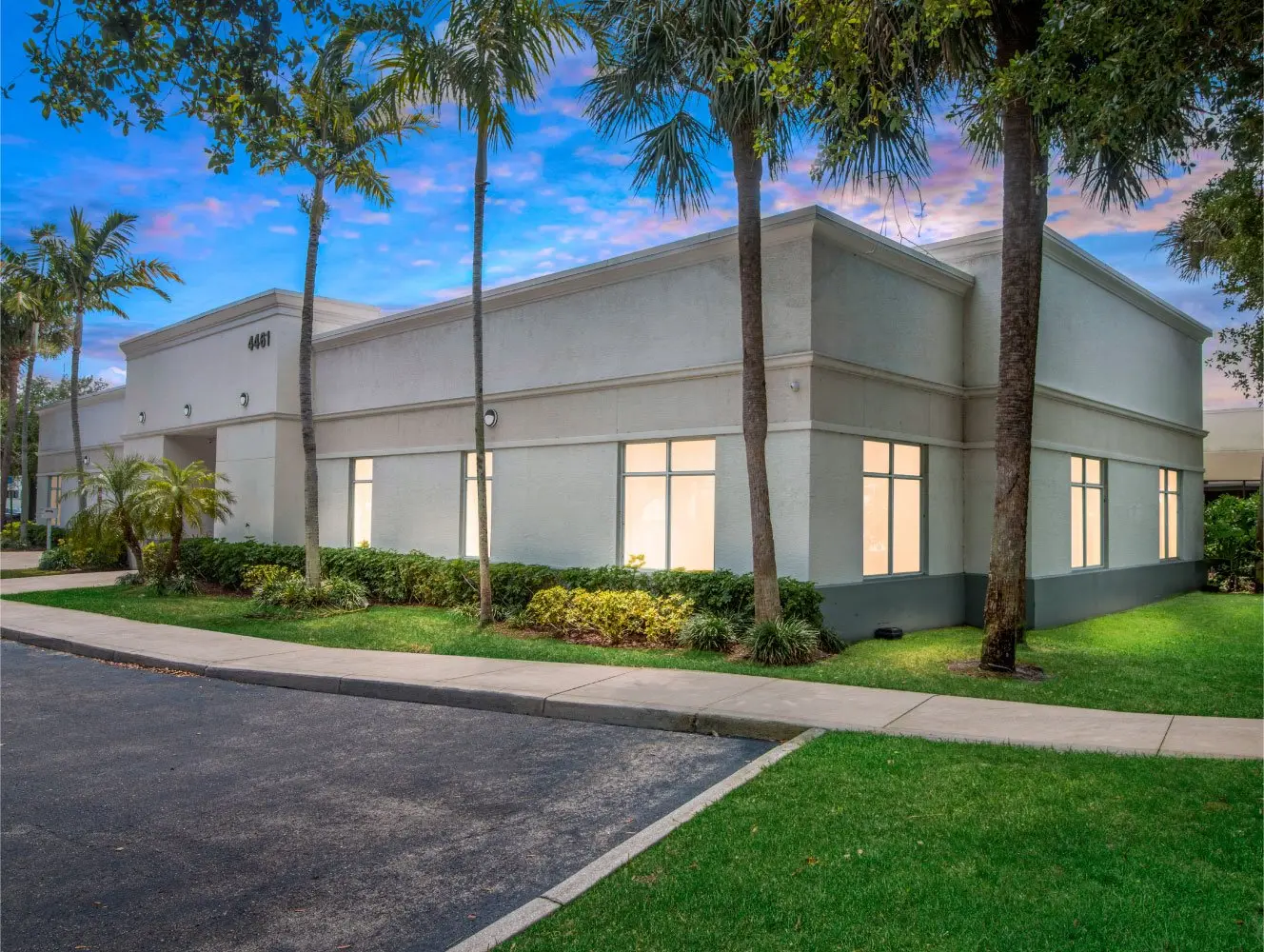
All In Solutions Wellness Center
1
Top 10 Rehab Centers In West Palm Beach



















































































Their residential program is called FIT, which stands for Families in Transition. Women and their children can stay here to learn the skills they need to stay sober and parent effectively. They’ll attend individual, group, and family counseling sessions, where they’ll talk about things like family planning and becoming financially stable. Once they’re ready to graduate from the program, they can move into outpatient care.
Something that caught my eye about this facility is that they don’t require clients to visit their office for outpatient services. Many times, the providers will come straight to the client instead. This is especially the case when the clients are younger and can’t get transportation to and from the clinic location. Adolescents between the ages of 12 and 17 who are showing signs of substance abuse can participate in at home or on site counseling sessions through their LIFE program. The adult outpatient program is called HART, or Healthy Attitudes Require Transition.
While this facility has multiple programs designed for addiction treatment, many former clients are unhappy with their experiences here. Some of the claims against the staff members include that they’re not compassionate or empathetic, lack clinical experience, and are difficult to communicate with.

 Our Methodology


Private insurance refers to any kind of healthcare coverage that isn't from the state or federal government. This includes individual and family plans offered by an employer or purchased from the Insurance Marketplace. Every plan will have different requirements and out of pocket costs so be sure to get the full details before you start treatment.
Self-pay involves paying for treatment out of your own pocket. You can use savings or credit, get a personal loan, or receive help from family and friends to fund your treatment. If you don't have insurance or your insurance plan doesn't cover a specific program, self-pay can help ensure you still get the care you need.
Financial aid can take many forms. Centers may have grants or scholarships available to clients who meet eligibility requirements. Programs that receive SAMHSA grants may have financial aid available for those who need treatment as well. Grants and scholarships can help you pai for treatment without having to repay.
Sliding scale payments are based on a client's income and family size. The goal is to make treatment affordable to everyone. By taking these factors into account, addiction recovery care providers help ensure that your treatment does not become a financial burden to you or your family, eliminating one barrier to care.
Medicare is a federal program that provides health insurance for those 65 and older. It also serves people under 65 with chronic and disabling health challenges. To use Medicare for addiction treatment you need to find a program that accepts Medicare and is in network with your plan. Out of pocket costs and preauthorization requirements vary, so always check with your provider.
Medicaid is a state based program that helps lower-income individuals and families pay for healthcare. Medicaid covers addiction treatment so those enrolled can use their coverage to pay for rehab. When a program accepts Medicaid the client often pays very little or nothing out of their own pocket.
Outpatient Programs (OP) are for those seeking mental rehab or drug rehab, but who also stay at home every night. The main difference between outpatient treatment (OP) and intensive outpatient treatment (IOP) lies in the amount of hours the patient spends at the facility. Most of the time an outpatient program is designed for someone who has completed an inpatient stay and is looking to continue their growth in recovery. Outpatient is not meant to be the starting point, it is commonly referred to as aftercare.
Residential treatment programs are those that offer housing and meals in addition to substance abuse treatment. Rehab facilities that offer residential treatment allow patients to focus solely on recovery, in an environment totally separate from their lives. Some rehab centers specialize in short-term residential treatment (a few days to a week or two), while others solely provide treatment on a long-term basis (several weeks to months). Some offer both, and tailor treatment to the patient's individual requirements.
Intensive outpatient programs (IOP) involve frequent and robust therapeutic sessions for clients requiring high-level care. Clients may engage in a combination of medication assisted treatment (MAT), addiction counseling, recovery skills training, and holistic therapies for a minimum of nine and a maximum of 20 hours per week. Intensive outpatient rehab is designed primarily for persons in early recovery, those exiting detox or inpatient care, and those at an elevated relapse risk.
Rehab aftercare programs are a collection of highly individualized services designed to promote long-term recovery. These services evolve as your needs change. Case managers and recovery teams typically begin formulating the rehab aftercare service plan early in the recovery process to facilitate your reintegration back into the home, workplace, and community.
12 step programs support recovery through emotional, psychological, and spiritual development to address the root causes of addiction. These programs are peer directed, with participants regularly attending 12 step meetings, which are anonymous, free, and accessible day and night, year-round. Recovery is based on "working the steps" to understand the source of addiction, take accountability for one's life choices, and relinquish control for that which cannot be changed. Age-specific, gender-separate, and other specialized programs are widely available.
A sober living home in Florida often serves as a transitional residence for individuals coming out of inpatient rehab. This helps those in recovery avoid isolation that can sometimes happen after they return home from treatment. It offers a supportive environment where they can practice skills learned in rehab. Offering a combination of structure and freedom, men's or women's sober living is a good stepping stone to independent life in recovery.
Intervention services helps family or friends of addicts stage an intervention, which is a meeting in which loved ones share their concerns and attempt to get an addict into treatment. Professional intervention specialists can help loved ones organize, gather, and communicate with an addict. They can guide intervention participants in describing the damage the addict's behavior is causing and that outside help is necessary to address the addiction. The ideal outcome of an intervention is for the addict to go to rehab and get the help they need
Often referred to as "day treatment," a partial hospitalization program (PHP) offers an intensive treatment option that allows individuals to return home at night. PHP treatment typically requires a minimum of 20 hours a week for an average of 90 days. Participants attend daily therapeutic sessions, receive medication management, and have access to skilled medical professionals. While costs can vary, most insurance will fully or partially cover a partial hospitalization program.
The first step of the recovery process involves the removal of all drugs and alcohol from your system while under 24/7 medical supervision. Known as a medically assisted detox, you are closely monitored by medical staff who can provide medications, if necessary, to help alleviate any potential withdrawal symptoms. Medical detox is usually followed by a period of inpatient addiction treatment.
Substance rehabs focus on helping individuals recover from substance abuse, including alcohol and drug addiction (both illegal and prescription drugs). They often include the opportunity to engage in both individual as well as group therapy.
Adult rehab programs include therapies tailored to each client's specific needs, goals, and recovery progress. They are tailored to the specific challenges adult clients may face, including family and work pressures and commitments. From inpatient and residential treatment to various levels of outpatient services, there are many options available. Some facilities also help adults work through co-occurring conditions, like anxiety, that can accompany addiction.
Young adulthood can be an exciting, yet difficult, time of transition. Individuals in their late teens to mid-20s face unique stressors related to school, jobs, families, and social circles, which can lead to a rise in substance use. Rehab centers with dedicated young adult programs will include activities and amenities that cater to this age group, with an emphasis on specialized counseling, peer socialization, and ongoing aftercare.
Therapists who apply cognitive behavioral therapy in Florida believe patient thoughts and behaviors are closely linked. They use this treatment method to help clients change their thought patterns so they can also change behaviors and break free from substance abuse.
Dialectical behavior therapy in Florida consists of individual therapy and group instruction. This structured program is a form of psychotherapy that incorporates the development of skills for managing emotions and relationships.
Group therapy is any therapeutic work that happens in a group (not one-on-one). There are a number of different group therapy modalities, including support groups, experiential therapy, psycho-education, and more. Group therapy involves treatment as well as processing interaction between group members.
In individual therapy, a patient meets one-on-one with a trained psychologist or counselor. Therapy is a pivotal part of effective substance abuse treatment, as it often covers root causes of addiction, including challenges faced by the patient in their social, family, and work/school life.
As a short term therapeutic method, motivational interviewing in Florida requires only a couple of sessions. During these sessions, you'll have the opportunity to talk about your circumstances and any discrepancies between your current situation and future goals. You'll then decide for yourself what changes you want to make.
Trauma therapy helps you work through the psychological impact that traumatic events have had on your life. Your therapist helps you identify the physical, emotional, and mental triggers and develop coping mechanisms. This helps rebuild a sense of safety and trust in yourself and others.
During couples therapy in Florida, your therapist will take steps to get to know you, help you identify feelings, explore the past, develop solutions, and help you learn skills to manage relationship challenges. This process will allow you to work through conflict and strengthen your relationship.
Research clearly demonstrates that recovery is far more successful and sustainable when loved ones like family members participate in rehab and substance abuse treatment. Genetic factors may be at play when it comes to drug and alcohol addiction, as well as mental health issues. Family dynamics often play a critical role in addiction triggers, and if properly educated, family members can be a strong source of support when it comes to rehabilitation.
Life skills trainings involve all the skills a person must have in order to function successfully in the world. These include time management, career guidance, money management, and effective communication. Truly successful addiction recovery is based on the ability to not only live substance-free, but to thrive. Life skills teaches the practical necessities of functioning in society, which sets clients up for success in life, and therefore sobriety.
 Private Transportation
  Gym
Gym  Residential Setting
  Private Rooms
  Hiking
  Mountain Views
  Gardens
  Walking Trails
President
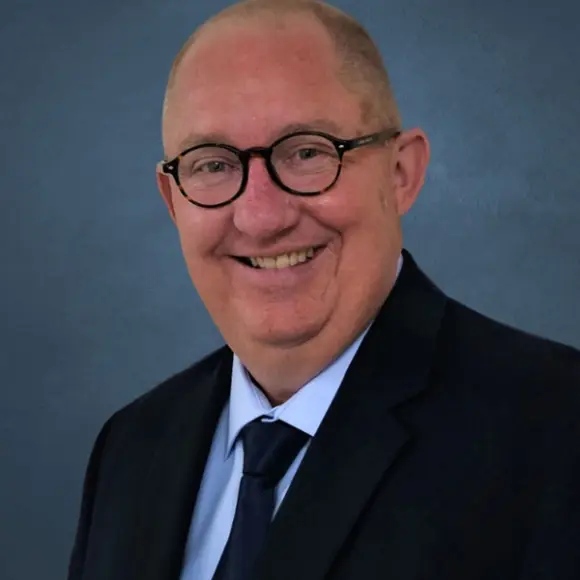
CEO
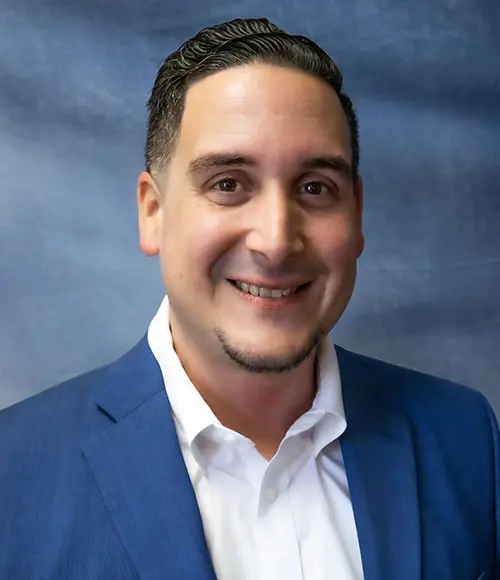
COO-Florida
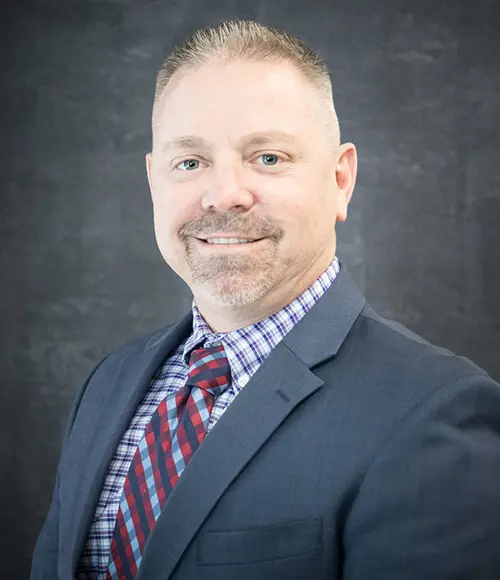
Chief Clinical Officer

The Substance Abuse and Mental Health Services Administration (SAMHSA) is a branch of the U.S. Department of Health and Human Services. Established in 1992 by congress, SAMHSA's mission is to reduce the impact of substance abuse and mental illness on American's communities.
SAMHSA Listed: Yes

The Commission on Accreditation of Rehabilitation Facilities (CARF) is a non-profit organization that specifically accredits rehab organizations. Founded in 1966, CARF's, mission is to help service providers like rehab facilities maintain high standards of care.
CARF Accreditation: Yes

State Licenses are permits issued by government agencies that allow rehab organizations to conduct business legally within a certain geographical area. Typically, the kind of program a rehab facility offers, along with its physical location, determines which licenses are required to operate legally.
State License: Florida

The Joint Commission, formerly known as JCAHO, is a nonprofit organization that accredits rehab organizations and programs. Founded in 1951, the Joint Commision's mission is to improve the quality of patient care and demonstrating the quality of patient care.
Joint Commission Accreditation: Yes
Rehab.com regularly reviews this listing for accuracy but changes may occur between updates. For the most up-to-date information, please contact Village South.

1633 Poinciana Dr
Pembroke Pines, FL 33025
Sponsored Helpline

Garcia Jurieth therapist at village south is very unprofessional and is not keeping client information confidential which is blowing the confidentiality conduct and is very misconduct of her work and professionalism. She is talking about people private conversations and doesn’t respect privacy and release alot of private confidentiality information to others in the job place. This therapist is very disrespectful and rude and doesn’t go upon the rules. This business location has to be the worst place a person can get help because of the lack of respect, commitment and unlawful activities that is unnecessary. Therefore others are affected which cause unprofessionalism around the work place for work standards can be met. I feel like if this investigation needs to go further something has to be done because the way the work environment is going and also that specific worker is unnecessary and very unprofessional- Miranda Gonzalez

I was here years ago and loved it at first not of course cause of withdrawing and thinking I could not do it but by the grace of god and the staff I was able to get sober and get my baby back in my life

I got lost in the program when I was transitioning from Susan B Anthony about 6 years ago it was like I never existed they lost all my paperwork and we're trying to keep me there for almost 9 months and moved me to the Tampa residence that they had up north because of a hurricane that was coming because his structure was deemed not hurricane safe my drug court team had to literally come and pull me out my lawyer my drug court case specialist it was really sad no running water no AC the conditions were worse in prison

It's definitely not a place I could stay... Let alone stay sober. They'd be lucky to get a week outta me before I'm either cutting the band off or just straight up turning myself back in. lt's jail..with babys everywhere.. Then your gonna make me stay in the in presence of all these babies?! with literally nothing to do!? All day!? With no where to run!? No where to hide!? I can't go to my room!? Nothing!? Oh and for how long!? THREE OR NO EXCUSE ME NINE MONTHS!!!??? You must of bumped your head. I was there for 1 hour during my wife's intake & the only thing I could think about was leaving with her & never coming back there. This place should ONLY be for weman that already have they're children & are ordered by the courts to be there... Nobody else. It's over all counter productive. Your Jeopardizing people's recovery let alone there freedom. For? From what all I can see is just filling the empty bed space on the court dockets.., Then to top it all off the evidence is built up on your performance & stars rating through Google... I know you're a nonprofit & all but, Come on guys. Let's get it together. Somewhere the system, this system was broken. I'm honestly praying rn that it soon gets fixed 🙏
 Back
Back
Sharing your insights and experiences can help others learn more about this rehab center.
 Written By: Courtney Myers
MS
Written By: Courtney Myers
MS


