

























































































Hope valley,is the best treatment center i have experienced, I stayed 35 days and I'm still sober ,so if your looking for results give them a try! Hope valley and all members and clients are respectful and help each other stay sober. Thanks to Hope valley. They will keep th ...
About Hope Valley – Men’s Division
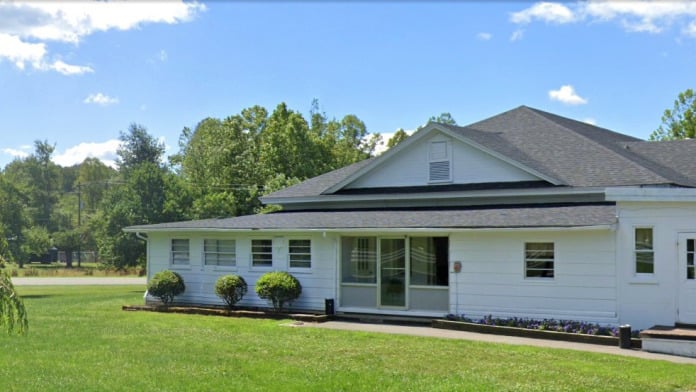
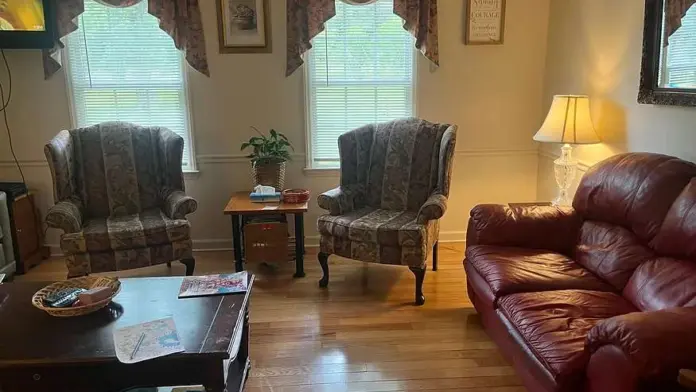
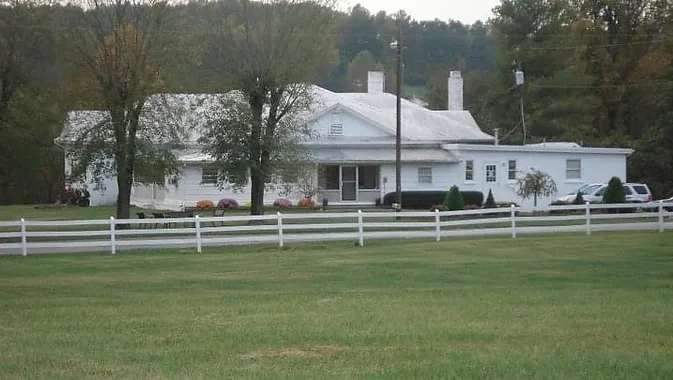
Hope Valley Men’s Division is a gender-specific addiction treatment center in Dobson, North Carolina. The core focus is on care for men seeking recovery from substance use disorders. The center is on a serene, 22-bed campus that provides dual diagnosis support for co-occurring mental health conditions. Hope Valley delivers personalized care in a structured, home-like environment designed to foster connection and lasting recovery.
Recovery for Men
Men can enter treatment through the residential program, a structured setting where clients participate in four daily groups and classes, five AA/NA meetings per week and individualized counseling. The program does not provide on-site medical detox but welcomes clients who have completed detoxification and are ready for residential care.
The continuum includes step-down outpatient options such as the Substance Abuse Comprehensive Outpatient Treatment (SACOT) and Substance Abuse Intensive Outpatient Program (SAIOP) plus aftercare planning and telehealth services. Therapeutic approaches include Motivational Interviewing, 12-Step facilitation and relapse prevention planning to address addiction, trauma, anxiety, depression and other co-occurring disorders.
Peaceful Treatment Options
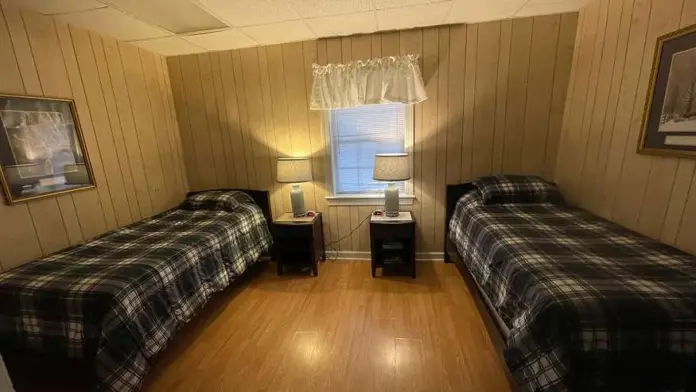
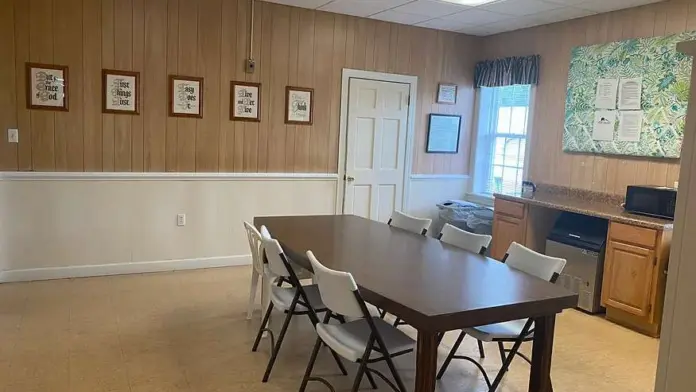
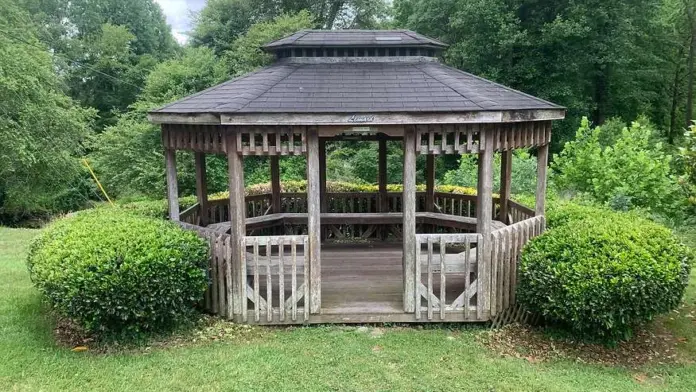
The facility is on a rural campus with river access, walking paths and scenic views. Amenities includes spacious two-person bedrooms, home-cooked meals, laundry service, outdoor basketball court, walking track and river access.
Aftercare is a core component of the program and involves relapse prevention planning, step-down outpatient programs and telehealth support for continued recovery.
Edited by:
Patti Croft, MBA
Facility Overview
 22
22 Number of Available Beds
 15 - 30
 Avg Length of Stay in Days
Latest Reviews
Hope Valley was excellent. I have been to 2 other treatment centers and Hope Valley's curriculum, counselors, AA/NA knowledge and guidance far exceeded the others. I have come away feeling clear, happy and now have the tools and knowledge of how to live a meaningful sober life. So grateful for this place. In addition, rooms are very comfortable, food is great, you can smoke if you would like, and the grounds and surrounding views are really nice. Thank you so much Hope Valley!!!!!
I wish that I had went to Hope Valley when I went to treatment the first time. My experience at Hope Valley has been nothing less than life changing. And I can honestly say, there is just something about it, I have never experienced anywhere else. The amount of growth, learning, and fellowship cannot be expressed in words. If you are committed to your recovery, there's nothing else like Hope Valley
Hope Valley helped me get my mind straight and my life back on track and I’m thankful. The staff were very helpful & knowledgeable. If you had a problem or just needed to talk to somebody, they were there to help you. If anyone is looking for a treatment facility, I would highly recommend checking out Hope Valley before you go anywhere else. The food was also very good and they gave you PLENTY of it.

Rehab Score
 Our Methodology
Scoring is assigned by a proprietary system which helps surface key metrics that determine quality. The 10-point scale factors in categories such as operations, customer satisfaction, and trust metrics. Read Full Methodology

7 / 10
Gallery
Other Forms of Payment
Self-pay involves paying for treatment out of your own pocket. You can use savings or credit, get a personal loan, or receive help from family and friends to fund your treatment. If you don't have insurance or your insurance plan doesn't cover a specific program, self-pay can help ensure you still get the care you need.
 Monthly
Addiction Treatments
Levels of Care
Residential treatment programs are those that offer housing and meals in addition to substance abuse treatment. Rehab facilities that offer residential treatment allow patients to focus solely on recovery, in an environment totally separate from their lives. Some rehab centers specialize in short-term residential treatment (a few days to a week or two), while others solely provide treatment on a long-term basis (several weeks to months). Some offer both, and tailor treatment to the patient's individual requirements. Hope Valley Residential Services program, located in Hickory, NC, is a long-term residential program for men (age 25 or older) with substance abuse problems. They are licensed by the NC Department of Health and Human Services and can have up to 14 residents in the program. The program is staffed by a certified substance abuse counselor and well-trained residential staff. At least one staff member is on duty at all times.
Sober Living Houses (SLHs), aka sober homes or halfway houses, are safe, substance-free, supportive living facilities for those recovering from substance abuse. Ideal for those who've just been through inpatient or outpatient treatment, SLHs are supervised environments with rules that support sobriety, such as curfews, shared chores, and therapeutic meetings. Residents are also often trained on life skills and coping skills to make it easier to transition into society. SLHs also provide a strong sense of community that can lead to the kind of deep and lasting connections with other sober individuals that supports a new, healthy lifestyle.
12-step programs are addiction recovery models based on Alcoholics Anonymous (AA). A number of substance abuse programs (including some drug and alcohol rehab centers) use the 12 steps as a basis for treatment. Beginning steps involve admitting powerlessness over the addiction and creating a spiritual basis for recovery. Middle steps including making direct amends to those who've been hurt by the addiction, and the final step is to assist others in addiction recovery in the same way. 12-Step offshoots including Narcotics Anonymous (NA), Cocaine Anonymous (CA), Dual Recovery Anonymous (DRA), Sex and Love Addicts Anonymous (SLAA) and Gamblers Anonymous (GA).
Outpatient Programs (OP) are for those seeking mental rehab or drug rehab, but who also stay at home every night. The main difference between outpatient treatment (OP) and intensive outpatient treatment (IOP) lies in the amount of hours the patient spends at the facility. Most of the time an outpatient program is designed for someone who has completed an inpatient stay and is looking to continue their growth in recovery. Outpatient is not meant to be the starting point, it is commonly referred to as aftercare.
Treatments
The goal of treatment for alcoholism is abstinence. Those with poor social support, poor motivation, or psychiatric disorders tend to relapse within a few years of treatment. For these people, success is measured by longer periods of abstinence, reduced use of alcohol, better health, and improved social functioning. Recovery and Maintenance are usually based on 12 step programs and AA meetings.
There are many types of drug rehab in North Carolina. To receive treatment for addiction, you can choose from many inpatient and outpatient programs. Often, participants start with detox and work through a full continuum of care that continues with ongoing support for long-term recovery.
Opioid rehabs specialize in supporting those recovering from opioid addiction. They treat those suffering from addiction to illegal opioids like heroin, as well as prescription drugs like oxycodone. These centers typically combine both physical as well as mental and emotional support to help stop addiction. Physical support often includes medical detox and subsequent medical support (including medication), and mental support includes in-depth therapy to address the underlying causes of addiction.
Substance rehabs focus on helping individuals recover from substance abuse, including alcohol and drug addiction (both illegal and prescription drugs). They often include the opportunity to engage in both individual as well as group therapy.
Programs
Adult rehab programs include therapies tailored to each client's specific needs, goals, and recovery progress. They are tailored to the specific challenges adult clients may face, including family and work pressures and commitments. From inpatient and residential treatment to various levels of outpatient services, there are many options available. Some facilities also help adults work through co-occurring conditions, like anxiety, that can accompany addiction.
Young adulthood can be an exciting, yet difficult, time of transition. Individuals in their late teens to mid-20s face unique stressors related to school, jobs, families, and social circles, which can lead to a rise in substance use. Rehab centers with dedicated young adult programs will include activities and amenities that cater to this age group, with an emphasis on specialized counseling, peer socialization, and ongoing aftercare.
Clinical Services
Cognitive Behavioral Therapy (CBT) is a therapy modality that focuses on the relationship between one's thoughts, feelings, and behaviors. It is used to establish and allow for healthy responses to thoughts and feelings (instead of unhealthy responses, like using drugs or alcohol). CBT has been proven effective for recovering addicts of all kinds, and is used to strengthen a patient's own self-awareness and ability to self-regulate. CBT allows individuals to monitor their own emotional state, become more adept at communicating with others, and manage stress without needing to engage in substance abuse.
Experiential therapy is a form of therapy in which clients are encouraged to surface and work through subconscious issues by engaging in real-time experiences. Experiential therapy departs from traditional talk therapy by involving the body, and having clients engage in activities, movements, and physical and emotional expression. This can involve role-play or using props (which can include other people). Experiential therapy can help people process trauma, memories, and emotion quickly, deeply, and in a lasting fashion, leading to substantial and impactful healing.
Research clearly demonstrates that recovery is far more successful and sustainable when loved ones like family members participate in rehab and substance abuse treatment. Genetic factors may be at play when it comes to drug and alcohol addiction, as well as mental health issues. Family dynamics often play a critical role in addiction triggers, and if properly educated, family members can be a strong source of support when it comes to rehabilitation.
Group therapy is any therapeutic work that happens in a group (not one-on-one). There are a number of different group therapy modalities, including support groups, experiential therapy, psycho-education, and more. Group therapy involves treatment as well as processing interaction between group members.
In individual therapy, a patient meets one-on-one with a trained psychologist or counselor. Therapy is a pivotal part of effective substance abuse treatment, as it often covers root causes of addiction, including challenges faced by the patient in their social, family, and work/school life. At individual sessions, the resident has the opportunity to communicate in depth, specially on the feelings level.
Staff & Accreditations
Staff
Angie Morrow, LCAS, LCMHCA
Executive Director
Ryan Morrow, LCAS-A, LCMHCA
Assistant Director
Mark Norman, CADC
Counselor, Men’s Division
Sandra Johnson, CADC
DWI Services Counselor, Men’s Division
Accreditations

The Commission on Accreditation of Rehabilitation Facilities (CARF) is a non-profit organization that specifically accredits rehab organizations. Founded in 1966, CARF's, mission is to help service providers like rehab facilities maintain high standards of care.
CARF Accreditation: Yes
Contact Information

105 County Home Road
Dobson, NC 27017
Get Help Now - 336-600-2741
Sponsored Helpline
Sponsored Helpline


