14 Min Read
Drugs that can lead to substance use disorder fall into a few main classes, each affecting the brain differently. This guide walks through the major categories and types of addictive substances and points you toward the specific resources for the substance you or a loved one is struggling with.
For an overview of how addiction itself develops and the signs to watch for, see our complete guide to drug and alcohol addiction.
Key Points
- Addictive drugs are grouped into broad classes based on how they affect the central nervous system.
- Each class carries different addiction risks, withdrawal patterns, and overdose dangers that shape what treatment looks like.
- Many people who develop a substance use disorder use drugs from more than one class, known as polysubstance use.
- Effective treatment depends on the substance involved, addiction severity, withdrawal risk, and any co-occurring conditions.
In This Article:
- Alcohol
- Opioids
- Stimulants
- Cannabis
- Sedatives
- Hallucinogens
- Inhalants
- Nicotine
- Prescription Drugs
- Behavioral addictions
- When use becomes a problem
- Frequently asked questions
How drugs are categorized
Most addictive drugs are grouped by how they affect the central nervous system. The main classes are depressants, stimulants, opioids, hallucinogens, and cannabis. Prescription drugs cross several of these categories.
The National Institute on Drug Abuse and other public health authorities group addictive substances into a handful of broad classes based on how they act on the brain.1,2 The categories below cover the substances most commonly involved in substance use disorder in the United States.
- Depressants such as alcohol and benzodiazepines slow brain activity.
- Stimulants such as cocaine and methamphetamine speed it up.
- Opioids, including heroin and prescription painkillers, suppress pain and trigger an intense reward response.
- Hallucinogens such as LSD and psilocybin alter perception.
- Cannabis affects mood, memory, and coordination through THC.
- Inhalants and nicotine are grouped separately because of how they reach the brain and how they are used.
Prescription drugs do not form their own chemical class. They cross several of the categories above: prescription opioids belong with opioids, prescription stimulants belong with stimulants, and prescription sedatives belong with depressants.
Knowing the class a drug belongs to helps explain its addiction risk, its withdrawal pattern, and the kind of treatment that works for it.
Alcohol
Alcohol use disorder is the most common substance use disorder in the United States, affecting roughly 29 million adults in 2023.3
Alcohol is legal, widely available, and built into most social settings, which makes the line between regular drinking and alcohol use disorder easy to miss. Heavy drinking over time changes how the brain regulates reward and stress, and severe withdrawal can be medically dangerous, including a risk of seizures and delirium tremens.4
People who are concerned that drinking has gotten out of hand can start with our complete alcohol addiction guide, which covers signs of misuse, the withdrawal timeline, and the available treatment options.

Opioids
Opioids include heroin, fentanyl, and prescription painkillers such as oxycodone, hydrocodone, and morphine. They are responsible for most U.S. overdose deaths.5
Opioids relieve pain by acting on opioid receptors in the brain and trigger a dopamine surge that can quickly produce physical dependence. The current overdose crisis is driven largely by illicitly manufactured fentanyl, a synthetic opioid many times more potent than morphine, according to the U.S. Centers for Disease Control and Prevention.5
Withdrawal from opioids is severe but rarely life-threatening on its own. Several medications, including methadone, buprenorphine, and naltrexone, are FDA-approved as part of treatment for opioid use disorder.
For more on heroin, fentanyl, prescription painkillers, and treatment options, see our opioid use disorder guide.
Heroin
Heroin is an opioid that produces an immediate rush of pleasure. Research estimates that roughly 23% of people who use heroin will develop an opioid use disorder. Withdrawal is extremely unpleasant, with symptoms including diarrhea, vomiting, severe pain, and uncontrollable shaking, which makes stopping without medical help very difficult.

Fentanyl
Fentanyl is a synthetic opioid up to 100 times more potent than morphine and is now the single largest driver of overdose deaths in the United States. It frequently appears in the illicit drug supply as an adulterant in heroin, cocaine, counterfeit prescription pills, and other substances, often without the person taking it knowing.

Oxycodone
Oxycodone is a prescription opioid sold under brand names including OxyContin and Percocet. It is effective for short-term pain control but carries a significant addiction risk with extended use, and remains one of the most commonly misused prescription medications in the United States.

Tramadol
Tramadol is a prescription opioid often perceived as less addictive than other painkillers because of its weaker receptor activity. In practice, dependence and withdrawal can still develop, and tramadol’s combined effects on serotonin make it particularly risky alongside antidepressants.

Stimulants
Stimulants include cocaine, methamphetamine, crack, and prescription medications such as Adderall, Ritalin, and Vyvanse. Misuse can lead to cardiovascular damage and stimulant use disorder.
Stimulants speed up activity in the central nervous system, producing a sharp rise in energy, attention, and dopamine. The high tends to be short and steep, which is part of why repeated use can develop quickly into a pattern of misuse.
Methamphetamine use has risen sharply in the past decade, and prescription stimulants are increasingly misused by college students and working adults.3 There is no FDA-approved medication for stimulant use disorder, but behavioral therapies have meaningful evidence behind them.

Amphetamines
Amphetamines are prescribed for ADHD and other conditions. Adderall and other prescription amphetamines can be misused and lead to addiction. Methamphetamine (meth) is an illegally manufactured form that produces an immediate, intense euphoria and is extremely addictive. Overdose deaths involving meth rose sharply from 2011 through the early 2020s, though 2024 data showed declines alongside the broader national trend.
Withdrawal symptoms include fatigue, pain, severe depression, and strong cravings.

Cocaine
Cocaine is a stimulant derived from coca leaves. It increases dopamine in the brain, producing a short-lived but intense high. As tolerance develops, people take more to reach the same effect, raising the risk of overdose. Long-term cocaine use can lead to nosebleeds, depression, abnormal heart rhythms, insomnia, and loss of smell. The CDC reported broad declines in cocaine-involved overdose deaths in 2024 as part of a nationwide reduction in drug overdose fatalities.

Cannabis (marijuana)
Cannabis is one of the most commonly used substances in the United States. Cannabis use disorder has become more common as THC potency has risen.
Cannabis is legal for adults in many states and widely used both medically and recreationally. The active ingredient, tetrahydrocannabinol (THC), interacts with the brain’s endocannabinoid system to alter mood, perception, and coordination.
Modern cannabis products are far more potent than products from a generation ago, which has changed the risk profile for regular users, especially adolescents.2 Cannabis use disorder is real, and around 5.9 million adults met the criteria for it in 2023, per SAMHSA.3
For more on marijuana, edibles, delta-8, and treatment options, see our marijuana addiction guide.

Sedatives
Sedatives are a broad class of central nervous system (CNS) depressants that slow brain activity to produce calming, relaxing, or sleep-inducing effects. Beyond prescription sleep aids and benzodiazepines, this category includes substances like GHB and the increasingly dangerous xylazine, a veterinary drug known as “tranq” that has been found mixed with street fentanyl. Xylazine does not respond to Narcan, making overdoses significantly harder to reverse and more likely to be fatal.
Sedative misuse carries serious risks, including respiratory depression, dangerous drops in blood pressure, and heightened overdose risk when combined with alcohol or opioids.

Benzodiazepines
Benzodiazepines (often called benzos) are sedative-hypnotics with tranquilizing effects. Common examples include Valium (diazepam) and Xanax (alprazolam). They are prescribed to treat anxiety, seizures, and alcohol withdrawal, but are frequently misused. The 2024 NSDUH now tracks benzodiazepine misuse as a distinct category, reflecting ongoing federal concern about the scope of the problem.
The most common side effect is drowsiness. Others include impaired memory, slow pulse, confusion, heavy sedation, and a decline in cognitive function.

Sleeping Pills
Prescription sleeping pills are sedative-hypnotics used to treat insomnia. The most commonly prescribed today are Z-drugs, including Ambien (zolpidem), Lunesta (eszopiclone), and Sonata (zaleplon). Even at prescribed doses, prolonged use can lead to tolerance and physical dependence.
A National Survey on Drug Use and Health found that 1.4 million adults misused prescription sedatives in 2015, most commonly to enhance the medication’s effect or to relax. Side effects include drowsiness, memory loss, dizziness, and mood swings. Withdrawal can cause rebound insomnia and, in severe cases, seizures.

Barbiturates
Barbiturates are prescription depressants used to treat conditions such as epilepsy. They relax the user, lower inhibitions, and aid sleep. The DEA warns that tolerance develops easily and overdose can be fatal.8
Withdrawal effects include nausea, cramps, seizures, vomiting, and hallucinations.

Hallucinogens
Hallucinogens include LSD, psilocybin, and DMT. Dissociatives include ketamine and PCP. MDMA (ecstasy) acts as both a stimulant and a hallucinogen.
Hallucinogens alter perception, mood, and thought patterns, mainly by acting on serotonin receptors in the brain. As a class, they generally do not produce the compulsive use patterns seen with opioids or stimulants, and physical dependence is uncommon.1
That said, they can produce intense psychological reactions, and some compounds, such as PCP and ketamine, carry distinct risks of behavioral dysregulation and dissociation. Interest in psychedelic-assisted therapy has grown in recent years, but recreational and unsupervised use remains the dominant pattern.
Inhalants
Inhalants include solvents, aerosols, gases, and nitrites that are inhaled to produce a short-lived high. Misuse is most common in teens and adolescents.
Inhalants are not a chemical class but a method-of-use category: household and industrial chemicals such as glue, paint thinner, butane, and nitrous oxide that are inhaled to alter consciousness.1
Inhalant misuse is most common among younger adolescents and is dangerous because the products that produce the high also displace oxygen in the lungs. Sudden cardiac arrest can happen, sometimes on first use. Long-term use damages the brain, kidneys, and liver.
Nicotine
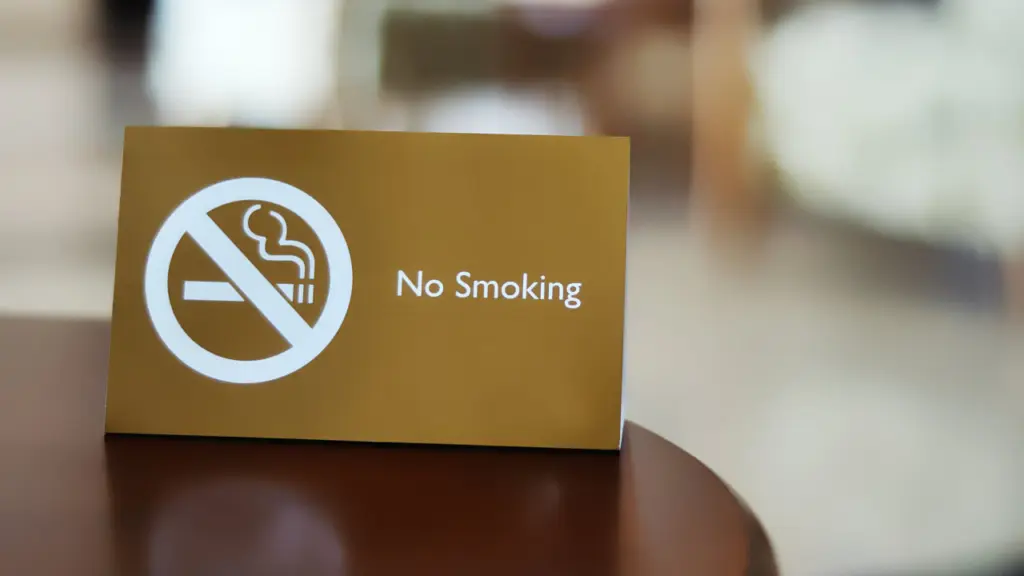
Nicotine is the addictive compound in cigarettes, e-cigarettes, vapes, and other tobacco products. Tobacco use remains the leading preventable cause of death in the United States.6
Nicotine acts on the brain’s reward system within seconds of use, which is part of why tobacco and nicotine products are so difficult to quit. Vaping has changed the demographics of nicotine use, particularly among teens and young adults, although the long-term health effects of vaping are still being studied.
FDA-approved cessation aids include nicotine replacement therapy, varenicline, and bupropion. Counseling and behavioral support add meaningfully to cessation outcomes.
Prescription Drugs
Prescription drugs do not form a single class but cross several. The most commonly misused prescription medications are opioids, stimulants, and benzodiazepines.
Many of the substances above are available by prescription as well as illicitly. Prescription opioids belong to the opioid category, prescription stimulants belong to the stimulant category, and prescription benzodiazepines and sleeping pills belong to the depressant category.
Prescription drug misuse gets its own hub because the entry path is often different. A person may start taking a medication exactly as prescribed and develop a problem gradually, or they may take medication that was not prescribed to them. The treatment tools that work for illicit drug misuse generally apply here, alongside attention to the underlying condition the medication was prescribed for.

Behavioral Addictions
Addiction can also develop without a substance being involved. Compulsive behaviors like gambling and gaming activate the brain’s reward system in ways that parallel drug use, and the DSM-5 now recognizes gambling disorder as a diagnosable condition. People experiencing behavioral addictions may benefit from many of the same therapeutic approaches discussed here.
Recognizing when drug use becomes a problem
Drug use crosses into a substance use disorder when a person continues using despite clear harm to health, relationships, or daily life. Clinicians use 11 DSM-5 criteria to make the diagnosis.7
The specific signs vary by substance, but the underlying pattern is consistent. Common indicators include using more than intended, repeated unsuccessful attempts to cut back, cravings, neglected responsibilities, continued use despite known risks, and physical signs of tolerance or withdrawal.7
For a full overview of substance use disorder, including the DSM-5 criteria, how addiction develops at the brain level, and what treatment involves, see our complete guide to drug and alcohol addiction.
Frequently asked questions
What are the main categories of addictive drugs?
The major classes are depressants (including alcohol, benzodiazepines, sleeping pills, sedatives, and barbiturates), stimulants (cocaine, methamphetamine, prescription stimulants), opioids (heroin, fentanyl, prescription painkillers), hallucinogens and dissociatives (LSD, psilocybin, ketamine, MDMA), cannabis, inhalants, and nicotine. Prescription drugs cross several of these categories rather than forming a class of their own.1,2
Which drug class is most addictive?
Addictiveness is not the same as risk, and different measures rank drugs differently. Opioids, methamphetamine, and nicotine consistently rank among the most addictive on standard measures of dependence and withdrawal severity. By sheer prevalence, alcohol is the most common substance use disorder in the United States, affecting roughly 29 million adults in 2023.3
Can someone be addicted to more than one drug?
Yes. Using more than one substance is called polysubstance use, and it is common. Combinations involving opioids and benzodiazepines, or opioids and stimulants, are particularly dangerous because they raise the risk of overdose. Polysubstance use also makes withdrawal more complicated and tends to require an individualized treatment plan.
Are prescription drugs in the same category as illegal drugs?
Often, yes. The legal status of a drug is separate from its chemical class. Prescription opioids, prescription stimulants, and prescription benzodiazepines act on the brain through the same pathways as their illicit counterparts and carry similar addiction risks when misused.
How does treatment differ by drug class?
Treatment varies in two main ways. First, whether medical detox is needed: yes for alcohol, opioids, and benzodiazepines or other sedatives; usually not for stimulants, cannabis, or hallucinogens. Second, whether FDA-approved medications are available: yes for opioid use disorder and alcohol use disorder; not yet for stimulant or cannabis use disorder. Behavioral therapy is part of treatment for every class.
Call A Treatment Provider
For a conversation about what treatment options are available to you.
Make a Call
 800-985-8516
 Sponsored Helpline
References
- American Society of Addiction Medicine. Definition of addiction. Accessed March 25, 2026. https://www.asam.org/quality-care/definition-of-addiction
- National Institute on Drug Abuse. Understanding drug use and addiction DrugFacts. Published June 2018. Accessed March 25, 2026. https://nida.nih.gov/publications/drugfacts/understanding-drug-use-addiction
- United Nations Office on Drugs and Crime. World Drug Report 2025. Published June 26, 2025. Accessed March 25, 2026. https://www.unodc.org/unodc/en/data-and-analysis/world-drug-report-2025.html
- Substance Abuse and Mental Health Services Administration. SAMHSA releases annual National Survey on Drug Use and Health. Published July 28, 2025. Accessed March 25, 2026. https://www.samhsa.gov/newsroom/press-announcements/20250728/samhsa-releases-annual-national-survey-on-drug-use-and-health
- National Center for Health Statistics. U.S. life expectancy hits record high as drug overdose deaths decline in 2024. Centers for Disease Control and Prevention. Published January 29, 2026. Accessed March 25, 2026. https://www.cdc.gov/nchs/pressroom/releases/20260129.html
- van Amsterdam J, Nutt D, Phillips L, van den Brink W. European rating of drug harms. J Psychopharmacol. 2015;29(6):655-660. doi:10.1177/0269881115581980
- Substance Abuse and Mental Health Services Administration. Key Substance Use and Mental Health Indicators in the United States: Results from the 2024 National Survey on Drug Use and Health. HHS Publication No. PEP25-07-007. Published 2025. Accessed March 25, 2026. https://www.samhsa.gov/data/sites/default/files/reports/rpt56287/2024-nsduh-annual-national/2024-nsduh-annual-national-html-071425-edited/2024-nsduh-annual-national.htm
- Drug Enforcement Administration. Barbiturates. Accessed March 25, 2026. https://www.dea.gov/factsheets/barbiturates
- Substance Abuse and Mental Health Services Administration; Office of the Surgeon General. Facing Addiction in America: The Surgeon General’s Report on Alcohol, Drugs, and Health. Washington, DC: US Department of Health and Human Services; 2016. https://www.ncbi.nlm.nih.gov/books/NBK424859/
- Substance Abuse and Mental Health Services Administration. SAMHSA’s National Helpline. Accessed March 25, 2026. https://www.samhsa.gov/find-help/national-helpline
- Narcotics Anonymous. Accessed March 25, 2026. https://na.org/
- Alcoholics Anonymous. Accessed March 25, 2026. https://www.aa.org/