





























































































About Adult & Teen Challenge Vermont
Teen Challenge New England and New Jersey operates a faith based residential addiction recovery program for men at its Vermont Men’s Center in Johnson, Vermont.
The program blends Christian discipleship and counseling with life skills training and structured work assignments to support lasting recovery from substance use and other life controlling problems.
Rooted in a mission of hope and transformation this long term program offers men a structured community driven path to freedom from addiction in a quiet rural Vermont setting.
Long Term Residential Treatment Through Discipleship
The Vermont Men’s Center offers a 12 month residential program designed to help men overcome addiction through a comprehensive phase based approach. Residents progress through structured stages of the program as they develop personal responsibility, character, and recovery skills.
Because the program is not a detox facility applicants must be drug and alcohol free prior to arrival. Each day includes counseling and group meetings, classroom instruction, and work assignments that reinforce accountability and purpose.
Bible study, daily devotions, and chapel services are woven throughout the program as core components of the discipleship focused curriculum, addressing the spiritual dimensions of recovery alongside practical life skills.
Faith, Community, and Structured Campus Living
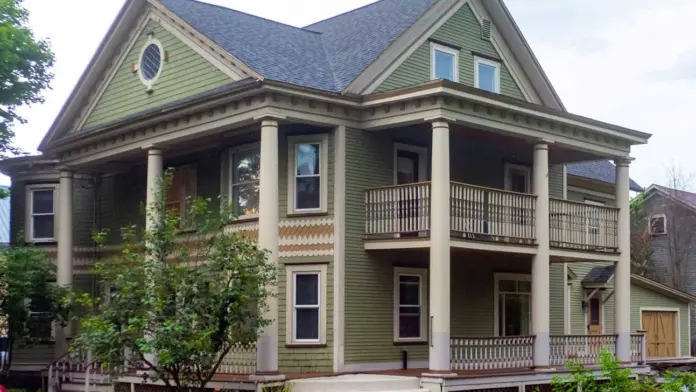
Residents live and work on the Johnson campus in a community oriented environment designed to remove distractions and negative influences. This structured model emphasizes mentoring, shared responsibility, and spiritual formation as central pillars of sustainable life change.
Latest Reviews



Rehab Score
 Our Methodology


Gallery
Other Forms of Payment
Private insurance refers to any kind of healthcare coverage that isn't from the state or federal government. This includes individual and family plans offered by an employer or purchased from the Insurance Marketplace. Every plan will have different requirements and out of pocket costs so be sure to get the full details before you start treatment.
Self-pay involves paying for treatment out of your own pocket. You can use savings or credit, get a personal loan, or receive help from family and friends to fund your treatment. If you don't have insurance or your insurance plan doesn't cover a specific program, self-pay can help ensure you still get the care you need.
Addiction Treatments
Levels of Care
Outpatient Programs (OP) are for those seeking mental rehab or drug rehab, but who also stay at home every night. The main difference between outpatient treatment (OP) and intensive outpatient treatment (IOP) lies in the amount of hours the patient spends at the facility. Most of the time an outpatient program is designed for someone who has completed an inpatient stay and is looking to continue their growth in recovery. Outpatient is not meant to be the starting point, it is commonly referred to as aftercare.
Residential treatment programs are those that offer housing and meals in addition to substance abuse treatment. Rehab facilities that offer residential treatment allow patients to focus solely on recovery, in an environment totally separate from their lives. Some rehab centers specialize in short-term residential treatment (a few days to a week or two), while others solely provide treatment on a long-term basis (several weeks to months). Some offer both, and tailor treatment to the patient's individual requirements. Linden Oaks' Residential Stay Program offers additional support for those who may benefit from a structured living environment. A patient's stay may vary from a few days to 30 days ago. The program includes group, family and individual counseling.
Intensive outpatient programs (IOP) provide high-level support for clients who do not need inpatient treatment or who prefer to live at home while in early recovery. Intensive outpatient rehabs also offer support for clients who are reintegrating into their community following inpatient care. Clients typically receive a minimum of nine hours of treatment per week, though many programs offer up to 20 therapeutic hours. Psychotherapy, recovery education, holistic therapies, and medication assisted treatment (MAT) are standard.
Rehab aftercare programs approach recovery as a life-long process that requires robust, individualized, and ongoing care. Clients in drug rehab aftercare have typically completed detox and intensive inpatient treatment and are weeks or months into their recovery journey. These programs are designed to promote clients' continued sobriety through a comprehensive portfolio of services aligned with the clients' evolving needs. Peer coaching, career counseling, and relapse prevention services are standard in these continuing care programs.
12 step programs strongly prioritize peer coaching and personal growth, creating a standard emulated by many treatment centers. Spiritual principles define the 12 step recovery paradigm and are designed to help participants address the root causes of their addiction, accept personal responsibility for their life choices, and relinquish control over that which cannot be changed. Participants regularly attend group meetings, which are free, peer-directed, and anonymous. They also select sponsors to mentor them in their recovery.
If you've completed an inpatient treatment program, it can be difficult to re-enter life right away with all the stresses and potential triggers. A sober living home in Vermont can help with this transition. While living there, you are free to work or attend classes and will be held accountable to sobriety and practicing recovery skills. Many residents stay in a men's or women's sober living home for six months or more.
Medical detox is the process of weaning your body off addictive drugs like alcohol, benzodiazepines, or opioids, under the 24/7 care of medical professionals. Often the first step in the recovery process, medically assisted detox takes place in an inpatient setting, where you will be closely monitored to ensure your maximum health and safety. Medications, like Suboxone or Vivitrol, may be administered if needed to alleviate any potential withdrawal symptoms.
Programs
Adult rehab programs include therapies tailored to each client's specific needs, goals, and recovery progress. They are tailored to the specific challenges adult clients may face, including family and work pressures and commitments. From inpatient and residential treatment to various levels of outpatient services, there are many options available. Some facilities also help adults work through co-occurring conditions, like anxiety, that can accompany addiction.
Young adulthood can be an exciting, yet difficult, time of transition. Individuals in their late teens to mid-20s face unique stressors related to school, jobs, families, and social circles, which can lead to a rise in substance use. Rehab centers with dedicated young adult programs will include activities and amenities that cater to this age group, with an emphasis on specialized counseling, peer socialization, and ongoing aftercare.
Clinical Services
During cognitive behavioral therapy in Vermont, you may set SMART goals, engage in guided discovery, journal, and participate in cognitive restructuring. These activities help change patterns of thinking and behavior to address substance use and mental health disorders effectively.
For individuals who want to build skills related to emotional regulation and mindfulness, dialectical behavior therapy can be a good fit. This evidence based therapy helps you accept your emotions while also learning skills to manage them and create healthier patterns of behavior. Treatment occurs in group and individual formats.
Trained therapists typically facilitate group therapy sessions. These sessions help support drug and alcohol addiction treatment using evidence based techniques such as Cognitive Behavioral Therapy and Motivational Interviewing. You begin to understand the link between your thoughts and behaviors, which helps to break the chains of addictive behavior.
Using a personalized approach for drug addiction treatment allows your therapist to tailor interventions in your individual therapy sessions to your unique circumstances. During your one on one sessions, you explore the underlying causes of addiction and develop effective strategies to manage cravings, improve mental health, and ultimately achieve long term recovery.
The core principles of motivational interviewing are acceptance, compassion, partnership, and evocation. This collaborative process offers a nonjudgmental environment where the therapist expresses sympathy, highlights the client's strengths, and empowers them to explore necessary change.
During trauma therapy, you work through the traumatic memories of an event you witnessed or experienced in a safe and supportive place. Your therapist will provide you with the tools needed to process the trauma, which in turn reduces your symptoms and improves your overall mental health.
Couples therapy helps you address a wide range of challenges that can affect your relationship. These include finances, differing values, intimacy issues, children, addiction, and health issues. You'll meet with a counselor to learn how to navigate these issues in healthy ways.
Addiction impacts the entire family unit. Families in Vermont use family therapy to foster open communication and resolve the inevitable conflicts that were created by addiction. Therapists help to improve relationships and strengthen the recovery process for the individual struggling with addiction.
During life skills training in Vermont, you'll learn goal setting and develop the skills you need to reach those goals. The social and mental skills you develop provide a solid framework to support long term recovery.
During experiential therapy in Vermont, you'll explore feelings of anger, hurt, or trauma. This happens through physical experiences rather than talk therapy. The goal is to help you work through past experiences and process your pain with the aid of the current experience, such as art, music, fitness, or equine therapy.
Amenities
-
 Residential Setting
 -
 Private Rooms
Staff & Accreditations
Staff
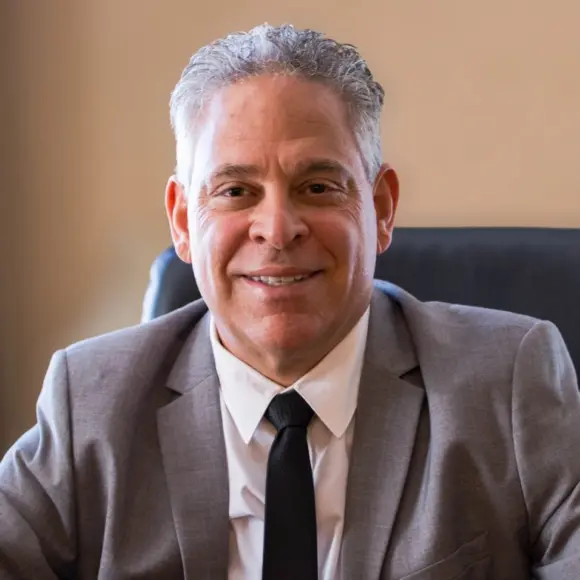
Pasco A. Manzo
CEO

Melissa Oliveira
Assistant to the CEO
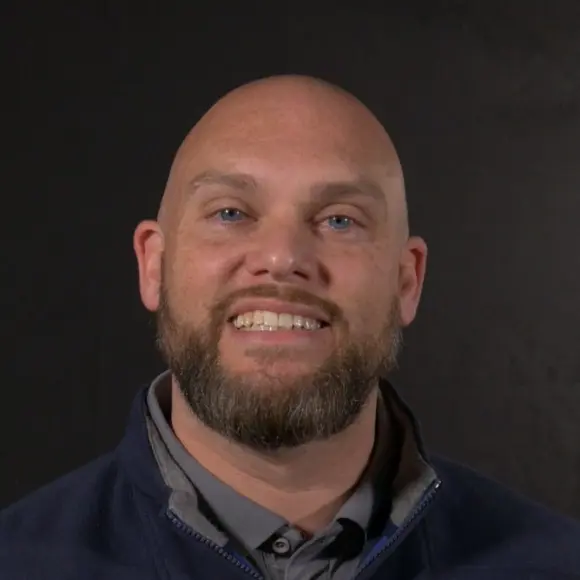
Dave Smith
VP of Finance

Joe Rand
Senior Director
Accreditations

The Commission on Accreditation of Rehabilitation Facilities (CARF) is a non-profit organization that specifically accredits rehab organizations. Founded in 1966, CARF's, mission is to help service providers like rehab facilities maintain high standards of care.
CARF Accreditation: Yes
Rehab.com regularly reviews this listing for accuracy but changes may occur between updates. For the most up-to-date information, please contact Adult & Teen Challenge Vermont.
Contact Information


1296 Collins Hill Rd
Johnson, VT 05656
Sponsored Helpline


