











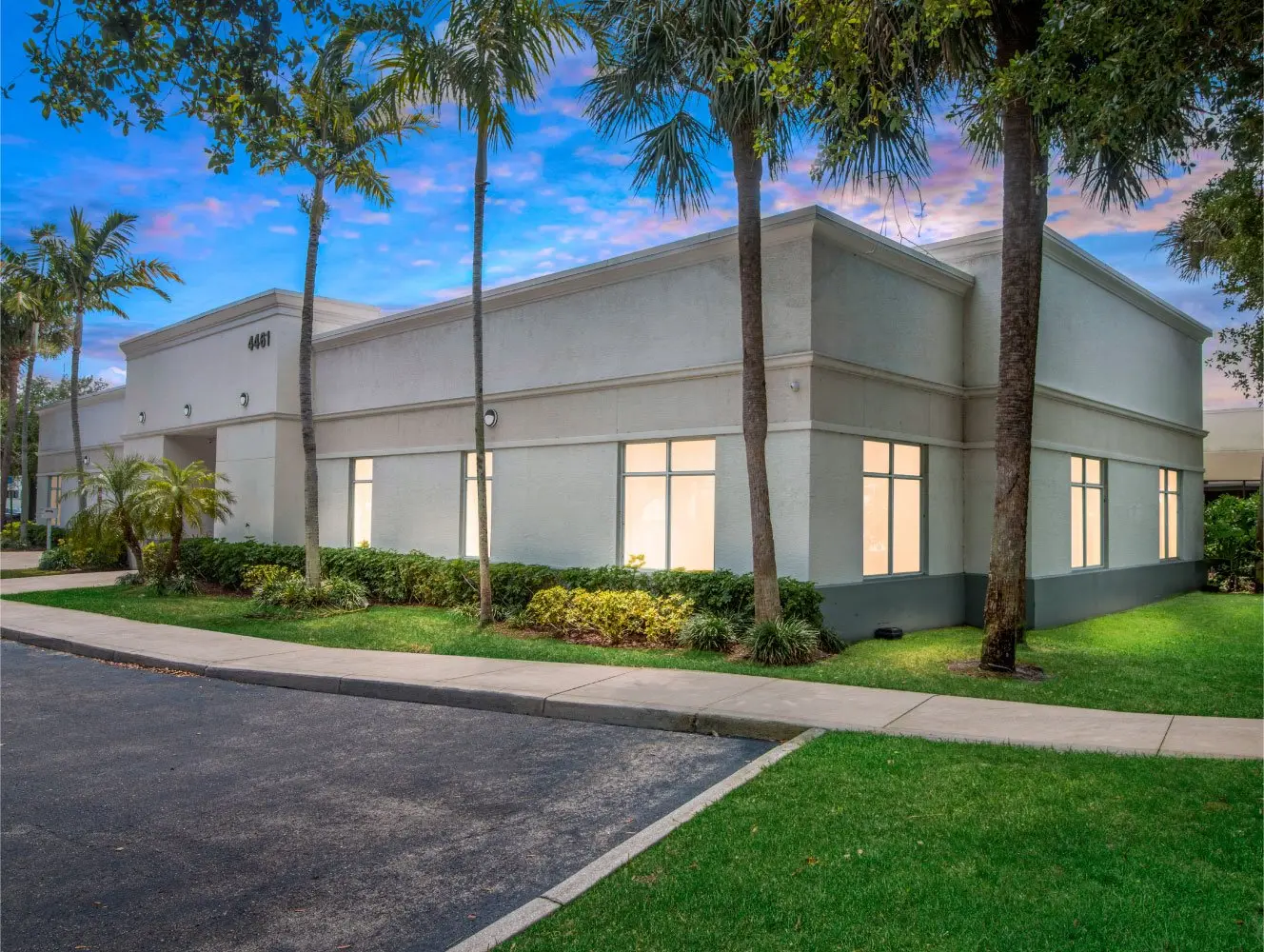
All In Solutions Wellness Center
1
Top 10 Rehab Centers In West Palm Beach



















































































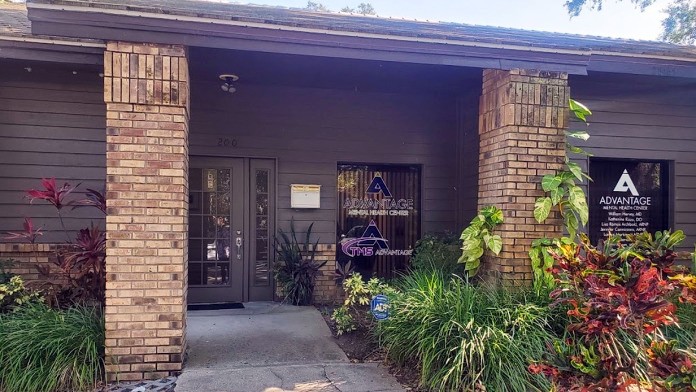
Advantage Mental Health Center in Clearwater, Florida, is a psychiatry practice that provides evidence based care for addiction. The facility treats addiction through counseling and medication based treatment.
The specialists here understand that you have various other commitments that you need to maintain, from work to family obligations. To help accommodate your schedule, they offer evening appointments and virtual appointments.
You’ll have time to take care of your other needs and also spend time practicing living a sober lifestyle, like taking in a hike at Lake Chautauqua or enjoying a beach day with family or friends.
It’s not uncommon for clients to experience substance use disorder and a mental health disorder at the same time. Sometimes mental health issues may even be the cause of addiction. Since this treatment center is also a mental health clinic, they can effectively treat your co occurring disorders in an integrated and comprehensive way.
Counseling will help you learn skills for coping with life changes, stressors and relationships. The goal will be to change the negative thinking and behaviors that are contributing to your substance use.
Physical symptoms such as headaches and increased heart rate can make it more challenging for individuals to avoid using substances. The facility offers buprenorphine, Vivitrol and naltrexone to help with reducing your symptoms and cravings. A Master’s Certified Addiction Professional will collaborate with the medication providers to determine the best treatment for you.

 Our Methodology


Self-pay involves paying for treatment out of your own pocket. You can use savings or credit, get a personal loan, or receive help from family and friends to fund your treatment. If you don't have insurance or your insurance plan doesn't cover a specific program, self-pay can help ensure you still get the care you need.
Private insurance refers to any kind of healthcare coverage that isn't from the state or federal government. This includes individual and family plans offered by an employer or purchased from the Insurance Marketplace. Every plan will have different requirements and out of pocket costs so be sure to get the full details before you start treatment.
Outpatient Programs (OP) are for those seeking mental rehab or drug rehab, but who also stay at home every night. The main difference between outpatient treatment (OP) and intensive outpatient treatment (IOP) lies in the amount of hours the patient spends at the facility. Most of the time an outpatient program is designed for someone who has completed an inpatient stay and is looking to continue their growth in recovery. Outpatient is not meant to be the starting point, it is commonly referred to as aftercare.
Clients typically choose inpatient rehab when they are in early recovery or are experiencing a crisis that puts them at an increased risk of relapse. They reside at the treatment center for the length of their program, which may range from two weeks to more than 18 months, depending on the program design. Intensive psychotherapy is often the primary treatment modality, but clients in inpatient care may also receive holistic treatment and recovery-focused life skills training.
Drug and alcohol addiction often takes a heavy toll on one's body. Over time, a physical dependence can develop, meaning the body physiologically needs the substance to function. Detox is the process of removing drugs and/or alcohol from the body, a process that can be lethal if mismanaged. Medical detox is done by licensed medical professionals who monitor vital signs and keep you safe, healthy, and as comfortable as possible as you go through detox and withdrawal.
The goal of treatment for alcoholism is abstinence. Those with poor social support, poor motivation, or psychiatric disorders tend to relapse within a few years of treatment. For these people, success is measured by longer periods of abstinence, reduced use of alcohol, better health, and improved social functioning. Recovery and Maintenance are usually based on 12 step programs and AA meetings.
Drug rehab in Florida provides quality treatment to help individuals overcome dependency related to a wide range of addictive substances. Programs address both the physical and mental aspects of addiction in order to help you make a full recovery.
Many of those suffering from addiction also suffer from mental or emotional illnesses like schizophrenia, bipolar disorder, depression, or anxiety disorders. Rehab and other substance abuse facilities treating those with a dual diagnosis or co-occurring disorder administer psychiatric treatment to address the person's mental health issue in addition to drug and alcohol rehabilitation.
A combined mental health and substance abuse rehab has the staff and resources available to handle individuals with both mental health and substance abuse issues. It can be challenging to determine where a specific symptom stems from (a mental health issue or an issue related to substance abuse), so mental health and substance abuse professionals are helpful in detangling symptoms and keeping treatment on track.
Opioid rehabs specialize in supporting those recovering from opioid addiction. They treat those suffering from addiction to illegal opioids like heroin, as well as prescription drugs like oxycodone. These centers typically combine both physical as well as mental and emotional support to help stop addiction. Physical support often includes medical detox and subsequent medical support (including medication), and mental support includes in-depth therapy to address the underlying causes of addiction.
Adult rehab programs include therapies tailored to each client's specific needs, goals, and recovery progress. They are tailored to the specific challenges adult clients may face, including family and work pressures and commitments. From inpatient and residential treatment to various levels of outpatient services, there are many options available. Some facilities also help adults work through co-occurring conditions, like anxiety, that can accompany addiction.
Young adulthood can be an exciting, yet difficult, time of transition. Individuals in their late teens to mid-20s face unique stressors related to school, jobs, families, and social circles, which can lead to a rise in substance use. Rehab centers with dedicated young adult programs will include activities and amenities that cater to this age group, with an emphasis on specialized counseling, peer socialization, and ongoing aftercare.
Whether a marriage or other committed relationship, an intimate partnership is one of the most important aspects of a person's life. Drug and alcohol addiction affects both members of a couple in deep and meaningful ways, as does rehab and recovery. Couples therapy and other couples-focused treatment programs are significant parts of exploring triggers of addiction, as well as learning how to build healthy patterns to support ongoing sobriety.
EMDR is a therapeutic modality originally developed to help process trauma. In an EMDR session, a patient is prompted to undergo eye movements that mimic those of REM sleep. This is accomplished by watching a therapist's finger move back and forth across, or following a bar of light. The goal is repetitive sets of eye movements that help the brain reprocess memory, which can significantly reduce the intensity of remembered traumatic incidents. Associated memories can heal simultaneously, leaving patients significantly calmer, more stable, and more emotionally relaxed.
Research clearly demonstrates that recovery is far more successful and sustainable when loved ones like family members participate in rehab and substance abuse treatment. Genetic factors may be at play when it comes to drug and alcohol addiction, as well as mental health issues. Family dynamics often play a critical role in addiction triggers, and if properly educated, family members can be a strong source of support when it comes to rehabilitation.
Group therapy is any therapeutic work that happens in a group (not one-on-one). There are a number of different group therapy modalities, including support groups, experiential therapy, psycho-education, and more. Group therapy involves treatment as well as processing interaction between group members.
In individual therapy, a patient meets one-on-one with a trained psychologist or counselor. Therapy is a pivotal part of effective substance abuse treatment, as it often covers root causes of addiction, including challenges faced by the patient in their social, family, and work/school life.
Life skills trainings involve all the skills a person must have in order to function successfully in the world. These include time management, career guidance, money management, and effective communication. Truly successful addiction recovery is based on the ability to not only live substance-free, but to thrive. Life skills teaches the practical necessities of functioning in society, which sets clients up for success in life, and therefore sobriety.
 Private Rooms
  Residential Setting
 Rehab.com regularly reviews this listing for accuracy but changes may occur between updates. For the most up-to-date information, please contact Advantage Mental Health Center.

28465 US Hwy 19 N #200
Clearwater, FL 33761
Sponsored Helpline

Fantastic place!

I have been a patient of Advantage Mental Health for years, and I can't say enough great things about them. Dr Self is amazing, as are ALL of the individuals that work in the front of the office - Nikki, Suzi, Colleen, and anyone I may have missed. They are beyond supporting, encouraging, and caring and will do everything in their power to ensure they are able to provide me with what I need. Without them, my life would be very different. I've sought care at numerous doctor offices over my years and have never experienced the level of comfort and trust I have with the amazing people in this office. If you are someone in search of help, I could not urge you enough to reach out to Advantage Mental Health! It can be extremely tough, scary, and uncertain to find the right mental health provider to trust and I'm beyond thankful that AMH exists! THANK YOU FOR BEING WHO YOU ALL ARE!

Prescriber, Jennifer Self, put me on a lethal medication combo, and then dropped me as a patient after I expressed major concerns about her incompetence. This lethal medication combo resulted in me having multiple seizures. Do NOT trust Jennifer Self as your provider. She is not personable. She lies. Do NOT see her for addiction recovery. She’ll force maintenance medications on you, with NO other options for relief. She is a horrible prescriber and should be fired/resign immediately. The impact she’s had on my life and others should not be overlooked. JENNIFER SELF IS INCOMPETENT AND SHOULD NOT BE ALLOWED TO CONTINUE PRESCRIBING MEDICATIONS. Her mistake costed me years of my life. Thanks so much Jennifer! I’m sure you forgot, but I promise you I’ll never forget.

I was a patient with Advantage from 6/2015 - 1/2019 Better late than never to leave a review. I had to reach out to them to inquire about my patient file for an unrelated matter. The assistance I received from Susan and Colleen was extremely professional. Their willingness to assist me with my inquiry even after 7 years of not being a patient was greatly appreciated. During my care with Advantage, I received the best care. The interactions with the entire staff was always top notch. Nearing the end of my treatment, I advised the Medical Professional I was seeing at that time that I felt that it was time for me to ween off my meds. That I felt like I was in a good place in my life. Together, we developed a plan to ween me off my meds and get me back to everyday life with out the needs of anxiety meds. Seeking help and finding Advantage was the best thing I could do for myself. Definitely recommend Advantage if you or someone your know is look for a mental health professional.
 Back
Back
Sharing your insights and experiences can help others learn more about this rehab center.
 Written By: Eric Owens