





























































































About AppleGate Recovery Monroe
AppleGate Recovery Monroe in Louisiana is a drug rehab that provides care to adults struggling with substance abuse issues. Medicare and various other commercial health insurance plans are accepted, along with self-pay.
Outpatient Addiction Treatment Services in Northern Louisiana
If you’re in need of flexibility when it comes to your addiction recovery, you’ve come to the right place. Outpatient treatment scheduling here is super flexible and is designed to fit in alongside clients’ daily responsibilities, work, and study.
Individual and group counseling sessions are provided, with telehealth options available for added convenience and accessibility. Depending on clients’ needs and preferences, counseling can be paired with medication-assisted treatment (MAT) for a holistic approach to care that addresses physical symptoms and cravings. This is possible thanks to FDA-approved medications such as Buprenorphine and Suboxone.
Aftercare support is also available and is designed to help you in the long term for sustainable results. Whether you’re in need of career counseling or need help connecting with local community support programs, the team has got your back. Help is also available to clients looking to transition into sober living facilities.
The center is also based near various parks, green spaces, and community resources that can support healing or even be integrated into outpatient recovery.
Feedback From Former Clients
The center boasts a 95% patient satisfaction rate, which is great to see, and indicates a high level of care and effectiveness. Many have reported positive treatment experiences, with some noting how significantly the center has contributed to their recovery journey. Equally, many have praised the staff for being professional, caring, and kind.
Latest Reviews



Rehab Score
 Our Methodology


Gallery
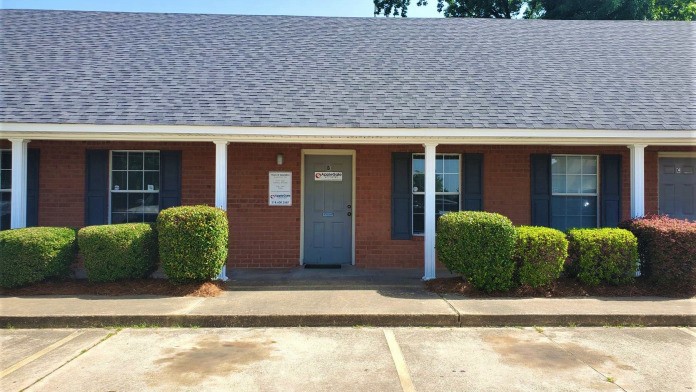
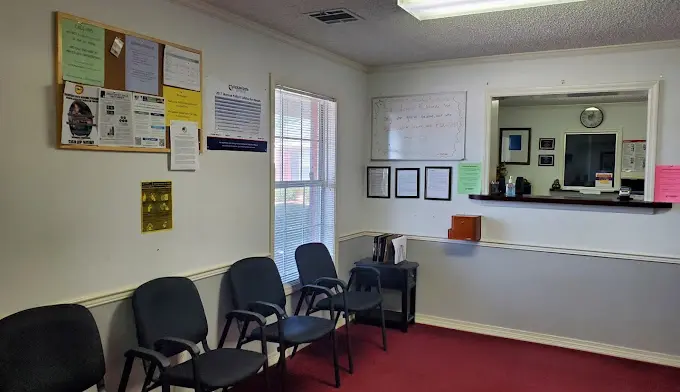
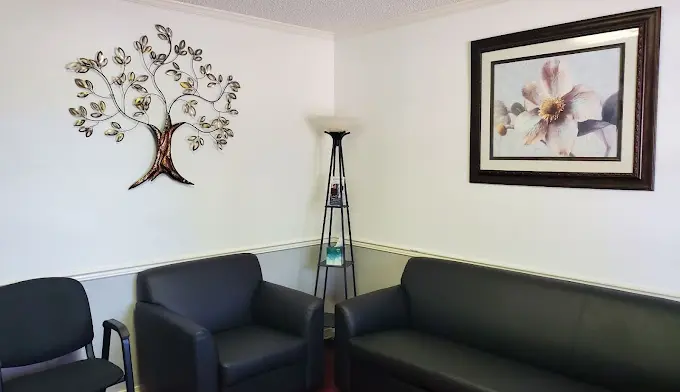
Other Forms of Payment
Self-pay involves paying for treatment out of your own pocket. You can use savings or credit, get a personal loan, or receive help from family and friends to fund your treatment. If you don't have insurance or your insurance plan doesn't cover a specific program, self-pay can help ensure you still get the care you need.
Addiction Treatments
Levels of Care
Outpatient Programs (OP) are for those seeking mental rehab or drug rehab, but who also stay at home every night. The main difference between outpatient treatment (OP) and intensive outpatient treatment (IOP) lies in the amount of hours the patient spends at the facility. Most of the time an outpatient program is designed for someone who has completed an inpatient stay and is looking to continue their growth in recovery. Outpatient is not meant to be the starting point, it is commonly referred to as aftercare.
Inpatient rehab gives clients a chance to focus on their recovery in a highly structured and supportive environment away from outside distractions, stressors, and addiction triggers. Clients reside at the treatment facility and engage in intensive psychotherapy, which may include individual, group, and family counseling.
Clients engaged in an intensive outpatient program (IOP) participate in multiple treatment sessions weekly. Typical treatment modalities include individual, group, and family counseling, addiction and recovery education, medication assisted treatment (MAT), and evidence-based holistic therapies. Most intensive outpatient rehabs require clients to engage in a minimum of nine and a maximum of 20 treatment hours per week. Many clients enter IOP after stepping down from intensive inpatient care, but some may enroll immediately after completing detox.
Clients enrolled in rehab aftercare programs have completed high-level treatment and are typically in the maintenance phase of their recovery, receiving customized services designed to support their sustained sobriety. Case managers and care teams typically begin to plan for the client's rehab aftercare services early in the treatment process to ensure the client's fluid reentry into their home, workplace, and community. These programs evolve as clients' needs change, and frequently include peer coaching, relapse prevention, and career counseling.
The first step in the addiction recovery process involves flushing all addictive drugs and alcohol from your body while under 24/7 medical supervision. Known as a medically assisted detox, this level of care takes into account that quitting your drug of choice cold turkey can be very dangerous once you've become physically dependent. In a medical detox, your team of medical professionals helps to ensure your safety and comfort. Most people transition to an inpatient treatment or maintenance program upon completion.
Treatments
Opiate Addiction Treatment Centers specialize in supporting those recovering from opioid addiction. They treat those suffering from addiction to illegal opioids like heroin, as well as prescription drugs like oxycodone. These centers typically combine both physical as well as mental and emotional support to help stop addiction.
Substance rehabs focus on helping individuals recover from substance abuse, including alcohol and drug addiction (both illegal and prescription drugs). They often include the opportunity to engage in both individual as well as group therapy.
Programs
Adult rehab programs include therapies tailored to each client's specific needs, goals, and recovery progress. They are tailored to the specific challenges adult clients may face, including family and work pressures and commitments. From inpatient and residential treatment to various levels of outpatient services, there are many options available. Some facilities also help adults work through co-occurring conditions, like anxiety, that can accompany addiction.
Young adulthood can be an exciting, yet difficult, time of transition. Individuals in their late teens to mid-20s face unique stressors related to school, jobs, families, and social circles, which can lead to a rise in substance use. Rehab centers with dedicated young adult programs will include activities and amenities that cater to this age group, with an emphasis on specialized counseling, peer socialization, and ongoing aftercare.
Clinical Services
Group therapy is any therapeutic work that happens in a group (not one-on-one). There are a number of different group therapy modalities, including support groups, experiential therapy, psycho-education, and more. Group therapy involves treatment as well as processing interaction between group members.
In individual therapy, a patient meets one-on-one with a trained psychologist or counselor. Therapy is a pivotal part of effective substance abuse treatment, as it often covers root causes of addiction, including challenges faced by the patient in their social, family, and work/school life.
Amenities
-
 Private Setting
Staff
Gregory Famiglio, MD
Blakeslee Physician
Katherine Engel
Blakeslee Physician Assistant
Rehab.com regularly reviews this listing for accuracy but changes may occur between updates. For the most up-to-date information, please contact AppleGate Recovery Monroe.
Contact Information


3001 Armand Street
Suite A
Monroe, LA 71201
Sponsored Helpline


