





























































































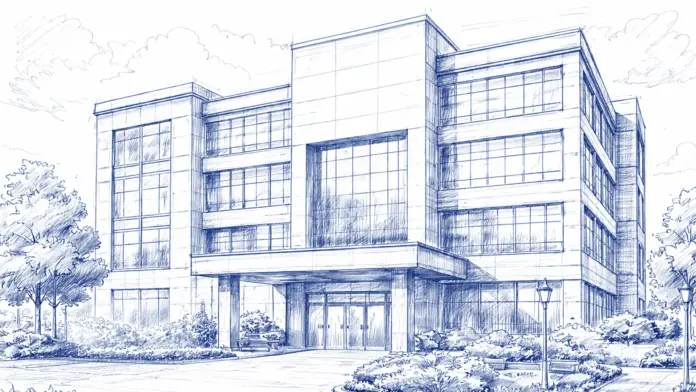


DIRTY, DISGUSTING AND DATED. Just completed a rehab at this location. I was living in filth with mold everywhere. A few of the employees were kind, but overall u can tell the staff hated their jobs. Like others have mentioned, I wouldn't leave my pets here even if I was ...
About Arms Acres: Inpatient Addiction Treatment Detox Center In New York
Arms Acres: Carmel Outpatient Clinic is an outpatient addiction treatment center serving adults in Carmel Hamlet, New York. The clinic offers comprehensive substance use disorder services, including individual and group counseling, family support and medication assisted treatment (MAT). Arms Acres provides evidence-based care designed to support recovery while clients maintain their work, school and family responsibilities.
Medication Assisted Treatment and Outpatient Recovery
The Carmel clinic specializes in outpatient substance use treatment, combining counseling with medication support. Services begin with a comprehensive evaluation by a physician to assess the severity of substance use and determine the appropriate level of medical intervention, including MAT options such as Suboxone and other medications to reduce cravings and withdrawal symptoms.
Treatment integrates individual and group counseling with medication support to address both the physical and psychological aspects of addiction. Sessions focus on building coping skills, understanding triggers and creating a personalized recovery plan that fits into your daily life, with ongoing clinical support from addiction professionals.
Relapse Prevention and Family Support
Arms Acres offers a dedicated Relapse Prevention Group for individuals who have completed primary treatment and are working to maintain long-term sobriety. The clinic also provides family education and counseling to help loved ones understand addiction and support the recovery process, recognizing that family involvement strengthens outcomes.
Telehealth and Flexible Care
The clinic serves clients in person at its Carmel Hamlet location on Old Route 6 and offers telehealth services for flexible access across the region. Arms Acres provides outpatient treatment that allows individuals to continue living at home while receiving structured addiction care.
Facility Overview
 191
191 Number of Available Beds
Latest Reviews
Great place. Really helped me
My experience at Arms Acres in Carmel, NY was nothing short of life-changing. From the moment I arrived, I was treated with empathy, compassion, dignity, and genuine care.
The structured daily routine, self-help groups, and one-on-one counseling sessions provided me with the tools and support I needed on my recovery journey. A special thank you to Margarita and Bob for their guidance and encouragement. I also want to recognize Daisy bobs emotional support dog love you Isabella, and Heather, who consistently went above and beyond, often staying late and always making themselves available to help whenever needed.
To Maureen who sat with me and spoke about how irish we are and helped me speak on the loss of my brother and father and the entire mealu staff, Taylor, Mrs. Lisa, Kristin, Corina, and Bridgette—thank you for your kindness and dedication. To Joe and Donna in Detox, thank you for helping me through one of the most difficult parts of my journey with patience and compassion. Denise, thank you for taking the time to sit with me and offer support when I needed it most.
I am also grateful to the security joe keith ravonne genise staff, kitchen staff, nursing staff, and every employee who helped make my stay such a positive experience. The recreation program, gym, pool, and equine therapy were incredible additions to my recovery and healing process.
Every person I encountered at Arms Acres played a role in helping me find hope, strength, and a renewed sense of purpose. I am truly grateful for the care I received and look forward to one day returning to give back to a place that gave so much to me. Barbara who helped me with my discharge thank you also denise and I goal list for my recovery thank you I an grateful for the girls who I will continue on this journey with !
Thank you all for everything you do. I will forever be grateful.
With love and gratitude,
Florence Hanley♥️💪🏻☘️🙏🏻✝️
Biggest fan!!

Rehab Score
 Our Methodology
Scoring is assigned by a proprietary system which helps surface key metrics that determine quality. The 10-point scale factors in categories such as operations, customer satisfaction, and trust metrics. Read Full Methodology

6.8 / 10
Location
Accepted Insurance
Other Forms of Payment
Medicaid is a state based program that helps lower-income individuals and families pay for healthcare. Medicaid covers addiction treatment so those enrolled can use their coverage to pay for rehab. When a program accepts Medicaid the client often pays very little or nothing out of their own pocket.
Private insurance refers to any kind of healthcare coverage that isn't from the state or federal government. This includes individual and family plans offered by an employer or purchased from the Insurance Marketplace. Every plan will have different requirements and out of pocket costs so be sure to get the full details before you start treatment.
Self-pay involves paying for treatment out of your own pocket. You can use savings or credit, get a personal loan, or receive help from family and friends to fund your treatment. If you don't have insurance or your insurance plan doesn't cover a specific program, self-pay can help ensure you still get the care you need.
Addiction Treatments
Levels of Care
Outpatient Programs (OP) are for those seeking mental rehab or drug rehab, but who also stay at home every night. The main difference between outpatient treatment (OP) and intensive outpatient treatment (IOP) lies in the amount of hours the patient spends at the facility. Most of the time an outpatient program is designed for someone who has completed an inpatient stay and is looking to continue their growth in recovery. Outpatient is not meant to be the starting point, it is commonly referred to as aftercare.
Residential treatment programs are those that offer housing and meals in addition to substance abuse treatment. Rehab facilities that offer residential treatment allow patients to focus solely on recovery, in an environment totally separate from their lives. Some rehab centers specialize in short-term residential treatment (a few days to a week or two), while others solely provide treatment on a long-term basis (several weeks to months). Some offer both, and tailor treatment to the patient's individual requirements.
Clients in rehab aftercare programs receive a customized portfolio of services designed to promote their sustained sobriety. These clients have completed high-level treatment, are typically exiting detox and/or intensive inpatient care and are reintegrating into their home, workplace, and community. Rehab aftercare services address addiction disease as a chronic condition requiring continuing care. Clients typically work with case managers and recovery teams to access necessary resources, such as peer coaching and 12 step program induction support.
Ridding the body of harmful, addictive substances, also known as detoxification, is usually the first phase of recovery. Those going through medically assisted detox can be administered medications by a team of medical professionals who are on-site 24/7 to provide different types of therapies that help mitigate withdrawal symptoms.
Treatments
The goal of treatment for alcoholism is abstinence. Those with poor social support, poor motivation, or psychiatric disorders tend to relapse within a few years of treatment. For these people, success is measured by longer periods of abstinence, reduced use of alcohol, better health, and improved social functioning. Recovery and Maintenance are usually based on 12 step programs and AA meetings.
When you choose drug rehab in New York, you'll participate in a variety of treatments that are designed to help you live a drug-free lifestyle. Common methods of treatment include group, individual, and family counseling, medication management, nutrition, exercise, and management of co-occurring mental health disorders.
Many of those suffering from addiction also suffer from mental or emotional illnesses like schizophrenia, bipolar disorder, depression, or anxiety disorders. Rehab and other substance abuse facilities treating those with a dual diagnosis or co-occurring disorder administer psychiatric treatment to address the person's mental health issue in addition to drug and alcohol rehabilitation.
Opioid rehabs specialize in supporting those recovering from opioid addiction. They treat those suffering from addiction to illegal opioids like heroin, as well as prescription drugs like oxycodone. These centers typically combine both physical as well as mental and emotional support to help stop addiction. Physical support often includes medical detox and subsequent medical support (including medication), and mental support includes in-depth therapy to address the underlying causes of addiction.
Substance rehabs focus on helping individuals recover from substance abuse, including alcohol and drug addiction (both illegal and prescription drugs). They often include the opportunity to engage in both individual as well as group therapy.
Programs
Adult rehab programs include therapies tailored to each client's specific needs, goals, and recovery progress. They are tailored to the specific challenges adult clients may face, including family and work pressures and commitments. From inpatient and residential treatment to various levels of outpatient services, there are many options available. Some facilities also help adults work through co-occurring conditions, like anxiety, that can accompany addiction.
Young adulthood can be an exciting, yet difficult, time of transition. Individuals in their late teens to mid-20s face unique stressors related to school, jobs, families, and social circles, which can lead to a rise in substance use. Rehab centers with dedicated young adult programs will include activities and amenities that cater to this age group, with an emphasis on specialized counseling, peer socialization, and ongoing aftercare.
Recovery is most successful when clients feel accepted and validated by their peers and treatment providers. Facilities that offer LGBTQ-inclusive programming are committed to creating a safe space where everyone can grow and recover without fear of judgment or discrimination. They will have dedicated policies in place to create a safe and supportive environment that fosters free expression.
Clinical Services
Cognitive behavioral therapy (CBT) in New York is a short term therapeutic method used to treat substance use and mental health disorders. CBT typically lasts from five to 20 sessions, based on the individual's needs.
 Equine Therapy
Men and women receive emotional support from their peers during group therapy sessions. These are typically people who face the same struggles that you do. This exposure fosters a sense of camaraderie and community while reducing feelings of isolation and loneliness that often accompany addiction.
Men and women in New York undergoing one on one individual therapy for drug and alcohol addiction treatment will address the unique psychological and emotional aspects that are often associated with addiction triggers. Your therapist helps you build a relapse prevention plan and set achievable goals to improve your mental health and achieve long term sobriety.
Introduced in 1983, motivational interviewing is a method to help clients commit to change. It's based on the philosophy that change is hard, and clients must explore their own options and come to their own conclusions rather than receive warnings or advice from the therapist.
Trauma therapy involves working through the psychological and emotional impact of a traumatic event. You learn to identify the triggers and develop coping mechanisms that build a sense of safety and trust in yourself.
Family therapy helps individual members of the family unit navigate the complexities of addiction. Therapists provide you with the tools you need to improve communication skills and conflict resolution. When families work together, they can support their loved one's recovery and help to restore balance and harmony within the household.
In addiction treatment, recreational therapy focuses on engaging you in healthy activities to help reduce your cravings and improve your mental well being. You might engage in activities like cooking classes, hiking, group sports, or swimming as a constructive outlet for stress and emotions that help your recovery.
Amenities
-
 Yoga Studio
 -
 Residential Setting
Staff & Accreditations
Staff
Patrice Moore
CEO
Accreditations

State Licenses are permits issued by government agencies that allow rehab organizations to conduct business legally within a certain geographical area. Typically, the kind of program a rehab facility offers, along with its physical location, determines which licenses are required to operate legally.
State License: New York

The Joint Commission, formerly known as JCAHO, is a nonprofit organization that accredits rehab organizations and programs. Founded in 1951, the Joint Commision's mission is to improve the quality of patient care and demonstrating the quality of patient care.
Joint Commission Accreditation: Yes
Rehab.com regularly reviews this listing for accuracy but changes may occur between updates. For the most up-to-date information, please contact Arms Acres: Inpatient Addiction Treatment Detox Center In New York.
Contact Information

75 Seminary Hill Rd
Carmel Hamlet, NY 10512
Get Help Now - 914-301-7675
Sponsored Helpline
Sponsored Helpline

