















































































































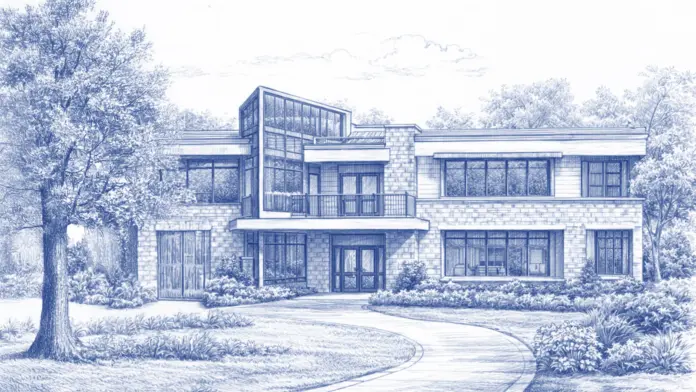
About Attain Behavioral Health: Drug & Alcohol Rehab

Rehab Score
 Our Methodology


Location
Accepted Insurance

Addiction Treatments
Levels of Care
Medical detox involves clearing your body of drugs and/or alcohol under the 24/7 care of licensed medical professionals. If you've become dependent on alcohol or drugs (like benzodiazepines or opioids), quitting abruptly can have uncomfortable and even dangerous side effects. The purpose of medically assisted detox is to keep you as safe and comfortable as possible during this process. Medications like Suboxone or Vivitrol may be provided if necessary to mitigate any withdrawal symptoms.
Clients who have just completed detox or who are at an increased risk of relapse, such as those experiencing a life crisis, typically enroll in an inpatient rehab. There, they receive housing, meals, and intensive clinical supervision. Inpatient treatment typically involves extensive individual, group, and family therapy. Clients may also participate in life skills training to support their long-term sobriety. Integrative rehab centers offer a variety of evidence-based holistic therapies, such as meditation or equine therapy.
Designed for individuals with moderate to severe addictions, a partial hospitalization program (PHP) provides a more intensive form of outpatient therapy. PHP treatment can serve as an alternative to inpatient hospitalization or as a step-down option after being discharged from a hospital or residential program. A partial hospitalization program typically requires a minimum of 20 hours weekly for an average of 90 days. Depending on your care plan, PHPs can include relapse prevention, medication management, and behavioral therapy services.
Intensive outpatient programs (IOP) are designed for clients who need frequent, high-level care but do not require, or choose to forgo, inpatient treatment. Most intensive outpatient rehabs offer a minimum of nine hours of treatment weekly, though clients may receive up to 20 hours of care as needed. These programs typically combine various treatment modalities, including individual, group, and family counseling, medication assisted treatment (MAT), addiction and recovery education, and evidence-based complementary therapies, such as acupuncture and massage.
Outpatient rehabs offer robust wraparound care for clients who are stepping down from intensive inpatient care, with many facilities providing multiple levels of care, including partial hospitalization (PHP), intensive outpatient (IOP), sober living/halfway housing, and standard outpatient programming. Clients may also elect to enroll in outpatient care immediately after completing inpatient detox. Those who are at lower risk of withdrawal complications may also choose to receive ambulatory medical detox from an outpatient facility. Outpatient programs typically involve addiction counseling, recovery education, and/or medication assisted treatment (MAT). Holistic therapies, such as art and music therapy, are commonly available.
Rehab aftercare programs are designed to ensure clients receive continuing care while in the maintenance phase of recovery. Some clients may be in outpatient treatment, which is generally considered to be an element of drug rehab aftercare. The specific services provided in these programs are often determined by the client's case manager and care team in consultation with the client. Common services include peer coaching, career counseling, and 12 step program induction.
Treatments
An alcohol use disorder (AUD), also commonly called alcoholism, can range from mild to severe. It involves compulsive consumption of alcohol and maladaptive patterns of drinking that lead to negative physical, social, and relational consequences. Diverse treatment programs are available for people with AUD. Mutual-support groups, medications, and behavioral treatments are provided through alcohol rehab in Ohio. If co-occurring disorders are present, it is important to receive treatment for both disorders.
 Opioid Addiction
Ohio's substance abuse treatment programs can support individuals struggling with drug and alcohol use. Typically available on an outpatient or inpatient basis, these programs employ evidence-based therapies such as cognitive-behavioral therapy (CBT), dialectical behavior therapy (DBT), and holistic approaches to provide effective addiction treatment. This comprehensive approach ensures long-term sobriety, improved mental health, and coping skills to overcome risk of relapse.
Programs
Recovery is most successful when clients feel accepted and validated by their peers and treatment providers. Facilities that offer LGBTQ-inclusive programming are committed to creating a safe space where everyone can grow and recover without fear of judgment or discrimination. They will have dedicated policies in place to create a safe and supportive environment that fosters free expression.
Rehabs for women provide a safe, nurturing space for female clients to heal. These treatment programs consider the specific obstacles that women can face during recovery and place a special emphasis on mental, social, physical, and reproductive health. They explore how each woman's experience has shaped the trajectory of their substance use, addressing issues such as sexual abuse and past trauma.
Men face specific challenges and concerns when seeking addiction treatment. Gender-specific recovery programs help them tackle these issues head-on in an environment that's focused, targeted, and distraction-free. It also gives them the opportunity to connect with and learn from other men who have been through a similar journey and can offer support for the next step.
Clinical Services
Cognitive behavioral therapy in Ohio may occur in individual, group, or family sessions. It involves focusing on specific thought and behavior problems. Participants learn coping techniques and are asked to practice them as homework between sessions.
The main goals of dialectical behavior therapy are to teach you how to regulate your emotions, develop positive ways to cope with stress, improve your relationships, and live in the moment. This therapy lasts about six months and involves weekly individual and group sessions.
Individual therapy for drug and alcohol addiction treatment gives you a safe space to discuss your emotional, mental, and physical challenges. Your therapist will guide and support you as you collaborate to develop personalized strategies to manage your stress and navigate the challenges of your recovery.
Participants of group therapy sessions typically learn coping skills, communication techniques, and relapse prevention strategies. This unique set of skills helps you to navigate the challenges you find in the community and supports your long term sobriety.
Family therapy offers a group time to collectively make an effort to understand and combat the issues and challenges associated with addiction. Therapists work with family members to establish healthy boundaries between each other and their loved one who is addicted, improve emotional support systems, and work together toward a sustained long term recovery.
Contact Information


3231 Central Park West # 106, Toledo, OH 43617
Sponsored Helpline
