




























































































About Beatles Alcohol Detox
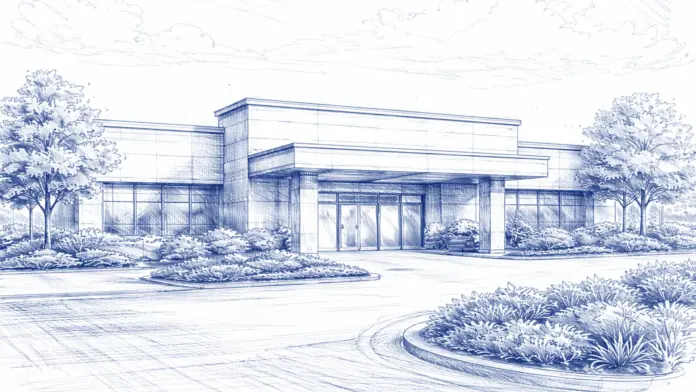
If you’re looking at Beatles Alcohol Detox in downtown Detroit, Michigan, you may be at a point where things are really feeling heavy and you just want somewhere safe to land. They’re located on Griswold Street right in the city and what they really focus on is helping you get through detox and then giving you space to actually breathe and reset before jumping back into life.
Care That Feels Steady and Grounding
One thing that comes up a lot from past clients is how much attention Beatles Alcohol Detox gives to mental health alongside addiction. Therapy happens in both individual and group settings and there’s a strong focus on learning how to handle big emotions and stress without spiraling. Mindfulness and wellness practices are part of daily life here and aren’t just buzzwords they use to bring you into their clinic.
Gender Specific and Veteran Programming
A lot of people talk about learning how to slow down here and breathe through the hard moments. Plus, they also offer programming that’s specific to men, veterans and women which can help to make things feel less generic.
Facility Overview
 31 - 60
 Latest Reviews



Rehab Score
 Our Methodology


Location
Accepted Insurance

Other Forms of Payment
Medicaid is a state based program that helps lower-income individuals and families pay for healthcare. Medicaid covers addiction treatment so those enrolled can use their coverage to pay for rehab. When a program accepts Medicaid the client often pays very little or nothing out of their own pocket.
Medicare is a federal program that provides health insurance for those 65 and older. It also serves people under 65 with chronic and disabling health challenges. To use Medicare for addiction treatment you need to find a program that accepts Medicare and is in network with your plan. Out of pocket costs and preauthorization requirements vary, so always check with your provider.
Private insurance refers to any kind of healthcare coverage that isn't from the state or federal government. This includes individual and family plans offered by an employer or purchased from the Insurance Marketplace. Every plan will have different requirements and out of pocket costs so be sure to get the full details before you start treatment.
Sliding scale payments are based on a client's income and family size. The goal is to make treatment affordable to everyone. By taking these factors into account, addiction recovery care providers help ensure that your treatment does not become a financial burden to you or your family, eliminating one barrier to care.
Addiction Treatments
Levels of Care
Clients in inpatient rehab reside at the treatment facility while engaging in intensive daily treatment. Inpatient care is primarily designed for clients leaving detox, those in early recovery, and those at an elevated risk of relapse. Clients participate in intensive addiction counseling, which may include group and family therapy as well as one-on-one sessions. Recovery-focused life skills training is also often prioritized. Many inpatient rehabs offer evidence-based complementary therapies, such as yoga, meditation, art therapy, and animal therapy.
Clients receiving care at an outpatient rehab remain in their own homes and attend treatment as often as daily, depending on the level of need. Outpatient care generally consists of psychotherapy, addiction education, life skills training, and community reintegration support. Many outpatient treatment centers provide step-down care, including partial hospitalization (PHP), intensive outpatient (IOP), sober living, and standard outpatient services. Some outpatient rehabs also offer ambulatory medical detox and medication assisted treatment (MAT).
During a medically supervised detox, addictive substances are removed from your body while under the 24/7 supervision of medical professionals in an inpatient environment. This is the safest way to wean your body off of addictive substances, since quitting alcohol or certain drugs (like opioids or benzodiazepines) can be dangerous if done on your own. The program typically lasts around 5-7 days, but is highly individualized depending on your needs.
Treatments
Alcoholism is characterized by the excessive or compulsive use of alcohol, which does not stop despite negative consequences. This compulsive use leads to psychological and physical dependence. To break this dependence, alcohol rehab in Michigan is necessary. Treatment is available from a range of services, including residential programs, outpatient treatment, AA, medical detox, and evidence-based counseling. Support systems are also a crucial part of long-term recovery.
 Opioid Addiction
 Mental Health And Substance Abuse
Programs
Adult rehab programs include therapies tailored to each client's specific needs, goals, and recovery progress. They are tailored to the specific challenges adult clients may face, including family and work pressures and commitments. From inpatient and residential treatment to various levels of outpatient services, there are many options available. Some facilities also help adults work through co-occurring conditions, like anxiety, that can accompany addiction.
Men face specific challenges and concerns when seeking addiction treatment. Gender-specific recovery programs help them tackle these issues head-on in an environment that's focused, targeted, and distraction-free. It also gives them the opportunity to connect with and learn from other men who have been through a similar journey and can offer support for the next step.
Rehabs for women provide a safe, nurturing space for female clients to heal. These treatment programs consider the specific obstacles that women can face during recovery and place a special emphasis on mental, social, physical, and reproductive health. They explore how each woman's experience has shaped the trajectory of their substance use, addressing issues such as sexual abuse and past trauma.
Recovery is most successful when clients feel accepted and validated by their peers and treatment providers. Facilities that offer LGBTQ-inclusive programming are committed to creating a safe space where everyone can grow and recover without fear of judgment or discrimination. They will have dedicated policies in place to create a safe and supportive environment that fosters free expression.
Serving in the military is both mentally and physically challenging, and can result in trauma that persists even after combat ends. Military programs are tailored to the specific and often complex needs of active duty personnel, veterans, and military families. Clients often access these programs through the U.S. Department of Veterans Affairs (VA).
Clinical Services
Cognitive behavioral therapy in Michigan helps participants view challenges more clearly so they can respond to them in healthy ways. During a limited number of structured sessions, clients learn about and practice these changes to effectively address substance use and mental health disorders.
Group therapy sessions in Michigan allow you to share responsibility with your peers in a group setting. This fosters a collective commitment to achieve sobriety and learn coping skills that are essential to improving your relationships and reducing your stress levels.
Personalized therapy sessions for drug addiction emphasize understanding your background and behavioral triggers for substance use. Your therapist will collaborate with you to create an effective coping strategy and address underlying issues that clear the way for lasting change.
During motivational interviewing, therapists express empathy, support self efficacy, and develop discrepancies. By using these techniques, therapists help clients reflect on their desires for change and understand why and how they should move forward with those changes.
Amenities
-
 Gym
Gym -
 Recreation Room
 -
 Meditation Room
 -
 Private Rooms
Accreditations

The Commission on Accreditation of Rehabilitation Facilities (CARF) is a non-profit organization that specifically accredits rehab organizations. Founded in 1966, CARF's, mission is to help service providers like rehab facilities maintain high standards of care.
CARF Accreditation: Yes

The Joint Commission, formerly known as JCAHO, is a nonprofit organization that accredits rehab organizations and programs. Founded in 1951, the Joint Commision's mission is to improve the quality of patient care and demonstrating the quality of patient care.
Joint Commission Accreditation: Yes

The Substance Abuse and Mental Health Services Administration (SAMHSA) is a branch of the U.S. Department of Health and Human Services. Established in 1992 by congress, SAMHSA's mission is to reduce the impact of substance abuse and mental illness on American's communities.
SAMHSA Listed: Yes
Contact Information

1317 Griswold St, Detroit, MI 48226
Sponsored Helpline

