





























































































About Behavioral Health Network – Mercy Medical Center
This outpatient behavioral health program takes place in a primary care setting. Sessions are person centered and collaborative. They will help you set and achieve your goals. Clinicians will provide strategies, services, and support. They’ll also give you referrals to community resources. Treatment sessions will help stabilize you, provide interventions for medical management, and encourage behavioral changes. You can expect sessions to focus on relaxation skills and coping strategies. Before leaving you’ll receive ongoing therapy skills.
Medication assisted therapy for opioid addiction is provided using Vivitrol and suboxone. These medications help eliminate withdrawal symptoms and reduce drug cravings. To ensure long term recovery, medication management will be an ongoing part of treatment. Routine labs and screenings for HIV and hepatitis are available here. If you speak Spanish you can obtain services in Spanish
Former clients of Mercy Medical Center say that the therapy here helped them overcome obstacles. Others former clients say that this facility is unprofessional and disorganized.
Latest Reviews



Rehab Score
 Our Methodology


Gallery

Other Forms of Payment
Private insurance refers to any kind of healthcare coverage that isn't from the state or federal government. This includes individual and family plans offered by an employer or purchased from the Insurance Marketplace. Every plan will have different requirements and out of pocket costs so be sure to get the full details before you start treatment.
Medicaid is a state based program that helps lower-income individuals and families pay for healthcare. Medicaid covers addiction treatment so those enrolled can use their coverage to pay for rehab. When a program accepts Medicaid the client often pays very little or nothing out of their own pocket.
Medicare is a federal program that provides health insurance for those 65 and older. It also serves people under 65 with chronic and disabling health challenges. To use Medicare for addiction treatment you need to find a program that accepts Medicare and is in network with your plan. Out of pocket costs and preauthorization requirements vary, so always check with your provider.
Self-pay involves paying for treatment out of your own pocket. You can use savings or credit, get a personal loan, or receive help from family and friends to fund your treatment. If you don't have insurance or your insurance plan doesn't cover a specific program, self-pay can help ensure you still get the care you need.
Addiction Treatments
Levels of Care
Outpatient Programs (OP) are for those seeking mental rehab or drug rehab, but who also stay at home every night. The main difference between outpatient treatment (OP) and intensive outpatient treatment (IOP) lies in the amount of hours the patient spends at the facility. Most of the time an outpatient program is designed for someone who has completed an inpatient stay and is looking to continue their growth in recovery. Outpatient is not meant to be the starting point, it is commonly referred to as aftercare.
Treatments
Mental health rehabs focus on helping individuals recover from mental illnesses like bipolar disorder, clinical depression, anxiety disorders, schizophrenia, and more. Mental health professionals at these facilities are trained to understand and treat mental health issues, both in individual and group settings.
Programs
Adult rehab programs include therapies tailored to each client's specific needs, goals, and recovery progress. They are tailored to the specific challenges adult clients may face, including family and work pressures and commitments. From inpatient and residential treatment to various levels of outpatient services, there are many options available. Some facilities also help adults work through co-occurring conditions, like anxiety, that can accompany addiction.
Clinical Services
Group therapy is any therapeutic work that happens in a group (not one-on-one). There are a number of different group therapy modalities, including support groups, experiential therapy, psycho-education, and more. Group therapy involves treatment as well as processing interaction between group members.
Assertive Community Treatment (ACT) is a structured way of helping those with major mental illnesses and/or substance abuse by bringing services directly to the patient in home. Instead of hospitalization or an outpatient program, staff members like social workers, psychiatrists, and counselors come directly to the patient’s house for treatment. ACT is used primarily for those with severe and persistent mental illness like schizophrenia or bipolar disorder, some of whom also contend with substance abuse. ACT can be short- or long-term (months to years), and provides the same multidisciplinary, 24/7 staffing of a psychiatric unit, but in the comfort of the patient's own home and/or community.
Amenities
-
 Private Setting
Staff

Steve Winn, Ph.D.
President & CEO
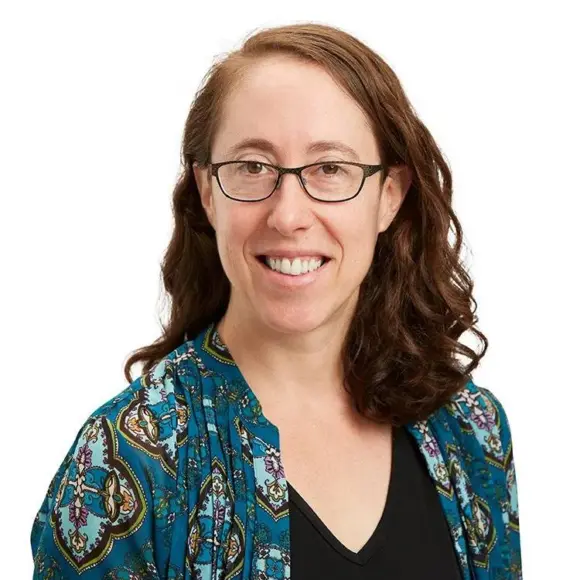
Dr. Sara Brewer
Medical Director

Randie Caetano Cadigan
VP, Care Management

Jessica DeFlumer, MA
Executive VP

Stewart Joslin
CFO

Jennifer Moore, LICSW
Clinical Director, Privacy Officer

Ruth A. Potee, MD, DFASAM, FAAFP
Medical Director, Substance Use Disorders
Rehab.com regularly reviews this listing for accuracy but changes may occur between updates. For the most up-to-date information, please contact Behavioral Health Network – Mercy Medical Center.
Contact Information


271 Carew Street
Springfield, MA 01102
Sponsored Helpline



