They provide services for all age groups. There’re services that revolve around schools and classroom learning for youth, adult outpatient programs, and a special track for seniors. Each track has a blend of counseling and learning new life skills. You’ll be in groups and also learn alone so that you can reflect on your progress and recover alongside a buddy. In the long run, mental health programs for the whole family can be applied. You’ll have a better connection with your loved ones and understand what they’re going through.
There’s also medication assisted treatment. This allows you to get a medication like methadone to manage your cravings so you’re less likely to relapse during treatment. This way, you’ll be more stable and you can focus on creating a life of long term recovery.
Initiating and establishing mental health treatment with comprehensive has been been one of many vital steps to succeeding in Ellensburg. Definitely a process to initiate long term services with Comprehensive, but in my experience if one is persistent it can definitely pay off. Provided their hours of operation in may be somewhat difficult to coordinate services around a full time job and/or school schedule but they certainly do their best to remain flexible.
Response from the owner1 week ago
Thank you for sharing your experience with us, Anthony! We value your feedback and will be sharing this review as well as your concerns with management.
Scoring is assigned by a proprietary system which helps surface key metrics that determine quality. The 10-point scale factors in categories such as operations, customer satisfaction, and trust metrics. Read Full Methodology
5.8 / 10
Gallery
Accepted Insurance
Please contact to verify your specific insurance provider.
Comprehensive Healthcare works with several private insurance providers, please contact to verify your specific insurance provider.
Private insurance refers to any kind of healthcare coverage that isn't from the state or federal government. This includes individual and family plans offered by an employer or purchased from the Insurance Marketplace. Every plan will have different requirements and out of pocket costs so be sure to get the full details before you start treatment.
Self-pay involves paying for treatment out of your own pocket. You can use savings or credit, get a personal loan, or receive help from family and friends to fund your treatment. If you don't have insurance or your insurance plan doesn't cover a specific program, self-pay can help ensure you still get the care you need.
Financial aid can take many forms. Centers may have grants or scholarships available to clients who meet eligibility requirements. Programs that receive SAMHSA grants may have financial aid available for those who need treatment as well. Grants and scholarships can help you pai for treatment without having to repay.
Sliding scale payments are based on a client's income and family size. The goal is to make treatment affordable to everyone. By taking these factors into account, addiction recovery care providers help ensure that your treatment does not become a financial burden to you or your family, eliminating one barrier to care.
Medicare is a federal program that provides health insurance for those 65 and older. It also serves people under 65 with chronic and disabling health challenges. To use Medicare for addiction treatment you need to find a program that accepts Medicare and is in network with your plan. Out of pocket costs and preauthorization requirements vary, so always check with your provider.
Military members, veterans, and eligible dependents have access to specific insurance programs that help them get the care they need. TRICARE and VA insurance can help you access low cost or no cost addiction and mental health treatment. Programs that accept military insurance often have targeted treatment focused on the unique challenges military members, veterans, and their families face.
Medicaid is a state based program that helps lower-income individuals and families pay for healthcare. Medicaid covers addiction treatment so those enrolled can use their coverage to pay for rehab. When a program accepts Medicaid the client often pays very little or nothing out of their own pocket.
Addiction Treatments
Levels of Care
Outpatient Programs (OP) are for those seeking mental rehab or drug rehab, but who also stay at home every night. The main difference between outpatient treatment (OP) and intensive outpatient treatment (IOP) lies in the amount of hours the patient spends at the facility. Most of the time an outpatient program is designed for someone who has completed an inpatient stay and is looking to continue their growth in recovery. Outpatient is not meant to be the starting point, it is commonly referred to as aftercare.
Inpatient rehab enables clients who are exiting detox or who are at an increased risk of relapse to focus on their recovery in a highly structured and supportive environment. Inpatient rehabs provide intensive clinical supervision and high-level treatment. Clients remain at the facility through the length of their program and typically receive multiple addiction counseling and education sessions per day. Holistic therapies, such as yoga, message, and meditation, may be used to relieve stress and ease discomfort.
Intensive outpatient programs (IOP) are frequently used to facilitate clients' transition from inpatient to outpatient care. Clients who are more stable may also choose to enter IOP rather than a residential rehab following detox. Intensive outpatient treatment typically consists of nine to 20 therapeutic hours per week, with services ranging from psychotherapy to recovery education to holistic care. Many programs offer medication assisted treatment (MAT) for opioid and/or alcohol addiction.
Rehab aftercare programs support clients as they focus on maintaining their sobriety after intensive (often inpatient) treatment. These programs adhere to a model of life-long recovery, addressing addiction disease as a chronic, relapsing condition. Rehab aftercare services vary widely based on the specific and evolving needs of the client, but often include peer coaching, relapse prevention support, and 12 step program induction. Clients, case managers, and care teams typically collaborate on long-term care plans.
Medical detox is often the first step in addiction recovery and involves ridding the body of drugs and/or alcohol in a supervised inpatient setting. If you've become physically dependent on substances like alcohol, benzodiazepines (like Xanax), or opioids, quitting abruptly may cause uncomfortable or even dangerous side effects. In medically assisted detox, a team of medical professionals will help manage any potential withdrawal symptoms with the aim of keeping you as safe and comfortable as possible.
Treatments
Mental health rehabs focus on helping individuals recover from mental illnesses like bipolar disorder, clinical depression, anxiety disorders, schizophrenia, and more. Mental health professionals at these facilities are trained to understand and treat mental health issues, both in individual and group settings.
Programs
Adult rehab programs include therapies tailored to each client's specific needs, goals, and recovery progress. They are tailored to the specific challenges adult clients may face, including family and work pressures and commitments. From inpatient and residential treatment to various levels of outpatient services, there are many options available. Some facilities also help adults work through co-occurring conditions, like anxiety, that can accompany addiction.
Young adulthood can be an exciting, yet difficult, time of transition. Individuals in their late teens to mid-20s face unique stressors related to school, jobs, families, and social circles, which can lead to a rise in substance use. Rehab centers with dedicated young adult programs will include activities and amenities that cater to this age group, with an emphasis on specialized counseling, peer socialization, and ongoing aftercare.
Serving in the military is both mentally and physically challenging, and can result in trauma that persists even after combat ends. Military programs are tailored to the specific and often complex needs of active duty personnel, veterans, and military families. Clients often access these programs through the U.S. Department of Veterans Affairs (VA).
Clinical Services
Cognitive Behavioral Therapy (CBT) is a therapy modality that focuses on the relationship between one's thoughts, feelings, and behaviors. It is used to establish and allow for healthy responses to thoughts and feelings (instead of unhealthy responses, like using drugs or alcohol). CBT has been proven effective for recovering addicts of all kinds, and is used to strengthen a patient's own self-awareness and ability to self-regulate. CBT allows individuals to monitor their own emotional state, become more adept at communicating with others, and manage stress without needing to engage in substance abuse.
Dialectical Behavior Therapy (DBT) is a modified form of Cognitive Behavioral Therapy (CBT), a treatment designed to help people understand and ultimately affect the relationship between their thoughts, feelings, and behaviors. DBT is often used for individuals who struggle with self-harm behaviors, such as self-mutilation (cutting) and suicidal thoughts, urges, or attempts. It has been proven clinically effective for those who struggle with out-of-control emotions and mental health illnesses like Borderline Personality Disorder.
Group therapy is any therapeutic work that happens in a group (not one-on-one). There are a number of different group therapy modalities, including support groups, experiential therapy, psycho-education, and more. Group therapy involves treatment as well as processing interaction between group members.
In individual therapy, a patient meets one-on-one with a trained psychologist or counselor. Therapy is a pivotal part of effective substance abuse treatment, as it often covers root causes of addiction, including challenges faced by the patient in their social, family, and work/school life.
Clinicians who apply motivational interviewing techniques engage with their clients as equal partners. This method avoids warnings and confrontation and instead allows clients to analyze their situation and explore their options. This technique is often used when the client feels unsure about their ability or desire to change.
Trauma therapy addresses traumatic incidents from a client's past that are likely affecting their present-day experience. Trauma is often one of the primary triggers and potential causes of addiction, and can stem from child sexual abuse, domestic violence, having a parent with a mental illness, losing one or both parents at a young age, teenage or adult sexual assault, or any number of other factors. The purpose of trauma therapy is to allow a patient to process trauma and move through and past it, with the help of trained and compassionate mental health professionals.
Couples therapy can help a couple navigate their differences. By learning powerful interpersonal skills in therapy, the couple can work together to overcome challenges and change the direction of their relationship.
Eye Movement Desensitization And Reprocessing
One goal of family therapy is to provide a platform where members have a safe place to talk about the challenges that addiction has created in their lives. Using guided sessions, therapists help individual family members develop healthy communication skills and address unresolved issues between themselves to support their loved one's sobriety.
Staff & Accreditations
Staff
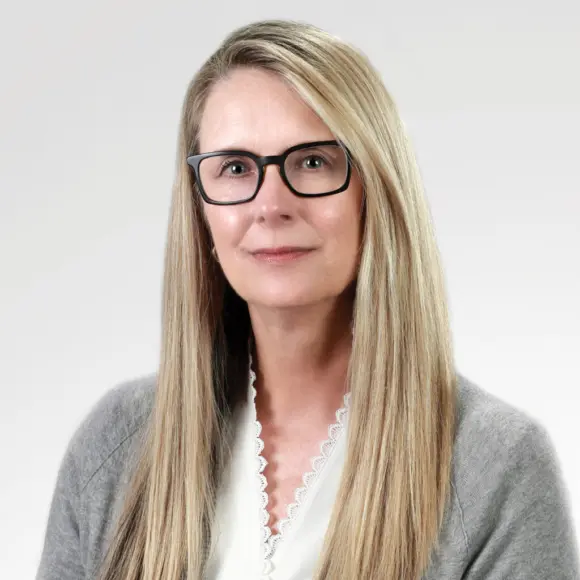
Jodi Daly, Ph.D
President & CEO
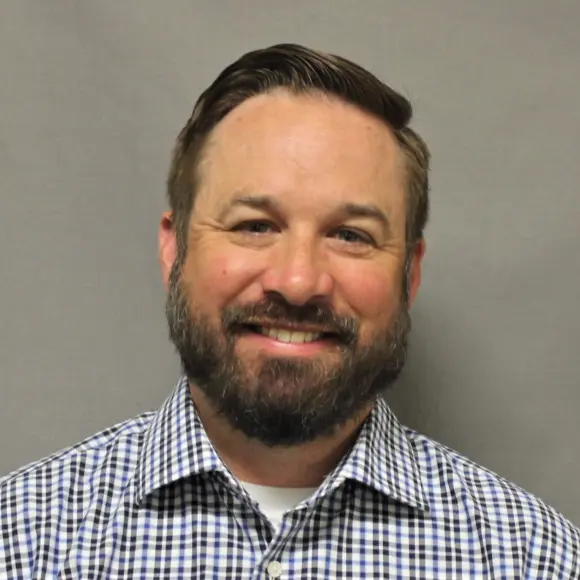
Taylor Stormo
Chief of Staff – Integrator
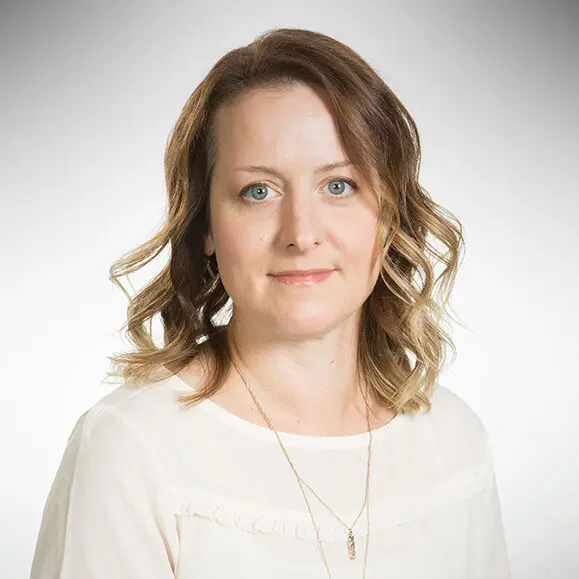
Courtney Hesla
Chief Quality and Community Engagement Officer
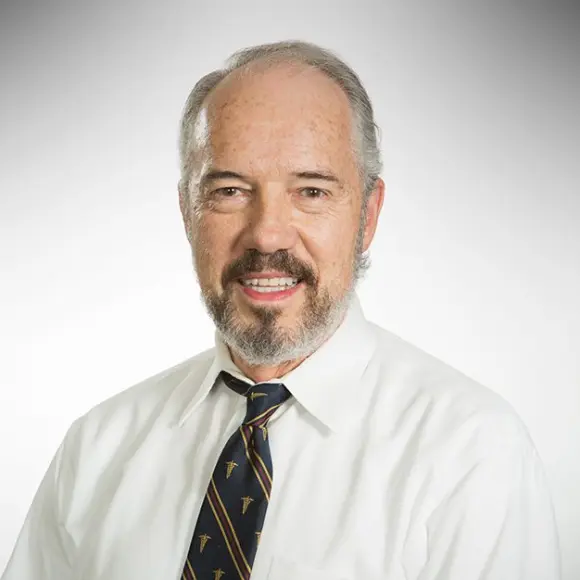
Frank Garner, MD
CMO
Edie Dibble
COO
Mark Kettner
CFO
Accreditations
The Joint Commission, formerly known as JCAHO, is a nonprofit organization that accredits rehab organizations and programs. Founded in 1951, the Joint Commision's mission is to improve the quality of patient care and demonstrating the quality of patient care.
Joint Commission Accreditation: Yes
Rehab.com regularly reviews this listing for accuracy but changes may occur between updates. For the most up-to-date information, please contact Comprehensive Healthcare.
Was jerked off of 30 years of anxiety meds in 3 weeks.
I haven't been able to leave my home in almost 2 years now. Don't come here with debilitating anxiety disorders.
My counselor was amazing, but moved on to a different po
David his lander was awesome and very helpful. Unfortunately they have an old woman named Betty Hoffman who is terrible at her job. She is anti medicine and believes you can not have adhd problems unless you are in school. Very rude as well.
Megan Seaver
2 years ago
2
Edit: my therapist today explained why the paperwork was necessary. That helped a lot. And this time we were able to discuss some techniques, for the things I'm looking to work on. And as I said I think she is a great therapist and kind, I just felt like maybe the state was preventing progress by demanding too much paperwork be done. However it was also told to me that Betty thought I was a requesting medication too early but she didn't deny the medication or call me to clarify anything. I would have told her the date of the medication she had given me last time, so she could verify that it was due to be filled instead of her just refusing to respond at all. My review of Betty Hoffman has not changed at all.
Everyone and everything seemed to be going very well, helpful, kind, seemed like the therapists were on board.
So this is my first time seeking treatment. Was confirmed that I have adhd. Get sent to Betty Hoffman for prescription. Then she tells me at our very first appointment she will never adjust my meds, no matter what. Any doctor in their right mind knows that meds have to be adjusted as each person has a different body chemistry and tolerance level or mental health level. Beyond that she said she would fill my prescriptions until our next appointment in august. She's now about a week past due on filling the prescription, that luckily I had already decided not to take as she wasn't going to adjust it in any capacity but was just taking a daily dose until it could be rediscussed in a couple weeks. Gives me a prescription one week at a time and then if she goes on vacation or decides not to refill for a week, you're out of luck. What doctor says that they're not going to adjust meds that they think you need? What doctor wants you to send in requests weekly but then doesn't fill them, after stating they would be filled until the next appointment? And although I love my therapist there, the only thing I've done so far is fill out paperwork for all four appointments I've had. It's like we are so busy going online trying to figure out if I have a different disorder than the one I was diagnosed with, that we're not even getting into any conversations or getting the help I need for specific things. I wanted help controlling my ADHD, and through therapy I wanted help learning how to organize my life better. Now we're looking into 20 other things that could be, while also not talking about any issues, to see if it could be something else. So far I'm finding after waiting 30 years to go to therapy and then deciding to, I should have just stayed away from it. It has been an utter waste of time to even try.
Jason
2 years ago
1
DCR Brett Wegner is a cold and discompassionate, narcissistic, ego driven, inept, unqualified, embellisher of truth, and major liability for Comprehensive Health. He ignored corporate, state, and federal policies, protocols, and RCWs while interrogating me as if I was a school shooter or cop killer. Best beware Comprehensive! Don't make the mistake of siding with him when you get hit with the lawsuit. Distance yourself now.
Peter W.Y. Lee is a PhD in history and culture, specializing in American Cold War culture and youth culture. He has published dozens of academic essays and online articles, edited three anthologies, and written one monograph on boyhood in postwar Hollywood films.
By calling the helpline you agree to the terms of use. We do not receive any commission or fee that is dependent upon which treatment provider a caller chooses. There is no obligation to enter treatment.
Calls to numbers on a specific treatment center listing will be routed to that treatment center. Calls to any general helpline could be forwarded to SAMHSA or a verified treatment provider.
If you wish to connect with non-sponsor centers, you can browse top-rated listings, visit our homepage and browse by state, or visit SAMHSA.

 Sponsored Helpline


































































































 31 - 60