















































































































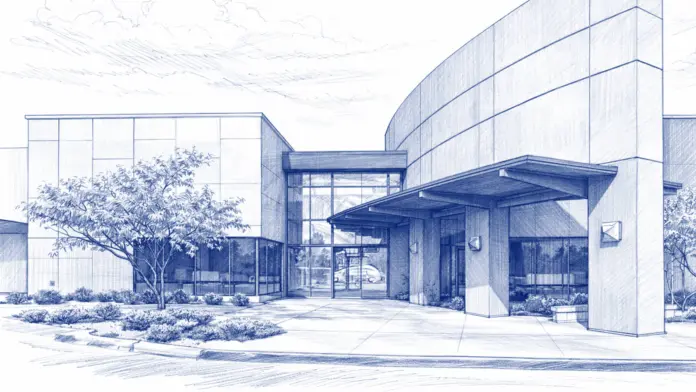
About Cummins Behavioral Health System
Cummins Behavioral Health System is a Joint Commission-accredited behavioral health provider offering substance use treatment and mental health services in Indianapolis, Indiana. The program provides intensive outpatient and outpatient care with telehealth options, specializing in dual diagnosis treatment for co-occurring mental health and addiction concerns.
Outpatient Addiction Treatment with Dual Diagnosis Support
Cummins Behavioral Health System focuses on outpatient addiction treatment designed for clients managing both substance use and mental health challenges. The program includes intensive outpatient and standard outpatient levels of care, allowing clients to receive structured treatment while maintaining work, school and family responsibilities.
Treatment addresses the full picture of recovery by integrating substance use and mental health support in one coordinated plan. Sessions work to uncover underlying issues contributing to addiction while building coping skills and relapse prevention strategies tailored to each client’s needs.
Medication-Assisted Treatment Options
Cummins Behavioral Health System offers medication-assisted treatment as part of its comprehensive approach to addiction recovery. MAT combines behavioral therapy with FDA-approved medications to support clients through withdrawal, reduce cravings and stabilize recovery for sustainable long-term outcomes.
Accessing Care in Indianapolis
Cummins Behavioral Health System serves clients at its Indianapolis location, with in-person and telehealth services available throughout Indiana. The program is state-licensed and accredited by The Joint Commission, meeting rigorous national standards for behavioral health care quality and safety.
They accept Medicaid and Medicare. They also offer a sliding scale payment system for qualifying individuals.

Rehab Score
 Our Methodology


Location
Other Forms of Payment
Medicaid is a state based program that helps lower-income individuals and families pay for healthcare. Medicaid covers addiction treatment so those enrolled can use their coverage to pay for rehab. When a program accepts Medicaid the client often pays very little or nothing out of their own pocket.
Medicare is a federal program that provides health insurance for those 65 and older. It also serves people under 65 with chronic and disabling health challenges. To use Medicare for addiction treatment you need to find a program that accepts Medicare and is in network with your plan. Out of pocket costs and preauthorization requirements vary, so always check with your provider.
Sliding scale payments are based on a client's income and family size. The goal is to make treatment affordable to everyone. By taking these factors into account, addiction recovery care providers help ensure that your treatment does not become a financial burden to you or your family, eliminating one barrier to care.
Addiction Treatments
Levels of Care
Persons who require high-level support but who do not wish to leave their homes or communities may enroll in an intensive outpatient program (IOP). Clients typically commit to a minimum of nine treatment hours across three therapeutic sessions per week, but many programs offer up to 20 hours of care weekly. Most intensive outpatient rehabs provide a combination of psychotherapy, recovery education, and holistic care. Medication assisted treatment (MAT) is widely available for those in alcohol or opioid recovery.
If you need some flexibility and choice when it comes to your recovery, outpatient rehab programs are a great option because they do not require intensive inpatient treatment. Clients remain in their own homes and may continue to work or attend school while in active treatment. Outpatient treatment typically includes addiction counseling and continuing recovery education, including courses in self-care and relapse prevention. Medication assisted treatment (MAT) is available in many treatment centers for clients in opioid and/or alcohol recovery.
Virtual healthcare visits have become commonplace in recent years. You may schedule an appointment with a therapist, primary care physician, or other medical specialist and meet with them online rather than in person. This type of virtual medical practice is referred to as telehealth.
Treatments
If a person has alcohol use disorder (AUD), also referred to as alcoholism, they experience a desire or physical need to consume alcohol. A person with AUD may try to stop drinking but they are unsuccessful without professional help. Alcohol rehab in Indiana can provide the resources necessary to achieve and maintain recovery. Rehab programs typically involve a combination of medical, behavioral, and social supports to overcome alcohol addiction.
 Opioid Addiction
For long-term recovery from drug addiction, drug rehab in Indiana is often key. This treatment gives individuals who are struggling with a substance use disorder the tools to manage their disorder and achieve long-term sobriety.
Indiana provides substance abuse treatment programs for individuals with substance use disorders. With a range of care levels, including outpatient, inpatient, and partial hospitalization programs, you'll be able to find the right treatment for you. Programs usually include a substance abuse evaluation, evidence-based therapies such as cognitive-behavioral therapy (CBT), dialectical behavior therapy (DBT), and group therapy address substance abuse and enhance coping strategies. By offering personalized treatment plans and a supportive environment, these programs strengthen your ability to maintain your recovery.
Addiction treatment includes a wide range of mental health services. Professional mental health clinicians provide 24-hour care, and treatments often involve individual and group counseling sessions, cognitive-behavioral therapy (CBT), experiential therapies (equine and animal therapy, outdoor therapy groups, and individual / group counseling sessions designed to simultaneously address both mental health and substance abuse.
In Indiana, dual-diagnosis addiction treatment programs address the unique needs of individuals with co-occurring substance use disorders and mental health conditions. Care levels include outpatient, inpatient, and partial hospitalization programs. Therapies like cognitive behavioral therapy, or dialectical behavioral therapy, trauma-informed therapy, and process groups address the co-occurring mental health disorders while achieving sobriety and promoting overall well-being. You'll also learn coping skills, relapse prevention strategies, and tools to enhance your relationships - all critical skills for long-term recovery.
Programs
Teen programs are designed to address the unique pressures teens face, pressures that can drive them to experiment with dangerous, addictive substances. They need programs that meet them exactly where they are and give them tools for long-term recovery. Therapy can help teenagers understand and work through underlying issues so they can reclaim the life ahead of them.
Adult rehab programs include therapies tailored to each client's specific needs, goals, and recovery progress. They are tailored to the specific challenges adult clients may face, including family and work pressures and commitments. From inpatient and residential treatment to various levels of outpatient services, there are many options available. Some facilities also help adults work through co-occurring conditions, like anxiety, that can accompany addiction.
Clinical Services
When you participate in cognitive behavioral therapy in Indiana, you'll learn to recognize distorted thinking that has led to substance use. Your therapist will help you establish new patterns of thinking and healthy ways to cope with challenges that don't involve substance use.
The goal of family therapy in Indiana is to empower family members to effectively support their loved one's recovery. Therapists work with family members to develop the skills needed to manage stress and resolve conflicts successfully. This fosters a positive environment that is conducive to long term sobriety.
Group therapy provides a unique experience for men and women to encounter a supportive environment where you can share your experiences and gain insight from your peers who understand your struggles. Group therapy improves your journey and helps promote sustainable recovery.
During trauma therapy in Indiana, your therapist helps you process traumatic experiences and learn how they affect your emotional, mental, and physical responses. You learn effective coping strategies that help to reduce the symptoms and improve your mental health and well being.
Amenities
-
 Metropolitan Area
Accreditations

State Licenses are permits issued by government agencies that allow rehab organizations to conduct business legally within a certain geographical area. Typically, the kind of program a rehab facility offers, along with its physical location, determines which licenses are required to operate legally.
State License: Indiana

The Joint Commission, formerly known as JCAHO, is a nonprofit organization that accredits rehab organizations and programs. Founded in 1951, the Joint Commision's mission is to improve the quality of patient care and demonstrating the quality of patient care.
Joint Commission Accreditation: Yes
Contact Information


5638 Professional Cir, Indianapolis, IN 46241
Sponsored Helpline
