





























































































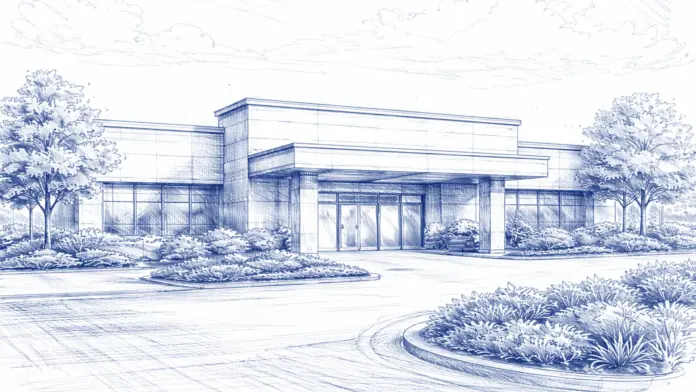
About Delta Counseling Consultants
Bedford Counseling Associates is an outpatient substance use and mental health treatment provider in Manchester, New Hampshire.
As part of The Mental Health Center of Greater Manchester network, the practice offers counseling for substance misuse alongside co-occurring mental and behavioral health concerns, including medication assisted recovery services.
The team focuses on integrated and individualized care that supports both recovery and overall emotional wellness.
What kinds of treatment are offered?
Bedford Counseling Associates provides outpatient counseling and therapy for substance use and related mental health challenges.
Services include evidence based psychotherapy approaches such as CBT and DBT informed care, supportive counseling and medication assisted recovery services, all guided by individualized treatment planning.
Who can get help here?
The practice serves individuals seeking outpatient support for addiction and co-occurring mental or behavioral health concerns.
Care is designed to address both substance use and related emotional or psychiatric challenges within one integrated outpatient setting.
Where is the center located?
Bedford Counseling Associates is located at 2 Wall Street, Suite 300 in Manchester, New Hampshire making it accessible to those seeking outpatient behavioral health services in the greater Manchester area.

Rehab Score
 Our Methodology


Location
Addiction Treatments
Levels of Care
Outpatient Programs (OP) are for those seeking mental rehab or drug rehab, but who also stay at home every night. The main difference between outpatient treatment (OP) and intensive outpatient treatment (IOP) lies in the amount of hours the patient spends at the facility. Most of the time an outpatient program is designed for someone who has completed an inpatient stay and is looking to continue their growth in recovery. Outpatient is not meant to be the starting point, it is commonly referred to as aftercare.
Treatments
Mental health rehabs focus on helping individuals recover from mental illnesses like bipolar disorder, clinical depression, anxiety disorders, schizophrenia, and more. Mental health professionals at these facilities are trained to understand and treat mental health issues, both in individual and group settings.
Programs
Adult rehab programs include therapies tailored to each client's specific needs, goals, and recovery progress. They are tailored to the specific challenges adult clients may face, including family and work pressures and commitments. From inpatient and residential treatment to various levels of outpatient services, there are many options available. Some facilities also help adults work through co-occurring conditions, like anxiety, that can accompany addiction.
Clinical Services
In individual therapy, a patient meets one-on-one with a trained psychologist or counselor. Therapy is a pivotal part of effective substance abuse treatment, as it often covers root causes of addiction, including challenges faced by the patient in their social, family, and work/school life.
Trauma therapy addresses traumatic incidents from a client's past that are likely affecting their present-day experience. Trauma is often one of the primary triggers and potential causes of addiction, and can stem from child sexual abuse, domestic violence, having a parent with a mental illness, losing one or both parents at a young age, teenage or adult sexual assault, or any number of other factors. The purpose of trauma therapy is to allow a patient to process trauma and move through and past it, with the help of trained and compassionate mental health professionals.
Staff
Christie Faella, LCMHC, MLADC, RN, CYT
Counselor
Rehab.com regularly reviews this listing for accuracy but changes may occur between updates. For the most up-to-date information, please contact Delta Counseling Consultants.
Contact Information


110 English Village Road
Manchester, NH 03105
Sponsored Helpline


