Get Help Now
Question iconSponsored Helpline

Phone icon 800-641-8351

Empower

2120 Range Road
Clearwater, FL 33765
Claim Profile
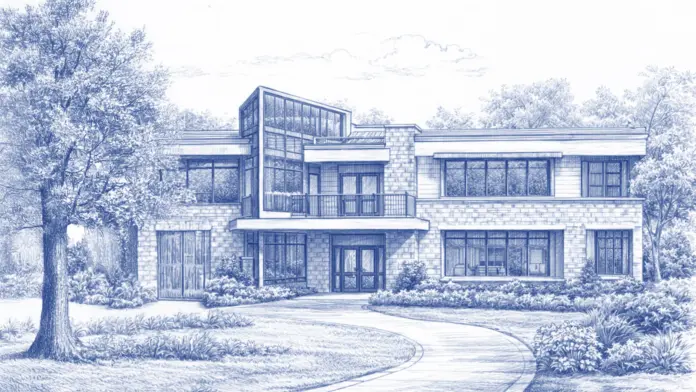
Architectural illustration of a modern luxury addiction treatment facility featuring large windows and stone accents.

About Empower

The inpatient program is 24 hour supervised care for women with mental health or behavioral health challenges. Residents engage in group and individual therapy, meditation, mindfulness, yoga, expressive arts therapy, massage, EMDR, dialectical behavioral therapy, cognitive behavioral therapy, and fitness classes.

The partial hospitalization program treats issues like anxiety, PTSD, emotional and physical abuse, body issues, addiction, and postpartum depression. This program includes 20 hours of treatment sessions per week with individual and group therapy, yoga, breath work, meditation, art therapy, massage, family counseling, and fitness classes.

Individual and group therapy programs are also available outside of the residential and PHP options.

Similar Rehab Centers

Fact checked and written by:
Kelly Junco, CPC, CPRC, BA, BS
Edited by:
Quentin Blount

Latest Reviews

Desiree B
6 months ago on Google
5
This place surprised me. Everyone is kind, patient and they actually listen. The vibe isn't like a hospital at all, more like a safe space where you can breathe again. The weekend trips were the best part for me.
Kelly P
6 months ago on Google
5
This place surprised me. Everyone is kind, patient and they actually listen. The vibe isn’t like a hospital at all, more like a safe space where you can breathe again. The weekend trips were the best part for me.
John Hamid
6 months ago on Google
5
I came to The Wave not really sure what to expect, just hoping for some peace. It honestly turned out to be one of the best decisions I’ve made. The staff actually care. Like genuinely care, not just doing their jobs because they have to.The groups helped me a lot and I loved spending time in the art room and the gym. The food was decent and they even work with people who have different diets which is nice to see. It’s not perfect but it feels real and safe.
Rehab.com icon

Rehab Score

Question iconOur Methodology
Scoring is assigned by a proprietary system which helps surface key metrics that determine quality. The 10-point scale factors in categories such as operations, customer satisfaction, and trust metrics. Read Full MethodologyCaret icon
Gauge icon
6.8 / 10

Other Forms of Payment

Self-pay involves paying for treatment out of your own pocket. You can use savings or credit, get a personal loan, or receive help from family and friends to fund your treatment. If you don't have insurance or your insurance plan doesn't cover a specific program, self-pay can help ensure you still get the care you need.

monthly iconMonthly

Private insurance refers to any kind of healthcare coverage that isn't from the state or federal government. This includes individual and family plans offered by an employer or purchased from the Insurance Marketplace. Every plan will have different requirements and out of pocket costs so be sure to get the full details before you start treatment.

Addiction Treatments

Levels of Care

Residential treatment programs are those that offer housing and meals in addition to substance abuse treatment. Rehab facilities that offer residential treatment allow patients to focus solely on recovery, in an environment totally separate from their lives. Some rehab centers specialize in short-term residential treatment (a few days to a week or two), while others solely provide treatment on a long-term basis (several weeks to months). Some offer both, and tailor treatment to the patient's individual requirements.

12-step programs are addiction recovery models based on Alcoholics Anonymous (AA). A number of substance abuse programs (including some drug and alcohol rehab centers) use the 12 steps as a basis for treatment. Beginning steps involve admitting powerlessness over the addiction and creating a spiritual basis for recovery. Middle steps including making direct amends to those who've been hurt by the addiction, and the final step is to assist others in addiction recovery in the same way. 12-Step offshoots including Narcotics Anonymous (NA), Cocaine Anonymous (CA), Dual Recovery Anonymous (DRA), Sex and Love Addicts Anonymous (SLAA) and Gamblers Anonymous (GA).

Intensive Outpatient Programs (IOP) are for those who want or need a very structured treatment program but who also wish to live at home and continue with certain responsibilities (such as work or school). IOP substance abuse treatment programs vary in duration and intensity, and certain outpatient rehab centers will offer individualized treatment programs.

Outpatient Programs (OP) are for those seeking mental rehab or drug rehab, but who also stay at home every night. The main difference between outpatient treatment (OP) and intensive outpatient treatment (IOP) lies in the amount of hours the patient spends at the facility. Most of the time an outpatient program is designed for someone who has completed an inpatient stay and is looking to continue their growth in recovery. Outpatient is not meant to be the starting point, it is commonly referred to as aftercare.

Treatments

The goal of treatment for alcoholism is abstinence. Those with poor social support, poor motivation, or psychiatric disorders tend to relapse within a few years of treatment. For these people, success is measured by longer periods of abstinence, reduced use of alcohol, better health, and improved social functioning. Recovery and Maintenance are usually based on 12 step programs and AA meetings.

Drug rehab in Florida provides quality treatment to help individuals overcome dependency related to a wide range of addictive substances. Programs address both the physical and mental aspects of addiction in order to help you make a full recovery.

Many of those suffering from addiction also suffer from mental or emotional illnesses like schizophrenia, bipolar disorder, depression, or anxiety disorders. Rehab and other substance abuse facilities treating those with a dual diagnosis or co-occurring disorder administer psychiatric treatment to address the person's mental health issue in addition to drug and alcohol rehabilitation.

A combined mental health and substance abuse rehab has the staff and resources available to handle individuals with both mental health and substance abuse issues. It can be challenging to determine where a specific symptom stems from (a mental health issue or an issue related to substance abuse), so mental health and substance abuse professionals are helpful in detangling symptoms and keeping treatment on track.

Opioid rehabs specialize in supporting those recovering from opioid addiction. They treat those suffering from addiction to illegal opioids like heroin, as well as prescription drugs like oxycodone. These centers typically combine both physical as well as mental and emotional support to help stop addiction. Physical support often includes medical detox and subsequent medical support (including medication), and mental support includes in-depth therapy to address the underlying causes of addiction.

Programs

Adult rehab programs include therapies tailored to each client's specific needs, goals, and recovery progress. They are tailored to the specific challenges adult clients may face, including family and work pressures and commitments. From inpatient and residential treatment to various levels of outpatient services, there are many options available. Some facilities also help adults work through co-occurring conditions, like anxiety, that can accompany addiction.

Young adulthood can be an exciting, yet difficult, time of transition. Individuals in their late teens to mid-20s face unique stressors related to school, jobs, families, and social circles, which can lead to a rise in substance use. Rehab centers with dedicated young adult programs will include activities and amenities that cater to this age group, with an emphasis on specialized counseling, peer socialization, and ongoing aftercare.

Clinical Services

Creativity is inherently healing, and can help those in recovery express thoughts or feelings they might not otherwise be able to. Creative arts therapy can include music, poetry/writing, painting, sculpting, dance, theater, sandplay, and more. Unlike traditional art, the final product matters far less than the experience of creation and expression itself.

Experiential therapy is a form of therapy in which clients are encouraged to surface and work through subconscious issues by engaging in real-time experiences. Experiential therapy departs from traditional talk therapy by involving the body, and having clients engage in activities, movements, and physical and emotional expression. This can involve role-play or using props (which can include other people). Experiential therapy can help people process trauma, memories, and emotion quickly, deeply, and in a lasting fashion, leading to substantial and impactful healing.

Group therapy is any therapeutic work that happens in a group (not one-on-one). There are a number of different group therapy modalities, including support groups, experiential therapy, psycho-education, and more. Group therapy involves treatment as well as processing interaction between group members.

In individual therapy, a patient meets one-on-one with a trained psychologist or counselor. Therapy is a pivotal part of effective substance abuse treatment, as it often covers root causes of addiction, including challenges faced by the patient in their social, family, and work/school life.

Nutrition therapy, aka medical nutrition therapy (MNT), is a way of treating physical, emotional, and medical conditions through diet. Specific dietary plans are designed by professional nutritionists or registered dietitians, and patients follow them in order to positively affect their physical and mental health.

Trauma therapy addresses traumatic incidents from a client's past that are likely affecting their present-day experience. Trauma is often one of the primary triggers and potential causes of addiction, and can stem from child sexual abuse, domestic violence, having a parent with a mental illness, losing one or both parents at a young age, teenage or adult sexual assault, or any number of other factors. The purpose of trauma therapy is to allow a patient to process trauma and move through and past it, with the help of trained and compassionate mental health professionals.

Amenities

  • spa2 iconYoga Studio
  • wifi iconWifi
  • spa1 iconSpa
  • private-room iconPrivate Rooms

Accreditations

The Joint Commission, formerly known as JCAHO, is a nonprofit organization that accredits rehab organizations and programs. Founded in 1951, the Joint Commision's mission is to improve the quality of patient care and demonstrating the quality of patient care.

Joint Commission Accreditation: Yes

Contact Information

Building icon

2120 Range Road
Clearwater, FL 33765

Explore Other Centers Near Clearwater

Reviews of Empower

4.54/5 (108 reviews)
0
Staff
0
Amenities
0
Meals
0
Value
0
Cleanliness
5
94
4
0
3
2
2
0
1
13

Reviews

1

Do not send a loved one here. The director/owner is unscrupulous, unethical and a pathological liar with serious anger issues. Verbal guarantees made will NOT be provided in writing, and not honored. I paid large amounts of money for a 90-day inpatient stay, guaranteeing u ... Read More

Reviewed on 6/13/2018
1

Make sure to pay attention to their reviews on all sites, including the BBB. Horrible experience. Owners are not involved unless it is about money. They have zero medical background. Staff never stays long. Constantly changing rules and making them up as they go along. ... Read More

Reviewed on 6/2/2018
1

I have to say, it was absolutely the worst treatment center there can possibly be. It was so bad, I went to a treatment center in Pompano Beach, Florida, when my home is in Saint Petersburg, Florida. I chose Empower so that I can be close to my five month old son, but the ... Read More

Reviewed on 5/7/2018
Overall Experience
Date Submitted
Reviewer

Google Reviews

4.64 (105 reviews)
Loriann Wilder
4 months ago
1

My daughter was a pt there on 2 different occasions between 4/25 and 7/25. She was admitted there for ptsd and child hood trauma. I did have high expectations. She did end up, loving her Therapist, autumn, the relationship was very inappropriate. My daughter called her sissy and she gave her personal opinion of me, her mother, to her. Also, she went in there on one medicine, an anti-anxiety and came home on 5 to 6 different medicines. With no follow up made to see any counseling or psychiatry.Endind up trying to OD on one of those meds a few weeks later. There was a lot of money spent on the wave and actually I’m still paying for it and I don’t have one good word for it. She was also a vegan and they would provide food such as lettuce, cold tofu and green beans frequently. Just very disappointing that this is a facility that claim to help women out.

Raina Waters
5 months ago
3

I went to The Wave several months ago and a few things stand out. As far as residential treatment goes, you only see your primary therapist 2x a week which is not enough. For PHP it's only 1x a week. The rest of the time you have group therapy which doesn't always apply to your specific situation but is for the most part helpful. My experience with the psychiatrist however was abysmal. If I wanted a telehealth appointment with an extremely rude doctor I would have stayed at home and done that on my own time.I paid $5k to be there so to not have an in person appointment with the doctor even once in my 30 day stay was insulting. As far as the facility goes, it's pretty nice. The staff are great. It's quiet and all the rooms are private. There are plenty of common areas. While you are technically on lockdown it doesn't feel that way. There are weekend outings during which you have a great deal of freedom going shopping, to the beach, out to eat etc. as a group. Bring your own food as theirs leaves a lot to be desired and is never on time. At the end of the day I would not go back. I didn't get enough time with my primary therapist and I missed two sessions due to their poor time management, as did many of the other residents. My psychiatrist was awful and was the only male provider in the entire facility though they claim there are only women. I am glad I went because I am better and it's not a bad place to go. But ask lots of questions because if I had, I may have gone somewhere else. When you are going through the worst depression of your entire life and can't even get out of bed, you don't have it in you to ask any. And admissions will sell you on their program by any means necessary.

Brandi
5 months ago
5

For my daughter, this place was a Godsend. It is unlike any facility you have ever come across. My daughter was terrified of seeking help due to additional trauma she had experienced in the many, many facilities she had been in before. All the websites of other facilities in Pinellas, Hillsborough, or Pasco County looked so promising, and it took a lot for us to help her decide to go to them. Unfortunately, once she was admitted, it felt more like a lockdown unit, and it was nearly impossible to actually receive help when so much trauma was being formed on the unit itself. Trauma caused her to dissociate as a coping mechanism in the first place. For seven years, we tried so many different facilities that ultimately made her worse. We even traveled to other states seeking care. As a mother, I felt ashamed continuing to place her in these settings when she deteriorated each time. I have been a nurse for over 20 years and have worked in psychiatric care for about 20% of my career, and I could have never imagined that such a wonderful place existed. She learned so much there—and has taught me so much as well. They provided all the necessary tools to cope with everyday situations, as well as more complex challenges. They were not solely medication-focused. The teaching methods went far beyond simple handouts. Group activities were frequent and extremely useful. This is definitely not a “churn and burn” facility focused on money instead of patients. The information wasn’t just presented—it was reinforced and revisited whenever real-life situations arose. For example, when situations occurred between patients where irritation or conflict developed, staff intervened not by punishment, but by providing tools to navigate the situation. They taught patients how to express their needs appropriately, how to consider another person’s feelings, and how to communicate effectively. I really could go on and on. I am a real person and a real mom trying to navigate life. This is not a program that just anyone can enter—you are actually interviewed to ensure a good fit. It took two trips to the facility for my daughter to agree to go. Once there, she stayed for close to a month without even asking to come home early. This was such a change from the frequent calls I received from other facilities, where she begged me to help her get out—though my hands were often tied. Thank you to all of the Wave Program staff for truly caring. I also want to thank the people who created this beautiful, genuine, unique, safe, multifaceted, and truly unparalleled program. Brandi K

Katie O'Kennedy
5 months ago
1

Very disappointed in this facility. Their concern for financial gain is disheartening. I have been repeatedly ignored for 5-6 weeks now yet they still continue to charge my credit card for services that were not provided to me. I spent less than 24 hours at this facility and will have dropped $1,000 for nothing. $1,000 that could be going towards actually getting mental health I need/deserve. As a medical provider myself, this place is truly discouraging. Do yourself a favor and spend your money elsewhere. It’s not worth it here.

Overall Experience
Date Submitted
No reviews matching the selected filter!
Get Help Now
Question iconSponsored Helpline

Phone icon 800-641-8351

Left arrow iconBack

Write a review for Empower

Sharing your insights and experiences can help others learn more about this rehab center.

Title of Your Review
This is a required field
Your Review

Reviews comments must comply with our Review Policy Content Standards. Please do not use names (job titles / positions are acceptable) of any individual or identifying features, abusive remarks, or allegations of negligence or criminal activity.

A minimum of 200 characters and max of 2,000 characters required.
This is a required field
How would you rate the facility on the following?*
Overall Experience
Must select a star rating
Accomodations & Amenities
Must select a star rating
Meals & Nutrition
N/A
Must select a star rating
Treatment Effectiveness
Must select a star rating
Admissions Process
Must select a star rating
Staff & Friendliness
Must select a star rating
Cleanliness
Must select a star rating
Value for Cost
Must select a star rating
What is your connection to this facility?
This is a required field
Your Name*
This is a required field
Your Email*
This is a required field
Spinner icon Submitting your review...
Thumbs up icon Your review was successfully submitted.

Nearby Featured Providers

Get Help Today Phone icon 800-847-1418

Question iconSponsored Helpline