





























































































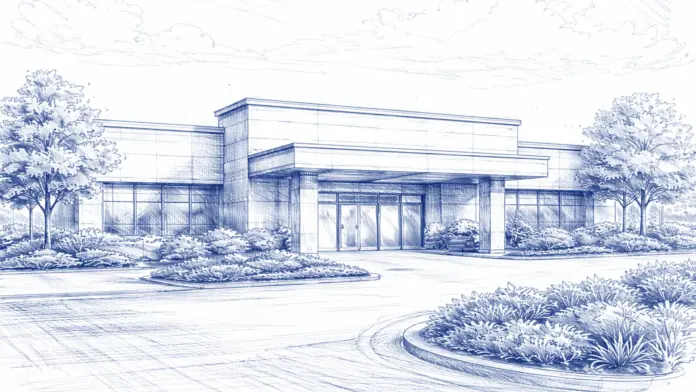
About Fayetteville Psychiatry
Fayetteville Psychiatry was a private outpatient mental health and substance use treatment provider in Fayetteville, Arkansas offering psychiatric care for children, adolescents, young adults and adults.
The practice combined psychiatric evaluation, medication management and in house counseling, with telehealth options to expand access.
Please note that according to the official website, the clinic permanently closed as of March 30, 2026.
What kinds of treatment were available?
The practice provided outpatient psychiatric care including diagnostic evaluations and treatment planning, medication management and lab work when needed.
Therapy approaches included cognitive behavioral therapy, internal family systems concepts and dialectical behavior therapy, motivational interviewing and grounding and regulation strategies.
Outpatient support also addressed alcohol, drug, opioid and other substance use concerns.
Who could get help here?
Fayetteville Psychiatry served a broad age range, with one provider treating children as young as 7 and women 18 and up, and another treating men and women ages 15 and up.
Clinical interests included youth mental health, women’s mental health and perinatal psychiatry, mood and anxiety disorders, and psychotic disorders.
Where was the clinic located?
The office was located at 205 N College Ave in downtown Fayetteville, Arkansas with telehealth available as an alternative to in person visits.
What about insurance?
The practice was in network with Arkansas Blue Cross Blue Shield and Ambetter. Cash pay appointments were available for patients with other insurance, with documentation provided for possible out of network reimbursement.
Latest Reviews



Rehab Score
 Our Methodology


Location
Accepted Insurance
Other Forms of Payment
Private insurance refers to any kind of healthcare coverage that isn't from the state or federal government. This includes individual and family plans offered by an employer or purchased from the Insurance Marketplace. Every plan will have different requirements and out of pocket costs so be sure to get the full details before you start treatment.
Self-pay involves paying for treatment out of your own pocket. You can use savings or credit, get a personal loan, or receive help from family and friends to fund your treatment. If you don't have insurance or your insurance plan doesn't cover a specific program, self-pay can help ensure you still get the care you need.
Sliding scale payments are based on a client's income and family size. The goal is to make treatment affordable to everyone. By taking these factors into account, addiction recovery care providers help ensure that your treatment does not become a financial burden to you or your family, eliminating one barrier to care.
Addiction Treatments
Levels of Care
Clients undergoing treatment at an inpatient rehab receive extensive therapeutic support through daily addiction counseling and recovery-focused services. These often include addiction education and life skills training. Many inpatient facilities also offer evidence-based holistic therapies, such as massage, yoga, acupuncture, creative arts therapy, and experiential therapy. Inpatient care is typically best suited for clients who recently completed detox, are in early recovery, or at a heightened risk of relapse.
Outpatient rehabs ensure that clients continue to receive robust and consistent therapeutic care without requiring them to reside at the treatment center. The frequency and intensity of treatment depend on clients' evolving needs, ranging from daily to weekly addiction counseling and recovery education. Outpatient programs often include peer coaching, life skills training, and individual, group, and family counseling. Outpatient levels of care include partial hospitalization (PHP), intensive outpatient (IOP), sober living/halfway housing, and standard outpatient care.
Through telehealth options, you can track your healthcare with technology and share it with your healthcare provider online. You can also speak with your provider via video or phone call, rather than make an office visit.
Treatments
Alcoholism (alcohol use disorder) affects a person mentally, physically, and relationally. A person with alcohol dependence craves alcohol and has an impaired ability to control their alcohol consumption. They experience withdrawal symptoms if they stop alcohol use. Individuals with this condition can achieve recovery through treatment. Alcohol rehab in Arkansas offers inpatient and outpatient options that provide counseling, support groups, and medication to help individuals overcome alcohol addiction and maintain recovery.
The goal of drug rehab in Arkansas is to help individuals stop using addictive substances and learn healthy ways to remain clean long-term. Participants learn vital skills to cope with cravings and manage stress, to prevent relapse.
 Opioid Addiction
In Arkansas, substance abuse treatment programs can help you overcome drug and alcohol addiction. These comprehensive programs offer various levels of care and evidence-based therapies like cognitive-behavioral therapy (CBT), dialectical behavior therapy (DBT), and eye movement desensitization and reprocessing (EMDR). The programs effectively address substance abuse and any co-occurring disorders.
Programs
Teen programs are designed to address the unique pressures teens face, pressures that can drive them to experiment with dangerous, addictive substances. They need programs that meet them exactly where they are and give them tools for long-term recovery. Therapy can help teenagers understand and work through underlying issues so they can reclaim the life ahead of them.
Adult rehab programs include therapies tailored to each client's specific needs, goals, and recovery progress. They are tailored to the specific challenges adult clients may face, including family and work pressures and commitments. From inpatient and residential treatment to various levels of outpatient services, there are many options available. Some facilities also help adults work through co-occurring conditions, like anxiety, that can accompany addiction.
Serving in the military is both mentally and physically challenging, and can result in trauma that persists even after combat ends. Military programs are tailored to the specific and often complex needs of active duty personnel, veterans, and military families. Clients often access these programs through the U.S. Department of Veterans Affairs (VA).
Clinical Services
One of the most common types of psychotherapy, cognitive behavioral therapy in Arkansas is an effective tool for the treatment of substance use disorder. It is a common therapeutic method that is used to treat a variety of mental and behavioral health challenges.
Developed in the 1970s, dialectical behavior therapy (DBT) is a type of psychotherapy based in cognitive behavior therapy. DBT is designed specifically to help people who experience emotions intensely. It is used to treat substance use disorder, anxiety, and depression, among other mental health disorders.
Motivational interviewing is a conversational approach to treatment. It helps you express your desire for change, reflect on any ambivalence you're feeling about change, and plan for the next steps to make the changes you desire.
Amenities
-
 Private Rooms
 -
 WiFi
WiFi
Accreditations

State Licenses are permits issued by government agencies that allow rehab organizations to conduct business legally within a certain geographical area. Typically, the kind of program a rehab facility offers, along with its physical location, determines which licenses are required to operate legally.
State License: Arkansas
Rehab.com regularly reviews this listing for accuracy but changes may occur between updates. For the most up-to-date information, please contact Fayetteville Psychiatry.
Contact Information


205 N College Ave, Fayetteville, AR 72701
Sponsored Helpline


