





























































































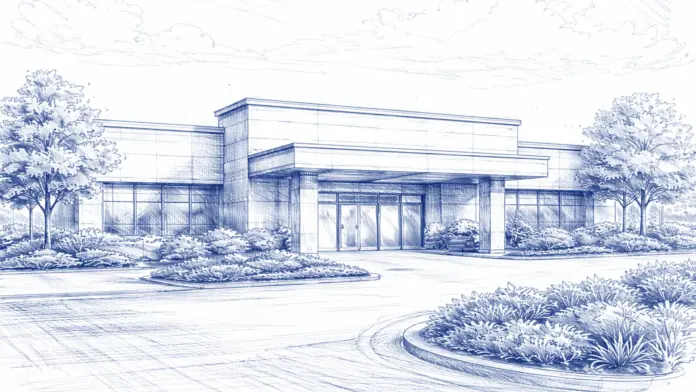
About GateHouse Sober Community
GateHouse Sober Community is a group of recovery homes for adults in Nashua, New Hampshire, just 45 minutes outside of Boston. You can access a safe, supportive environment to continue your addiction recovery journey.
Treatment Approach
They offer a 12 Step approach emphasizing proven therapeutic interventions to keep you on track in recovery. You can access a blend of support and freedom with guidance from live-in staff and peers on similar paths. Peer support, drug and alcohol testing, recovery coaching and weekly house meetings are available.
A Comfortable Recovery Atmosphere
What stands out most to me is their modern, gender specific houses. They provide a home away from home with premium facilities and private accommodations.
Each home offers prime access to everyday needs as well as AA and NA meetings. You’ll also be close to public transportation. With separate houses for men and women, you can enjoy a comfortable, distraction free space among others with similar experiences.
Wellness and Recreational Activities
Another great feature I noticed was their wellness and recreational activities. Along with treatment, you’ll participate in events and activities. Hiking trips, volunteering, meditation, snowboarding and sports events are available. You can connect with others and develop social skills while having sober fun.
Individual Case Management
Their case management services also stood out to me. They help you rebuild your life and improve other essential recovery aspects. You can access several resources and services, including mental health care, legal assistance, financial coaching and life skills training. Your case manager will also keep in touch with you after discharge to offer ongoing support.
Facility Overview
 10
10 Latest Reviews



Rehab Score
 Our Methodology


Location
Other Forms of Payment
Private insurance refers to any kind of healthcare coverage that isn't from the state or federal government. This includes individual and family plans offered by an employer or purchased from the Insurance Marketplace. Every plan will have different requirements and out of pocket costs so be sure to get the full details before you start treatment.
Self-pay involves paying for treatment out of your own pocket. You can use savings or credit, get a personal loan, or receive help from family and friends to fund your treatment. If you don't have insurance or your insurance plan doesn't cover a specific program, self-pay can help ensure you still get the care you need.
Addiction Treatments
Levels of Care
Sober Living Houses (SLHs), aka sober homes or halfway houses, are safe, substance-free, supportive living facilities for those recovering from substance abuse. Ideal for those who've just been through inpatient or outpatient treatment, SLHs are supervised environments with rules that support sobriety, such as curfews, shared chores, and therapeutic meetings. Residents are also often trained on life skills and coping skills to make it easier to transition into society. SLHs also provide a strong sense of community that can lead to the kind of deep and lasting connections with other sober individuals that supports a new, healthy lifestyle.
Treatments
Substance rehabs focus on helping individuals recover from substance abuse, including alcohol and drug addiction (both illegal and prescription drugs). They often include the opportunity to engage in both individual as well as group therapy.
Programs
Adult rehab programs include therapies tailored to each client's specific needs, goals, and recovery progress. They are tailored to the specific challenges adult clients may face, including family and work pressures and commitments. From inpatient and residential treatment to various levels of outpatient services, there are many options available. Some facilities also help adults work through co-occurring conditions, like anxiety, that can accompany addiction.
Clinical Services
Group therapy is any therapeutic work that happens in a group (not one-on-one). There are a number of different group therapy modalities, including support groups, experiential therapy, psycho-education, and more. Group therapy involves treatment as well as processing interaction between group members.
In individual therapy, a patient meets one-on-one with a trained psychologist or counselor. Therapy is a pivotal part of effective substance abuse treatment, as it often covers root causes of addiction, including challenges faced by the patient in their social, family, and work/school life.
Life skills trainings involve all the skills a person must have in order to function successfully in the world. These include time management, career guidance, money management, and effective communication. Truly successful addiction recovery is based on the ability to not only live substance-free, but to thrive. Life skills teaches the practical necessities of functioning in society, which sets clients up for success in life, and therefore sobriety.
Amenities
-
 Residential Setting
Staff
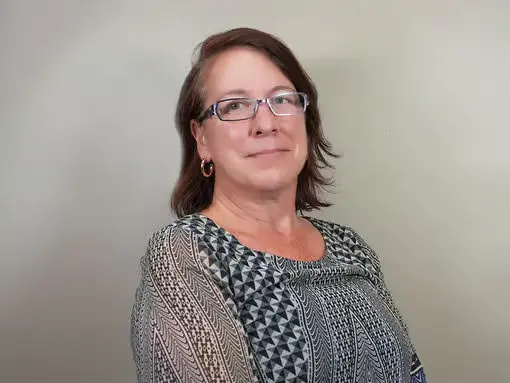
Jaime Powers
CEO

Joshua Broudo, LICSW
Clinical Director
Rehab.com regularly reviews this listing for accuracy but changes may occur between updates. For the most up-to-date information, please contact GateHouse Sober Community.
Contact Information


131 Daniel Webster Highway
Nashua, NH 03060
Sponsored Helpline



