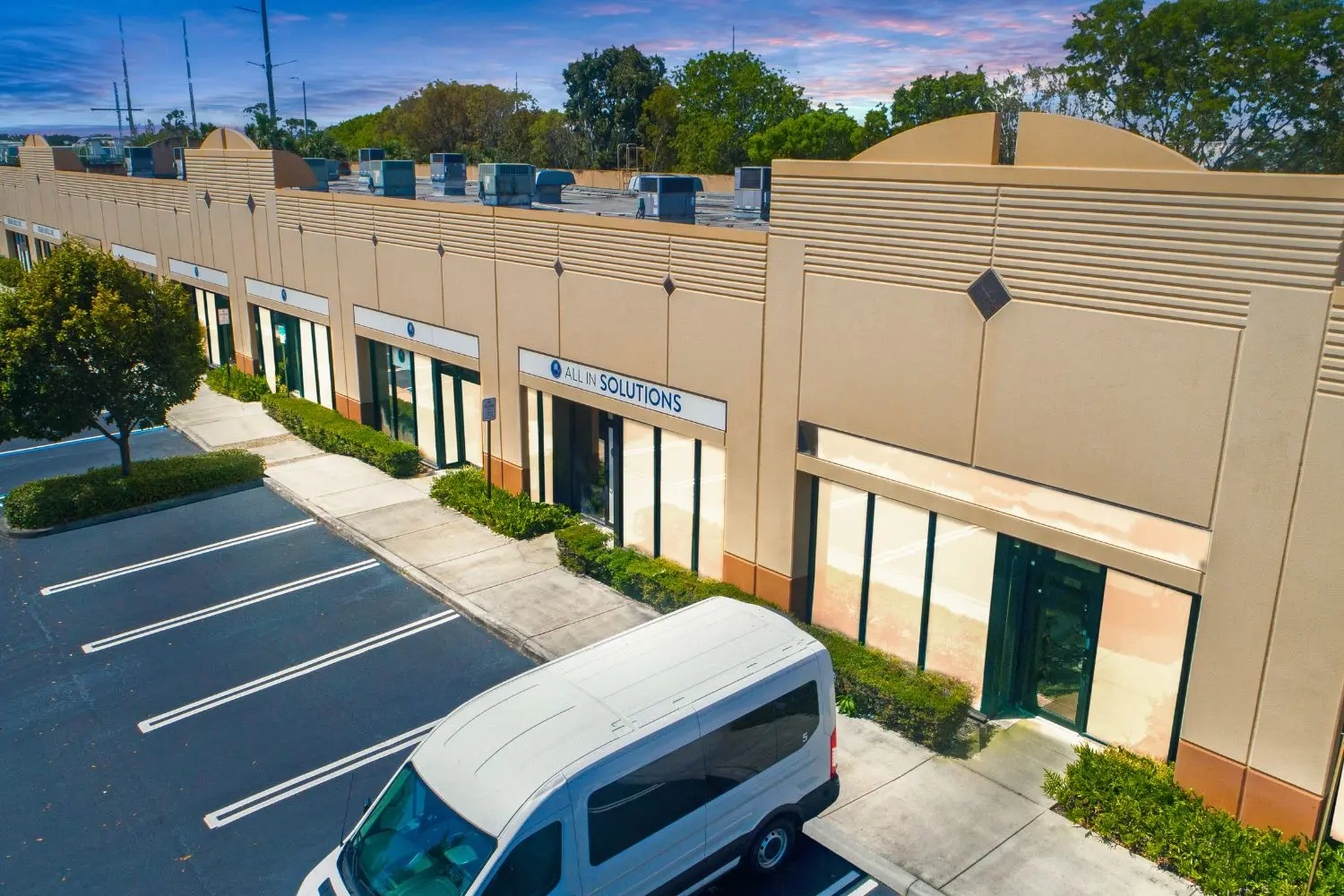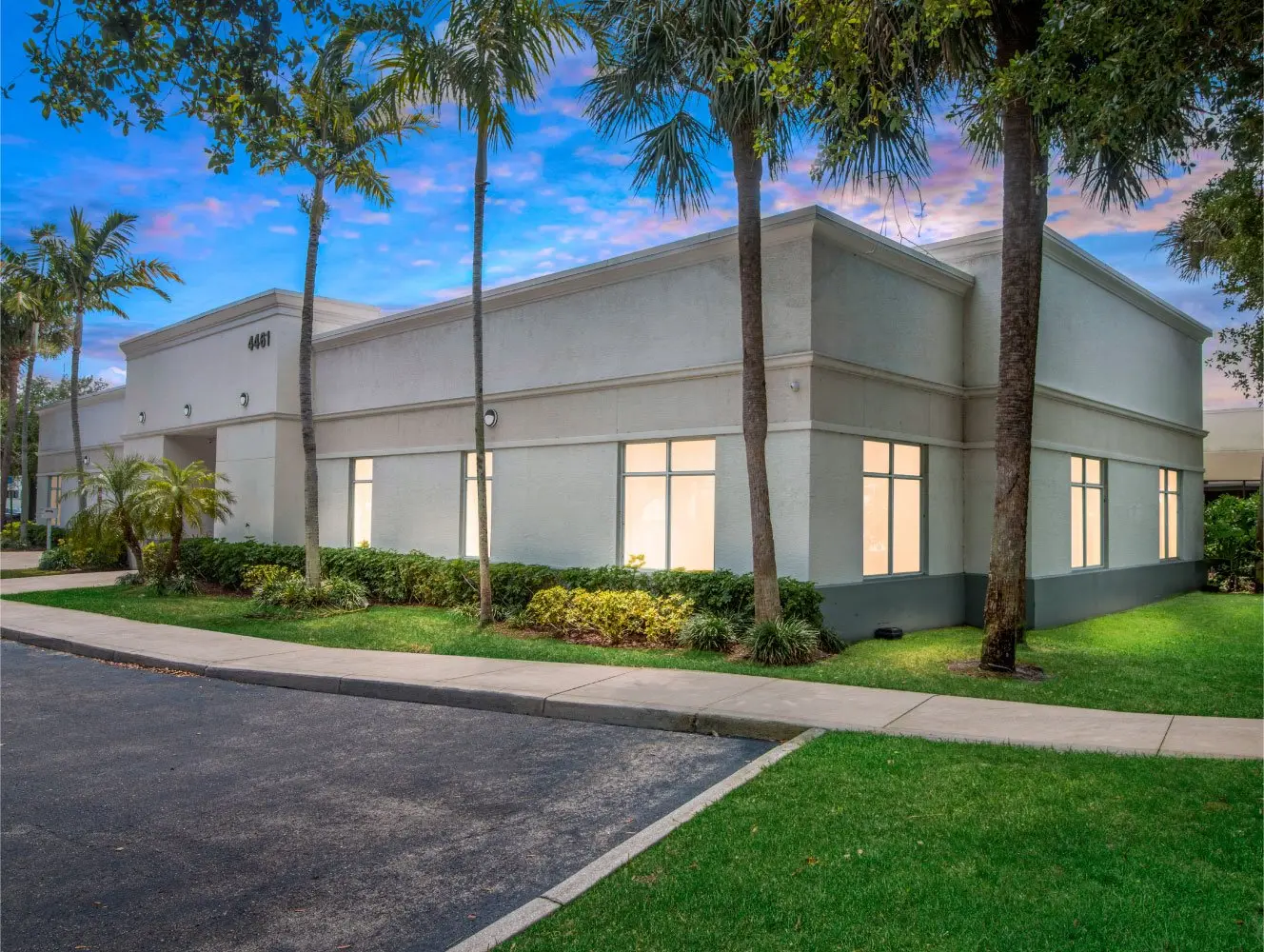
All In Solutions Wellness Center
1
Top 10 Rehab Centers In West Palm Beach



















































































We offer a wide range of behavioral health treatment options, ensuring we provide the type of care that is right for you. Our inpatient and outpatient behavioral health units include:
Psychiatric emergency room — four private rooms in the emergency room for people with behavioral health crises
The Center for Behavioral Medicine — a 33-bed inpatient unit for adults in need of both involuntary and voluntary stabilization of mental health and substance use disorders.
The Retreat — a 14-bed unit for adults admitted on a voluntary status
Geriatric unit — a 24-bed inpatient unit for older adults on voluntary and involuntary statuses
Medical behavioral unit (MBU) — a six-bed medical inpatient environment with behavioral health overlay
Intensive outpatient program (IOP) — an outpatient group that meets three times per week to provide intense support for adults
Partial hospitalization program (PHP) — an outpatient group that meets five times a week and provides more structured care for adults
Electroconvulsive therapy (ECT)— a safe, efficient and effective way to relieve symptoms of depression and other psychiatric illnesses.
 33
33 
 Our Methodology


Self-pay involves paying for treatment out of your own pocket. You can use savings or credit, get a personal loan, or receive help from family and friends to fund your treatment. If you don't have insurance or your insurance plan doesn't cover a specific program, self-pay can help ensure you still get the care you need.
Private insurance refers to any kind of healthcare coverage that isn't from the state or federal government. This includes individual and family plans offered by an employer or purchased from the Insurance Marketplace. Every plan will have different requirements and out of pocket costs so be sure to get the full details before you start treatment.
Medicaid is a state based program that helps lower-income individuals and families pay for healthcare. Medicaid covers addiction treatment so those enrolled can use their coverage to pay for rehab. When a program accepts Medicaid the client often pays very little or nothing out of their own pocket.
Medicare is a federal program that provides health insurance for those 65 and older. It also serves people under 65 with chronic and disabling health challenges. To use Medicare for addiction treatment you need to find a program that accepts Medicare and is in network with your plan. Out of pocket costs and preauthorization requirements vary, so always check with your provider.
Military members, veterans, and eligible dependents have access to specific insurance programs that help them get the care they need. TRICARE and VA insurance can help you access low cost or no cost addiction and mental health treatment. Programs that accept military insurance often have targeted treatment focused on the unique challenges military members, veterans, and their families face.
 Employee Assistance Program
Outpatient rehabs encompass multiple levels of care to facilitate clients' progress through their recovery journey. Clients who are stepping down from inpatient treatment may require intensive outpatient (IOP) treatment, which involves more frequent and substantive therapeutic interventions than does standard outpatient care. Outpatient centers typically provide extensive addiction counseling, including individual, group, and family therapy. Medication assisted treatment programs (MAT) and recovery-focused life skills training are also common in outpatient care.
Rehab aftercare programs are a collection of highly individualized services designed to promote long-term recovery. These services evolve as your needs change. Case managers and recovery teams typically begin formulating the rehab aftercare service plan early in the recovery process to facilitate your reintegration back into the home, workplace, and community.
Clients typically choose inpatient rehab when they are in early recovery or are experiencing a crisis that puts them at an increased risk of relapse. They reside at the treatment center for the length of their program, which may range from two weeks to more than 18 months, depending on the program design. Intensive psychotherapy is often the primary treatment modality, but clients in inpatient care may also receive holistic treatment and recovery-focused life skills training.
Intensive outpatient programs (IOP) involve frequent and robust therapeutic sessions for clients requiring high-level care. Clients may engage in a combination of medication assisted treatment (MAT), addiction counseling, recovery skills training, and holistic therapies for a minimum of nine and a maximum of 20 hours per week. Intensive outpatient rehab is designed primarily for persons in early recovery, those exiting detox or inpatient care, and those at an elevated relapse risk.
The first step of the recovery process involves the removal of all drugs and alcohol from your system while under 24/7 medical supervision. Known as a medically assisted detox, you are closely monitored by medical staff who can provide medications, if necessary, to help alleviate any potential withdrawal symptoms. Medical detox is usually followed by a period of inpatient addiction treatment.
Often referred to as "day treatment," a partial hospitalization program (PHP) offers an intensive treatment option that allows individuals to return home at night. PHP treatment typically requires a minimum of 20 hours a week for an average of 90 days. Participants attend daily therapeutic sessions, receive medication management, and have access to skilled medical professionals. While costs can vary, most insurance will fully or partially cover a partial hospitalization program.
24-hour clinical care in Florida is an essential part of treatment, particularly with medical detox. Withdrawal symptoms can be severe, and supervised detox provides around the clock access to medical professionals who can adminsiter proper medications and treatment to address these symptoms and step in should an emergency occur. This intensive clinical care will help curb the withdrawal effects, minimize substance dependence, and prepare you for the next step of treatment.
When a person has alcohol use disorder (AUD), also referred to as alcoholism or alcohol addiction, they experience withdrawal symptoms when they stop drinking. This physical dependence results from overuse of alcohol, which may be used as a coping mechanism or escape. Individuals who have AUD can overcome the alcohol addiction through alcohol rehab in Florida. This treatment process involves essential therapy and supports to help the individual achieve and maintain recovery.
 Opioid Addiction
Drug rehab in Florida provides quality treatment to help individuals overcome dependency related to a wide range of addictive substances. Programs address both the physical and mental aspects of addiction in order to help you make a full recovery.
In Florida, dual-diagnosis addiction treatment treats mental health and substance use disorders concurrently to enhance successful recovery outcomes and improve overall health. Specialized rehab programs include medical detox, outpatient, residential treatment, and intensive outpatient programs. Using evidence-based therapies, like dialectical behavioral therapy or medication-assisted treatment, clinicians successfully treat dual-diagnosis addiction and mental health conditions. Other activities include group therapy and skills training, to equip you with the skills required to achieve and sustain your recovery.
In Florida, substance abuse treatment focuses on treating mental health and substance use disorders concurrently to improve recovery outcomes and overall health. Levels of care include medical detox, outpatient, residential treatment, and intensive outpatient programs. Clinicians utilize evidence-based therapies such as dialectical behavioral therapy (DBT) or medication-assisted treatment, group therapy, and skills training activities. This comprehensive approach to treatment helps to ensure sustained recovery.
When you have a mental health disorder and an addiction, it's known as a co-occurring disorder. Since treating both conditions at the same time is critical, you'll want to seek out a dual diagnosis treatment center. These specialized rehabs offer the care needed to overcome both disorders, which drastically increases your chances of success in long-term recovery. Types of therapies provided tend to include individual and group counseling, relapse prevention education, coping skills training, and cognitive behavioral therapy (CBT).
Adult rehab programs include therapies tailored to each client's specific needs, goals, and recovery progress. They are tailored to the specific challenges adult clients may face, including family and work pressures and commitments. From inpatient and residential treatment to various levels of outpatient services, there are many options available. Some facilities also help adults work through co-occurring conditions, like anxiety, that can accompany addiction.
Young adulthood can be an exciting, yet difficult, time of transition. Individuals in their late teens to mid-20s face unique stressors related to school, jobs, families, and social circles, which can lead to a rise in substance use. Rehab centers with dedicated young adult programs will include activities and amenities that cater to this age group, with an emphasis on specialized counseling, peer socialization, and ongoing aftercare.
Recovery is most successful when clients feel accepted and validated by their peers and treatment providers. Facilities that offer LGBTQ-inclusive programming are committed to creating a safe space where everyone can grow and recover without fear of judgment or discrimination. They will have dedicated policies in place to create a safe and supportive environment that fosters free expression.
Serving in the military is both mentally and physically challenging, and can result in trauma that persists even after combat ends. Military programs are tailored to the specific and often complex needs of active duty personnel, veterans, and military families. Clients often access these programs through the U.S. Department of Veterans Affairs (VA).
Group therapy provides a safe and supportive environment for people in Florida who are struggling with drug addiction. There you can openly discuss the challenges and progress you're making without fear of judgment from your peers who experience many of the same things you are.
Therapists who apply cognitive behavioral therapy in Florida believe patient thoughts and behaviors are closely linked. They use this treatment method to help clients change their thought patterns so they can also change behaviors and break free from substance abuse.
Life skills are the core skills you need for daily success. They can include self care, stress management, daily routines, and emotion control. Rehab treatment includes the development of these skills so you have the tools you need for long term recovery.
As a short term therapeutic method, motivational interviewing in Florida requires only a couple of sessions. During these sessions, you'll have the opportunity to talk about your circumstances and any discrepancies between your current situation and future goals. You'll then decide for yourself what changes you want to make.
One benefit of nicotine replacement therapy (NRT) in Florida is variety. NRT comes in multiple forms that you can use in different ways. This allows you to choose the form that works best with your needs and lifestyle. Your options include gum, patches, inhalers, and prescription medication.
Types of creative arts therapy in Florida include playing music, writing poetry, journaling, dancing, painting, and sculpting. These expressive activities can help you process emotions and work through challenges with the guidance of a creative arts therapist.
Recreational therapy helps you recover from addiction by giving you structured activities that promote your physical health and mental well being. These activities could range from sports and fitness to creative arts and provide a constructive outlet for your emotions and stress.
 Electroconvulsive Therapy
 Private Setting
  Private Rooms
 CEO
COO
Chief Nursing Officer
CFO
VP of Operations
VP of Human Resources

The Joint Commission, formerly known as JCAHO, is a nonprofit organization that accredits rehab organizations and programs. Founded in 1951, the Joint Commision's mission is to improve the quality of patient care and demonstrating the quality of patient care.
Joint Commission Accreditation: Yes
Rehab.com regularly reviews this listing for accuracy but changes may occur between updates. For the most up-to-date information, please contact HCA Florida Largo West Hospital.

2025 Indian Rocks Road
Largo, Florida 33774
Sponsored Helpline

I was a patient in room 412. I really thought the techs/spc students The one tech, her name has a long name it starts with a K but Gigi. The other girl told me her that she goes by KK. I just wanted to tell someone at the hospital that they are awesome. They do it all the work they were so helpful. They were very sweet. They helped me with everything and I thank them very much. Otherwise I feel the hospital has very little communication with the patient. I feel like the doctors and the nurses do not inform you of what is going on. I was told I was released on the 16th. It was on my chart. I was still there on the 17th. I figured I was just gonna go home cause I realize they couldn’t do anything. I have neuromuscular disease. A facility in for inbound PT I did not get a brochure on what it looked like I got I didn’t get any paperwork about it and I was very upset that I didn’t get any information and they just wanted to transfer me when they could meaning I might stay longer to the facility. The doctors were good, but the communication was lousy. Bonnie Sadock


Muy buena atención, detallistas y excelente alternativa de traducción para asegurar un diagnóstico y tratamiento certero

 Back
Back
Sharing your insights and experiences can help others learn more about this rehab center.