Symetria — Hurst Outpatient Rehab & Suboxone Clinic
1
Top 10 Rehab Centers In Hurst



















































































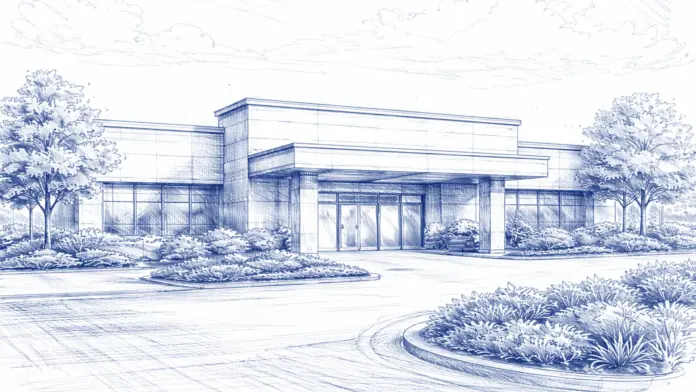
The J. Flowers Health Institute is in Houston, Texas. The clinicians at this facility offer a luxury concierge treatment model that emphasizes one-on-one treatment for mental health and addiction disorders. This is an outpatient facility that offers detoxification, partial hospitalization and outpatient treatment programs.
Financial counselors can assist you in figuring out your insurance if you want to use out-of-network benefits. They do not accept Medicaid or Medicare. The facility is conveniently located near the West Loop Freeway and I-610.
The expert clinical counselors use a highly individualized treatment model that includes one-on-one meetings. They specialize in assisting public figures, executives, professionals and adolescents.
They also specialize in clients with complex emotional, medical and substance use issues, including those with co-occurring disorders. The facility is discreet and luxurious, designed like a boutique hotel. They have on site wellness activities and chef prepared meals in a spa like environment.
The facility is in the Uptown and Galleria areas of Houston, close to the Houston Arboretum & Nature Center, as well as Memorial Park. There are various art galleries and cultural sites that can help you unwind and reflect between treatment sessions. In addition to assisting those with mental health and substance use disorders, they treat both gambling and eating disorders.
The clinic uses a thorough assessment process to ensure you’ll receive the right treatment. Clients and their families have praised the personalized attention and mentioned the thorough assessment process.
Many clients have mentioned experiencing significant improvement in life functioning and overall well being after treatment. Testimonials have highlighted the comfortable, luxurious and discreet environment as well as the compassionate staff.

 Our Methodology


Private insurance refers to any kind of healthcare coverage that isn't from the state or federal government. This includes individual and family plans offered by an employer or purchased from the Insurance Marketplace. Every plan will have different requirements and out of pocket costs so be sure to get the full details before you start treatment.
Self-pay involves paying for treatment out of your own pocket. You can use savings or credit, get a personal loan, or receive help from family and friends to fund your treatment. If you don't have insurance or your insurance plan doesn't cover a specific program, self-pay can help ensure you still get the care you need.
Financing your treatment can make treatment more accessible. You'll work with your care provider to set up payment plans, including interest rates and repayment timelines. Financing options vary widely and not all programs offer them, so be sure to get the full details before enrolling in treatment. If you have insurance or other benefits, financing may help you cover your remaining out of pocket expenses.
24-hour clinical care in Texas provides a safe environment for medical detox. This setting is crucial to provide medical care during withdrawal. Certain withdrawal symptoms can cause life-threatening conditions, but patients in a supervised clinical setting have treatment readily available to address any symptoms before they become severe. Treatment can also be provided for co-occurring physical and mental health issues.
Ridding the body of harmful, addictive substances, also known as detoxification, is usually the first phase of recovery. Those going through medically assisted detox can be administered medications by a team of medical professionals who are on-site 24/7 to provide different types of therapies that help mitigate withdrawal symptoms.
Inpatient rehab programs are geared toward clients in early recovery. They also provide intensive support for clients in crisis and those at an increased relapse risk. Clients receive housing and meals while in inpatient care, allowing them to focus solely on their recovery. Most programs prioritize addiction counseling but may draw on various psychotherapeutic modalities, including CBT, DBT, RBT, trauma therapy, and motivational interviewing. Life skills training and holistic therapies are also common in inpatient care.
Commonly known as "day treatment," a partial hospitalization program (PHP) offers intensive addiction treatment while allowing you to return home each day. It can serve as an alternative to inpatient hospitalization or as a step-down option. Depending on your needs, PHP treatment typically averages 90 days with a weekly requirement of 6-8 hours a day. PHP treatment offers a variety of therapeutic interventions such as individual counseling, group therapy, and psychoeducation. Oftentimes PHP treatment can be fully covered by insurance.
Intensive outpatient programs offer high-level care for clients as an increased risk of relapse, including those in early recovery, those with a strong history of relapse, and those experiencing a crisis. Intensive outpatient treatment typically requires clients to engage in nine to 20 hours of care weekly, with treatment modalities that combine psychotherapy and recovery education, and holistic therapies, such as acupuncture and animal therapy. Medication assisted treatment (MAT) is also common in alcohol and/or opioid recovery.
After completing some form of inpatient care, many clients transition or step down to an outpatient rehab, while some choose to transition from detox directly into outpatient care. High-intensity outpatient programming, including partial hospitalization (PHP) and intensive outpatient (IOP) is widely available for clients in early recovery, those leaving detox, and those at an elevated relapse risk. Clients in outpatient care generally engage in robust addiction counseling and recovery education, and some also receive medication assisted treatment (MAT).
Alcoholism occurs when a person becomes physically and psychologically dependent on alcohol. Attending a professional alcohol rehab in Texas can provide customized intervention methods to address the physical, mental, and relational challenges of addiction.
During rehab in Texas, you'll deal with underlying issues that contribute to addiction. By addressing these challenges and learning healthy ways to cope with them, you'll develop strategies that help you live a drug-free lifestyle.
Substance abuse treatment is available in Texas for anyone who's struggling with drug or alcohol addiction. These programs usually provide a comprehensive assessment and individualized treatment plan, and include evidence-based treatments, like therapies such as cognitive-behavioral therapy (CBT) to reframe unhelpful coping strategies, and dialectical behavior therapy (DBT) to help with emotional regulation and stress.
Texas's specialized dual-diagnosis addiction treatment programs prioritize comprehensive care for individuals with co-occurring substance use disorders and mental health conditions. These programs offer diverse levels of care, including outpatient, inpatient, and partial hospitalization options. Evidence-based therapies, trauma-informed care, group work, and educational workshops help treat both conditions at the same time and give you the tools to sustain mental health and sobriety.
With a co-occurring drug or alcohol addiction and a mental health disorder, you'll want to seek out a dual diagnosis treatment center. These specialized rehabs offer services to address both conditions at the same time, including 24/7 access to medical and mental health professionals. By treating both disorders at the same time, it drastically increases your chances of successful long-term recovery.
Adult rehab programs include therapies tailored to each client's specific needs, goals, and recovery progress. They are tailored to the specific challenges adult clients may face, including family and work pressures and commitments. From inpatient and residential treatment to various levels of outpatient services, there are many options available. Some facilities also help adults work through co-occurring conditions, like anxiety, that can accompany addiction.
Teen programs are designed to address the unique pressures teens face, pressures that can drive them to experiment with dangerous, addictive substances. They need programs that meet them exactly where they are and give them tools for long-term recovery. Therapy can help teenagers understand and work through underlying issues so they can reclaim the life ahead of them.
The goal of cognitive behavioral therapy (CBT) in Texas is to change thought patterns, which leads to changes in behavior. Specific techniques during CBT can include self talk, SMART goals, journaling, and positive activities.
Treatment that takes a dialectical behavior therapy approach focuses on four strategies. Distress tolerance will help you accept and tolerate intense emotions. Emotional regulation will teach you to manage those emotions. Mindfulness will keep you in the present moment instead of regret or worry. Interpersonal effectiveness will teach you to manage your relationships.
Individual therapy offers you a confidential space to address the complexities of your drug or alcohol addiction. Your therapist guides these personalized sessions to help develop self awareness and manage stress. This promotes sustained sobriety and overall well being.
Peer support is an important aspect of group therapy sessions for drug and alcohol addiction. As you and your peers share stories and encourage each other, it fosters a sense of community and belonging that helps you process your feelings and reduces the sense of isolation that is associated with addiction.
The purpose of family therapy is to create a supportive and understanding family dynamic within the family unit. Therapists help individual members to identify and change harmful behavior patterns and improve communication. This provides a stable foundation for the family and their loved one's recovery.
 Luxury Accommodations
  Private Rooms
  Spa
Spa  Gym
Gym  Meditation Room
  Yoga Studio
The Commission on Accreditation of Rehabilitation Facilities (CARF) is a non-profit organization that specifically accredits rehab organizations. Founded in 1966, CARF's, mission is to help service providers like rehab facilities maintain high standards of care.
CARF Accreditation: Yes

The Joint Commission, formerly known as JCAHO, is a nonprofit organization that accredits rehab organizations and programs. Founded in 1951, the Joint Commision's mission is to improve the quality of patient care and demonstrating the quality of patient care.
Joint Commission Accreditation: Yes

The National Association of Addiction Treatment Providers (NAATP) is a professional association that represents organizations in the field of addiction services. Founded in 1978, NAATP's mission is to advance addiction services and ensure that high-quality addiction treatment is available and accessible.
NAATP Member: Yes

The Substance Abuse and Mental Health Services Administration (SAMHSA) is a branch of the U.S. Department of Health and Human Services. Established in 1992 by congress, SAMHSA's mission is to reduce the impact of substance abuse and mental illness on American's communities.
SAMHSA Listed: Yes
Rehab.com regularly reviews this listing for accuracy but changes may occur between updates. For the most up-to-date information, please contact J. Flowers Health Institute.

109 N Post Oak Ln #500, Houston, TX 77024
Sponsored Helpline

My brother went to a treatment center here in Maine two times and relapsed after a few months each time. I found J Flowers through an interventionist and it was the best decision he ever made to go with her. Today is his second sober birthday and he loves his life and is now a sponsor for other addicts. I would give 10 stars is possible. Thank you for the family support and continued contact with us!

The only reason I gave this program two stars is because of a few amazing people who genuinely care - Arti, Robbin, and Michael Beard. They were professional, kind, and truly invested in helping clients. The owner is a narcissist and egomaniac Unfortunately, my overall experience at J. Flowers Health Institute was disappointing. Over the last few years, I've seen a lot of turnover among talented staff and clinicians, and the culture doesn't seem as ethical or supportive as it once was. The program is technically outpatient, with clients placed in hotel rooms and paired with staff who, in my opinion, don't always have the qualifications needed for the level of care being provided. The cost of treatment is extremely high — well over $200,000 per month - and I didn't feel that the services matched that price point. When the program first opened, it had some incredible therapists and clinicians, but many of them have since moved on. That shift changed the entire feel and quality of the place. If you're looking for a program that's authentic and clinically strong, I'd recommend checking out Burning Tree or The Guest House instead.

Over 2 years sober. Freedom and happiness. J.Flowers Health Institute saved my life. As someone that is involved in the recovery community in my sobriety I have heard a lot of rehabilitation facility stories to compare to mine. I have only been to J.Flowers so I cannot personally compare it to any other. However, I will say it sounds like my "experience" was different than others that have been in rehabilitation. "Success is not measured by the quantity but the quality". This applies here. It might cost more but there is a reason. They are different. And can you really put a price on your life or your sobriety? If so is the lowest bidder your option that you choose? Staff was exceptional. Aftercare was exceptional. Facility was exceptional. My sober companions were the difference maker. If I had a family member or friend that was losing their life to alcoholism like I was I would recommend J.Flowers. I am here today to write this review because if you or someone you know needs help please reach out to J.Flowers. You can't go wrong here. They are truly unique in their approach.

J. Flowers is very difficult to explain because to see it is to believe it. Multiple of my clients have chosen to go to J. Flowers over the last 4 years. These individuals deserved the best quality of care and were faced with continuous white walls, hospital gowns, over-medication, a revolving door of practitioners, and years of being stuck in a constant cycle of crisis. After staying at J. Flowers, they were stabilized, met with loving care, they felt seen and heard for the first time in their lives. The ability to individualize to the client is critical during a medical or mental health crisis and so few hospitals have the staffing or ability to do so. They are integrated into the community, they have freedoms and access to experiences that are impossible to participate in while in other hospitals or treatment centers. The freedom of feeling like a human and not a patient or a number during care is priceless; I've seen all too much hospitalization trauma come from psychiatric hospitalizations. The Clinical Director, Arti Patel, is one of the most skilled clinicians I have ever worked with, she has a relational approach and is able to meet clients where they are and provide a safe space to process what they've experienced in a short amount of time. I have been continuously impressed with the level of care they provide, it's unparalleled. The entire team has been carefully chosen and each bring their unique strengths and collaborate daily to ensure the highest quality of care is delivered to very complex and ill individuals. An additional note: comprehensive diagnostics, where the doctors and practitioners diagnosing patients are collaborating, just makes sense. It should be the way all doctors offices work, but aren't set up to. The cardiologist needs to talk to the endocrinologist who needs to talk to the psychiatrist, etc. Every perspective is unique and a quality diagnosis requires all stakeholders to come together for the safety and longevity of their patient. There is life beyond the diagnosis, as Arti says, but finding out the root cause is imperative to build a roadmap for a life of wellness and actualization. I recommend J. Flowers wholeheartedly.
 Back
Back
Sharing your insights and experiences can help others learn more about this rehab center.