






























































































From my counselor Danny to the Allie at the front desk this place is the best I can recommend for recovery. Alley deserves an award for endless positivity and understanding each of us! Danny treats me like a normal human being and truly helps me! Love this place!
About MedMark Treatment Centers
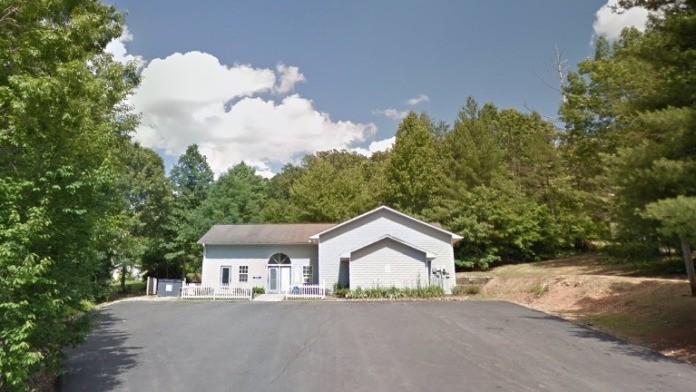
MedMark Treatment Centers is located in Blairsville, Georgia. This is a drug treatment facility that specializes in providing services and medication support to individuals who have an opioid use disorder.
Services are offered with coverage through most major insurance providers, including Medicaid, Medicare, and military insurance like TRICARE.
Multiple Medication Assisted Treatment
At the core of their treatment services here is medication assisted treatment (MAT) using FDA approved medications like methadone, buprenorphine, and naltrexone. You’ll work with a care team through assessments and evaluations to determine the appropriate medication regimen for your needs.
Comprehensive Counseling
Methadone clinics do a good job of helping you stabilize your body and are especially beneficial to those with mild to moderate opioid addiction struggles. Here at MedMark Treatment Centers, outpatient MAT is supported by comprehensive counseling that helps get to the root cause of your addiction struggles.
You’ll work through individual and group counseling sessions, along with specialized care if you’re someone who lives with HIV/AIDS, hepatitis or other medical diagnoses. There are also targeted services here for victims of trauma, domestic violence, and adults from marginalized communities, like members of the LGBTQ community.
Future Focused Care
Their treatment programs are highly individualized to help you build recovery skills and recovery goals for the future. One of the ways they do this is through their cognitive behavioral therapy and motivational interviewing therapy, which helps you focus on the specific challenges hindering your recovery goals.
They also do a really good job connecting you to other ancillary services if you’re struggling with medical or mental health issues that might need more supportive care.
Latest Reviews
I've been in treatment 14 years. God and Medmark gave me my life back. If you truly want to feel normal again and get your life back on track then I suggest starting treatment ASAP. I have the best councillor anybody could ever have. Sherry Barnes knows me inside and out! The reason I don't go to a clinic closer to me is because of Sherry. You've got to have a councillor that you trust or your treatment could become jeopardized. So if you are ready to get your life back then I suggest Medmark and Sherry Barnes!
Response from the owner1 week ago
Thank you so much for the kind review! This is exactly what we love to hear.
I have been going to this treatment center since August. In that amount of time I have seen people heal from opiate addiction to move on to healthier and better lives. I will say that the counselors at this clinic care deeply about each one of the people who walks through the door every day. If you struggle with addiction, I would suggest calling and talking to one of the counselors. Truly they care.
Response from the owner1 week ago
This is wonderful to hear, thanks again for sharing this review with us!
Broke down up here in Blairsville on our way home to Marietta. Needed to guest dose for 3 days and they ended up going above and beyond to do what they could to help us. Extremely thankful for this place. The director is definitely a lot more helpful and nice than the director at our home clinic. Definitely recommending them to anyone that needs them in this area. Joy, Shauna,and the dosing nurse are wonderful people and helped us when we needed it the most. Cant say thank you enough!!! ----Alicia and Brad----

Rehab Score
 Our Methodology
Scoring is assigned by a proprietary system which helps surface key metrics that determine quality. The 10-point scale factors in categories such as operations, customer satisfaction, and trust metrics. Read Full Methodology

7.3 / 10
Gallery
Other Forms of Payment
Medicaid is a state based program that helps lower-income individuals and families pay for healthcare. Medicaid covers addiction treatment so those enrolled can use their coverage to pay for rehab. When a program accepts Medicaid the client often pays very little or nothing out of their own pocket.
Private insurance refers to any kind of healthcare coverage that isn't from the state or federal government. This includes individual and family plans offered by an employer or purchased from the Insurance Marketplace. Every plan will have different requirements and out of pocket costs so be sure to get the full details before you start treatment.
Self-pay involves paying for treatment out of your own pocket. You can use savings or credit, get a personal loan, or receive help from family and friends to fund your treatment. If you don't have insurance or your insurance plan doesn't cover a specific program, self-pay can help ensure you still get the care you need.
Military members, veterans, and eligible dependents have access to specific insurance programs that help them get the care they need. TRICARE and VA insurance can help you access low cost or no cost addiction and mental health treatment. Programs that accept military insurance often have targeted treatment focused on the unique challenges military members, veterans, and their families face.
Medicare is a federal program that provides health insurance for those 65 and older. It also serves people under 65 with chronic and disabling health challenges. To use Medicare for addiction treatment you need to find a program that accepts Medicare and is in network with your plan. Out of pocket costs and preauthorization requirements vary, so always check with your provider.
Addiction Treatments
Levels of Care
Outpatient programs are for those seeking mental rehab or drug rehab, but who also stay at home every night. The main difference between outpatient treatment (OP) and intensive outpatient treatment (IOP) lies in the amount of hours the patient spends at the facility. Most of the time an outpatient program is designed for someone who has completed an inpatient stay and is looking to continue their growth in recovery. Outpatient is not meant to be the starting point, it is commonly referred to as aftercare. MedMark Treatment Centers' specializes in providing Medication-assisted treatment and substance abuse counseling, this combined approach has been proved to be more effective in the recovery process
Drug and alcohol addiction often takes a heavy toll on one's body. Over time, a physical dependence can develop, meaning the body physiologically needs the substance to function. Detox is the process of removing drugs and/or alcohol from the body, a process that can be lethal if mismanaged. Medical detox is done by licensed medical professionals who monitor vital signs and keep you safe, healthy, and as comfortable as possible as you go through detox and withdrawal.
Intensive Outpatient Programs (IOP) are for those who want or need a very structured treatment program but who also wish to live at home and continue with certain responsibilities (such as work or school). IOP substance abuse treatment programs vary in duration and intensity, and certain outpatient rehab centers will offer individualized treatment programs.
Completing a drug or alcohol rehab program shouldn't spell the end of substance abuse treatment. Aftercare involves making a sustainable plan for recovery, including ongoing support. This can include sober living arrangements like halfway houses, career counseling, and setting a patient up with community programs like Alcoholics Anonymous (AA) or Narcotics Anonymous (NA).
Treatments
Opioid rehabs specialize in supporting those recovering from opioid addiction. They treat those suffering from addiction to illegal opioids like heroin, as well as prescription drugs like oxycodone. These centers typically combine both physical as well as mental and emotional support to help stop addiction. Physical support often includes medical detox and subsequent medical support (including medication), and mental support includes in-depth therapy to address the underlying causes of addiction.
Substance rehabs focus on helping individuals recover from substance abuse, including alcohol and drug addiction (both illegal and prescription drugs). They often include the opportunity to engage in both individual as well as group therapy.
Programs
Adult rehab programs include therapies tailored to each client's specific needs, goals, and recovery progress. They are tailored to the specific challenges adult clients may face, including family and work pressures and commitments. From inpatient and residential treatment to various levels of outpatient services, there are many options available. Some facilities also help adults work through co-occurring conditions, like anxiety, that can accompany addiction.
Clinical Services
In individual therapy, a patient meets one-on-one with a trained psychologist or counselor. Therapy is a pivotal part of effective substance abuse treatment, as it often covers root causes of addiction, including challenges faced by the patient in their social, family, and work/school life.
Amenities
-
 Private Setting
Staff & Accreditations
Staff
Steven Molina
CEO
Andrew Lehman
President
Ray Dattoli
VP of Human Resources
Victoria Tucker
Clinical Director
Sharon Dembinski
Director of Quality & Clinical Services
Ronald Rubin
CFO
Grant Voyles
Program Director
Kimberly Dennis
Treatment Center Director
Accreditations

The Commission on Accreditation of Rehabilitation Facilities (CARF) is a non-profit organization that specifically accredits rehab organizations. Founded in 1966, CARF's, mission is to help service providers like rehab facilities maintain high standards of care.
CARF Accreditation: Yes
Accreditation Number: 202852

The Substance Abuse and Mental Health Services Administration (SAMHSA) is a branch of the U.S. Department of Health and Human Services. Established in 1992 by congress, SAMHSA's mission is to reduce the impact of substance abuse and mental illness on American's communities.
SAMHSA Listed: Yes

State Licenses are permits issued by government agencies that allow rehab organizations to conduct business legally within a certain geographical area. Typically, the kind of program a rehab facility offers, along with its physical location, determines which licenses are required to operate legally.
State License: Georgia
Rehab.com regularly reviews this listing for accuracy but changes may occur between updates. For the most up-to-date information, please contact MedMark Treatment Centers.
Contact Information

20 Commerce Drive
Blairsville, GA 30512
Get Help Now - 470-866-4563
Sponsored Helpline
Sponsored Helpline



