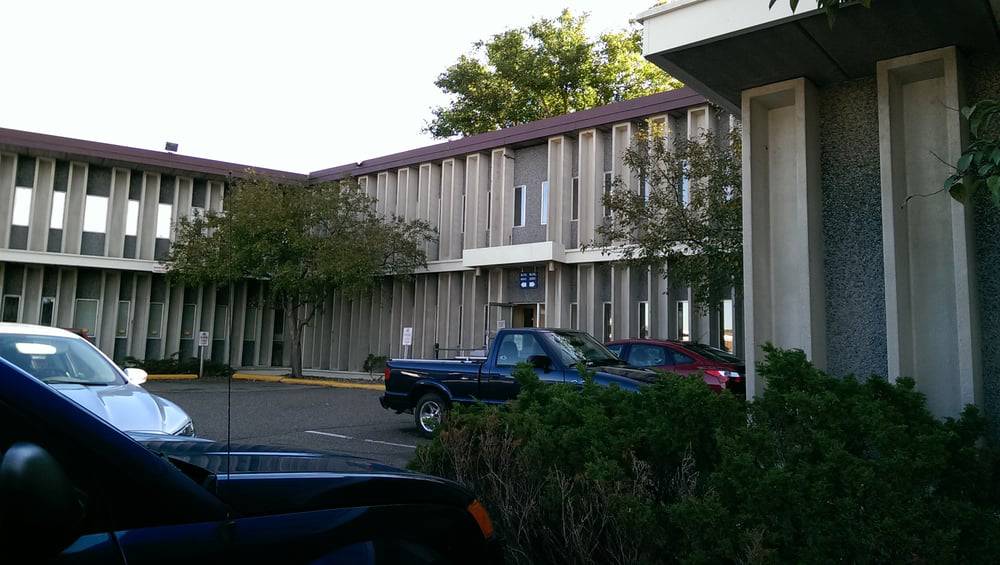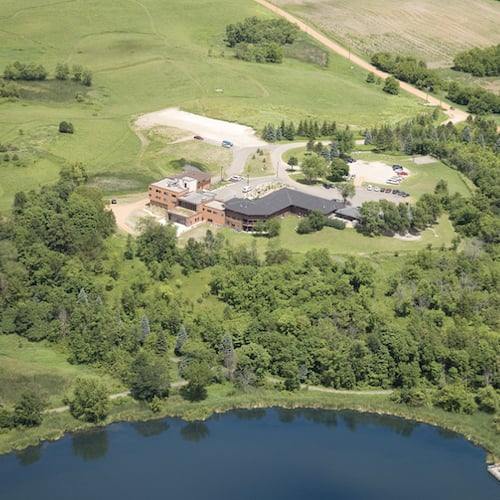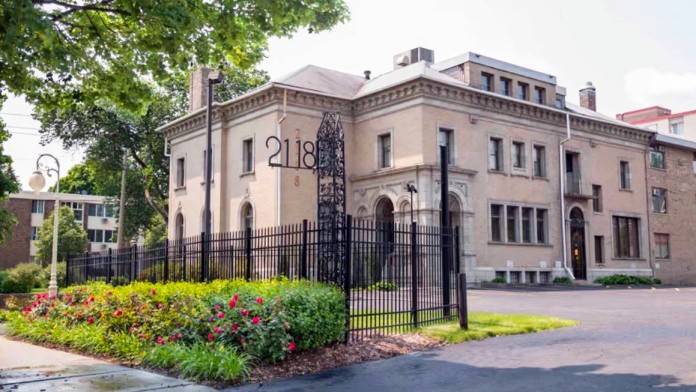
2118 NUWAY Counseling Center
2
Top 10 Rehab In Minneapolis






































































































 Our Methodology


Medicaid is a state based program that helps lower-income individuals and families pay for healthcare. Medicaid covers addiction treatment so those enrolled can use their coverage to pay for rehab. When a program accepts Medicaid the client often pays very little or nothing out of their own pocket.
Private insurance refers to any kind of healthcare coverage that isn't from the state or federal government. This includes individual and family plans offered by an employer or purchased from the Insurance Marketplace. Every plan will have different requirements and out of pocket costs so be sure to get the full details before you start treatment.
Self-pay involves paying for treatment out of your own pocket. You can use savings or credit, get a personal loan, or receive help from family and friends to fund your treatment. If you don't have insurance or your insurance plan doesn't cover a specific program, self-pay can help ensure you still get the care you need.
Outpatient rehabs typically provide a full continuum of care both for clients in early recovery and for those who are well advanced in their recovery journey. Their levels of care typically include partial hospitalization (PHP), intensive outpatient (IOP), sober living/halfway housing, and standard outpatient programming. Many outpatient facilities offer evening, night, and weekend services, including addiction counseling and recovery-focused life skills training, to accommodate clients' work and family schedules.
Alcoholism is a chronic, progressive condition involving the excessive and compulsive consumption of alcohol. This overconsumption leads to physical dependence and alcohol addiction. Alcohol rehab in Minnesota offers resources to help individuals recover from alcoholism and maintain a sober lifestyle. Treatment typically involves a three-step process that begins with supervised detox, followed by behavioral-based rehab, then continues with sobriety maintenance.
 Opioid Addiction
Drug addiction is defined as an inability to stop using drugs even though it causes negative consequences in your life. Drug rehab in Minnesota provides treatment for drug addiction in a variety of settings including inpatient treatment and outpatient treatment.
Substance abuse treatment programs in Minnesota are designed to support individuals to overcome addiction. These programs employ evidence-based therapies such as cognitive-behavioral therapy (CBT), dialectical behavior therapy (DBT), and eye movement desensitization and reprocessing (EMDR), together with individual and group therapy, and recovery meetings. With a variety of treatment options available, which typically include outpatient, inpatient, dual-diagnosis, and partial hospitalization, you'll be able to find a personalized treatment option that works for your individual needs.
One of the main goals of inpatient rehab is the simultaneous treatment an addiction and co-occurring mental health disorders. Services usually include individual and group counseling and relapse prevention education. Other standard therapies can include coping skills training, cognitive-behavioral therapy (CBT), motivational interviewing, and family support groups. By offering a number of critical therapies under one roof, you have a greater chance of boosting overall mental health and achieving sustained recovery.
Dual-diagnosis addiction treatment in Minnesota emphasizes integrated care for individuals with co-occurring substance use disorders and mental health conditions. Their specialized programs offer outpatient, inpatient, partial hospitalization, and intensive outpatient levels of care. Therapies such as cognitive behavioral therapy, or dialectical behavioral therapy, mindfulness-based therapy, and experiential therapy help clinical experts to treat both disorders and promote mental health and well-being. Additional services like medically assisted detox, 12-Step recovery, and aftercare support may be available to further support you in sustaining your recovery.
Adult rehab programs include therapies tailored to each client's specific needs, goals, and recovery progress. They are tailored to the specific challenges adult clients may face, including family and work pressures and commitments. From inpatient and residential treatment to various levels of outpatient services, there are many options available. Some facilities also help adults work through co-occurring conditions, like anxiety, that can accompany addiction.
Therapists often use cognitive behavioral therapy in Minnesota to treat substance use disorders because it can help clients quickly identify challenges and ways to cope with them. Its structured, specific methods require fewer sessions than other types of therapy.
People benefit from group therapy sessions that offer them the chance to learn and practice conflict resolution skills with their peers. This helps you recognize your strengths and capabilities, which boosts your self confidence as you work toward overcoming addiction and building a healthier lifestyle.
 Metropolitan Area
State Licenses are permits issued by government agencies that allow rehab organizations to conduct business legally within a certain geographical area. Typically, the kind of program a rehab facility offers, along with its physical location, determines which licenses are required to operate legally.
State License: Minnesota

1523 Nicollet Ave, Minneapolis, MN 55403
Sponsored Helpline
 Back
Back
Sharing your insights and experiences can help others learn more about this rehab center.