






























































































It is not what they promise, they do not have the necessary resources even though their collection rates are quite high. I do not like me or my colleagues
About Millcreek of Magee Treatment Center
The treatment center only takes Mississippi Medicaid. They don’t take any private or commercial insurance, and they don’t take private payments. They accept residents from out of state through Children’s Behavioral Solutions.
The residential treatment program treats children and adolescents from ages six to 21. This is a PRTF – a psychiatric residential treatment facility. This is for kids with psychiatric needs who need supervision and care 24/7. In this program, kids get medication monitoring from a psychiatrist.
The main therapy modality is cognitive behavioral therapy. The kids also participate in journaling and a phase system that rewards positive behaviors. There’s also individual therapy at least once per week and family therapy twice a month.
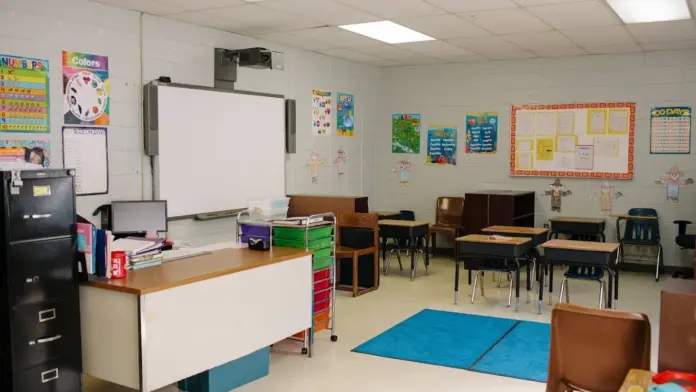
Group therapy is three times per week where the kids work on anger management, coping skills, relationship skills, and independent living skills. They also have recreation therapy daily. There are several experiential programs including art and music therapy. There is also a school program Monday through Friday from 9 a.m. to 3 p.m.
The substance use treatment programs provide mental health and substance use disorder treatment for males age 12 to 21. They’ll receive help from a licensed therapist experienced in substance use counseling. They’ll also get individual, group, and family therapy and take part in experiential and recreational therapy.
While in the group homes, the young men also participate in education programs where they can work toward a GED or high school degree. They can also work on getting college credit. The center has employment opportunities on campus where the kids can earn some money and learn job skills. They also work on their social skills by attending programs within the community.
Latest Reviews
It helped me and made a better person
Response from the owner1 week ago
Thanks so much for sharing this! We are committed to providing excellent care in a compassionate environment.
My son has been in Millcreek a very long time and we are glad that we got him the care he needs, I just wish we had a place like this in Montana. So many children need this 24-7 care and it's sad that most states don't have a facility like this closer to home. I do appreciate the staff so very much and my son is doing great. I am very pleased with how much he has grown over the years by being in Millcreek.
Response from the owner1 week ago
We’re happy that you shared your perspective — thank you! Feedback is important for us to continue to make a lasting difference in our community.
My son has been in the residential part for kids with special needs for a year and a half now . He is a completely different kid now . He can do things I thought would take decades for him to finally do . He is taken care of and loved by the staff as if he were their own child . It’s the one on one staff and caretakers that make this facility so successful In what they are doing for our most vulnerable children .
This facility is full of employees that have been working there forever , so they know the kids and they know their job . Everyone you encounter gives 110% plus some, to their job and their commitment to these children . They make it so that I as a parent able to sleep at night knowing our kid is loved , safe , and thriving . Millcreek in my experience is the gold standard of care for special needs children and should be modeled as such by other facilities like them in the country.
Response from the owner1 week ago
Getting feedback inspires us in the work we do each day. Thank you so much for taking the time to share with us!

Rehab Score
 Our Methodology
Scoring is assigned by a proprietary system which helps surface key metrics that determine quality. The 10-point scale factors in categories such as operations, customer satisfaction, and trust metrics. Read Full Methodology

6 / 10
Gallery
Other Forms of Payment
Private insurance refers to any kind of healthcare coverage that isn't from the state or federal government. This includes individual and family plans offered by an employer or purchased from the Insurance Marketplace. Every plan will have different requirements and out of pocket costs so be sure to get the full details before you start treatment.
Self-pay involves paying for treatment out of your own pocket. You can use savings or credit, get a personal loan, or receive help from family and friends to fund your treatment. If you don't have insurance or your insurance plan doesn't cover a specific program, self-pay can help ensure you still get the care you need.
Financial aid can take many forms. Centers may have grants or scholarships available to clients who meet eligibility requirements. Programs that receive SAMHSA grants may have financial aid available for those who need treatment as well. Grants and scholarships can help you pai for treatment without having to repay.
Medicare is a federal program that provides health insurance for those 65 and older. It also serves people under 65 with chronic and disabling health challenges. To use Medicare for addiction treatment you need to find a program that accepts Medicare and is in network with your plan. Out of pocket costs and preauthorization requirements vary, so always check with your provider.
Medicaid is a state based program that helps lower-income individuals and families pay for healthcare. Medicaid covers addiction treatment so those enrolled can use their coverage to pay for rehab. When a program accepts Medicaid the client often pays very little or nothing out of their own pocket.
Addiction Treatments
Levels of Care
Sober Living Houses (SLHs), aka sober homes or halfway houses, are safe, substance-free, supportive living facilities for those recovering from substance abuse. Ideal for those who've just been through inpatient or outpatient treatment, SLHs are supervised environments with rules that support sobriety, such as curfews, shared chores, and therapeutic meetings. Residents are also often trained on life skills and coping skills to make it easier to transition into society. SLHs also provide a strong sense of community that can lead to the kind of deep and lasting connections with other sober individuals that supports a new, healthy lifestyle.
Recommended as a flexible and intensive addiction treatment option, a partial hospitalization program (PHP) is often used as an alternative to inpatient rehab. With daily sessions typically lasting up to six hours for five days a week, PHP treatment provides evidence-based therapies and medical care while allowing you to return home every evening. The length of PHP treatment varies based on your needs, but it averages 90 days.
Treatments
Mental health rehabs focus on helping individuals recover from mental illnesses like bipolar disorder, clinical depression, anxiety disorders, schizophrenia, and more. Mental health professionals at these facilities are trained to understand and treat mental health issues, both in individual and group settings.
Programs
Young adulthood can be an exciting, yet difficult, time of transition. Individuals in their late teens to mid-20s face unique stressors related to school, jobs, families, and social circles, which can lead to a rise in substance use. Rehab centers with dedicated young adult programs will include activities and amenities that cater to this age group, with an emphasis on specialized counseling, peer socialization, and ongoing aftercare.
Clinical Services
Cognitive Behavioral Therapy (CBT) is a therapy modality that focuses on the relationship between one's thoughts, feelings, and behaviors. It is used to establish and allow for healthy responses to thoughts and feelings (instead of unhealthy responses, like using drugs or alcohol). CBT has been proven effective for recovering addicts of all kinds, and is used to strengthen a patient's own self-awareness and ability to self-regulate. CBT allows individuals to monitor their own emotional state, become more adept at communicating with others, and manage stress without needing to engage in substance abuse.
Group therapy is any therapeutic work that happens in a group (not one-on-one). There are a number of different group therapy modalities, including support groups, experiential therapy, psycho-education, and more. Group therapy involves treatment as well as processing interaction between group members. Group therapy is provided three times per week.
In individual therapy, a patient meets one-on-one with a trained psychologist or counselor. Therapy is a pivotal part of effective substance abuse treatment, as it often covers root causes of addiction, including challenges faced by the patient in their social, family, and work/school life.
Trauma therapy addresses traumatic incidents from a client's past that are likely affecting their present-day experience. Trauma is often one of the primary triggers and potential causes of addiction, and can stem from child sexual abuse, domestic violence, having a parent with a mental illness, losing one or both parents at a young age, teenage or adult sexual assault, or any number of other factors. The purpose of trauma therapy is to allow a patient to process trauma and move through and past it, with the help of trained and compassionate mental health professionals.
Research clearly demonstrates that recovery is far more successful and sustainable when loved ones like family members participate in rehab and substance abuse treatment. Genetic factors may be at play when it comes to drug and alcohol addiction, as well as mental health issues. Family dynamics often play a critical role in addiction triggers, and if properly educated, family members can be a strong source of support when it comes to rehabilitation.
Creativity is inherently healing, and can help those in recovery express thoughts or feelings they might not otherwise be able to. Creative arts therapy can include music, poetry/writing, painting, sculpting, dance, theater, sandplay, and more. Unlike traditional art, the final product matters far less than the experience of creation and expression itself.
Amenities
-
 Gym
Gym -
 Residential Setting
Staff & Accreditations
Staff
Margaret Stept, M.ED
CEO
Donna Hunt, LPC
PRTF Director of Program and Clinical Services
Cindy Kennedy
Director of Human Resources
Linda Burkett, LMSW
Director of Administration and Compliance
Joe Earp, Ed. D
Director of HCBS and Development
Dionna Evans, LMSW
ICF/IID Residential Program Manager
Accreditations

The Joint Commission, formerly known as JCAHO, is a nonprofit organization that accredits rehab organizations and programs. Founded in 1951, the Joint Commision's mission is to improve the quality of patient care and demonstrating the quality of patient care.
Joint Commission Accreditation: Yes
Accreditation Number: 1652
Rehab.com regularly reviews this listing for accuracy but changes may occur between updates. For the most up-to-date information, please contact Millcreek of Magee Treatment Center.
Contact Information

900 1st Avenue NE
Magee, MS 39111
Get Help Now - 601-439-6848
Sponsored Helpline
Sponsored Helpline



