Horrible staff ghetto and no professionalism. No help with housing the food sucks, the kitchen staff don't sanitize the dishes or machines. It's a disease haven. White staff will lie on you to get you put out and the black staff will kiss there ass and put you out. I never s ...
About Mission Lodge
Missions Inc. is a nonprofit organization that does not turn away eligible clients if they are unable to pay. They also provide inpatient medical detox services for those in crisis, including adolescents.
Clients come to detox in crisis, seeking clinical assistance with the detoxification process. Withdrawal symptoms can be painful and, without professional assistance, dangerous. Clients in the detox program are carefully observed by medical staff and provided comfort and education during this difficult step of the recovery process.
In addition to clinically managed withdrawal services, clients have access to psychiatric assessments, counseling, nutritional education, support groups (such as NA/AA), and visits from physicians. Clients are only discharged when they are medically stable, after which their care team develops an aftercare plan for them to follow.
Detox is often the first step on the path to recovery. To facilitate this, Missions Inc. connects clients with local facilities and resources so they can continue the journey unhindered. Detox is offered on a first come, first served basis.
The housing services provided by Missions Inc. aren’t traditional inpatient residential treatment plans. Instead, they are residential programs for people transitioning out of treatment plans or who are otherwise at risk. There are four houses total, each serving different clientele: Hart House (women, trans, and nonbinary clients), Mission Heights Supportive Housing (women, men, trans, and nonbinary people), Mission Lodge, and Smith Lodge (both for chronically dependant men and women)
Each house offers structured services with the goal of breaking the cycle of addiction and helping transition into sober living. Programs include counseling, community referrals, advocacy, support groups, and recreation activities. Clients may receive a referral or prior treatment to be accepted.
Latest Reviews
Rehab Score
Gallery
Other Forms of Payment
Self-pay involves paying for treatment out of your own pocket. You can use savings or credit, get a personal loan, or receive help from family and friends to fund your treatment. If you don't have insurance or your insurance plan doesn't cover a specific program, self-pay can help ensure you still get the care you need.
Private insurance refers to any kind of healthcare coverage that isn't from the state or federal government. This includes individual and family plans offered by an employer or purchased from the Insurance Marketplace. Every plan will have different requirements and out of pocket costs so be sure to get the full details before you start treatment.
Addiction Treatments
Levels of Care
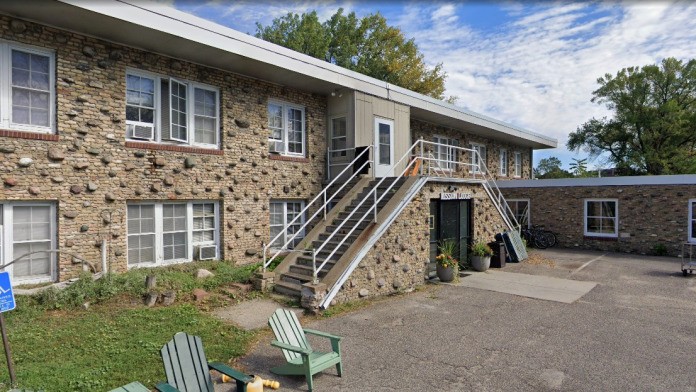
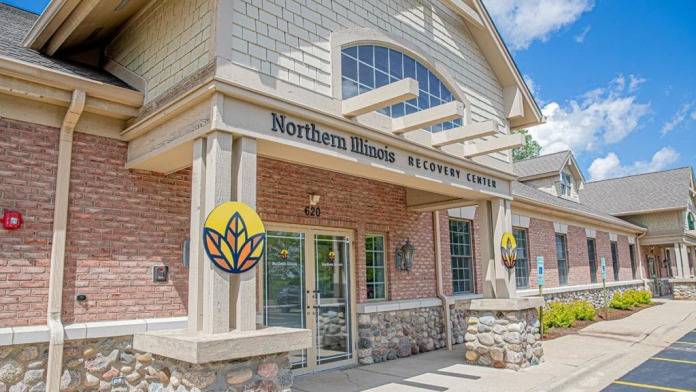
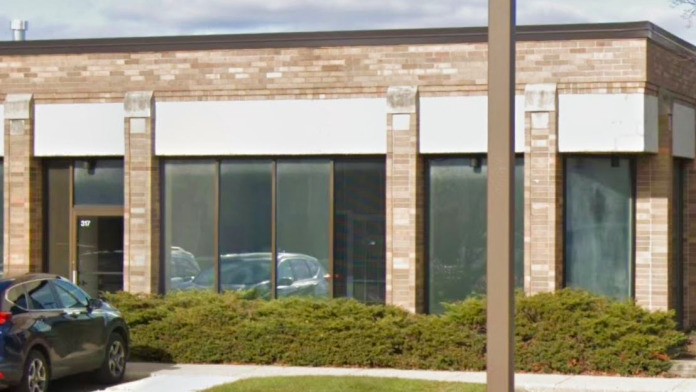
Residential treatment programs are those that offer housing and meals in addition to substance abuse treatment. Rehab facilities that offer residential treatment allow patients to focus solely on recovery, in an environment totally separate from their lives. Some rehab centers specialize in short-term residential treatment (a few days to a week or two), while others solely provide treatment on a long-term basis (several weeks to months). Some offer both, and tailor treatment to the patient's individual requirements. Mission Lodge was established in 1984 to provide residential and support services for men and women who have been diagnosed as chronically chemically dependent. In stays that range from several weeks to months or longer, residents explore options to make positive change in their lives within a respectful, supportive environment. Staff assist residents in setting goals and accessing a wide range of services and resources.
Completing a drug or alcohol rehab program shouldn't spell the end of substance abuse treatment. Aftercare involves making a sustainable plan for recovery, including ongoing support. This can include sober living arrangements like halfway houses, career counseling, and setting a patient up with community programs like Alcoholics Anonymous (AA) or Narcotics Anonymous (NA).
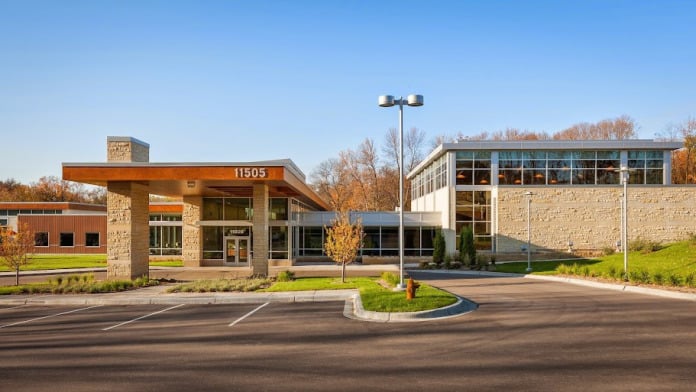
Drug and alcohol addiction often takes a heavy toll on one's body. Over time, a physical dependence can develop, meaning the body physiologically needs the substance to function. Detox is the process of removing drugs and/or alcohol from the body, a process that can be lethal if mismanaged. Medical detox is done by licensed medical professionals who monitor vital signs and keep you safe, healthy, and as comfortable as possible as you go through detox and withdrawal. Mission Detox Center offers medically supervised detoxification services for suburban Hennepin County, Anoka County and other metro area counties. Admission to Mission Detox Center is frequently the first professional intervention in a destructive pattern of chemical use, and a difficult point in any chemically dependent person's journey. Each client is welcomed with respect and provided professional and compassionate care by the staff of nurses, counselors and trained technicians.
Sober living houses (SLHs), or sober homes or halfway houses, are safe, substance-free, supportive living facilities for those recovering from substance abuse. Ideal for those who've just been through inpatient or outpatient treatment, SLHs are supervised environments with rules that support sobriety, such as curfews, shared chores, and therapeutic meetings. Residents are also often trained on life skills and coping skills to make it easier to transition into society. SLHs also provide a strong sense of community that can lead to the kind of deep and lasting connections with other sober individuals that supports a new, healthy lifestyle. Established in 1991, Smith Lodge provides transitional housing and support services for men and women who are chemically dependent. Private rooms are available for each of the nineteen residents, who may stay in the program for up to two years. Staff assist residents in developing goals, often including education, employment and housing, and in building the skills necessary to achieve their goals.
Treatments
The goal of treatment for alcoholism is abstinence. Those with poor social support, poor motivation, or psychiatric disorders tend to relapse within a few years of treatment. For these people, success is measured by longer periods of abstinence, reduced use of alcohol, better health, and improved social functioning. Recovery and Maintenance are usually based on 12 step programs and AA meetings.
Drug addiction is defined as an inability to stop using drugs even though it causes negative consequences in your life. Drug rehab in Minnesota provides treatment for drug addiction in a variety of settings including inpatient treatment and outpatient treatment.
Opioid rehabs specialize in supporting those recovering from opioid addiction. They treat those suffering from addiction to illegal opioids like heroin, as well as prescription drugs like oxycodone. These centers typically combine both physical as well as mental and emotional support to help stop addiction. Physical support often includes medical detox and subsequent medical support (including medication), and mental support includes in-depth therapy to address the underlying causes of addiction.

Substance rehabs focus on helping individuals recover from substance abuse, including alcohol and drug addiction (both illegal and prescription drugs). They often include the opportunity to engage in both individual as well as group therapy.
Programs
Adult rehab programs include therapies tailored to each client's specific needs, goals, and recovery progress. They are tailored to the specific challenges adult clients may face, including family and work pressures and commitments. From inpatient and residential treatment to various levels of outpatient services, there are many options available. Some facilities also help adults work through co-occurring conditions, like anxiety, that can accompany addiction.
Young adulthood can be an exciting, yet difficult, time of transition. Individuals in their late teens to mid-20s face unique stressors related to school, jobs, families, and social circles, which can lead to a rise in substance use. Rehab centers with dedicated young adult programs will include activities and amenities that cater to this age group, with an emphasis on specialized counseling, peer socialization, and ongoing aftercare.
Clinical Services
Cognitive Behavioral Therapy (CBT) is a therapy modality that focuses on the relationship between one's thoughts, feelings, and behaviors. It is used to establish and allow for healthy responses to thoughts and feelings (instead of unhealthy responses, like using drugs or alcohol). CBT has been proven effective for recovering addicts of all kinds, and is used to strengthen a patient's own self-awareness and ability to self-regulate. CBT allows individuals to monitor their own emotional state, become more adept at communicating with others, and manage stress without needing to engage in substance abuse.
Group therapy is any therapeutic work that happens in a group (not one-on-one). There are a number of different group therapy modalities, including support groups, experiential therapy, psycho-education, and more. Group therapy involves treatment as well as processing interaction between group members.
In individual therapy, a patient meets one-on-one with a trained psychologist or counselor. Therapy is a pivotal part of effective substance abuse treatment, as it often covers root causes of addiction, including challenges faced by the patient in their social, family, and work/school life.

Life skills trainings involve all the skills a person must have in order to function successfully in the world. These include time management, career guidance, money management, and effective communication. Truly successful addiction recovery is based on the ability to not only live substance-free, but to thrive. Life skills teaches the practical necessities of functioning in society, which sets clients up for success in life, and therefore sobriety.
Staff
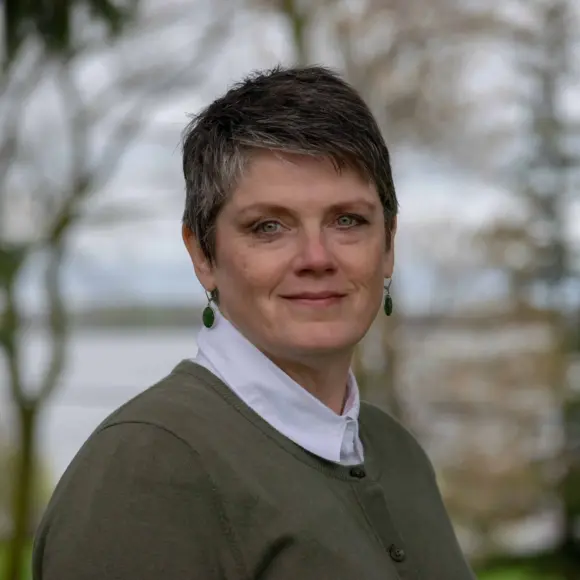
Katy Daniels
CEO
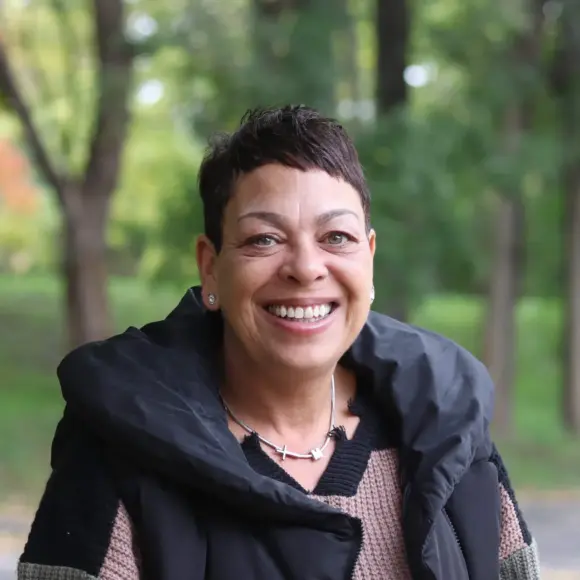
Genessis Lopez
Advancement Coordinator
Michelle Presley
Director of Programs
Kaylie Burns Gahagan
Director of Advancement
Leann Freeberg
HR Coordinator
Contact Information
3409 E Medicine Lake Blvd

Plymouth, MN 55441